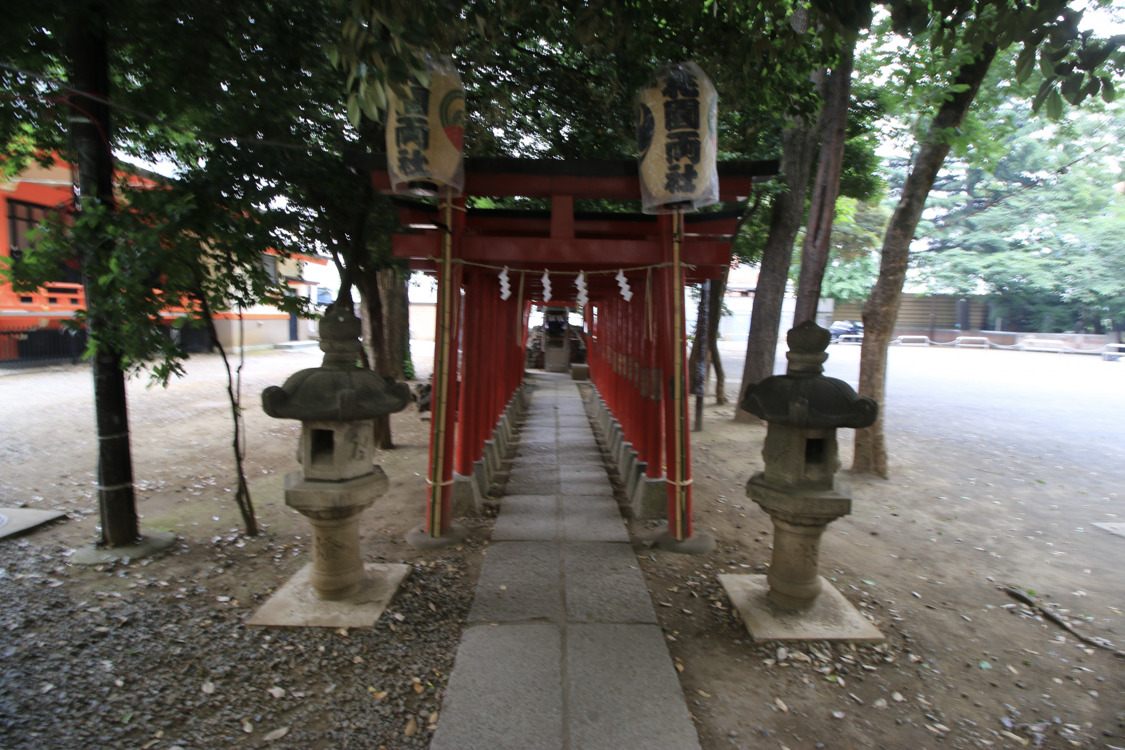
Hanazono Shrine

Shinto shrineShinjuku, Nakano

Hanazono Shrine(Hanazono-shrine)

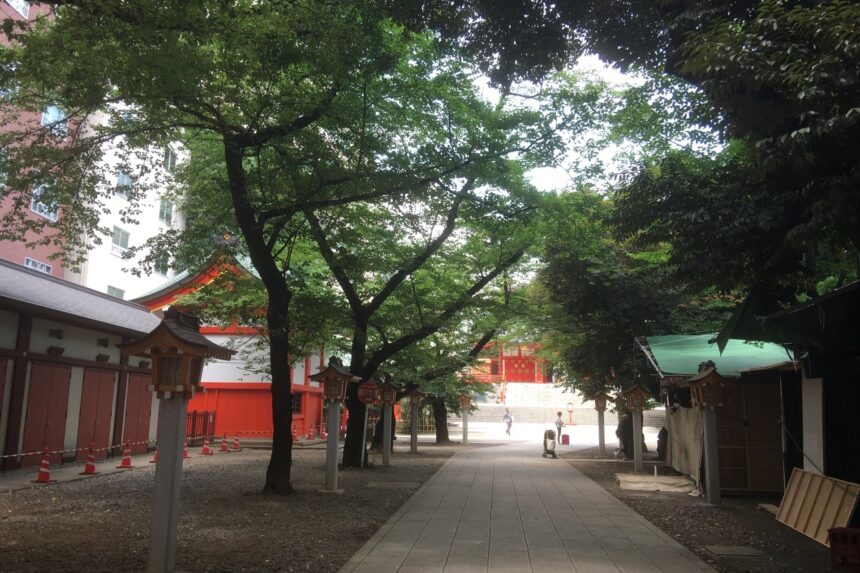
cherry treestrolling on the streetBird Day Fair (held at Otori Shrine on each Day of the Bird in November)

The shrine is located near Kabukicho, Shinjuku, Tokyo, the most sleepy town in Japan. The shrine has been enshrined as the chief guardian of Shinjuku since before the Edo Shogunate. There is also the “Itoku Inari Shrine,” which is blessed for conjugal harmony, child bearing, and marriage, and the “Geino Sengen Shrine,” which enshrines the god of performing arts, and is known to be visited by many entertainers. The monument to Keiko Fuji, a Showa-era singer, is also a must-see. In addition, a large-scale rooster market is held every November, attracting about 600,000 people, who enjoy tricky performances at the famous freak show among other attractions.

Spot OutlineOutline

address (e.g. of house) 5-17-3 Shinjuku, Shinjuku-ku, Tokyo
Access 7 minutes from Shinjuku-Sanchome Subway Station, 10 minutes from JR/Subway Shinjuku Station

phone 03-3209-5265
External Links

Official Web Site

Founding and opening of business Before 1590 (details unknown)

新着・おすすめ情報

  1. What is the custom of Nagashi Hina? [Words of Hinamatsuri

  2. Sekiguchi Bashoan (Waseda, Tokyo)

  3. Inokashira Onshi Park

  4. Okunitama Shrine (Fuchu, Tokyo)

  5. Suka Shrine (the outer shrine of Ise Shrine)

  6. Shinagawa Shrine (Kita-Shinagawa, Tokyo)

  7. The same manufacturing method since the establishment of the company. Interview with Satoru Nakamura, 7th generation owner of Shirokiya Nakamura Denbei Shoten, who weaves Edo brooms using craftsmanship passed down from generation to generation .

  8. kneaded dough

  9. To preserve traditional culture, we also consider the treatment of craftsmen. What does the long-established “Edoya” think of “succession”?

  10. Araiyakushi Umeshoin

  11. 【第3回】蕎麦の香りを楽しめる蕎麦メニューとは

  12. vinegared rice and sliced raw tuna wrapped in seaweed

  13. New Year’s decorations

  14. Omori Shell Mound Site Garden

  15. What is the “rank of kimono” that kimono beginners have trouble thinking about?