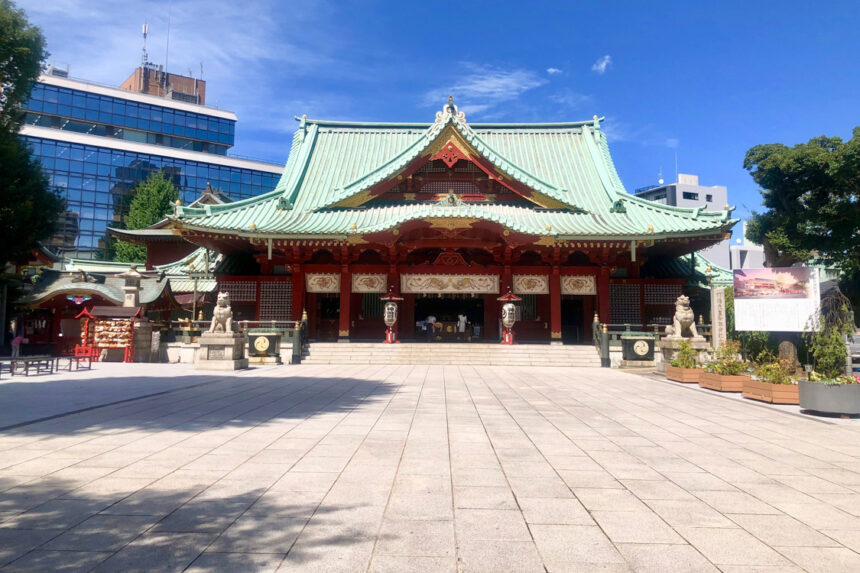
Kanda Myojin

Shinto shrinefield affiliated with a shrine (the tax-exempt proceeds of its harvest going to pay for shrine operations)

Kanda Myojin(Kanda myoujin-Shrine)

festivalfirst shrine visit of New Year

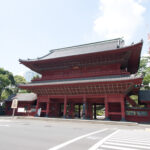
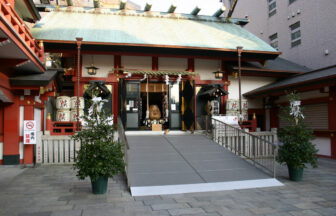
Officially known as Kanda Shrine, it enshrines Ohonamuchi no Mikoto, Sunahikona no Mikoto, and Taira no Masakado no Mikoto. The shrine was founded in 730 (Tempyo 2) and was originally located in the vicinity of Shomon-zuka, Otemachi, Chiyoda-ku, Tokyo. When the Edo shogunate was established, the shrine was relocated to its current location and was revered as “the guardian of Edo. The Kanda Festival, held once every two years in May, is famous as one of the three major festivals in Edo.

Spot OutlineOutline

address (e.g. of house) 2-16-2 Sotokanda, Chiyoda-ku, Tokyo
Access 5 minutes from JR Ochanomizu Station, 7 minutes from JR Akihabara Station, 5 minutes from Subway Ochanomizu Station

phone 03-3254-0753
Business Hours nashi (Pyrus pyrifolia, esp. var. culta)
regular closing day
External Links

Official Web Site

Founding and opening of business 730 (Tempyo 2)

新着・おすすめ情報

  1. Ebara Shrine (Shinagawa, Tokyo)

  2. Hamura Intake Weir

  3. Ruins of Kirishitan residence (Myogadani, Tokyo)

  4. Tokyo Literature Walk] No.5: Literary figures of the Showa period settled in Shimokitazawa one after another. Why Shimokitazawa became a town of culture

  5. Noge-Otsuka Tomb (Setagaya, Tokyo)

  6. Enmeiji Temple, Jizo (a jizo that cuts off the head) / Kozukabara Penitentiary Site (Minami-Senju, Tokyo)

  7. What is the custom of Nagashi Hina? [Words of Hinamatsuri

  8. The lineup of the “five musicians” also has a meaning.

  9. Tsukiji Honganji Temple

  10. Shinjuku Suehirotei (Shinjuku, Tokyo)

  11. Explanation of the contents of “Yomeiri Dougu Arrangement” [Decorating Hina Dolls].

  12. 【第24回】海苔と海苔を使った蕎麦メニューの歴史

  13. Zuijin” is a male doll that serves as an escort for O’naira-sama [Hina Dolls].

  14. geese alighting

  15. Hamarikyu Gardens