

Taisho 11 (1922)
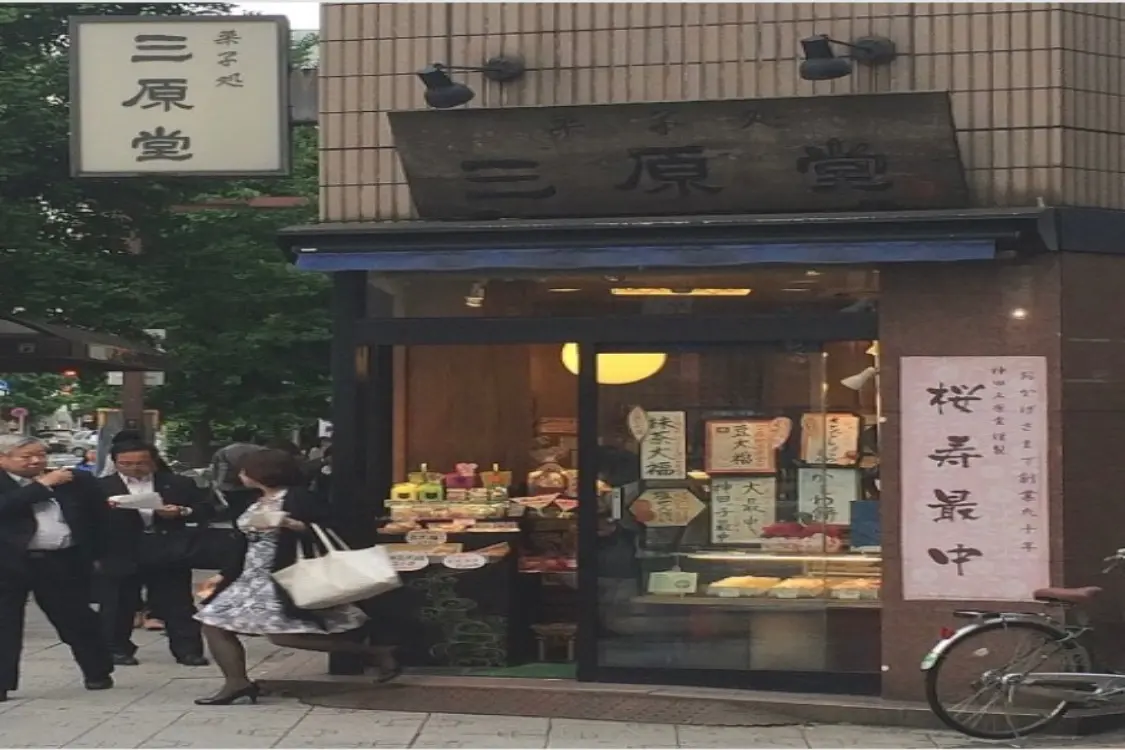

A Japanese sweets shop that preserves tradition while also offering appealing seasonal limited sweets
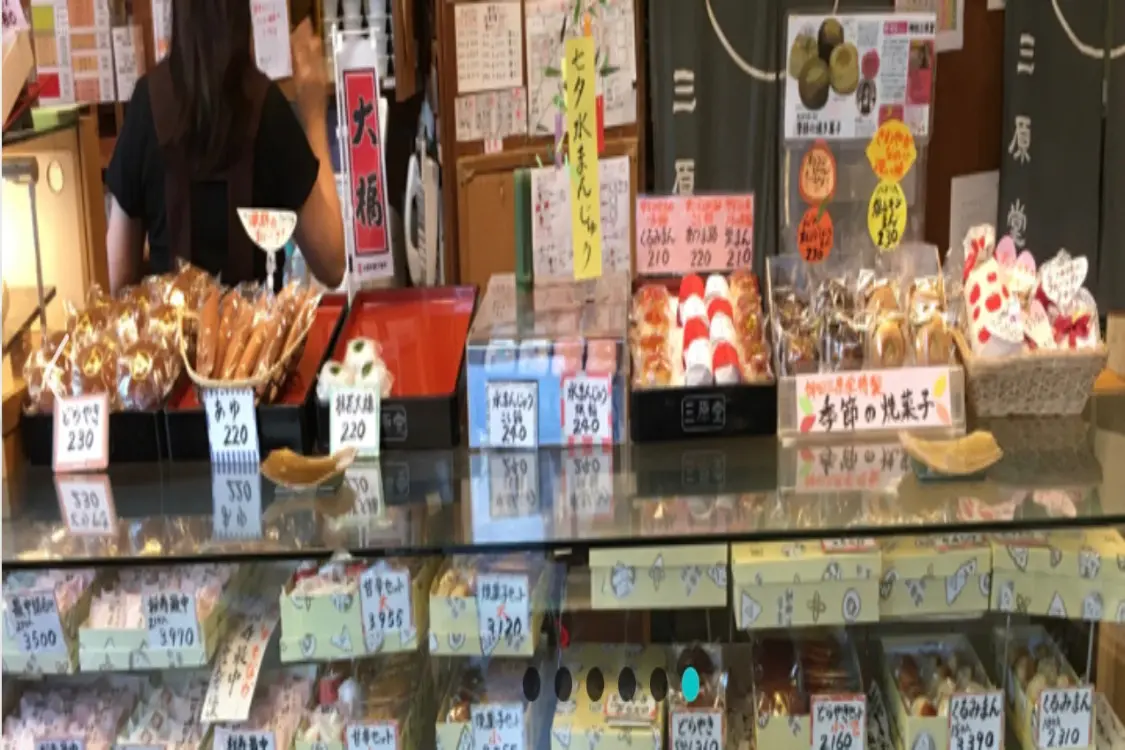
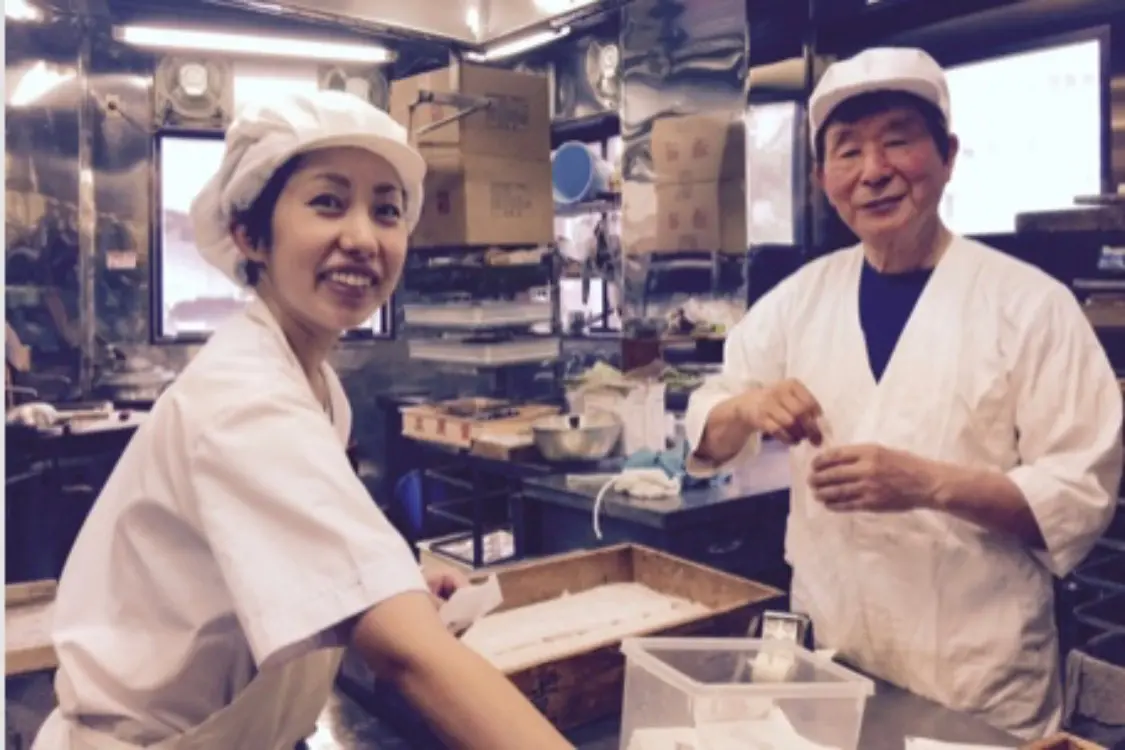
Kanda Miharado has continued operating at its shop near Kanda Station in Tokyo since its founding in Taisho 11 (1922).The shop marked its 100th anniversary in Reiwa 4 (2022) and continues to operate with the same motto of handcrafted work by artisans since its founding.It is truly a Japanese sweets shop that preserves the traditional flavors of Tokyo.Japanese sweets made on the second floor of the shop are displayed at the storefront every day.In addition to being handmade by artisans, the shop pursues great taste while avoiding preservatives and additives as much as possible.
While carefully passing down traditional flavors, the shop also takes on new challenges such as developing seasonal limited products.With the spirit of “learning from the past to create the new,” the shop aims for another hundred years.Despite hardships such as the COVID-19 pandemic, the shop continues its business.Customers visit in such numbers that lines form every day.
The signature product, Kandakkō Monaka, uses carefully selected Hokkaido azuki beans and is filled with chunky red bean paste that brings out the natural flavor of the beans.In addition to monaka, baked sweets such as salt senbei and walnut bean paste items have long shelf lives and can be carried at room temperature, making them perfect as gifts.Assortment sets combining sweet monaka and savory salt senbei are popular as gift items.The combination of small, not-too-sweet monaka and salt senbei made with Hakata salt is so delicious that once you start eating, you cannot stop.With a product lineup loved by everyone, the shop has many regular customers.
While the long-established products are appealing, seasonal limited items for each season are also popular, especially on social media.The strawberry daifuku that signals the arrival of spring lets you fully enjoy the fresh juice of strawberries, and its appearance with a whole strawberry placed on top became a hot topic.In summer, you can enjoy chilled mizu manju; in autumn, chestnut-filled baked sweets; and from Valentine’s Day to White Day, heart-shaped monaka.It is a shop you will want to visit again and again to see the changing seasonal products.
History
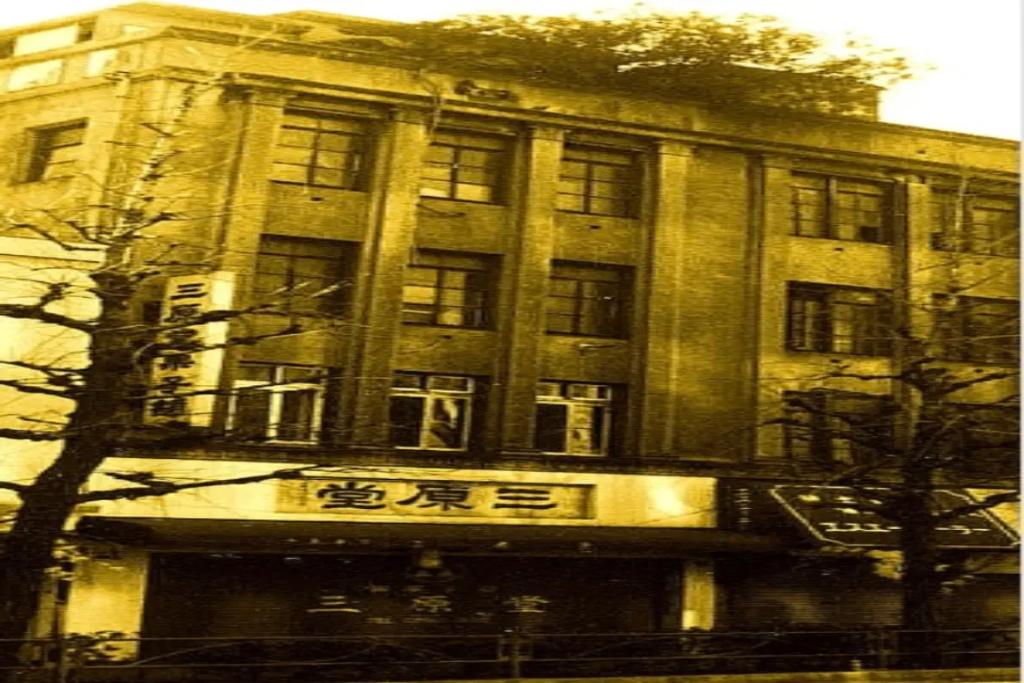
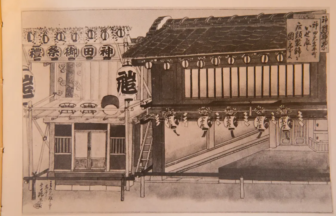
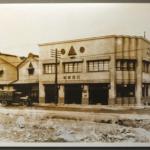
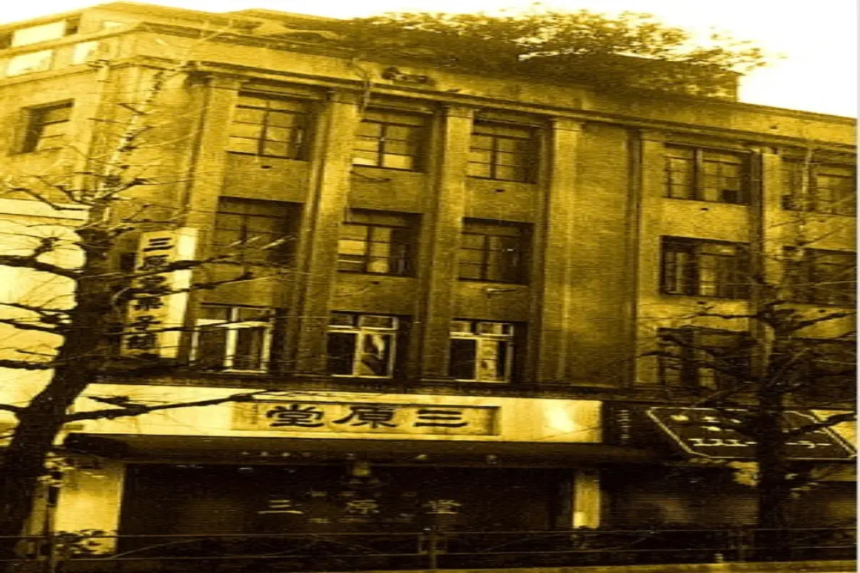
The shop was founded in Taisho 11 (1922) when the first-generation Iwasaki Nishitaro received the shop name from Ningyocho Miharado Main Store.This was three years after Kanda Station opened, and since then the shop has continued making Japanese sweets in Kanda.In Showa 5 (1930), the shop rebuilt early into a reinforced concrete building and continued operating, overcoming hardships such as the Great Kanto Earthquake that occurred the year after its founding and the Pacific War, while dedicating itself to making sweets loved by all.
This Notable Item
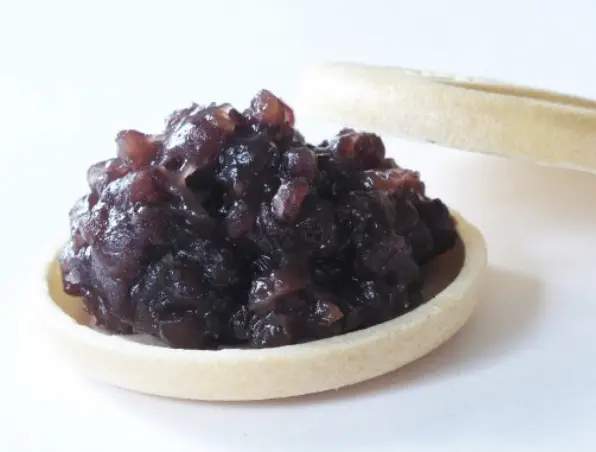
Kandakkō Monaka
2,604 yen (10 pieces)
The most popular Kandakkō Monaka is bite-sized and easy to eat.Although small, it has the same unchanged flavor since the shop’s founding as the large monaka and is generously filled with chunky red bean paste.It keeps for about one week in summer and around ten days in winter, making it an ideal gift.
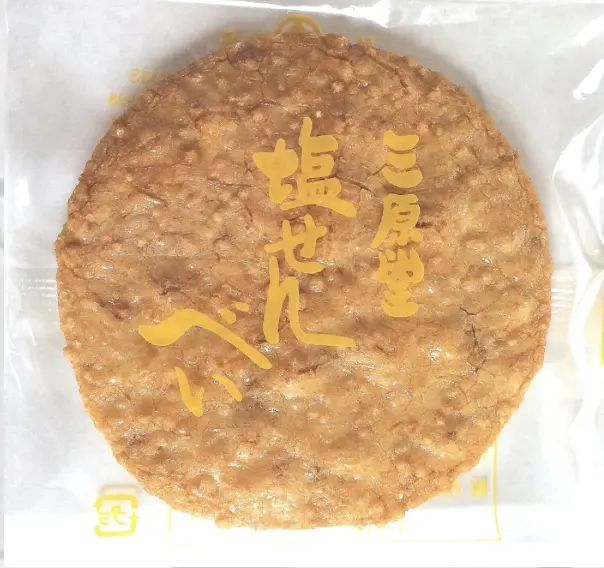
Salt Senbei
1,323 yen (23 pieces, boxed)
These are very fragrant thin senbei with the aroma of roasted soy sauce spreading in your mouth.Made with natural salt and soy sauce, they have a carefully handcrafted, uncompromising taste.With the grainy texture of non-glutinous rice, the crunchy bite is irresistible for senbei lovers.Each piece is individually wrapped, and the fact that you can buy them one by one is also appealing.
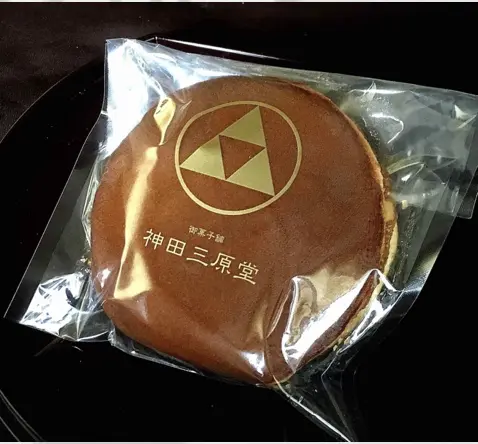
Dorayaki
1,869 yen (5 pieces)
The rich, deep-flavored chunky red bean paste, inheriting the dedication of the first-generation Iwasaki Nishitaro, pairs perfectly with the carefully hand-grilled pancakes made one by one.The pancakes have a firm bite and are lightly sweetened, which goes well with the generous amount of chunky red bean paste.The red bean paste retains its texture, making this a dorayaki with a traditional flavor.
Spot Overview
| address (e.g. of house) | |
|---|---|
| phone | |
| Business Hours | |
| regular closing day | |
| Payment Method | |
| External Links |