

Founded in Kyōho 2 (1717)
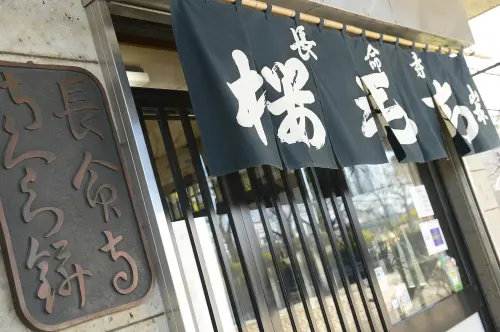
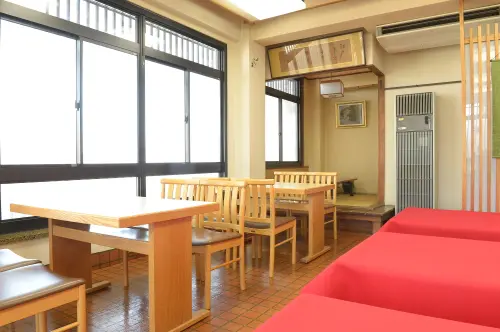
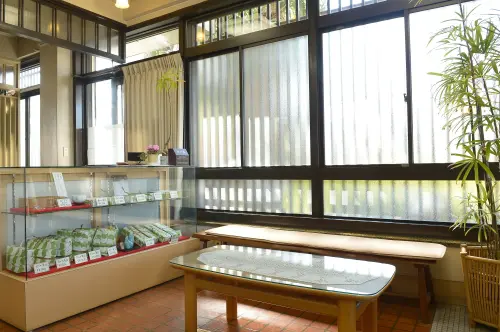
A store that has continued for over 300 years, the birthplace of Kanto-style Sakura Mochi
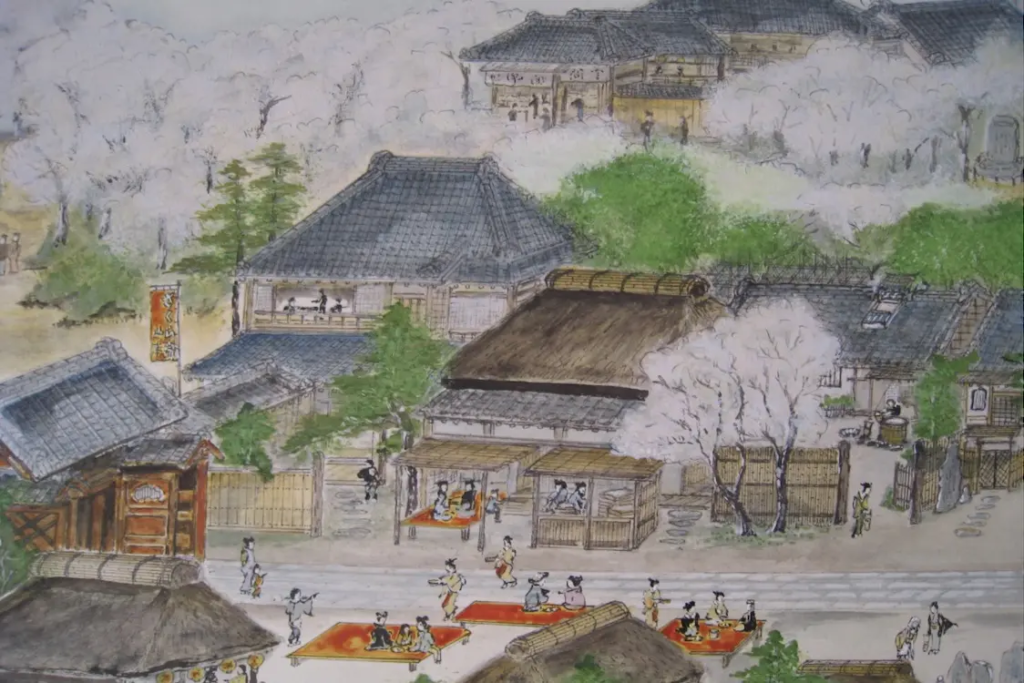
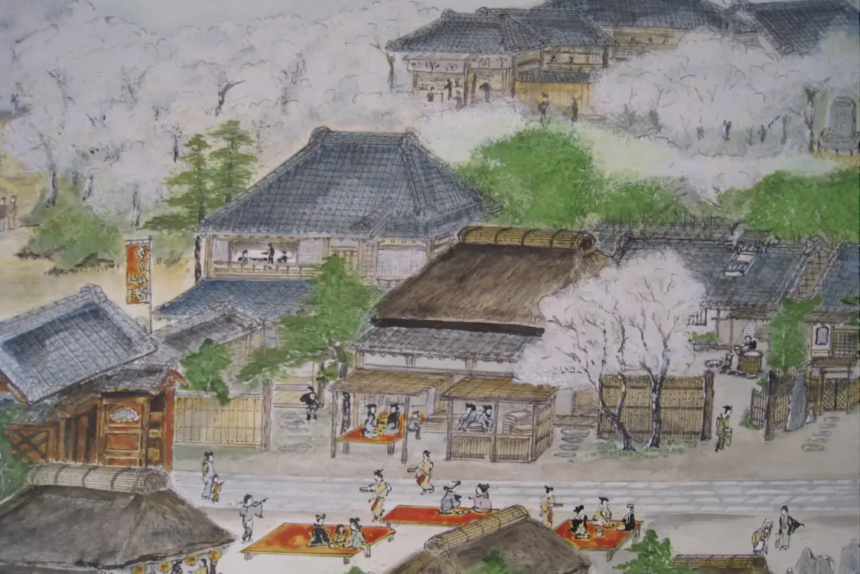
In Kyōho 2 (1717), the founder Shinroku Yamamoto created Sakura Mochi by wrapping rice cakes with salted cherry leaves along the Sumida River bank. It was first sold in front of Chomeiji in Mukojima.Many cherry blossom viewers visited Boku-tei Street, a famous cherry blossom spot even then, and the Sakura Mochi was reportedly very well received.
History
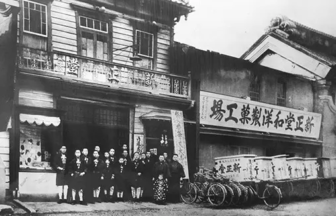
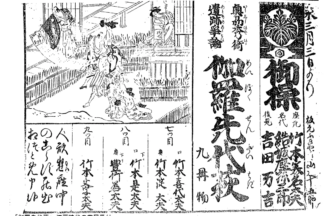
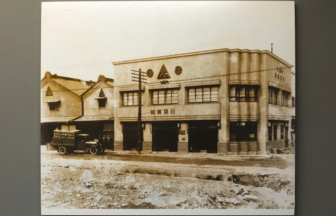
The first generation, Yasuda Shokei, was highly regarded as a Buddhist sculptor in Omi (present-day Shiga Prefecture) and is said to have been invited to Edo by the Tokugawa shogunate.He became active in Edo and founded Yasuda Shokeido in Kansei 4 (1792), and the business has continued for eight generations to the present.The first generation inherited the lineage of Unkei, the sculptor of the Kamakura period, and took one character from the name Unkei to call himself Motosuke, but from the fourth generation onward, the name Shokei has been inherited.In 1965 (Showa 40), the head office was moved from Nihonbashi to Ginza, where it remains today.
This Notable Item
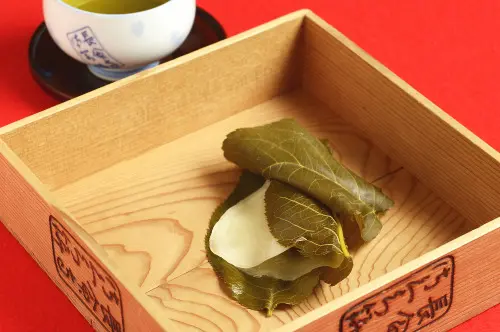
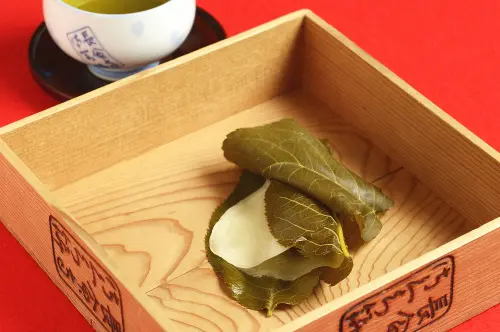
Chomeiji Sakura Mochi
Boxed sets start from 5 pieces for 1,300 yen, and eat-in includes 1 Sakura Mochi with sencha tea for 350 yen
Enjoy the scent of the cherry leaf absorbed into the rice cake
A delicacy that lets you enjoy the aroma of the cherry leaf in the mochi and the flavor of the sweet bean paste.You may choose, but it is recommended to remove the cherry leaf before eating.You can buy from 1 piece, but boxed sets range from 5 to 50 pieces, and basket sets from 10 to 25 pieces, making them perfect as gifts。
Spot Overview
| address (e.g. of house) | |
|---|---|
| phone | |
| Business Hours | |
| regular closing day | |
| Payment Method | |
| External Links |