

Established Kan’ei 12 (1635)
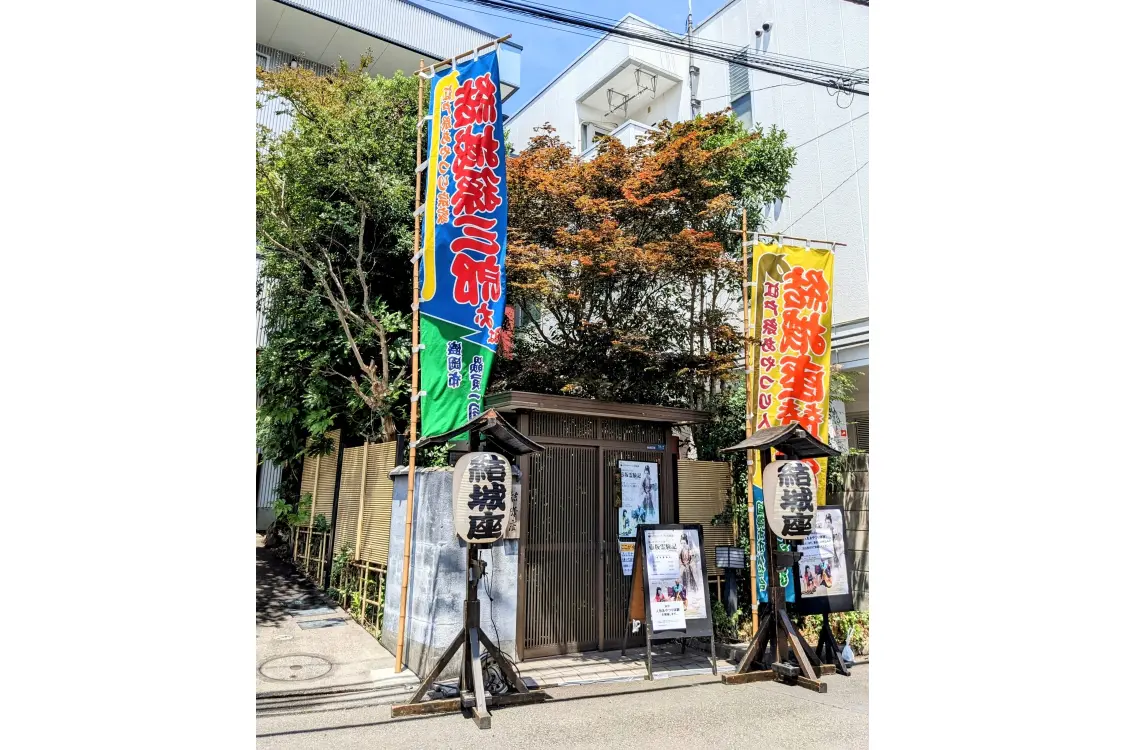
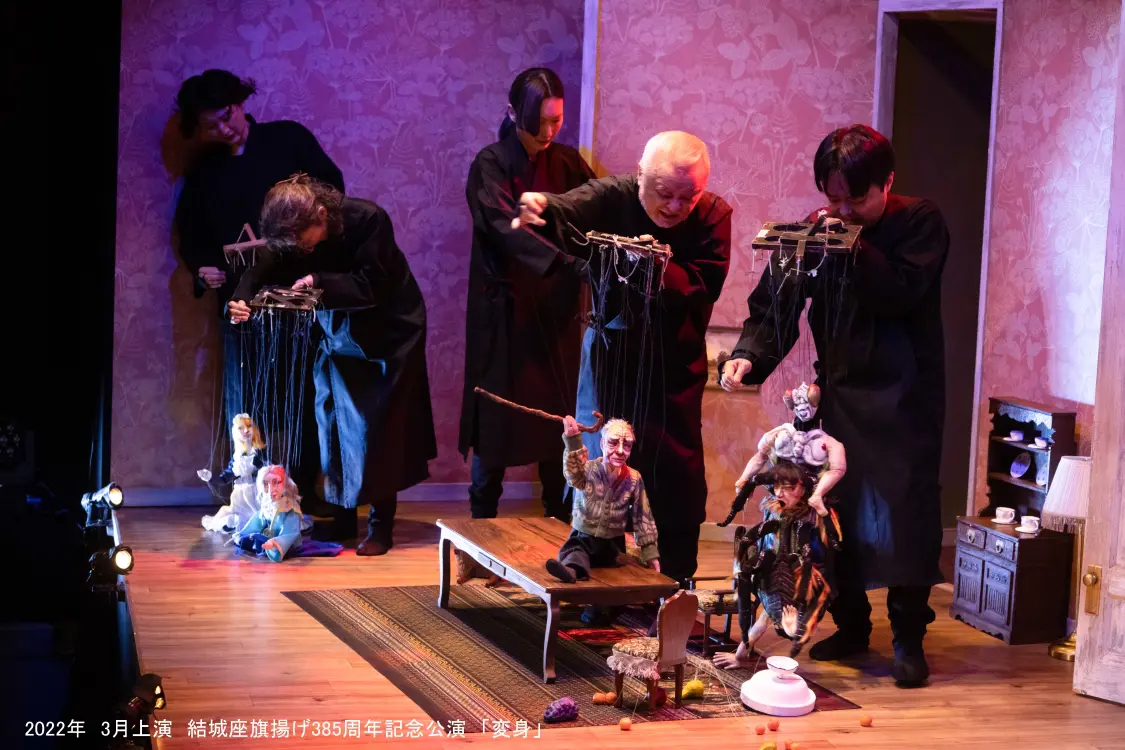
Japan’s only Edo string puppet theater troupe with over 385 years of history
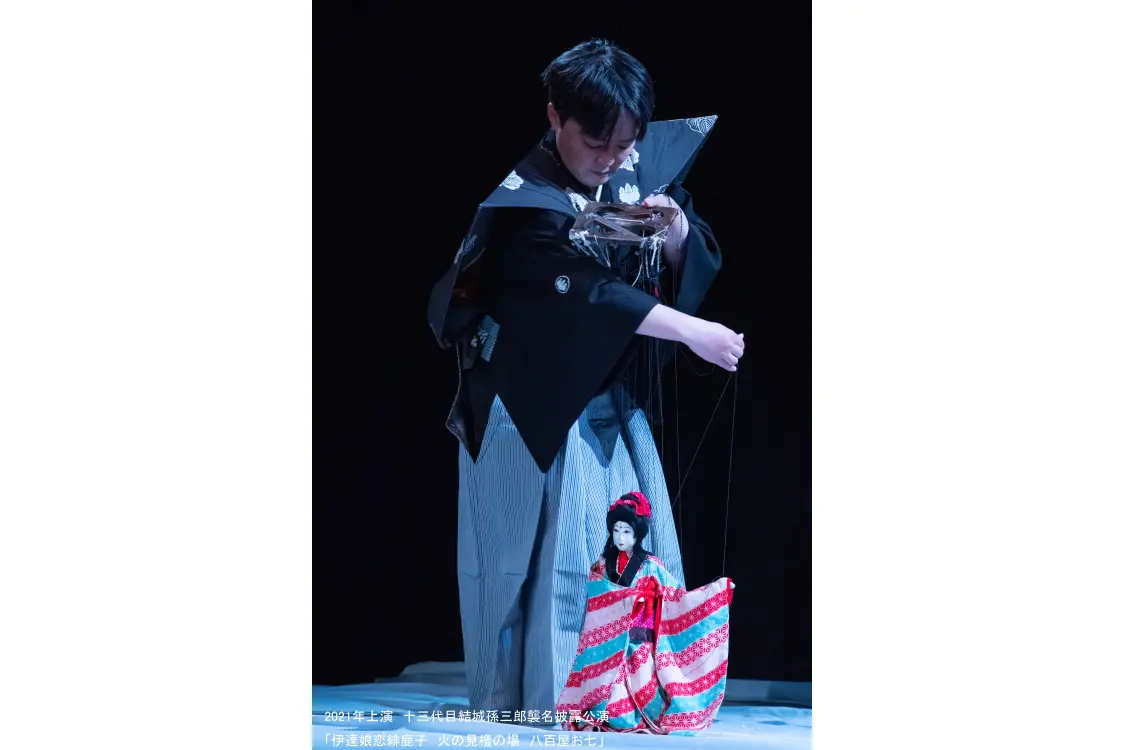
Since its founding in Kan’ei 12 (1635) during the Edo period, the Yuuki-za troupe of “Edo string puppets,” now led by the 13th generation Yuuki Mansaburo, has a history spanning about four centuries and is designated as a National Intangible Folk Cultural Property. In Japan, various forms of puppet theater, including hand-pulled, rod-operated, and string puppets, have existed for centuries, and among them, Yuuki-za has preserved the tradition of string puppets through generations. The puppets are operated using 20 to 50 strings attached to a square control board called a “teita,” creating the performance. Even making the puppet walk smoothly requires years of training, and the skillful puppeteers bring richly expressive performances that captivate all viewers.
Following the principle of “both classics and new works,” the repertoire ranges from classical performances preserving Edo-period traditions to translations of foreign plays such as Shakespeare and newly written works by contemporary playwrights.
Visit this place to fully enjoy traditional performing arts that have been carefully preserved over the centuries.
History
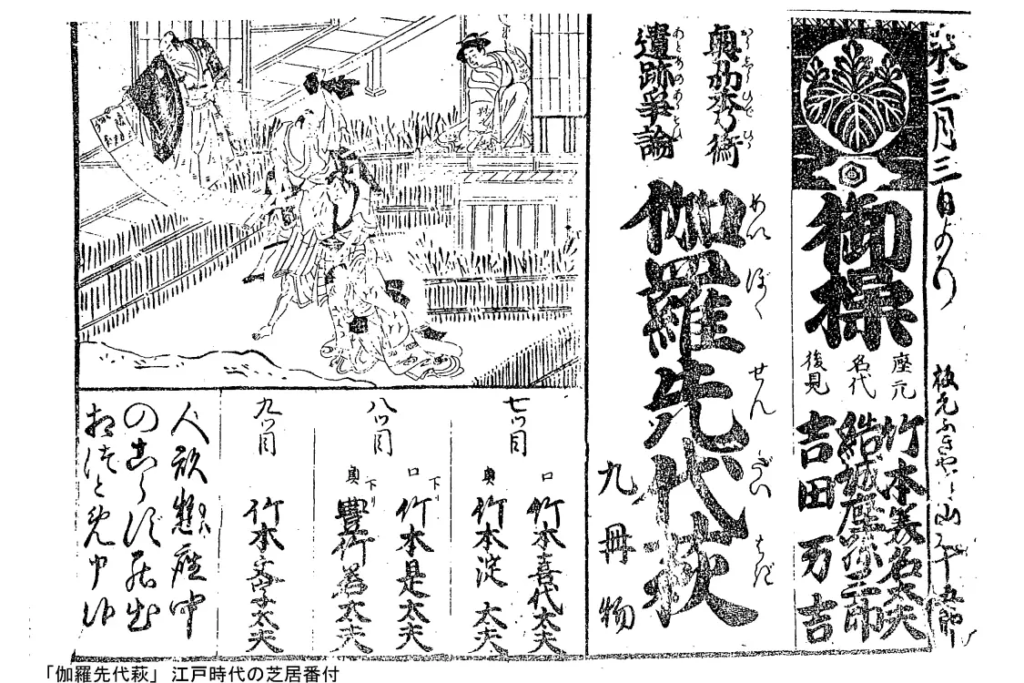
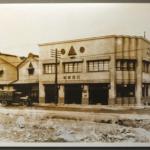
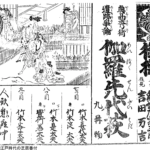
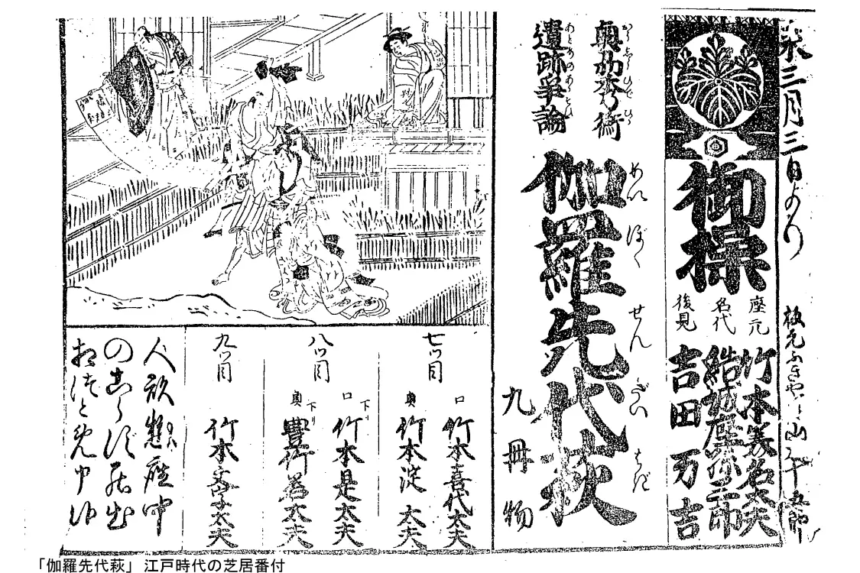
In Kan’ei 12 (1635), the first Yuuki Mansaburo founded the troupe in Nihonbashi Fukiyamachi (now Nihonbashi Ningyocho) and became officially recognized by the Shogunate. Initially performing in the Sekkyobushi style, they later shifted to Gidayu-bushi for greater expressive range, producing successive new works. A notable example is “Kara Senda Hagi,” written for Yuuki-za in 1785.
In recent years, the troupe has focused on overseas performances and international co-productions, performing in dozens of countries around the world. It was designated as a Tokyo Intangible Cultural Property in Showa 31 (1956) and as a National Intangible Cultural Property in Heisei 8 (1996).
In Reiwa 3 (2021), the 13th generation Yuuki Mansaburo was born, and with the support of veteran puppeteers like Ryokawa Senyu (12th generation Yuuki Mansaburo), the troupe is moving forward with the generational transition.
Focus here
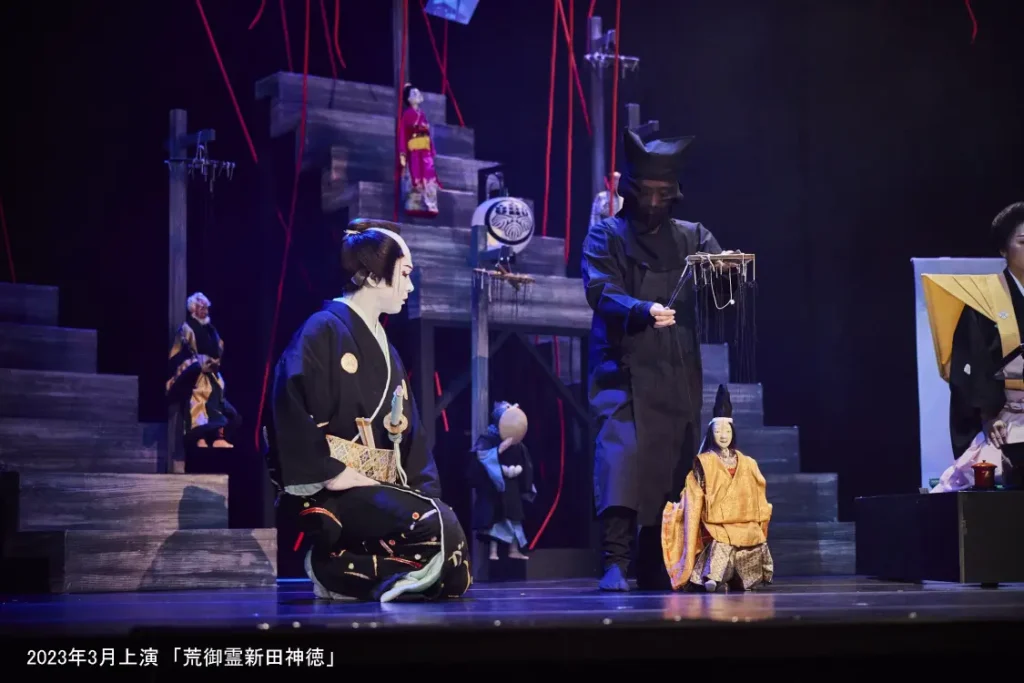
About three self-produced performances are held annually
General admission: 4,500–6,000 yen
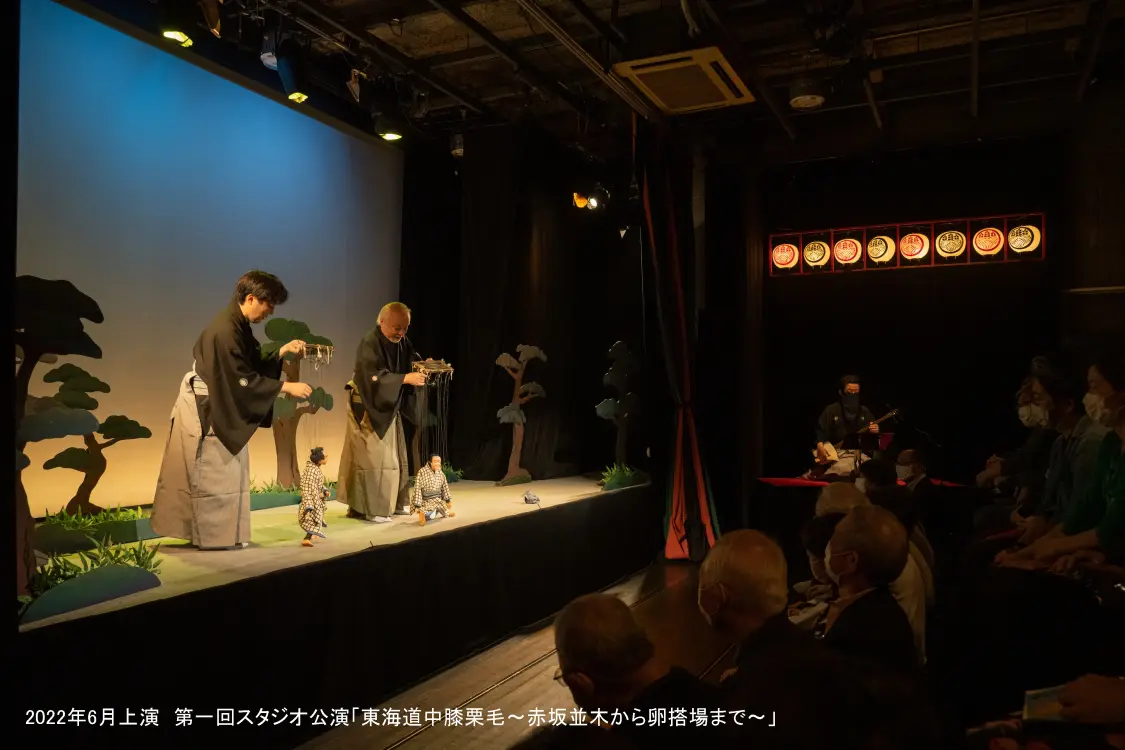
The troupe holds about three self-produced performances annually at theaters in Tokyo, changing the repertoire each time. About once a year, the usual rehearsal space, Yuuki-za Studio, is transformed into a small theater for a “Studio Performance,” allowing audiences to fully enjoy a professional stage and closely observe the delicate movements of the puppets.
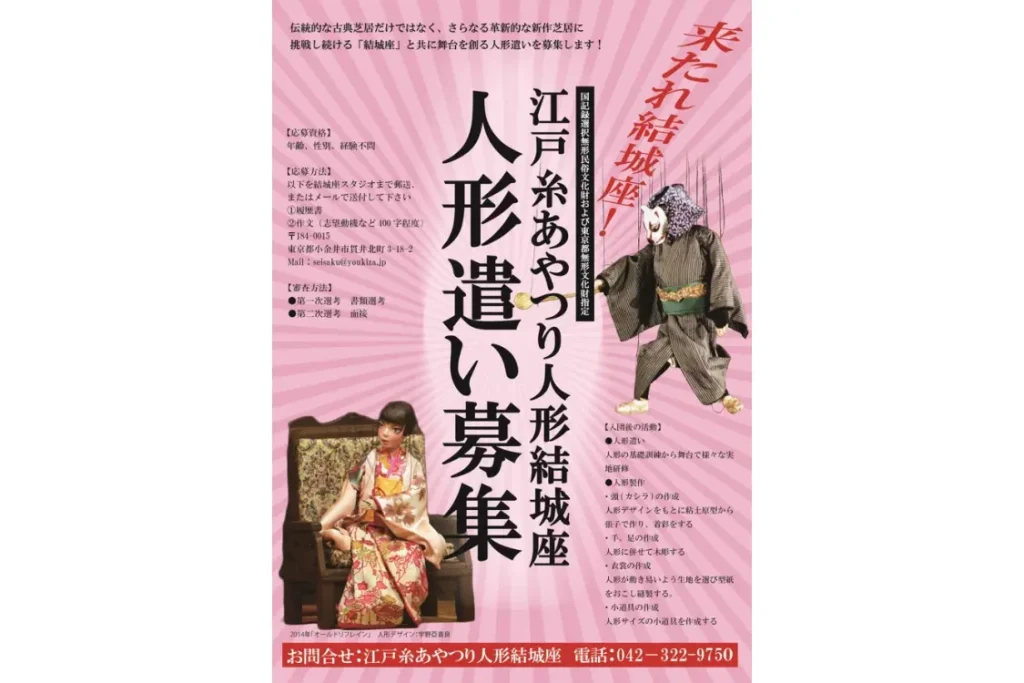
Puppeteers Wanted!
Yuuki-za is continuously seeking puppeteers to create performances not only in traditional classical plays but also in innovative new works. Age, gender, and experience do not matter! Please send your resume and statement of purpose to Yuuki-za Studio or feel free to contact them by phone.
Spot Overview
| address (e.g. of house) | |
|---|---|
| phone | |
| Business Hours | |
| regular closing day | |
| Payment Method | |
| External Links |