dagger

armour

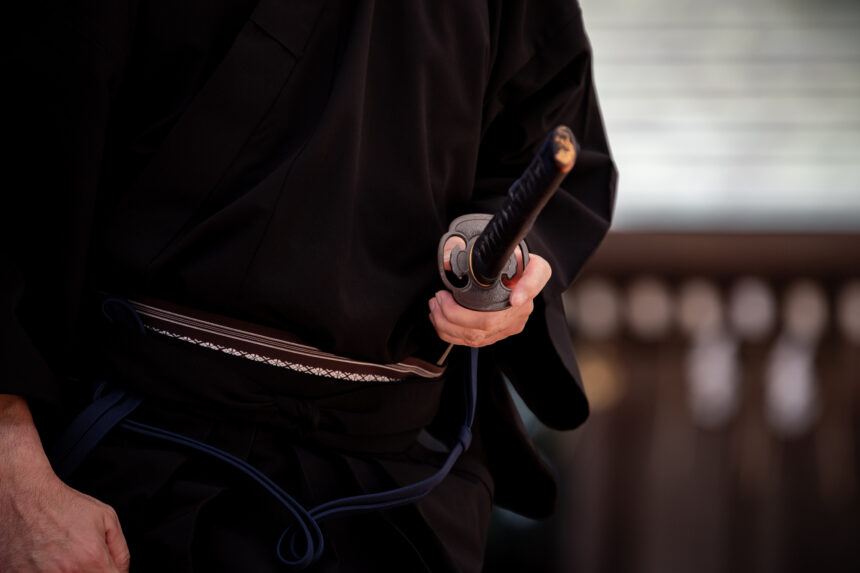
dagger(katana)

Japanese sword

Originally, the term “sword” was used to refer to all Japanese swords, including the tachi, uchigatana (sword), wakizashi (sword), and tanto (short sword), but since the Muromachi period (1333-1573), only the uchigatana has been referred to as a sword. The uchitō is a sword evolved from the tachi, with a blade length of approximately 2 shaku 3 sun to 2 shaku 4 sun (70-73 cm). During the Muromachi period (1333-1573), warfare shifted from one-on-one cavalry battles to group battles (kachi ikusa), and the uchigatana was created as a shorter sword with a shallower warp than the tachi so that the blade could be quickly removed from its sheath when fighting the enemy in front of one’s eyes. It is characterized by the fact that it is carried in a waist belt with the blade facing upward.

新着・おすすめ情報

  1. The name “Mokumegome doll” comes from the fact that the fabric is pressed into the shape of a doll.

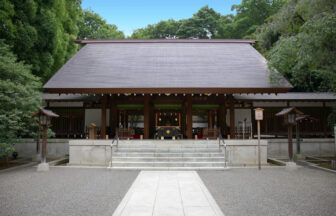
  2. Nogi Shrine (Akasaka, Tokyo)

  3. When did the Hina Matsuri (Peach Festival) begin?

  4. Enoki mushroom (Hypsipetes amaurotis)

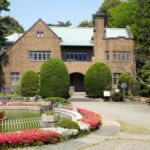
  5. Tokyo Metropolitan Teien Art Museum

  6. Developing original materials with attention to detail, starting from the fabric. Shukusen, a long-established yukata manufacturer loved by kabuki actors in the Edo period [Part 2

  7. short sword

  8. What does a “hair dresser” do? Series of Craftsmen Who Make Dolls

  9. Eitaro Fuhonshop located at the foot of Nihonbashi Bridge. Traditional techniques and a desire to “create new wagashi

  10. Nihonbashi Kuroeya deals in lacquerware from all over Japan. Protecting the goodwill through innovation, not single-mindedness.

  11. Honshiba Park (Tamachi, Tokyo)

  12. Araiyakushi Umeshoin

  13. Tobifudo Shohoin Temple (Minowa, Tokyo)

  14. Shinjuku Gyoen

  15. Matsui Sake Brewery once closed. A closer look at the creative sake brewing process at the revived brewery.