Asukayama Park

Parks & GardensIkebukuro/Akabane

Asukayama Park(Asukayama Park)

cherry blossom viewingmuseumJapanese-style gardencherry treeimportant cultural property

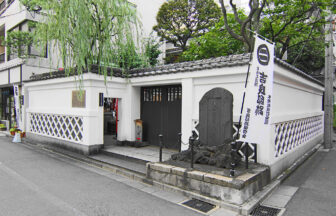
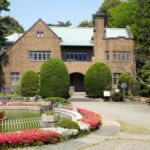
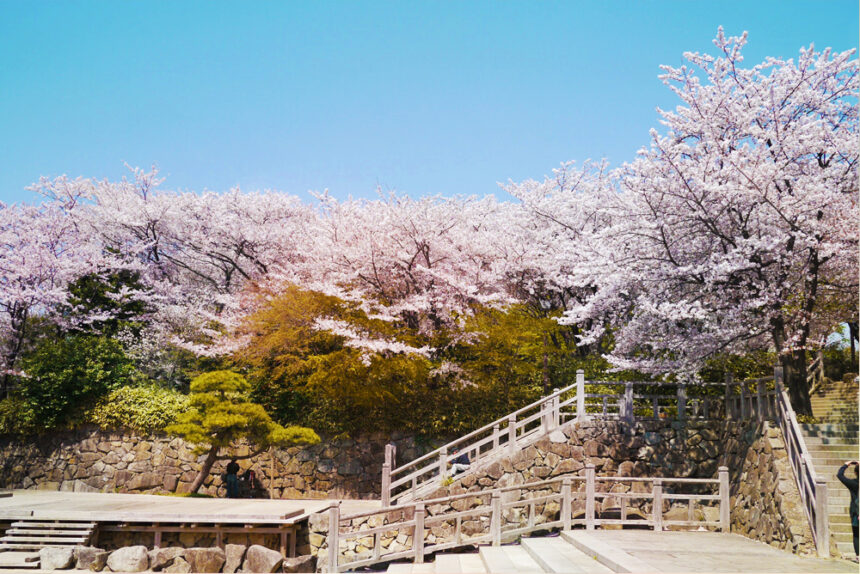
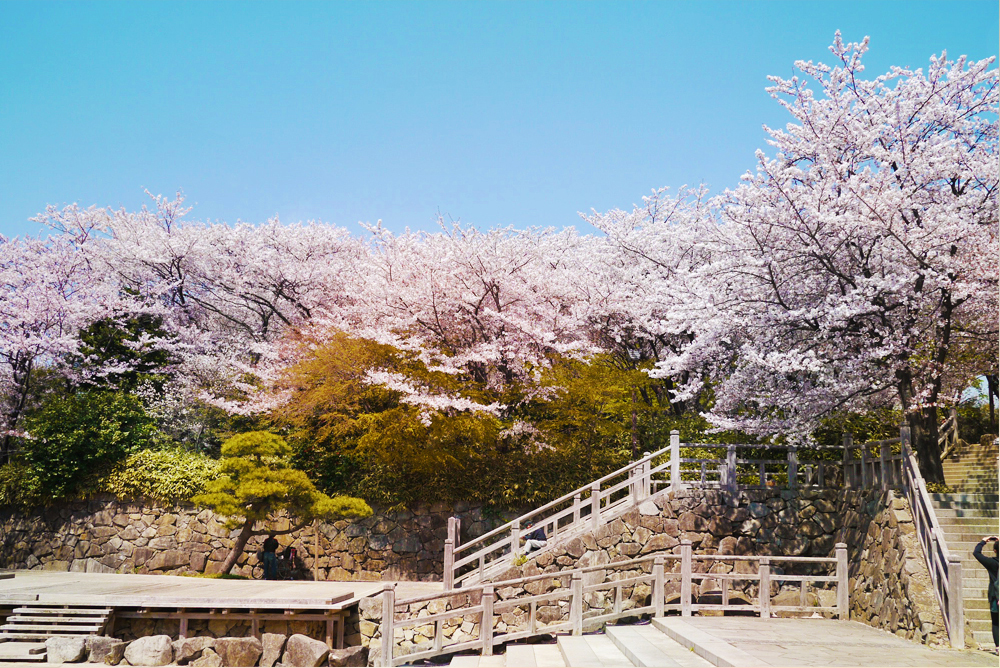
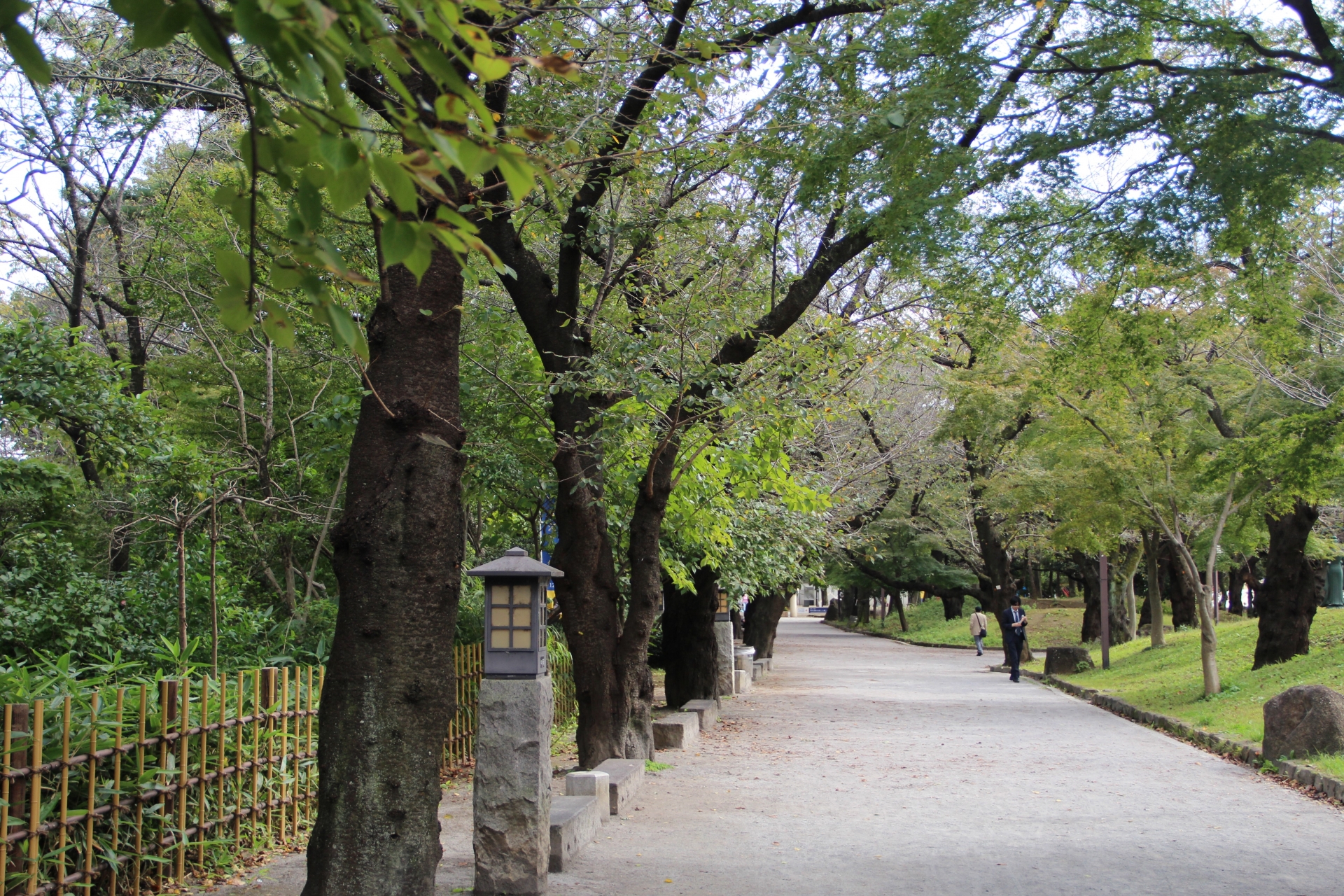
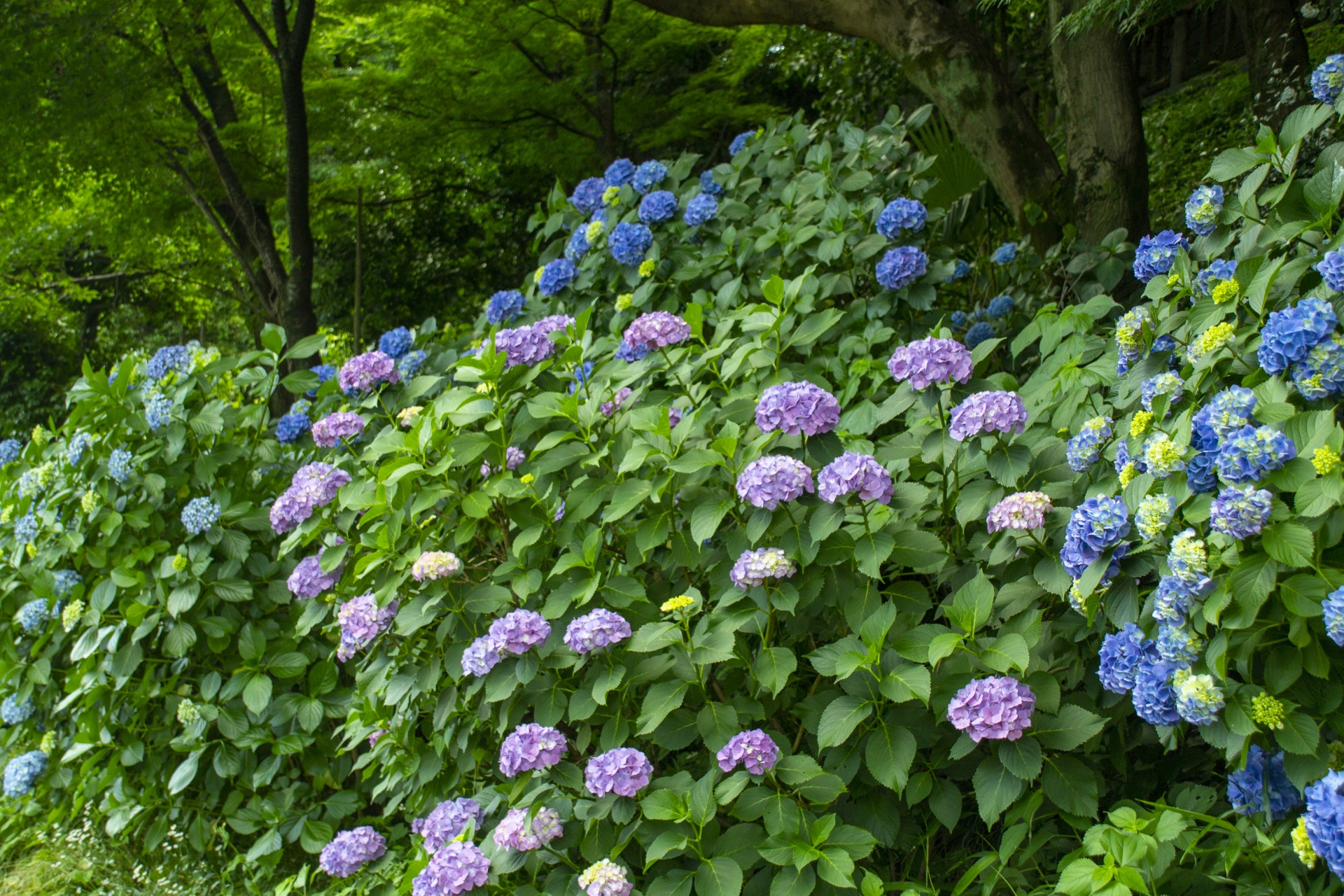
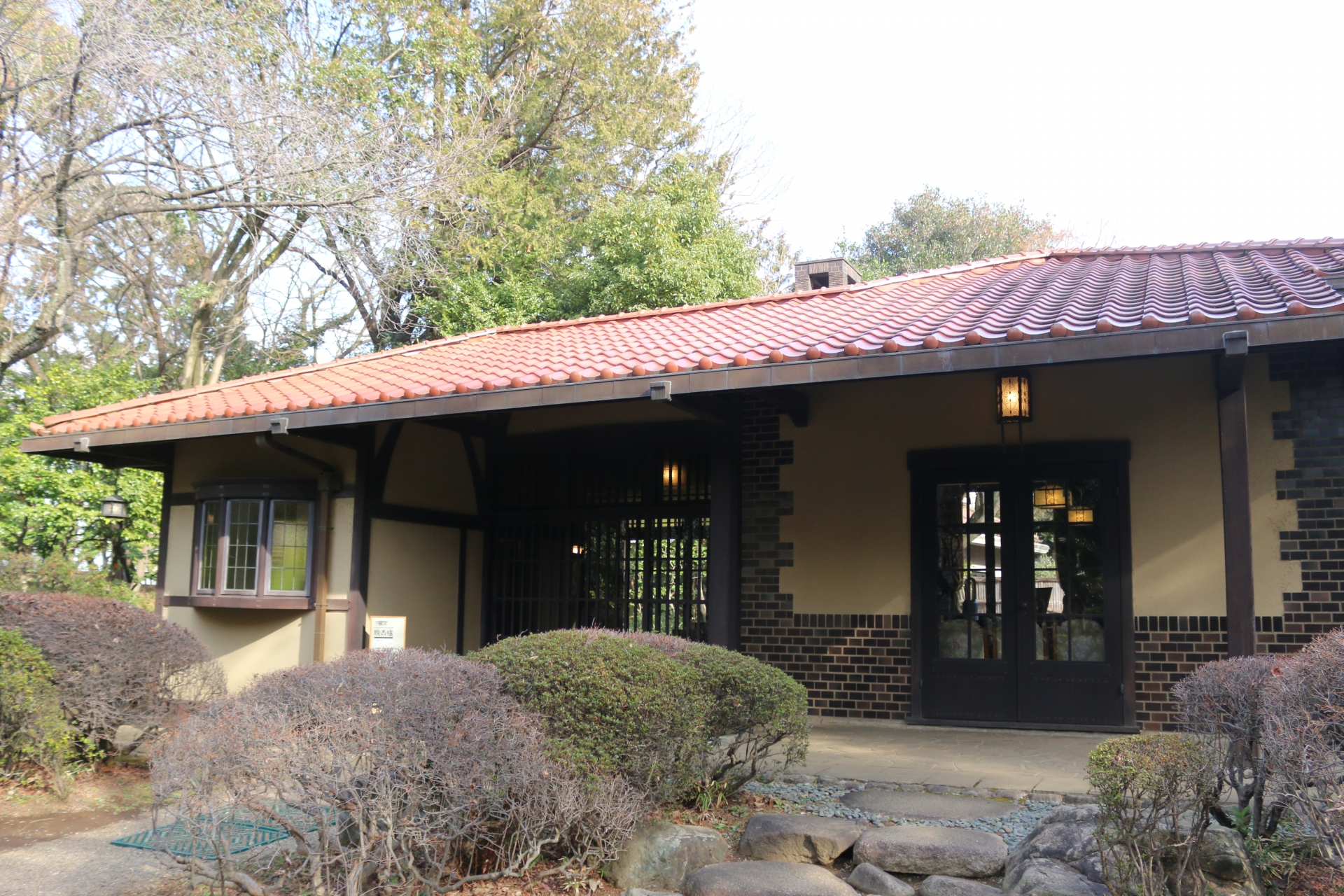
Asukayama is known to have been developed and built about 300 years ago by Tokugawa Yoshimune as part of his Kyoho reforms. Yoshimune planted cherry trees to make Asukayama a place of recreation where the common people of Edo could enjoy cherry blossom viewing, and he himself held a banquet at Asukayama to advertise the area as a famous cherry blossom viewing spot. In 1873, the park was designated as “Japan’s first park. The remains of Eiichi Shibusawa’s former residence still remain in the Shibusawa Garden, which is designated as a National Important Cultural Property under the name “Former Shibusawa Family Asukayama Residence. There are also playground equipment for children and three museums (Kita-ku Asukayama Museum, Paper Museum, and Shibusawa Museum) for both adults and children to enjoy.

Spot OutlineOutline

address (e.g. of house) 1-1-3, Oji, Kita-ku
Access Short walk from JR Oji Station

phone 03-5980-9210
Business Hours 24 hours (Shibusawa Garden is open from 9:00 to 16:30, excluding other facilities such as museums)
regular closing day nashi (Pyrus pyrifolia, esp. var. culta)
External Links

Official Web Site

Founding and opening of business Edo period (1603-1868 CE)

新着・おすすめ情報

  1. Shinko Matsuri (torch festival) is held at Kameido Tenjinja Shrine! A solemn spring fire festival in memory of Sugawara no Michizane

  2. Note that the contents of “soup” differ between kaiseki and kaiseki cuisine.

  3. Yagiri no Ferry (Shibamata ferry terminal)

  4. Hanamaki soba

  5. Shimonotani Ruins Park (Higashifushimi, Tokyo)

  6. Tokyo Literature Walk] No. 2: From Hongo to Sendagi via Slopes and Alleys, Touring the Former Residences of Modern Literary Greats

  7. Samurai dolls” for Dragon Boat Festival. When did they come to be displayed?

  8. Manners for the Mid-Summer Gift Giving Year 2023 Edition: When to Give, Who to Give it to, How to Give it to Someone, and How to Hang a Wrapper.

  9. Tokyo Station Hotel (Marunouchi, Tokyo)

  10. What is the origin of the name “Yamato Doll”? What kinds of dolls are there?

  11. Definitions of “Daiginjo-shu” and “Junmai Daiginjo-shu” [Words Related to Sake].

  12. 【第4回】「関東の蕎麦、関西のうどん」食べ方を見ればその人の出身地が分かる

  13. What is “moromi”? Words related to sake

  14. Tsutanoya” was established in 1937 and supports Japan’s fish-eating culture with its delicious taste. What is “Kyoka-zuke”, an evolution of Saikyo-zuke?

  15. Hatoyama Kaikan (Otowa, Tokyo)