190 years after his death Kisame

Holding period

2023.02.08 〜 2023.03.26

Works by Kime, a late Edo period potter and painter, are all in one place.

This exhibition commemorates the 190th anniversary of the death of MOKUBEI, a literati potter and painter representative of Kyoto in the late Edo period. In his thirties, he came across a book on ceramics written by the Chinese potter Zhu Yan (朱琰), entitled “Theories of Ceramics,” and began to devote himself to ceramic art in earnest. He produced a wide range of works, from sencha (tea ceremony utensils) to chado (tea bowls), ceramics used in the tea ceremony. He also began painting energetically in his late fifties. Characterized by their purity and free-spiritedness, many of his landscapes were gifts to friends.

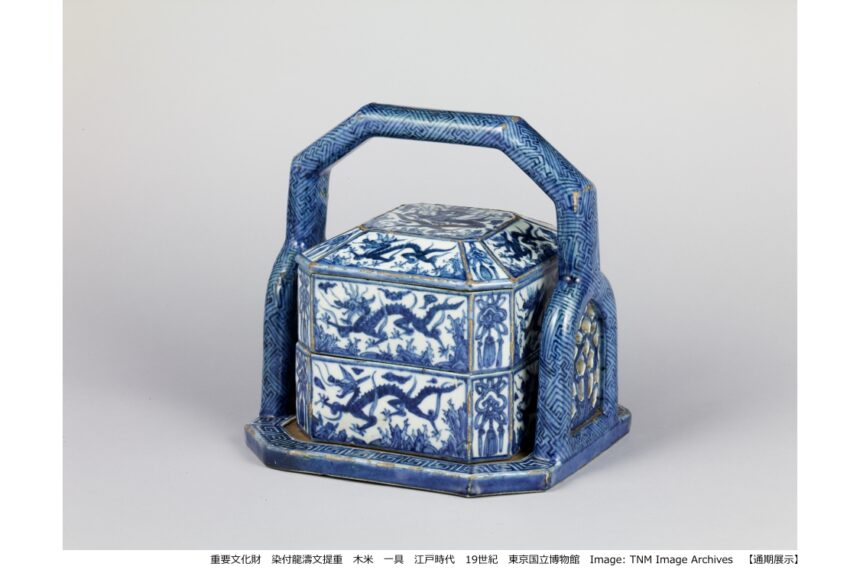
This exhibition brings together some of Kume’s most unique and outstanding masterpieces, which were admired by the literati of the time. In addition, under the slogan of “The Man of Letters, Kigome and His Delightful Friends,” letters Kigome wrote to his friends will also be on display. Visitors will be able to experience the full range of Kigome’s art from a variety of perspectives.

Event SummaryOutline

Location Suntory Museum of Art 3F Galleria, Tokyo Midtown, 9-7-4 Akasaka, Minato-ku, Tokyo
Access Directly connected to Roppongi Station on the Toei Subway Oedo Line and Tokyo Metro Hibiya Line, 3 minutes from Nogizaka Station on the Tokyo Metro Chiyoda Line

Holding period Wednesday, February 8, 2023 – Sunday, March 26, 2023
Opening Hours 10:00-18:00, until 20:00 on Fridays and Saturdays (last admission 30 minutes before closing)
*Hours are subject to change; open until 20:00 on Wednesday, February 22 and Monday, March 20.
Contact Us 03-3479-8600
admission fee 1,500 yen
closed day Open until 18:00 on Tuesdays and Tuesday, March 21
Related Links Official Site

新着・おすすめ情報

  1. Special Exhibition “Tofukuji Temple

  2. Tokyo Ajiwai Festa 2022 TASTE of TOKYO

  3. The 44th Koganei Awa Odori Dance

  4. Kabuki-za Makuhari Market in Haneda Airport Garden” will be held!

  5. The World of Embroidered Paintings: The Beauty of Japan in the Meiji and Taisho Periods

  6. Nihonbashi Ebisu Kou “Bettara Ichiba”, a traditional event that has continued since the Edo period

  7. Fukagawa Hachiman Festival (Tomioka Hachiman Shrine annual festival)

  8. Yushima Tenjin Ume Festival

  9. The “Beloved Japanese Sweets” Exhibition

  10. Hokusai and his rivals

  11. Arita: The History of Luxury and the Modern Age

  12. Hie Shrine Sanno Festival

  13. Lantern Festival (46,000 days)

  14. Kiyose Virtual Sunflower Festival

  15. Hundred Poems by Hokusai Kakeru Hyakunin Isshu