

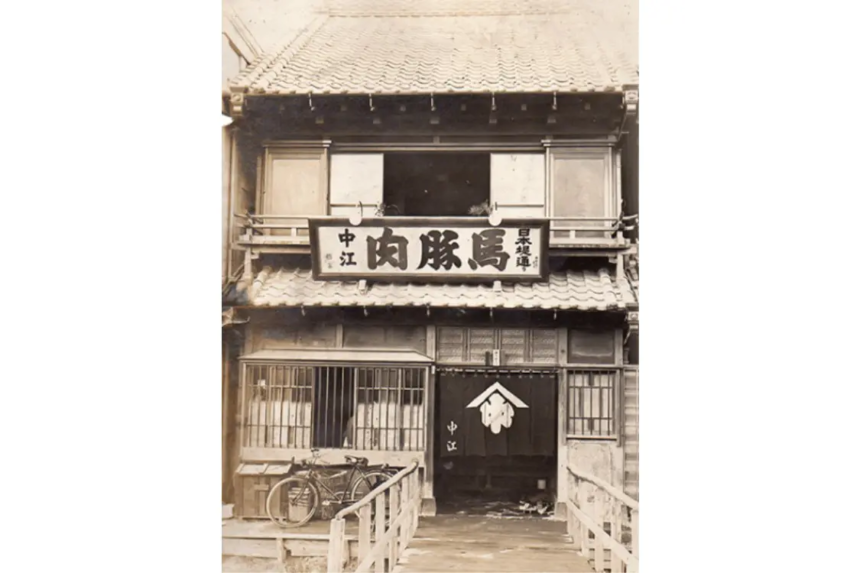
Founded in 1905 (Meiji 38)
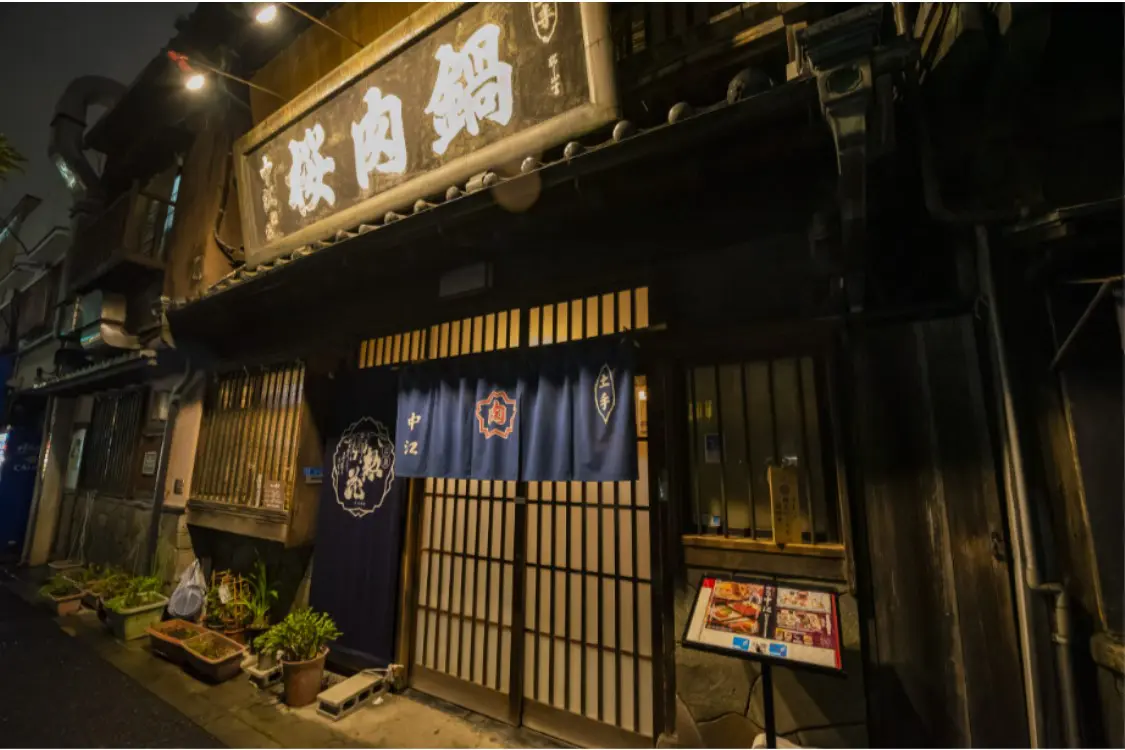
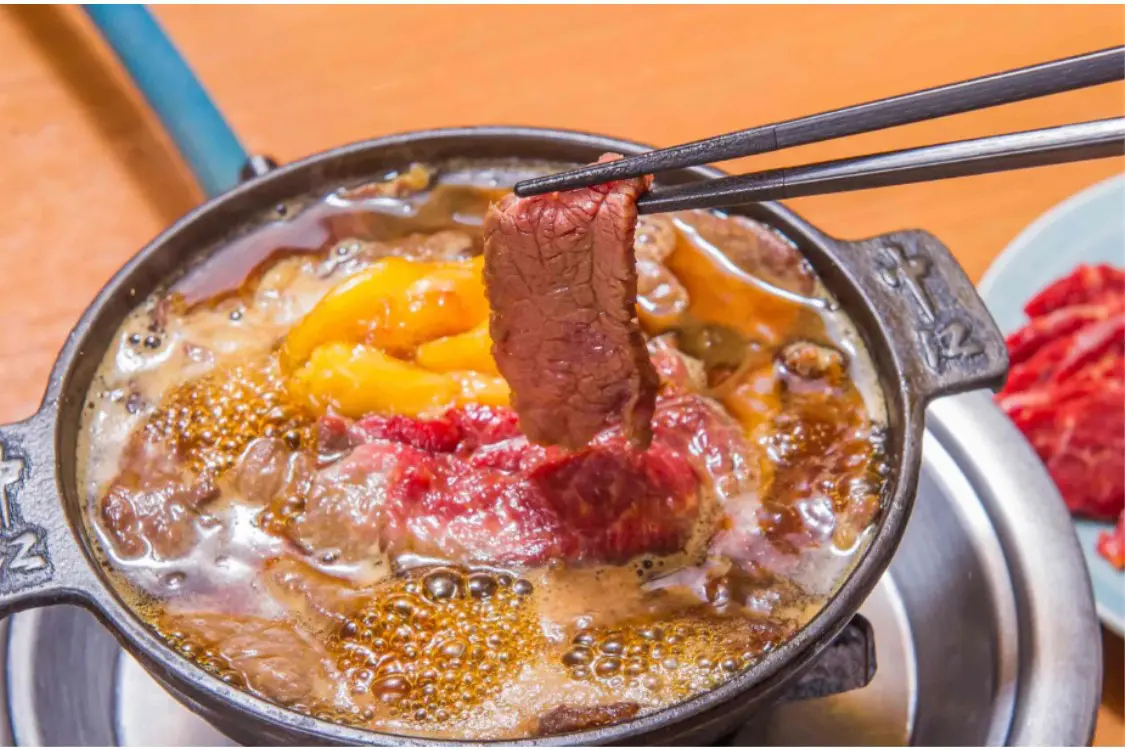
They have been making Edo’s traditional local cuisine for 118 years. A long-established sakura-nabe restaurant continuing since the Meiji era.
The Yoshiwara and Nihonzutsumi area is depicted in one of Hiroshige Utagawa’s “One Hundred Famous Views of Edo.” Since the Yoshiwara pleasure district was once nearby, the area was lively as an entertainment district. “Sakura-nabe,” horse meat simmered in warishita sauce with miso added as a hidden flavor, became a specialty here. It was enjoyed not only for lunch, but also as a meal before visiting the pleasure district or as late-night food.
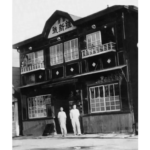
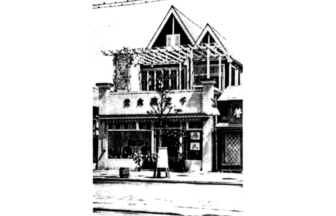
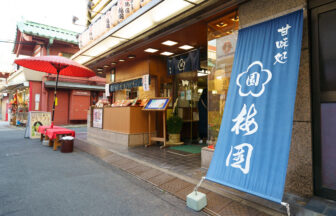
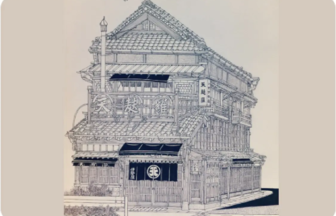
The restaurant that has continued serving this sakura-nabe since the Meiji era is “Sakura Nabe Nakae.” The wooden building seen when walking from Minowa Station on the Tokyo Metro along Dote-street is registered as a National Tangible Cultural Property. The recommended dish is, of course, sakura-nabe made with premium horse meat. The meat is exclusively provided for Nakae from “Konomi Farm” in Kurume, Kyushu, where pure domestically raised horses are raised with abundant marbling. Another key point is that the meat is delivered chilled, not frozen, directly from the farm so that its original flavor is not lost.
There used to be more than 20 sakura-nabe restaurants in the Nihonzutsumi area, but now Nakae is the only one remaining. Why not enjoy delicious sakura-nabe in a building where tradition and history can still be felt?
History
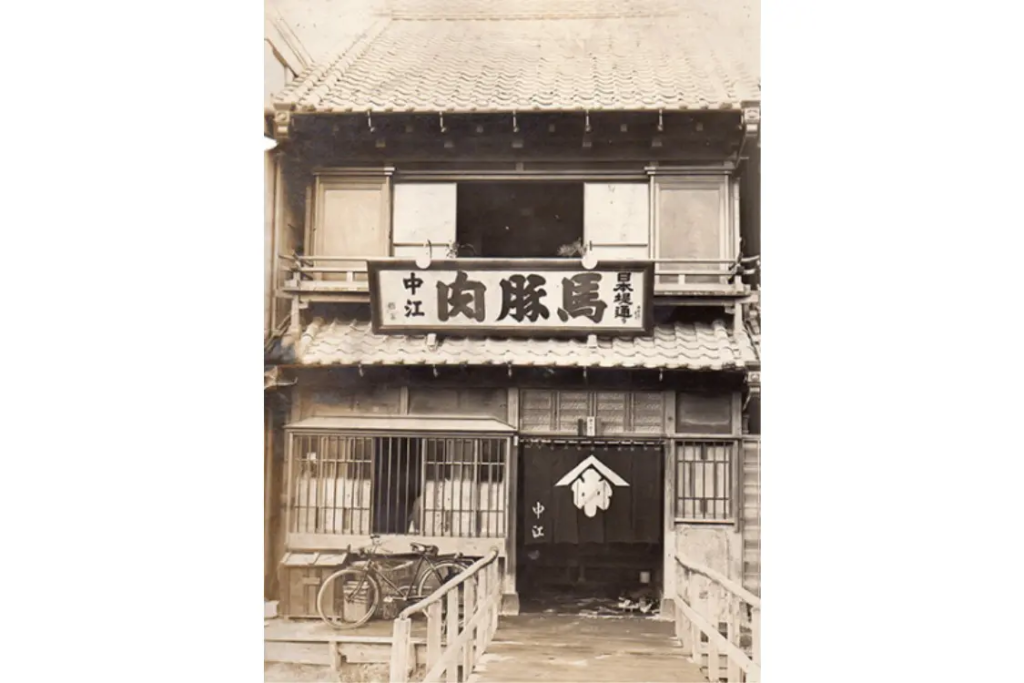
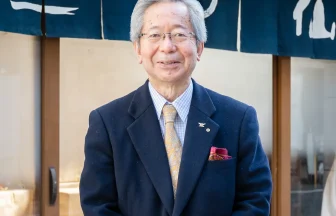
In 1887 (Meiji 20), the first owner, Kotaro Nakae, came to Tokyo from Niigata and began training in Kuromon-cho (now Ueno, Taito-ku, Tokyo). He opened “Sakura Nabe Nakae” at its current location in 1905 (Meiji 38). After surviving events such as the Great Kanto Earthquake, which destroyed the building, and World War II, the fourth-generation owner, Hakushi Nakae, now carries forward nearly 120 years of history and traditional flavor.
This Notable Item
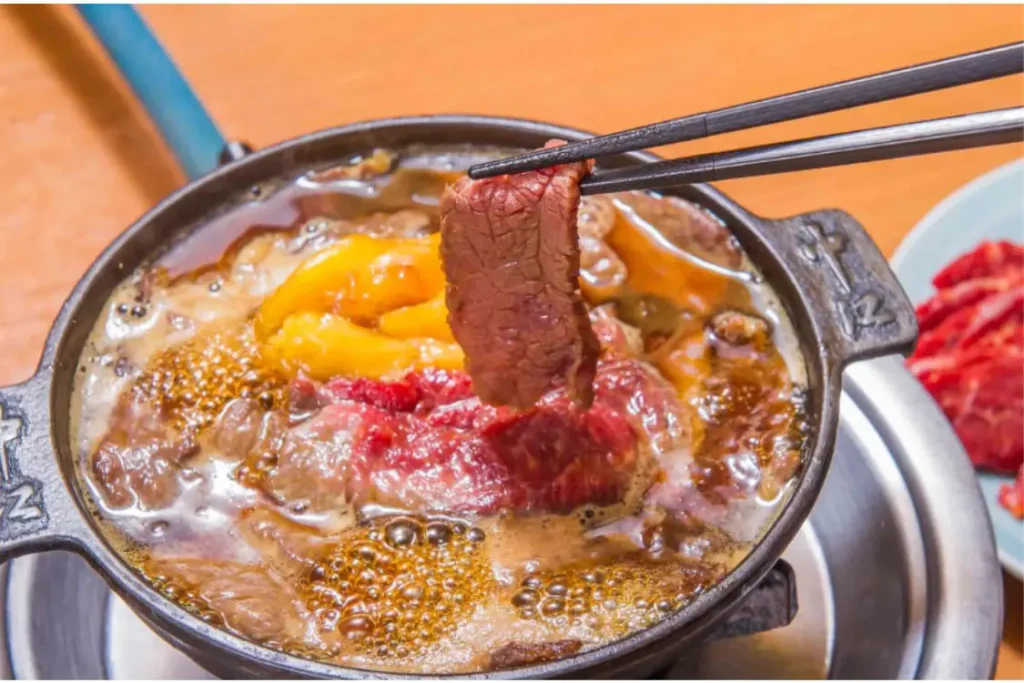
Sakura Nabe
From 2,980 yen (with Nakae’s exclusive premium domestic horse meat)
Originating from Yoshiwara, this Tokyo local dish carries more than 110 years of flavor and history. The rich taste and melt-in-the-mouth tenderness of the meat fill your mouth.
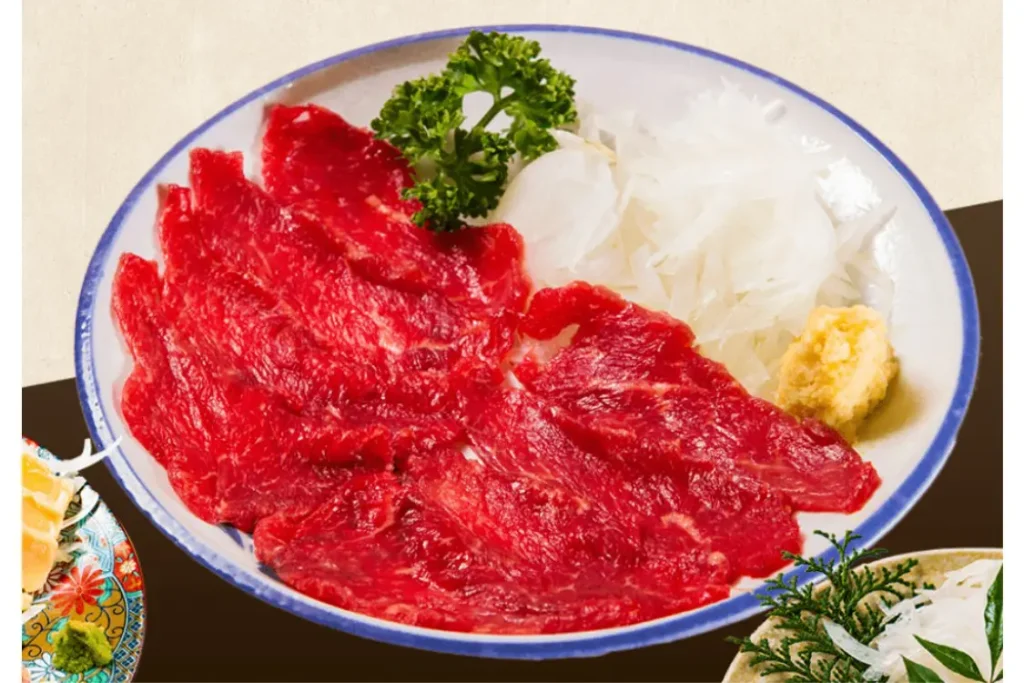
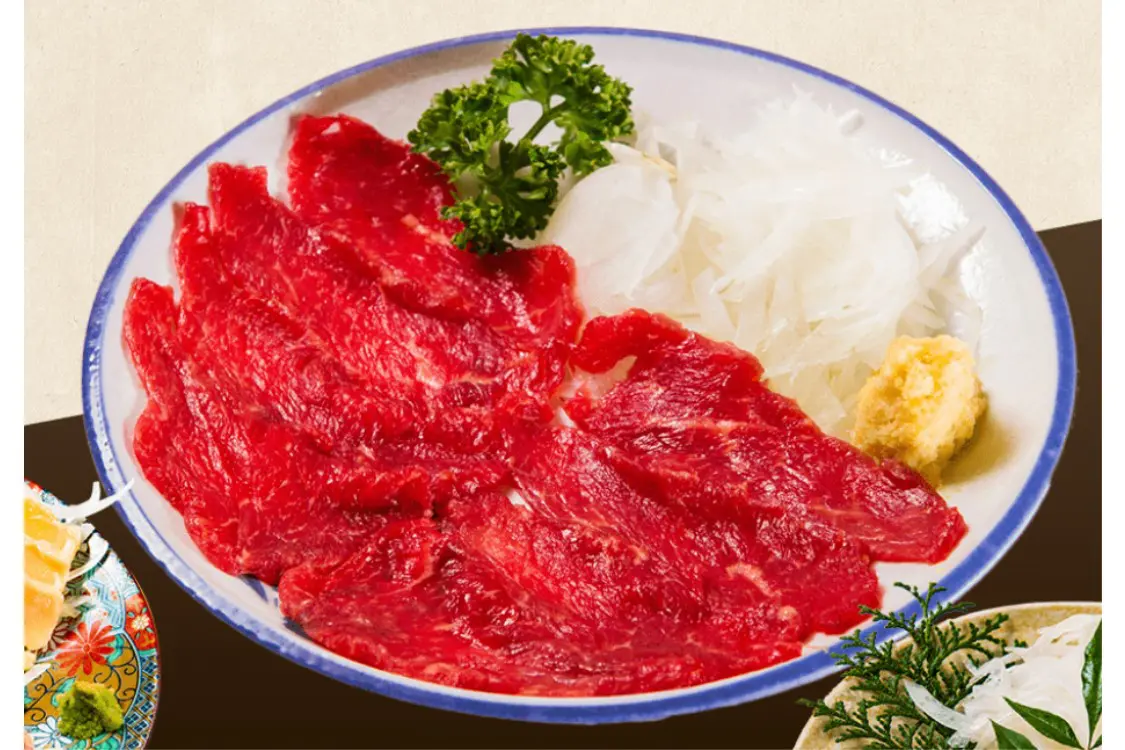
Basashi (Horse Sashimi)
From 2,980 yen
The meat used is pure domestically raised sakura meat, exclusively produced for Nakae at “Konomi Farm” in Kurume, Kyushu. It is said that the exquisite flavor of premium horse sashimi can truly be appreciated only when enjoyed raw.
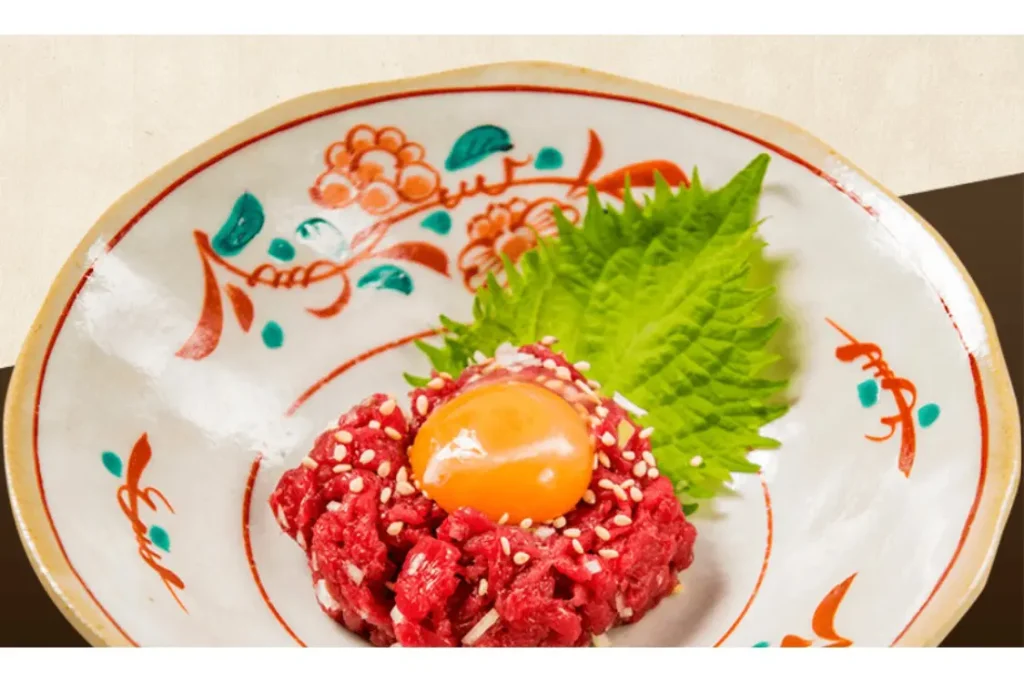
Nakae Specialty “Taro-Taro Yukhoe”
3,480 yen
This dish was created at the request of painter Taro Okamoto, who was a regular customer. The name “Taro-Taro” is said to come from his name. It is one of Nakae’s signature menu items.
Spot Overview
| address (e.g. of house) | |
|---|---|
| phone | |
| Business Hours | |
| regular closing day | |
| Payment Method | |
| External Links |