

Founded in the first year of Shōtoku (1711)
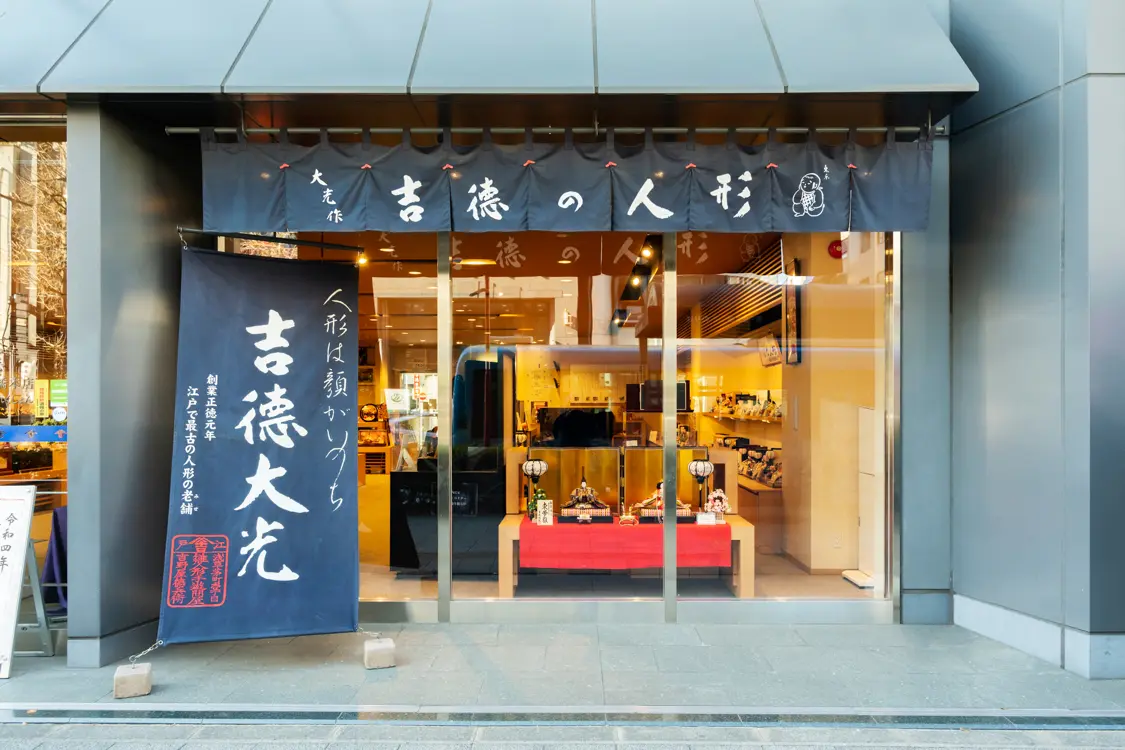
More than 300 years of continuous innovation. Festival dolls where tradition and modern styles live together.
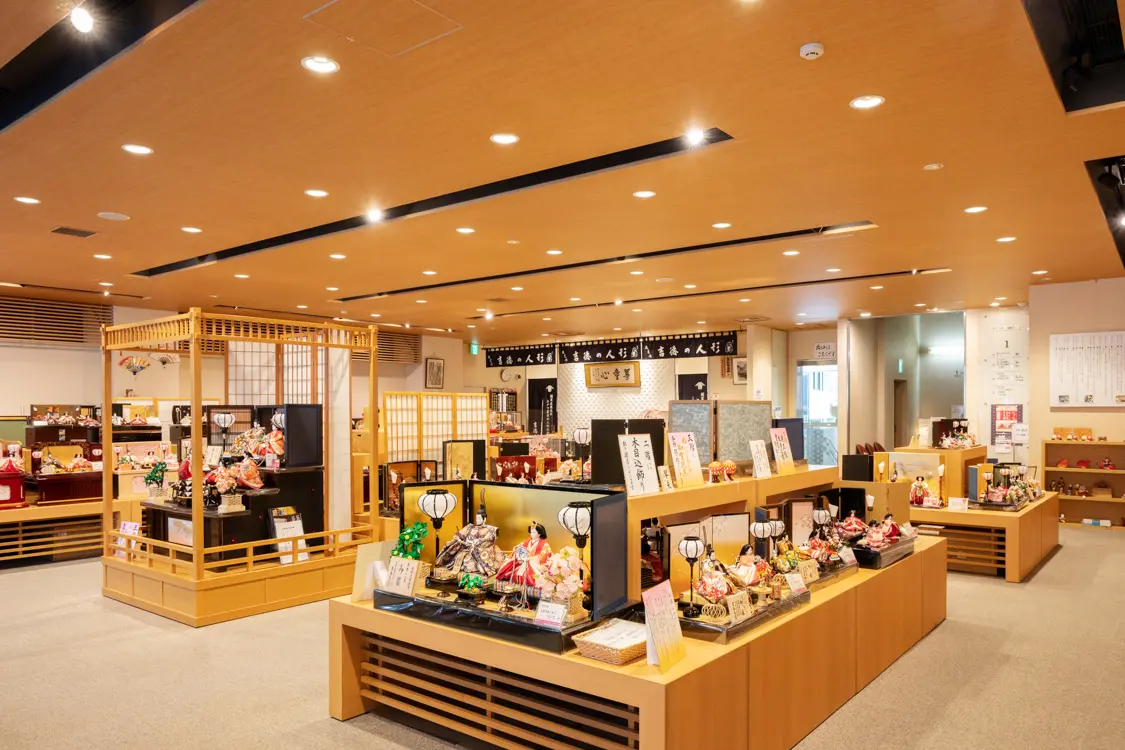
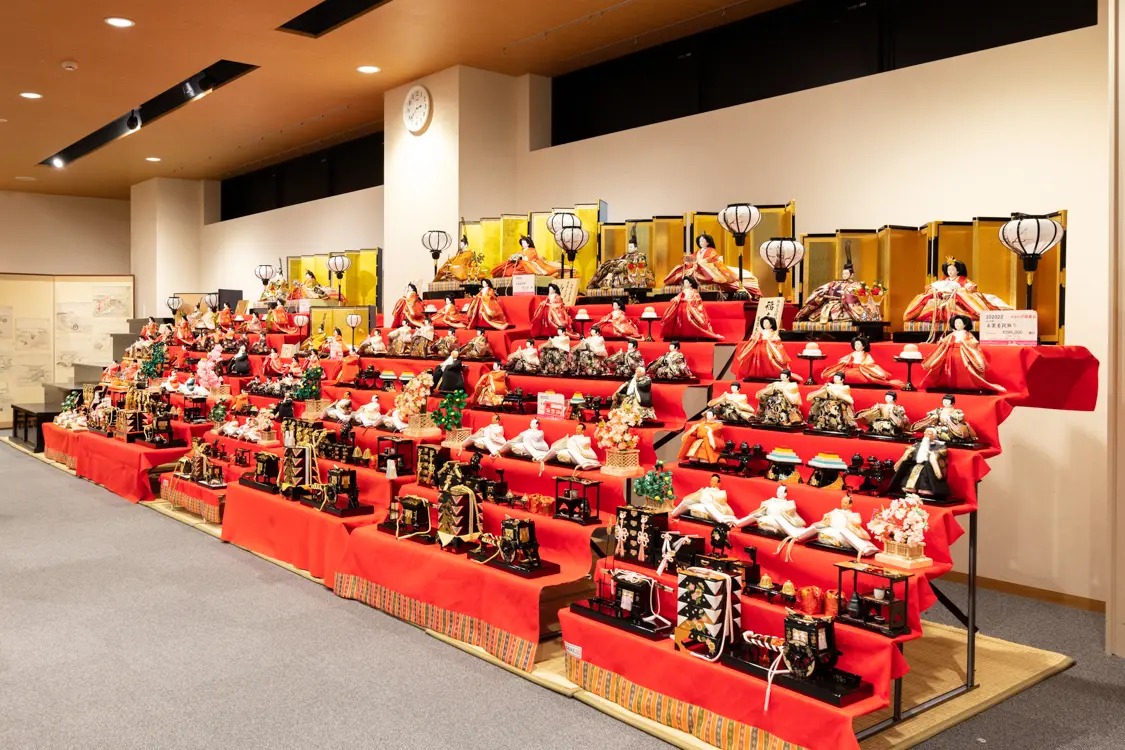
When you step inside, beautiful dolls line the store. In January, when we visited before the Doll Festival, graceful Hina dolls welcomed us.Looking closely at each doll’s face, you can feel its individuality and beauty, which makes the well-known catchphrase “The face is the life of the doll” make perfect sense.
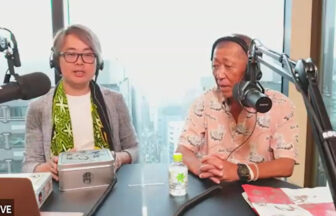
“The face clearly reflects the artisan’s skill. It is no exaggeration to say that the beauty of the face determines the quality of the doll,” says the 12th head, Tokubei Yamada.Preferences differ when choosing Hina dolls, but Yoshitoku dolls all have elegant and refined faces.
Hina dolls are made through a division-of-labor system. Many groups of craftsmen work on each part — the face, hair, body, limbs, clothing, and tools — and the production process involves hundreds of steps.Yoshitoku acts like a producer or director, conveying the image and giving instructions to these craftsmen to create dolls unique to Yoshitoku.And while sensitively adapting to the demands of the times, they have always responded to customers’ needs with fresh ideas.
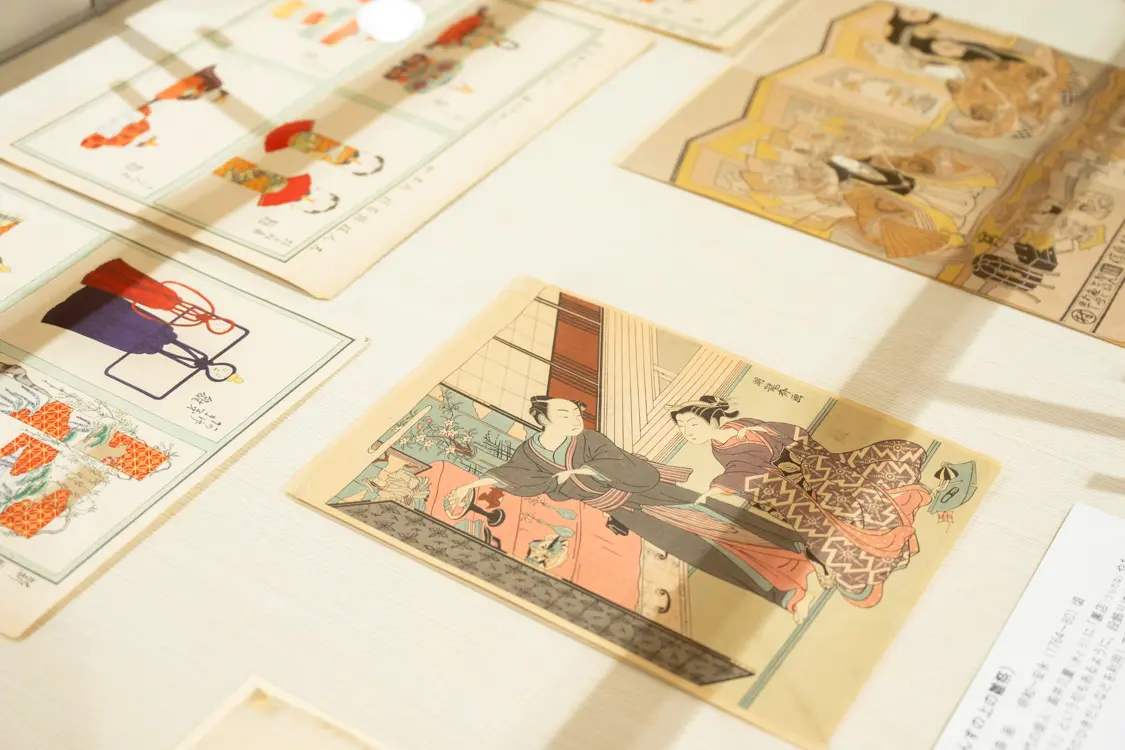
On the 4th floor of the main store is the “Yoshitoku Collection Exhibition Room,” where you can see dolls and materials collected by the 10th head, a leading researcher of Japanese dolls and toys.Many of the items in the collection are designated Tangible Folk Cultural Properties of Taito Ward, and they are truly overwhelming to behold.Learning about the depth of Japanese dolls makes the process of choosing one even more enjoyable.
History
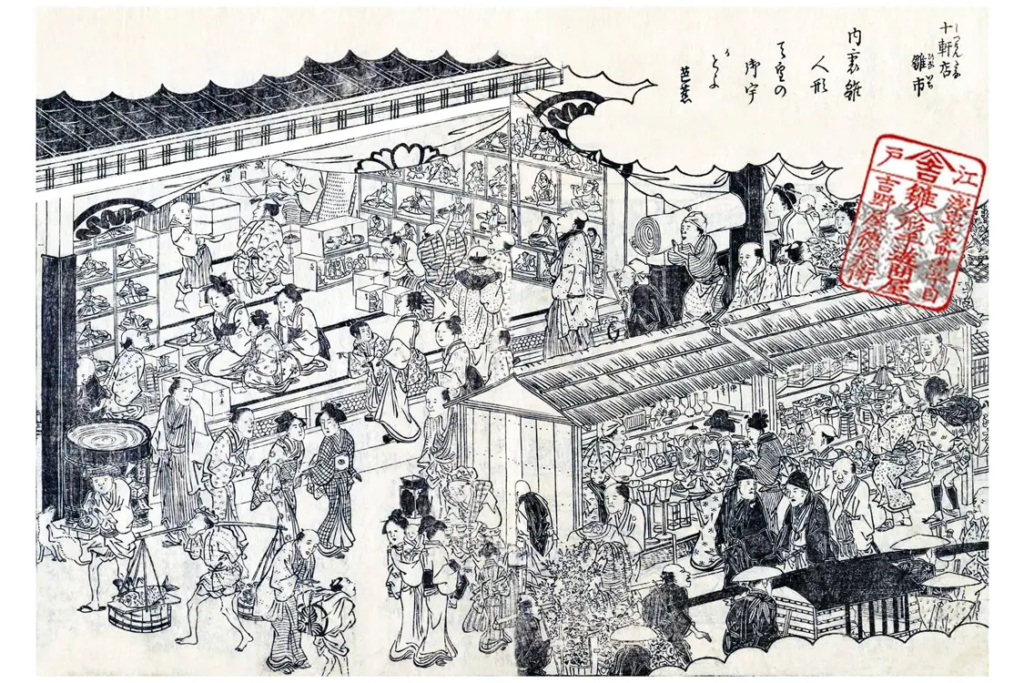
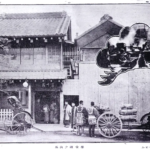
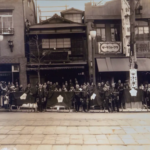
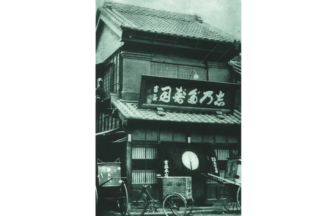
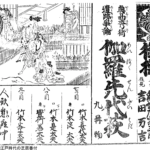
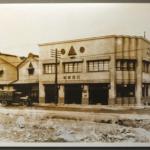
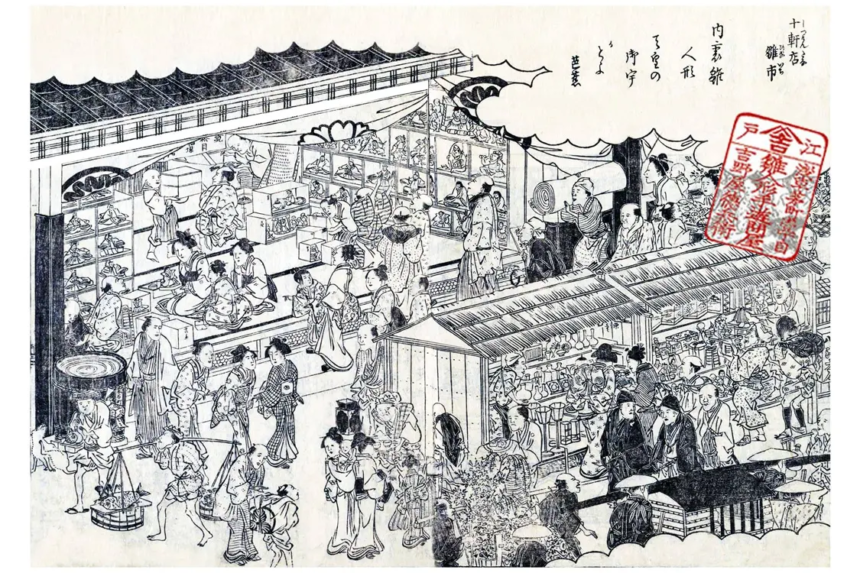
It is the oldest doll shop in Tokyo, founded by the first Jirōbei in Asakusabashi, where the main store still stands today.In the first year of Shōtoku (1711), they received the shop name “Yoshinoya” from the 6th shogun, Ienobu Tokugawa, and regard that year as their founding year.From the 6th generation onward, each head took the name Tokubei Yamada, so the store name Yoshinoya and the name Tokubei were combined to form the official company name “Yoshitoku” in 1873.In addition to Hina dolls and Boys’ Festival dolls, they have expanded their lineup over time to include items such as stuffed toys.Today, they operate not only the main store in Asakusabashi but also branches nationwide.
Hina dolls celebrate the birth of a new life and pray for a child’s healthy growth.
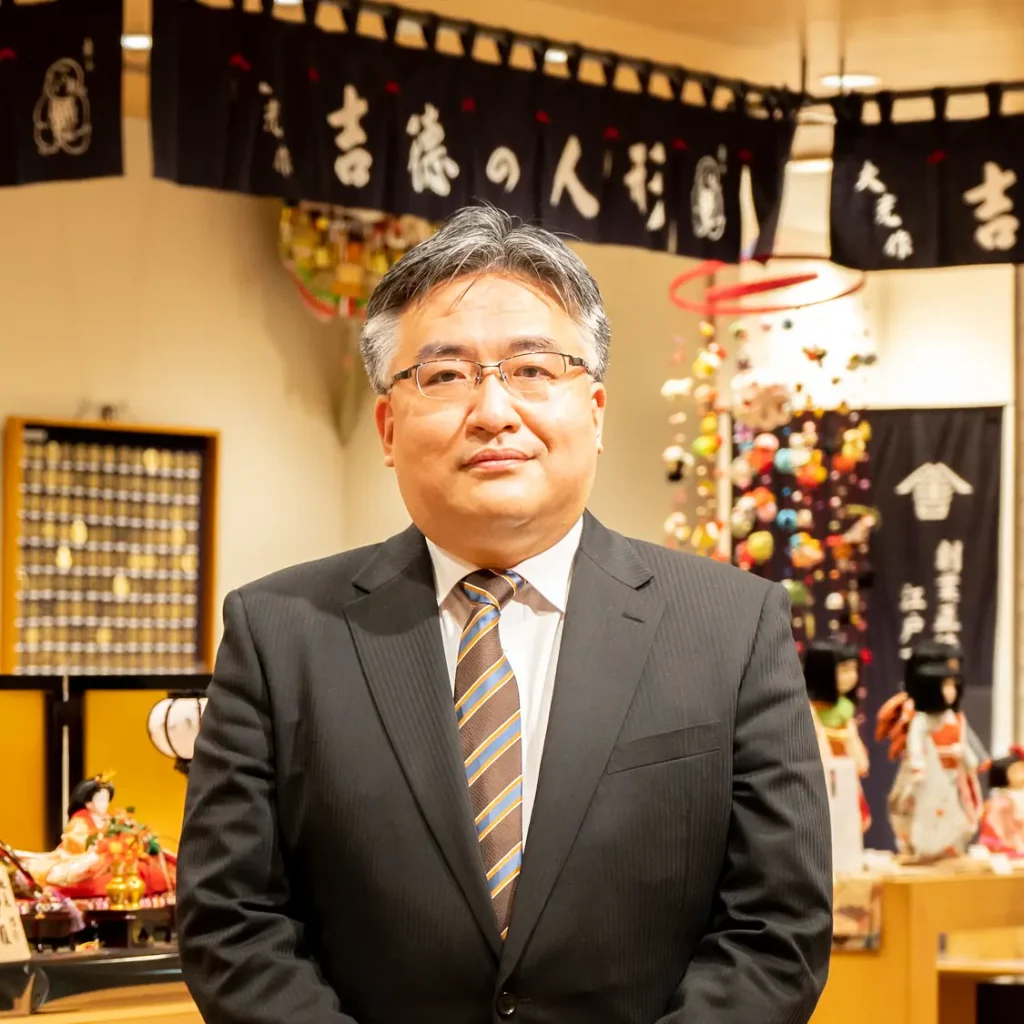
Tokubei Yamada
The 12th head of Yoshitoku
Festival dolls are not only beautiful toys but also symbols celebrating a child’s birth, warding off misfortune, and wishing for healthy growth.The feelings families have for their children have not changed from the past to today.We believe it is our important role to help pass down Japanese customs and encourage people to appreciate dolls filled with traditional Japanese culture.
This Notable Item
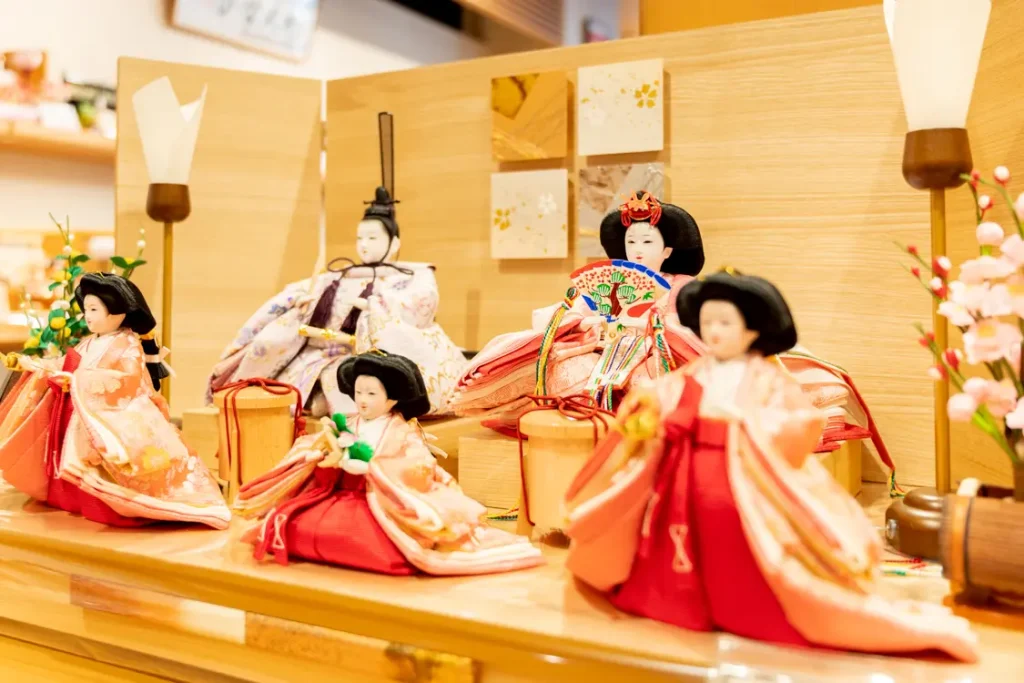
Hina Dolls
(Photo: Costume-clad Five-Person Display) 220,000 yen
Recently, compact displays such as the two-doll Prince-and-Princess set or the five-person set with three court ladies have become popular.In addition to the facial features, the designs of the folding screens and the colors of the stands are adjusted to suit Western interiors, showing how Hina dolls evolve with the times.Of course, traditional tiered displays are also available, offering a wide selection to choose from.
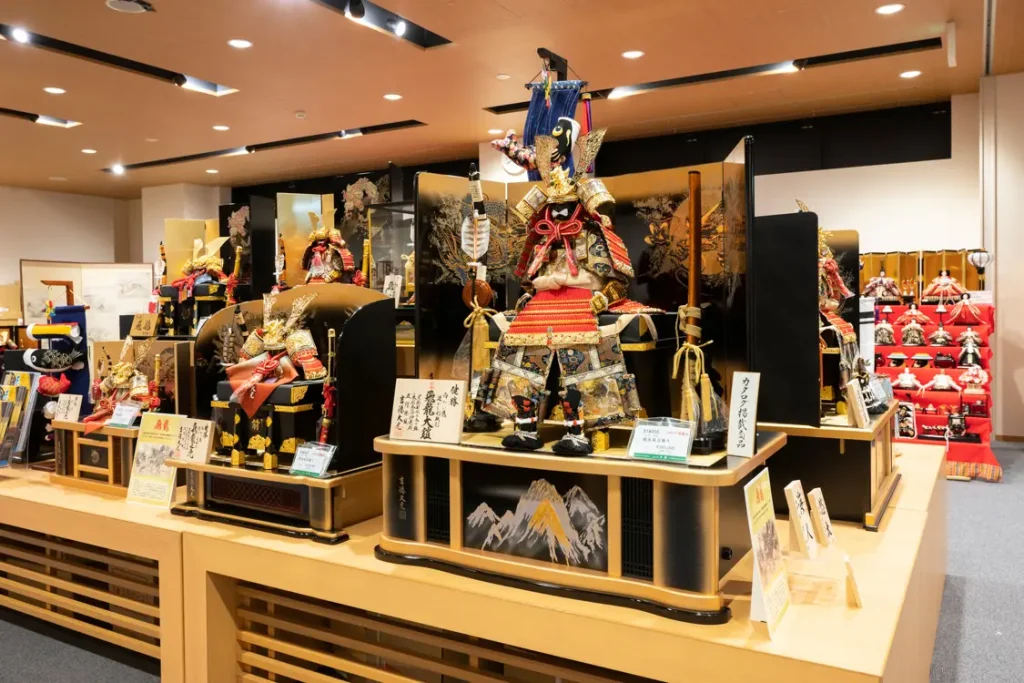
Boys’ Festival Dolls
(Photo: Large Flying Dragon Armor No.10 Raised-Base Display) 280,000 yen
Among Boys’ Festival dolls, the brave “Flying Dragon” armor series is especially popular.Dragon motifs, symbolizing success in life, are used throughout the design.The helmet crest features an openwork dragon, and dynamic twin dragons appear on the fukikaeshi, haidate, and folding screen.
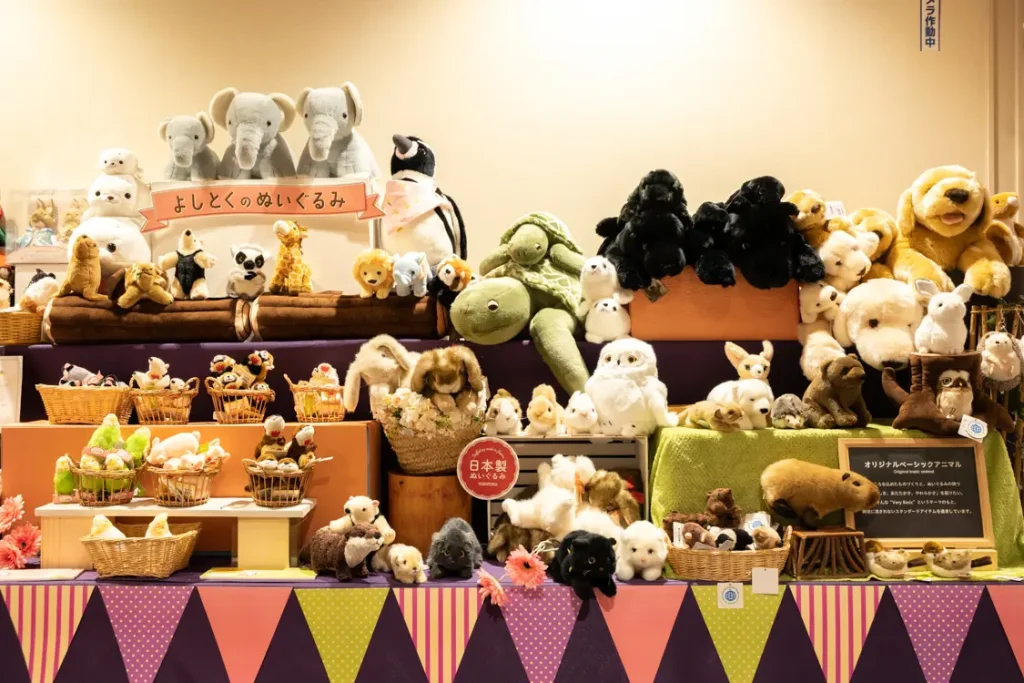
Stuffed Toys
Yoshitoku also has over 65 years of history as a stuffed-toy manufacturer, producing character-themed toys as well as items sold in zoos and theme parks.Their lineup varies widely — from always-popular bears and elephants to rare plush animals like anteaters.Their cuteness naturally brings a smile to your face.
Spot Overview
| address (e.g. of house) | |
|---|---|
| phone | |
| Business Hours | |
| regular closing day | |
| Payment Method | |
| External Links |