

Founded in the Kyōhō era (1716–1736)
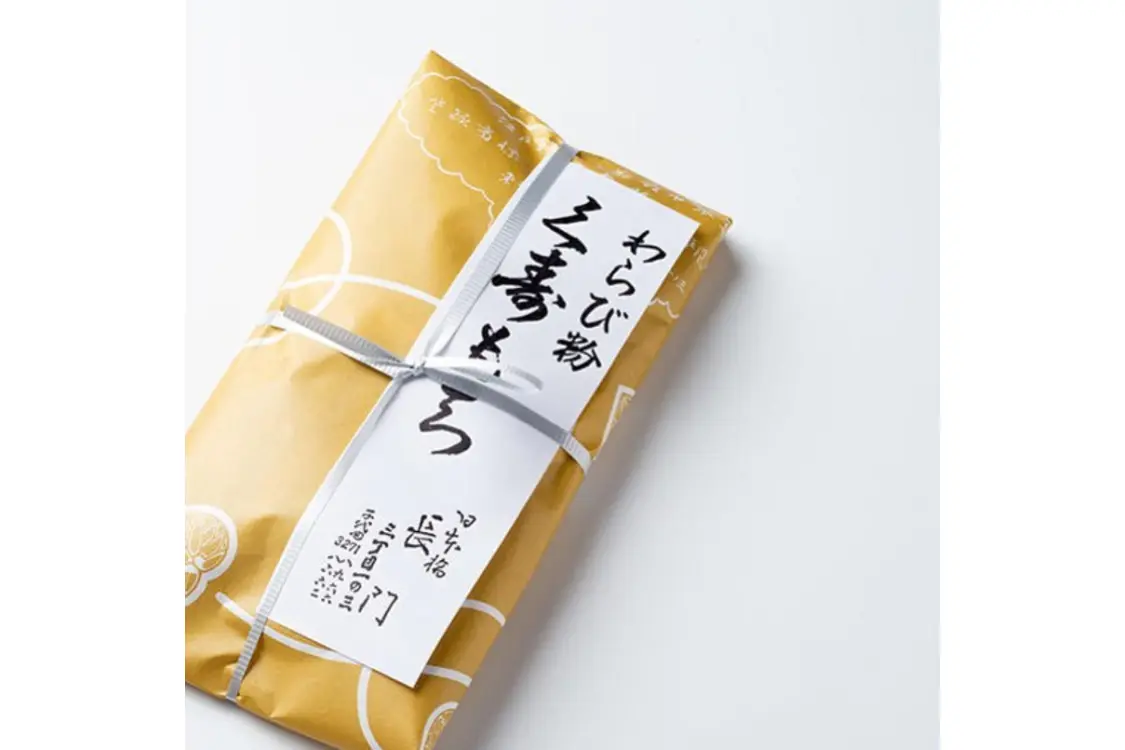
A long-established Japanese confectionery shop loved by the Tokugawa family
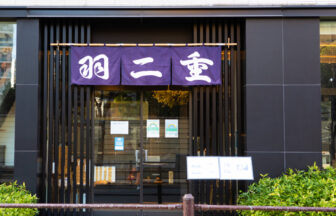
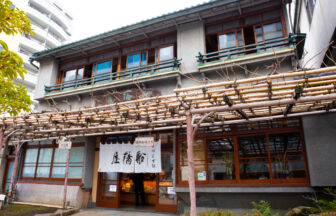
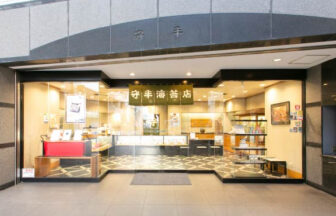
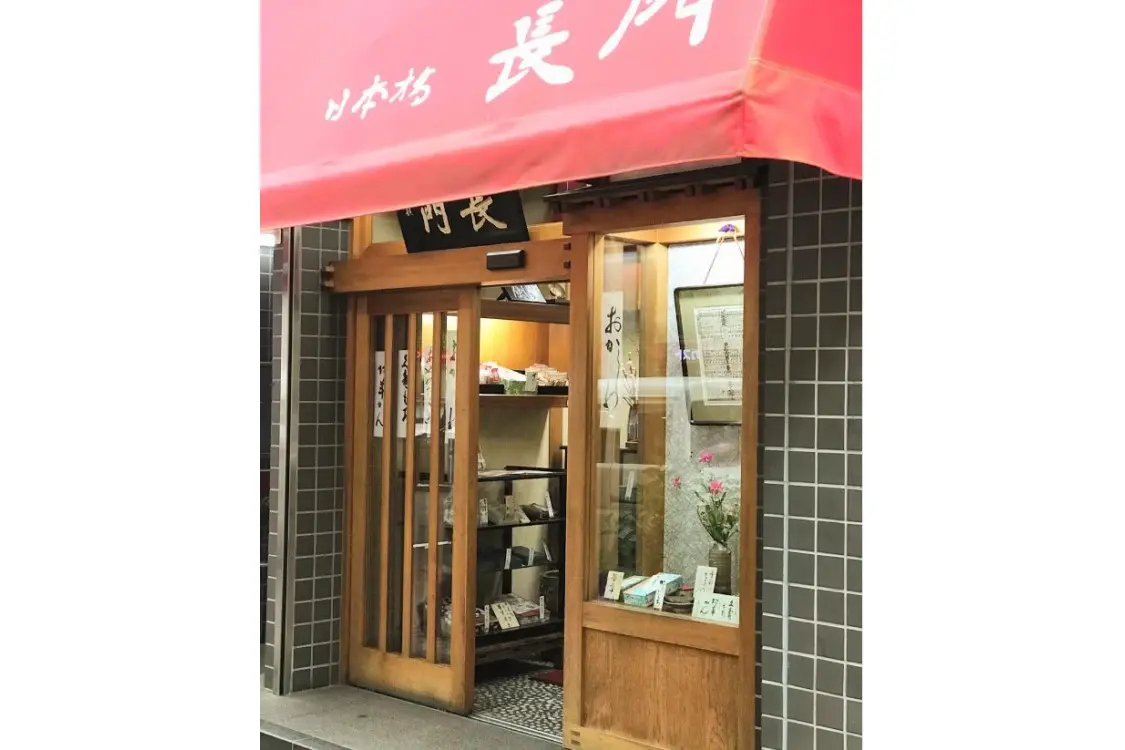
A Japanese confectionery shop in Nihonbashi with nearly 300 years of history. One of the most prestigious long-established shops, it once presented sweets to the Tokugawa family. The wagashi loved by successive Tokugawa shoguns still captivate people today without losing their charm.
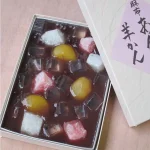
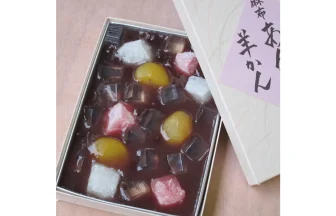
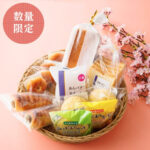
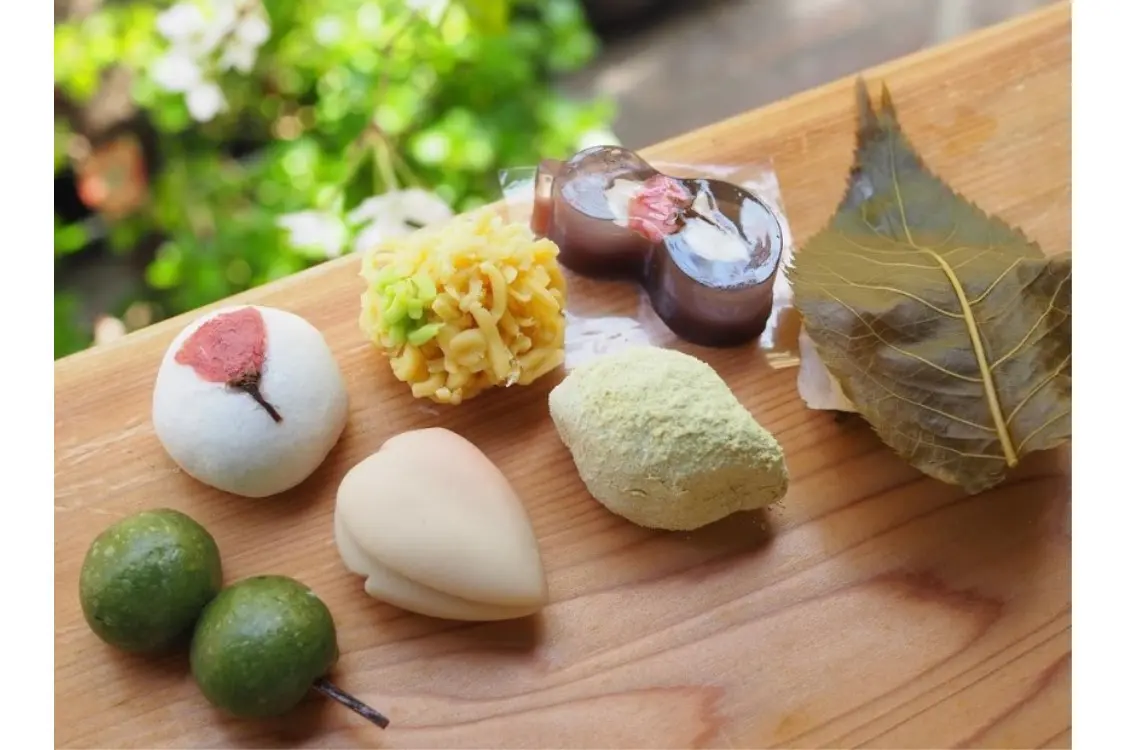
Nagato’s two most popular items are Kuzumochi and Kiri Yōkan. In addition, seasonal fresh sweets and Matsukaze, which has been passed down as a confection presented to the Tokugawa shogunate, are displayed in the shop, pleasing both the eyes and the palate.
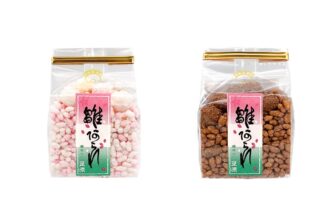
The shop also cherishes uniquely Japanese events such as the Peach Festival, Boys’ Festival, and equinoxes, offering wagashi that suit each occasion. For example, even for a single kashiwa-mochi, the taste, ingredients, and balance are slightly changed every year. While preserving old traditions, they continue to pursue wagashi that are even more delicious and more loved.
None of the wagashi use preservatives or additives. As a result, they do not keep for long, but the shop prioritizes delivering safe and reliable sweets, using homemade bean paste and careful handwork. Some items sell out before evening, so visiting earlier in the day is recommended.
History
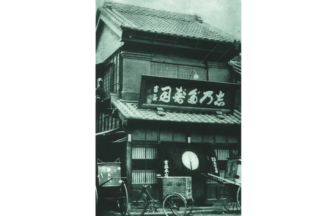
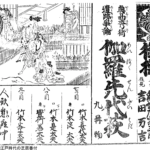
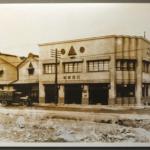
Founded in the Kyōhō era, the shop operated as a confectioner from the time of Tokugawa Yoshimune. It was later granted the title of Matsuoka Nagato no Daijō Fujiwara Nobuyoshi as an official purveyor to the shogunate, presenting various sweets to the Tokugawa family over generations. The shop name “Nagato” comes from Matsuoka Nagato. Originally located in Kanda Sudachō, the shop moved to Nihonbashi after the war, where it remains today.
This Notable Item
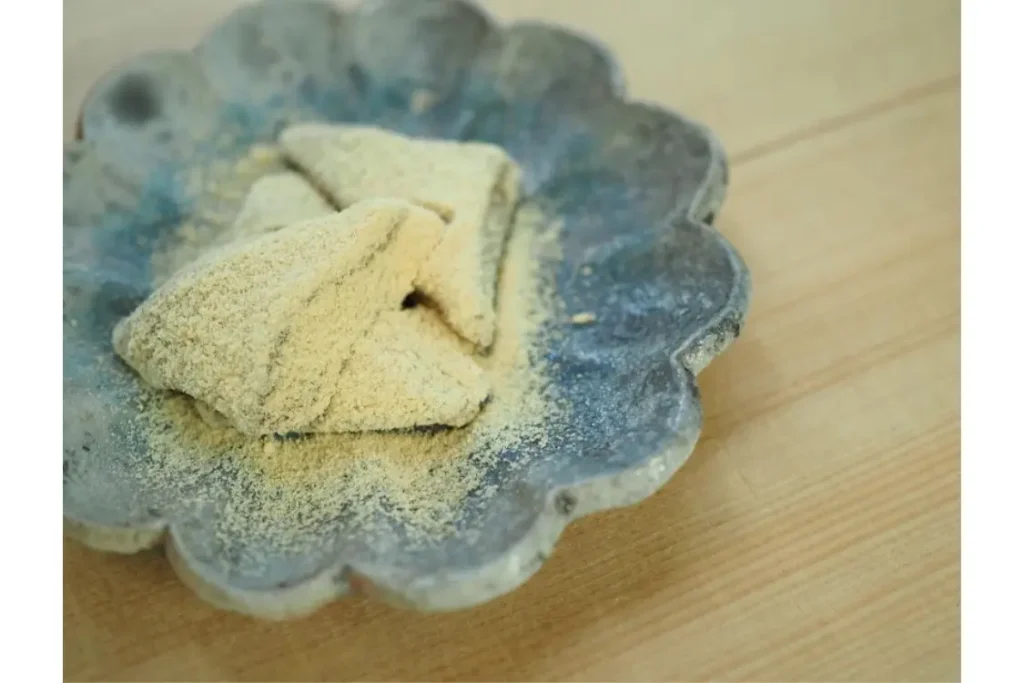
Kuzumochi
890 yen
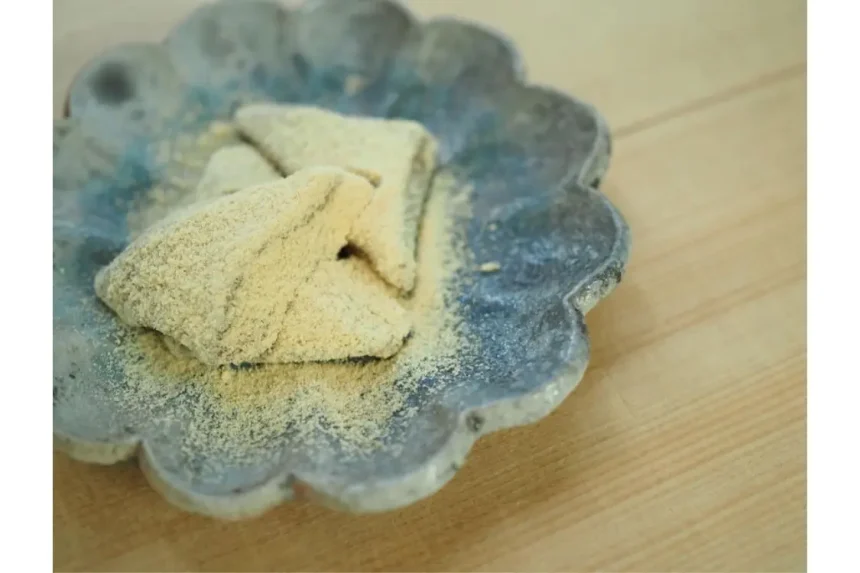
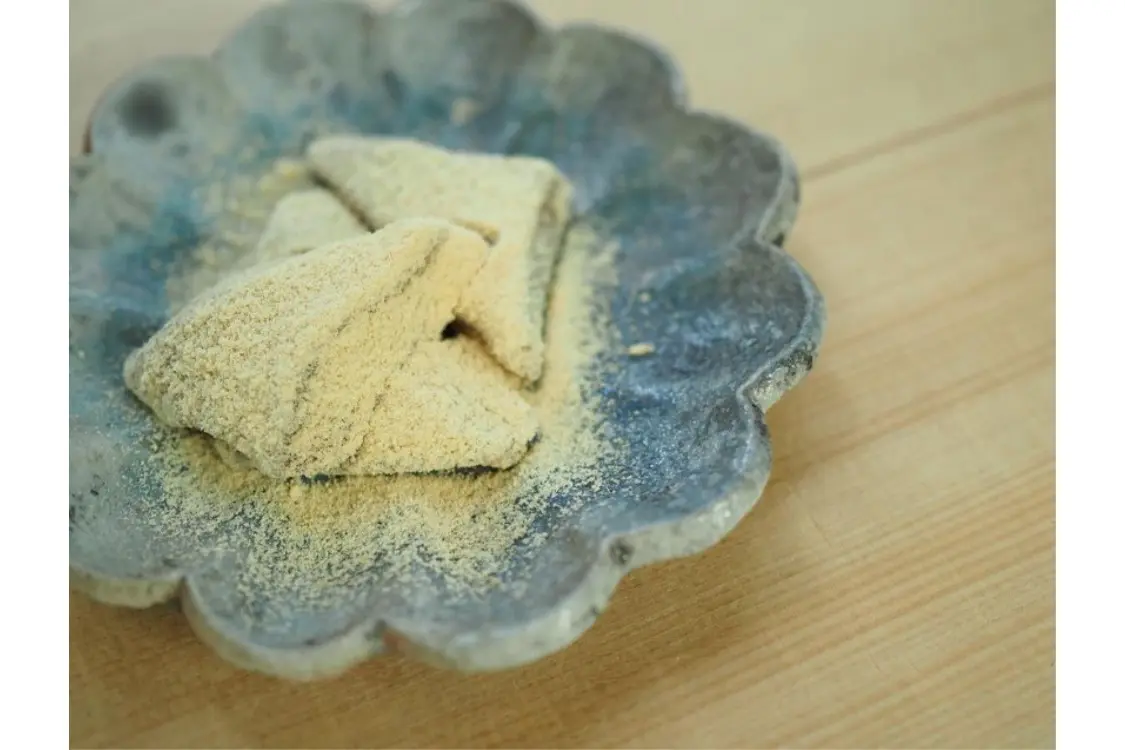
Although it is called “Kuzumochi,” it is actually what is known as warabi-mochi in the Kansai region. Made with only real warabi starch and sugar, its refined sweetness and jiggly texture are irresistibly delicious. A blend of two types of kinako enhances the depth of flavor. Chilling it in the refrigerator for about 15 minutes is recommended.
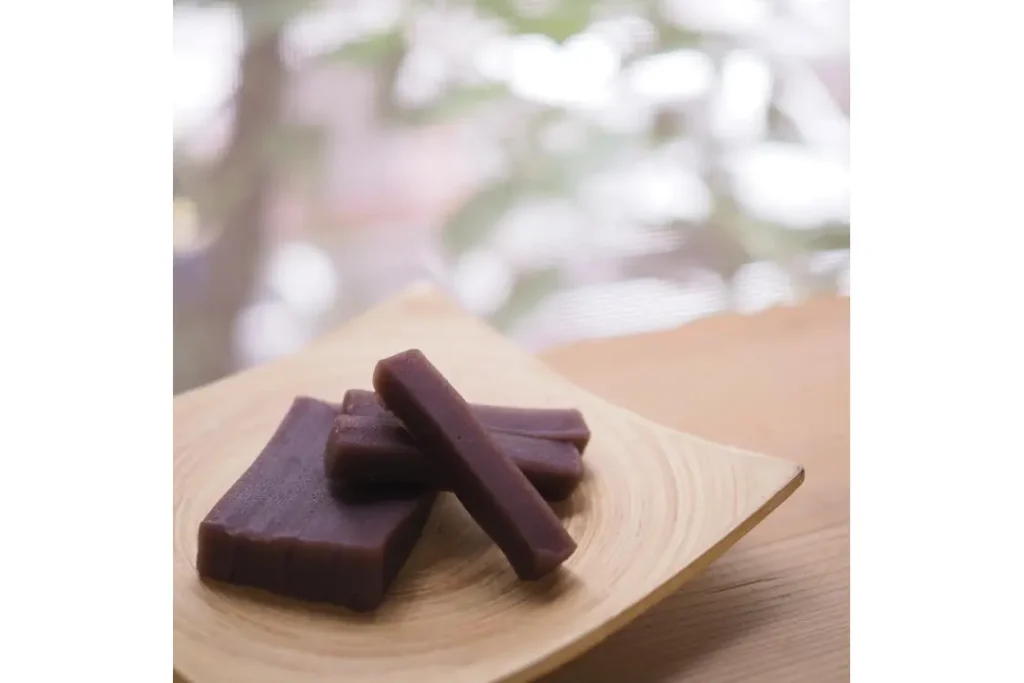
Kiri Yōkan
890 yen
Kiri yōkan that brings out the full flavor of azuki beans. Cut into easy-to-eat rectangular pieces and mildly sweet, it has many fans among men as well. Some people even enjoy it as a snack with alcohol.
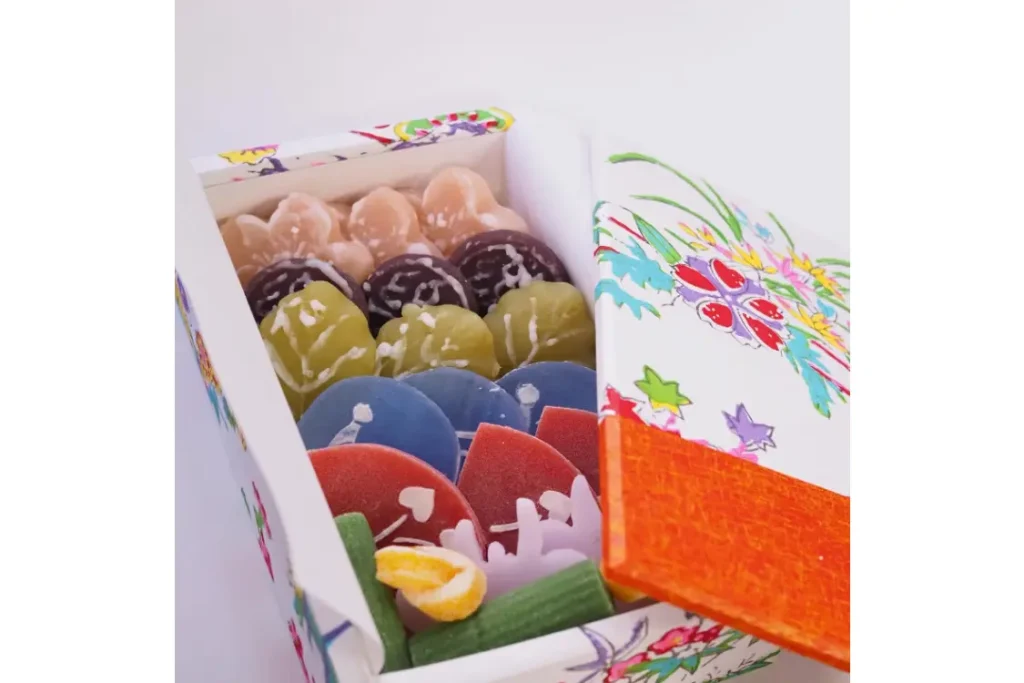
Han-namagashi
From 3,100 yen
A colorful arrangement of several kinds of semi-fresh sweets displayed in a wooden box decorated with seasonal chiyogami patterns. Many people purchase it as a gift, and it is also popular as a souvenir for overseas. After eating, the box can be reused to store small items. Contents vary by season.
Spot Overview
| address (e.g. of house) | |
|---|---|
| phone | |
| Business Hours | |
| regular closing day | |
| Payment Method | |
| External Links |