

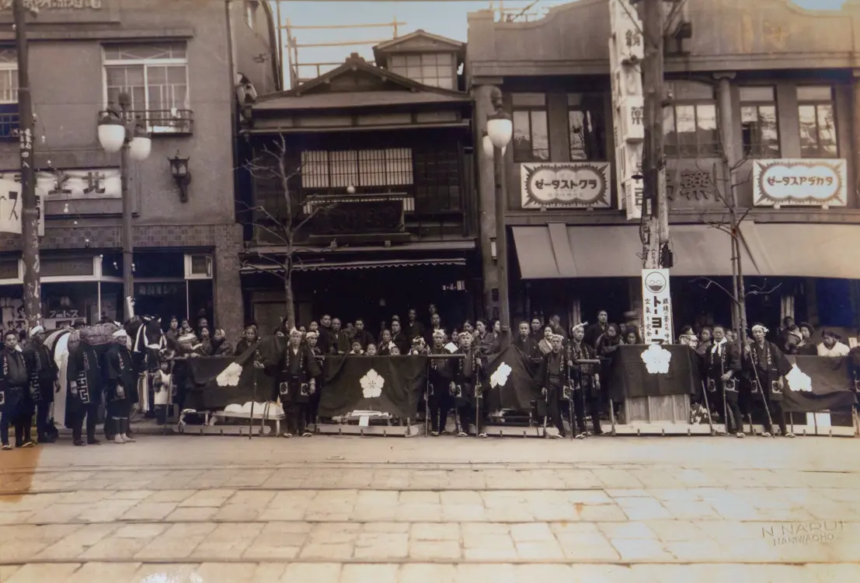
Founded in Tenmei 3 (1783)
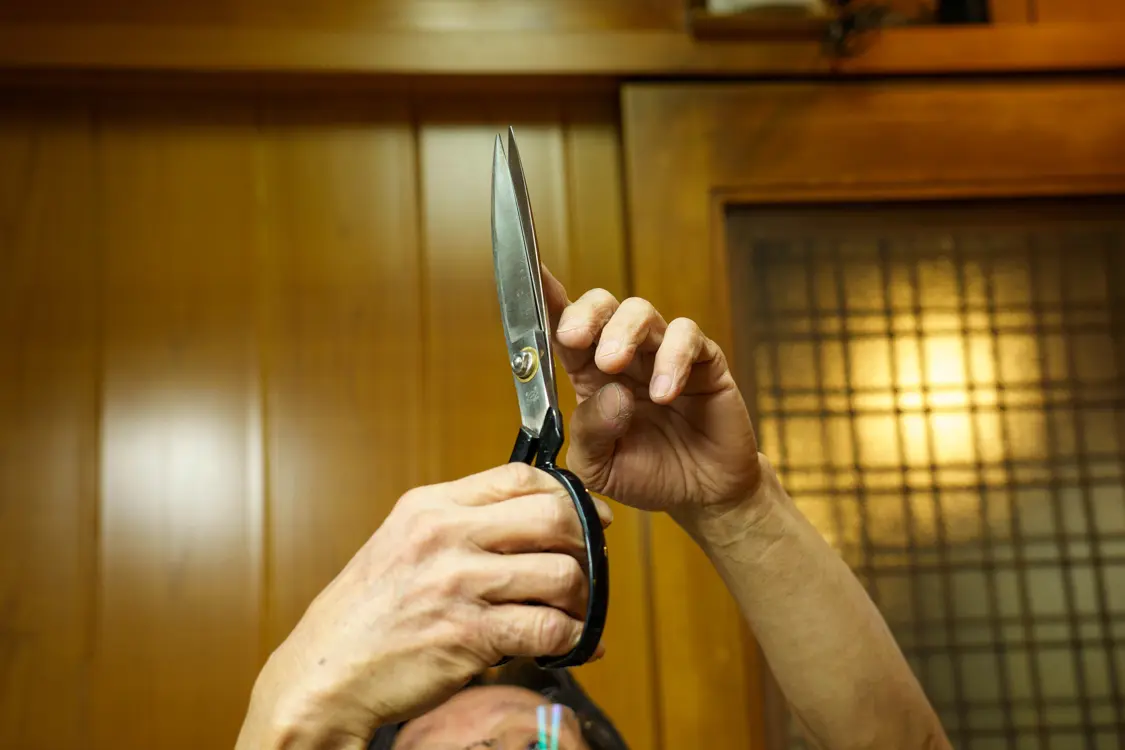
A specialty store where you can find blades perfect for your purpose
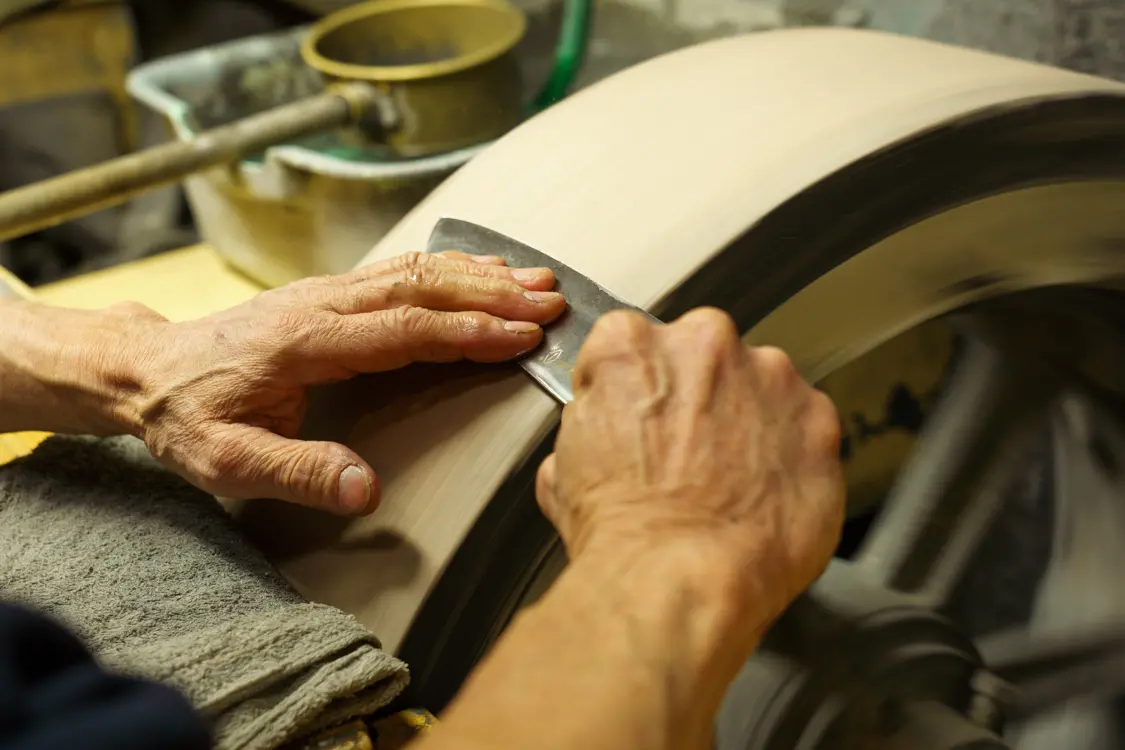
Ubukeya has continued making products that meet the needs of users.They handle sharpening, which determines sharpness, and there are countless stories about the craftsmanship behind their blades.
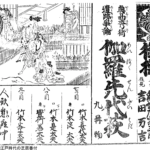
In early Meiji, when foreign settlements were built in Tokyo, they received an order for dressmaking shears and made them; the client was amazed that the sharpness surpassed those from overseas.This is said to be the beginning of Japanese-made dressmaking shears.This shop also made the paper-cutting scissors used by the first Hayashiya Shoraku, a master of paper-cutting art performed at vaudeville theaters.Kuniko Mukoda, a leading Showa-era scriptwriter, essayist, and cooking enthusiast, often visited and enjoyed lively conversations with the proprietress.The knives used by the Michelin-recognized restaurant “Sukiyabashi Jiro” are also made by Ubukeya.It has continued to be loved by top professionals across eras.
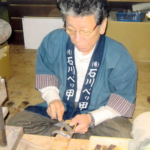
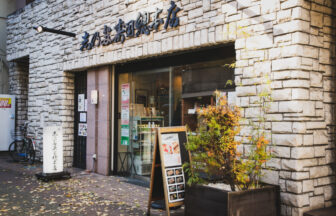
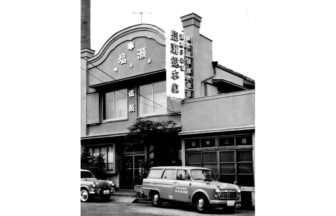
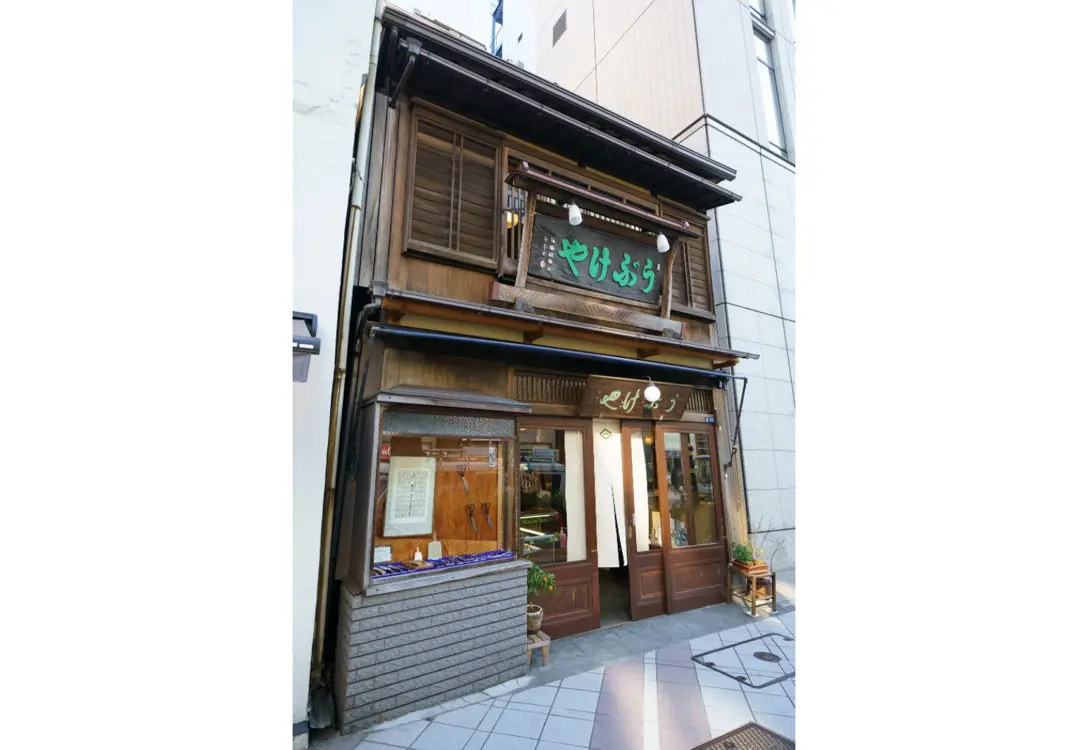
Passing through the neat diamond-crest curtain, you’ll find a wide variety of items inside—from small tools like tweezers and thread-cutting scissors to large blades like kitchen knives and dressmaking shears.Staff provide tips on how to use the tools, helping you find the perfect blade for your needs.Reliable maintenance is another reason customers keep coming.Blades are precisely sharpened and adjusted in the workshop at the back, then returned “in the exact condition as when purchased.”
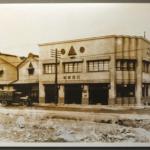
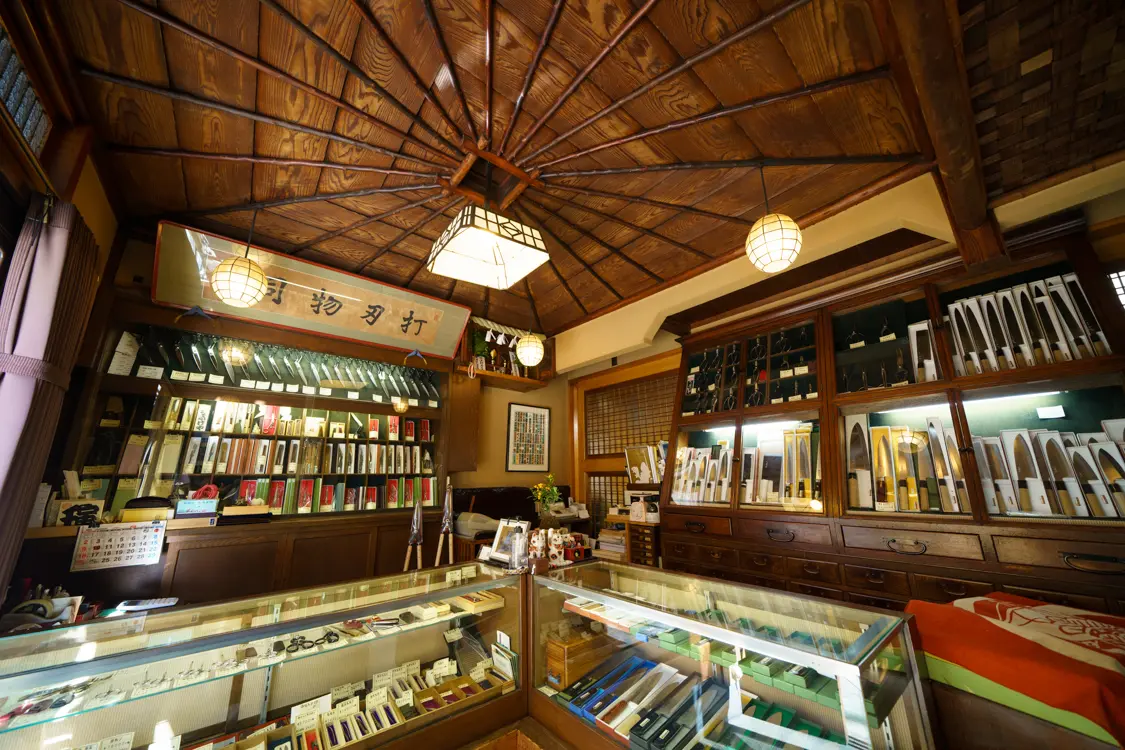
The solid-mulberry shelves and umbrella-style ceiling built after the Great Kanto Earthquake remain intact, and even during renovation in 1975, the original appearance was faithfully restored.It attracts strong interest from architecture fans and researchers.
History
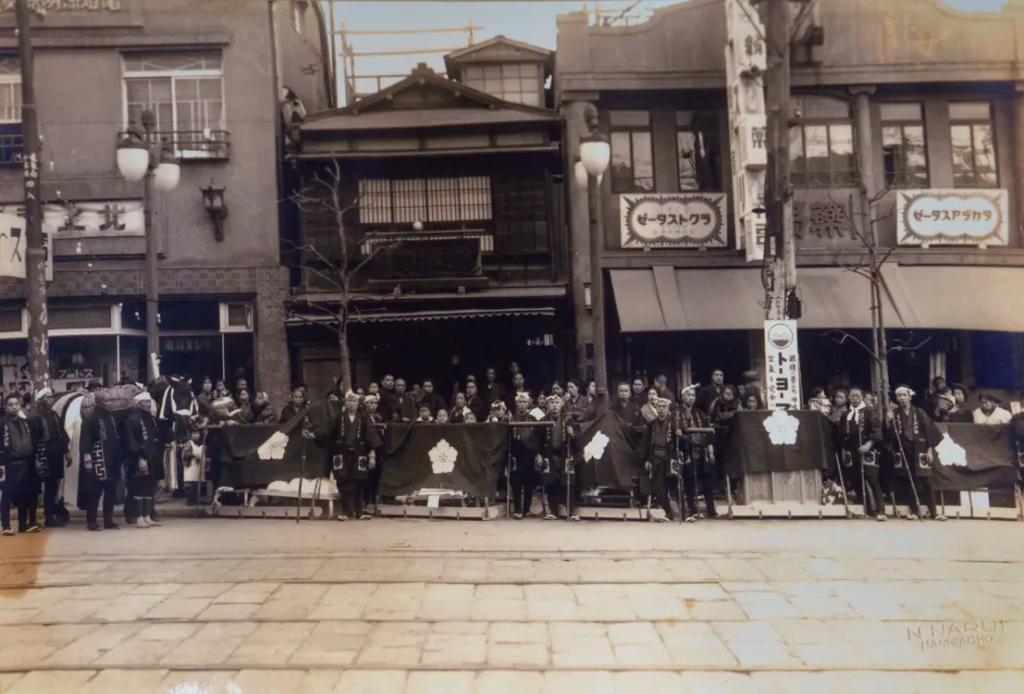
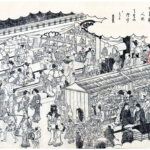
Founded in 1783 in Osaka’s Shinmachi Bridge area (now Minamisemba) as a store dealing in blades.The first owner, Kinosuke, earned the name “Ubukeya” because his blades were said to “shave, cut, and pull even baby hair.”In the 1800s, the shop expanded to Hasegawa-cho in Edo (now Horidome-cho) and later moved to Shin-Izumi-cho (now Ningyo-cho) before the Meiji Restoration.It has remained in the same location ever since, preserving its tradition.
This Notable Item
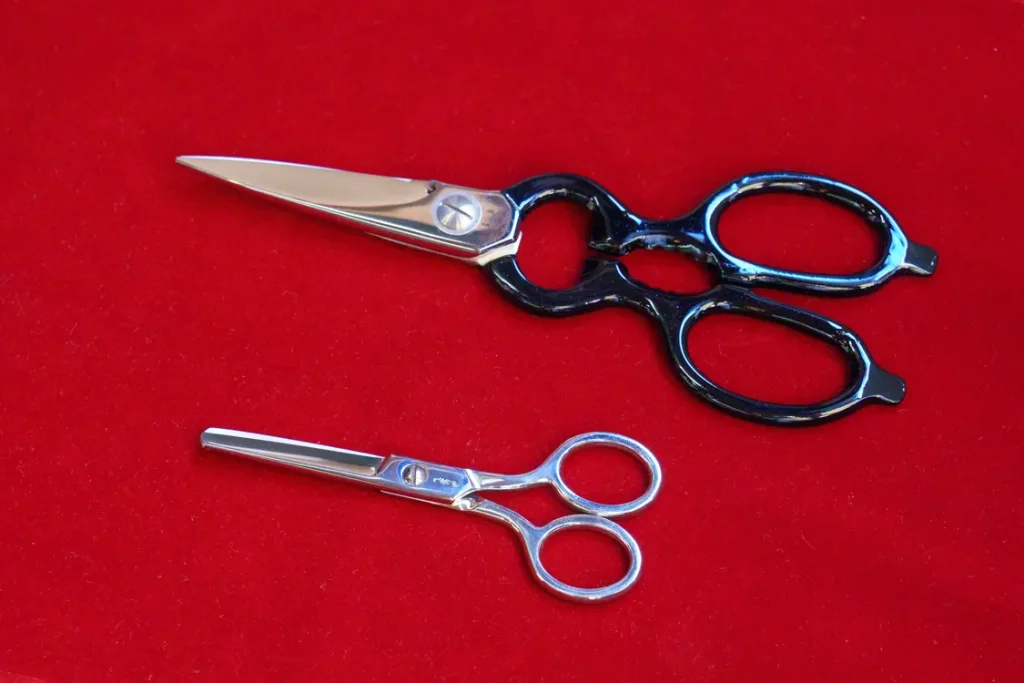
Food Shears / Kitchen Shears
Food shears: 10,450 yen / Kitchen shears: 9,900 yen
Food shears—used to cut food on a plate—were originally carried by geisha for guests with weak teeth.They cut smoothly through mochi, octopus, squid, and even grains of rice in nigiri sushi, and the cut surface remains beautiful.They are also popular for preparing baby food and nursing-care meals.They also cut paper well and are versatile, making them a popular gift item.Kitchen shears made of rust-resistant material are useful for everything from cutting ingredients to opening retort food packages.
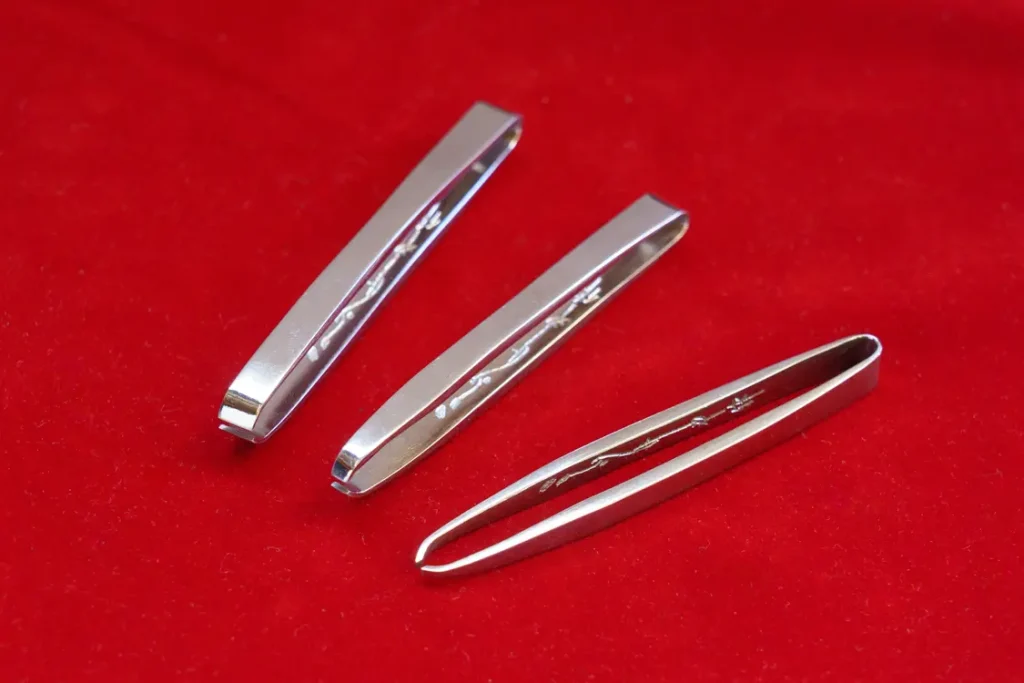
Tweezers – 3 mm width
Thick tweezers: 2 mm / 3 mm / 6 mm — each 12,100 yen
The tweezers—with precise alignment that lets no light through—have been a long-time classic since the store’s founding.First-time users are almost always surprised, saying, “I didn’t know tweezing could feel this different,” thanks to the light and smooth usability.Many people discover Ubukeya’s charm through this product, and it is loved not only by beauty professionals but also across two and three generations of families.
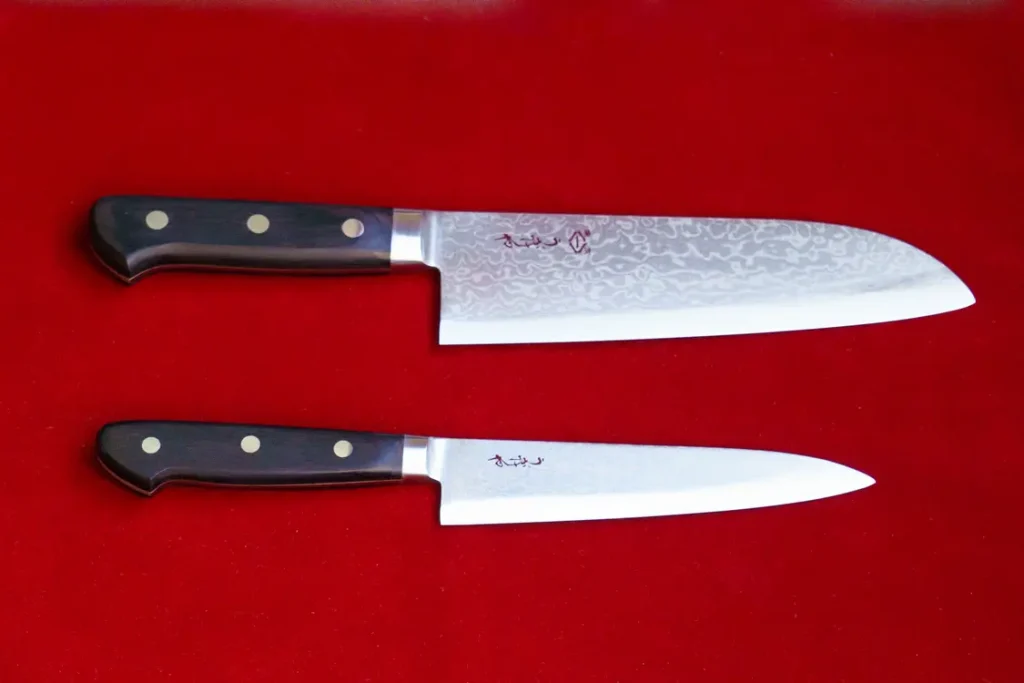
Laminated Steel Kitchen Knives
Laminated steel Santoku knife: 26,400 yen / Laminated steel petty knife: 18,700 yen
Among home kitchen knives, the laminated steel Santoku—rust-resistant and extremely sharp—has become very popular for modern lifestyles.The 17.5 cm blade length is especially popular.Many people purchase it as a set with the petty knife.When the sharpness fades, sending it for resharpening returns it to a condition like when it was first purchased.
Spot Overview
| address (e.g. of house) | |
|---|---|
| phone | |
| Business Hours | |
| regular closing day | |
| Payment Method | |
| External Links |