

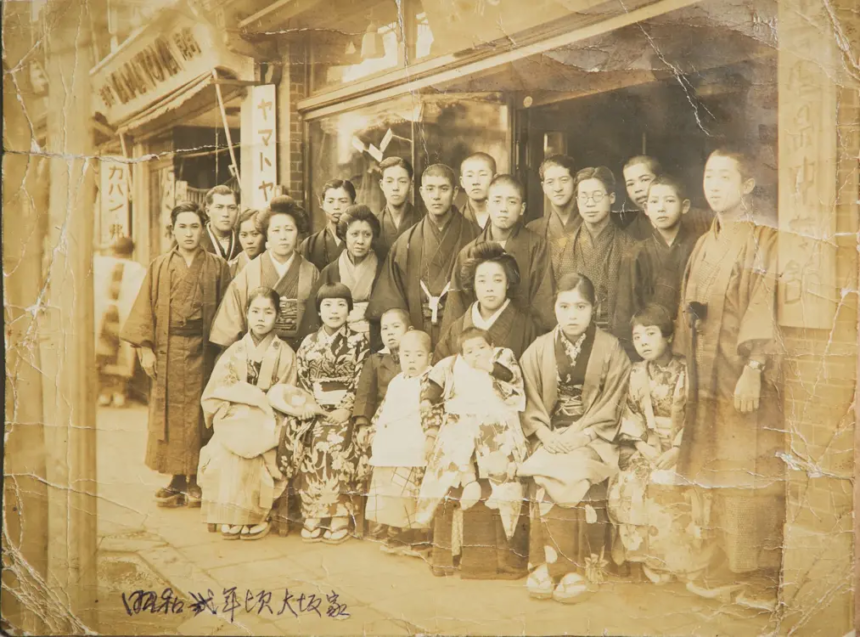
Founded in the Genroku era (1688–1703)
More than 300 years of skills passed down to a single heir. Delicate wagashi made through the bond of family.
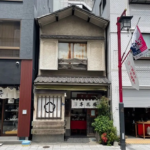
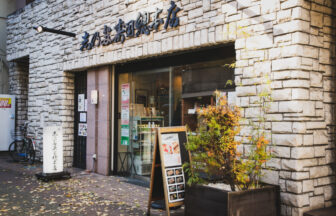
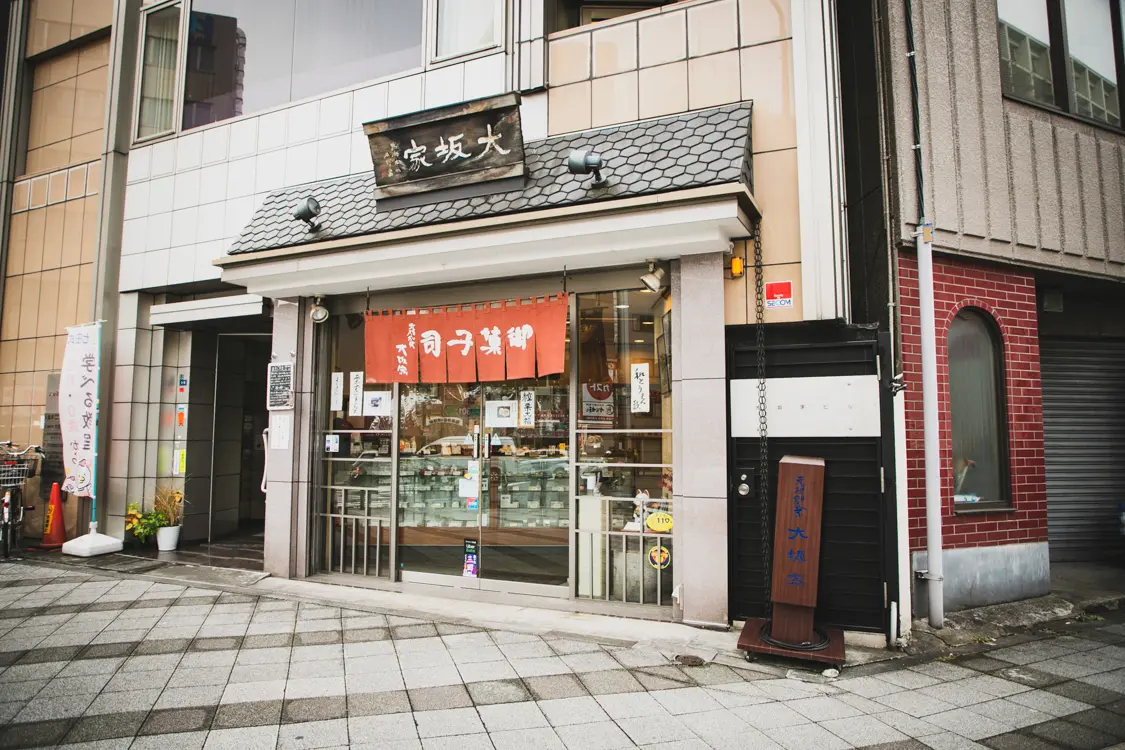
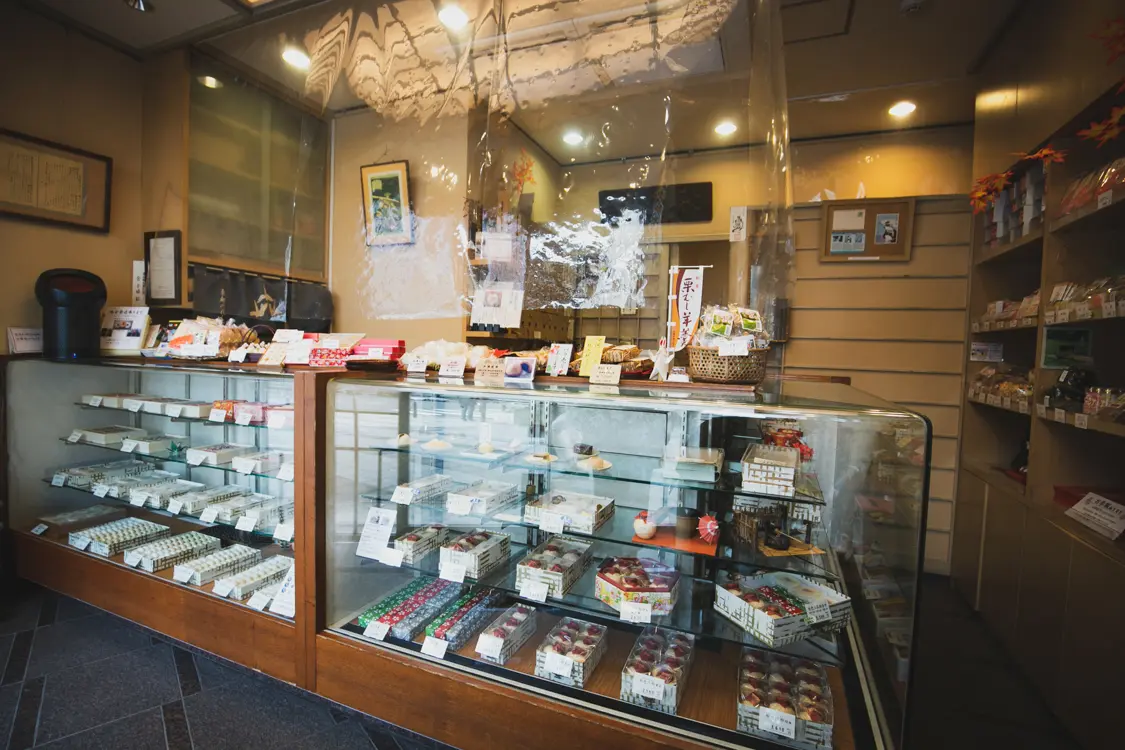
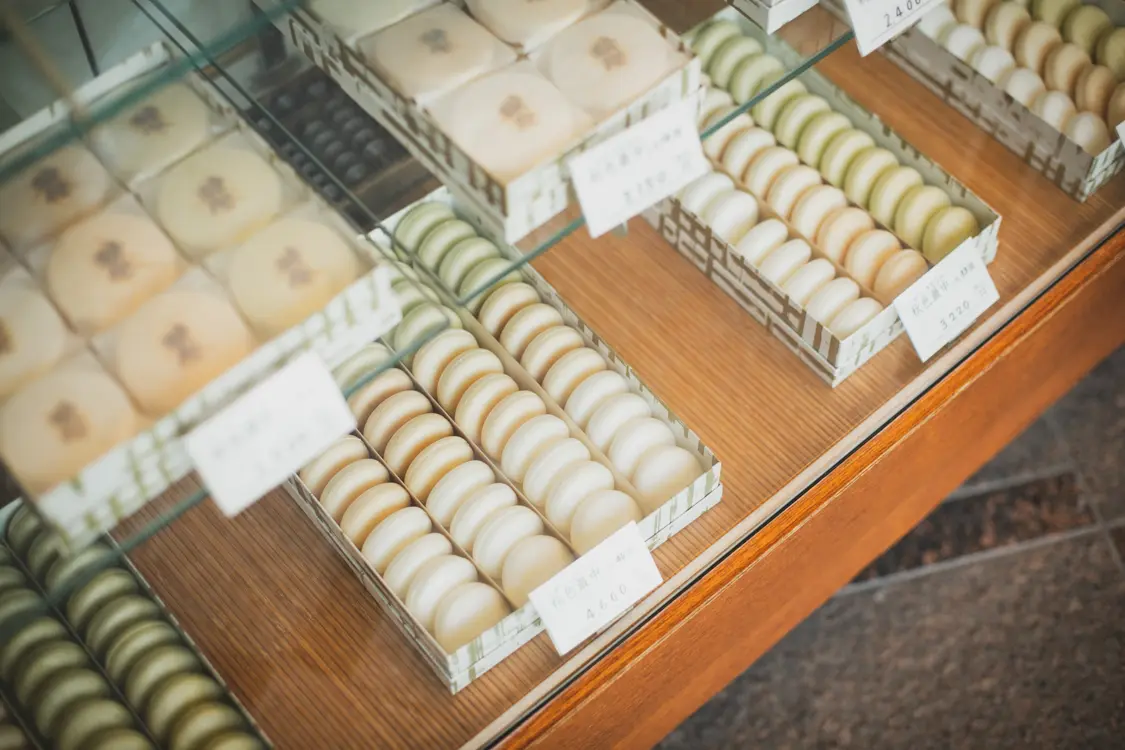
Akishikian Osaka-ya is located diagonally across from the main gate of Keio University’s Mita Campus. When you step inside, you are greeted by colorful wagashi neatly lined up in the showcase.
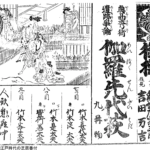
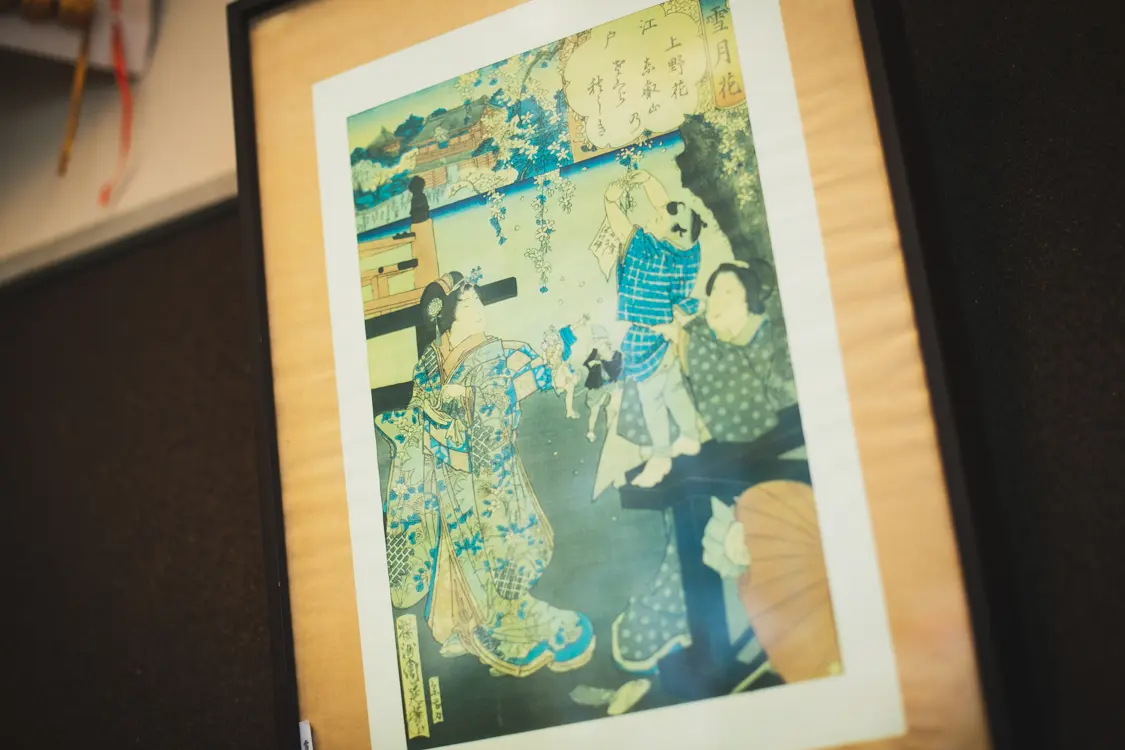
“Shuushiki,” which appears in the shop’s name and confectionery names, was the pen name of O-Aki, born as the shop’s daughter in the Edo period and active as a female haiku poet. At age 13, she visited Ueno Park for cherry-blossom viewing and wrote the poem “By the well, cherry blossoms are dangerous; drunk on sake,” inspired by people drunk on hanami sake. The poem became famous throughout Edo and was even adapted into storytelling performances. In tribute to the poem, the shop’s wrapping paper features charming cherry blossoms. A replica print of “The Woman Shuushiki” is also quietly displayed in a corner of the shop.
At the back of the shop is the workshop, where the 18th head, Mr. Katsutoshi Kuramoto, together with his daughter and her husband, who are set to succeed him, make every item. Their tradition is to pass wagashi-making skills from parent to child, to only one successor.
“I’ve been making wagashi for about 50 years, but even the weather changes the result day by day. Judging that is still hard,” says Mr. Kuramoto. “The basic rule is simply to use good ingredients and good skills. Beyond that, we don’t really have particular ‘obsessions.’ Because working hard to make delicious sweets is just natural, isn’t it?” His friendly words showed the spirit of a craftsman who carries a 300-year-old legacy while valuing each daily task of making sweets.“If you try our three classics — ‘Kimisigure,’ ‘Oribe Manju,’ and ‘Wakakusa’ — you will understand the flavor of Osaka-ya,” says Hiroko Kuramoto. Enjoying the differences in anko prepared specially for each sweet is also one of the pleasures.
History
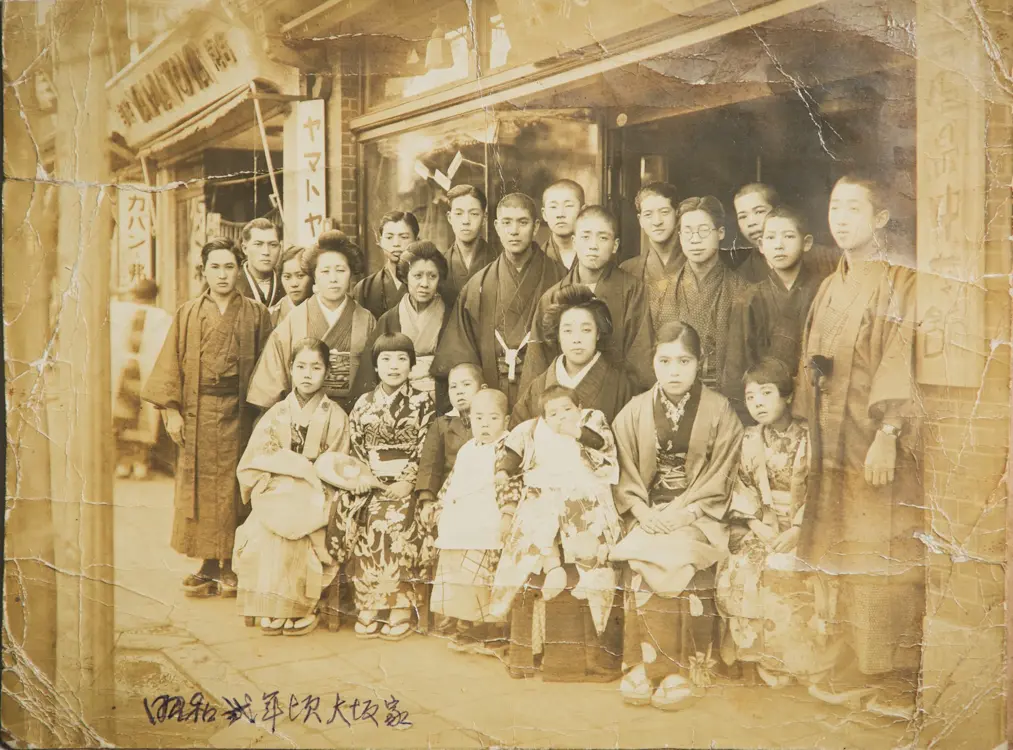
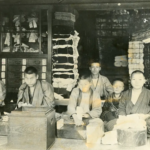
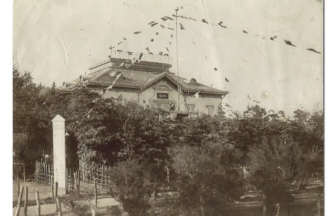
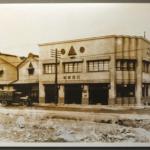
Akishikian Osaka-ya is a wagashi shop with one of the longest histories in Japan, with more than 300 years since its founding. The name Osaka-ya comes from the fact that the family originally ran a business in Osaka. After moving to Edo and opening a shop in Nihonbashi Koamicho during the Genroku era (1688–1703), it became a popular store mentioned in old books such as “Edo Shopping Guide.” Although the shop was destroyed by the Great Kanto Earthquake and air raids, it was rebuilt each time, and today it continues its history in Mita.
Please enjoy them casually as everyday snacks.
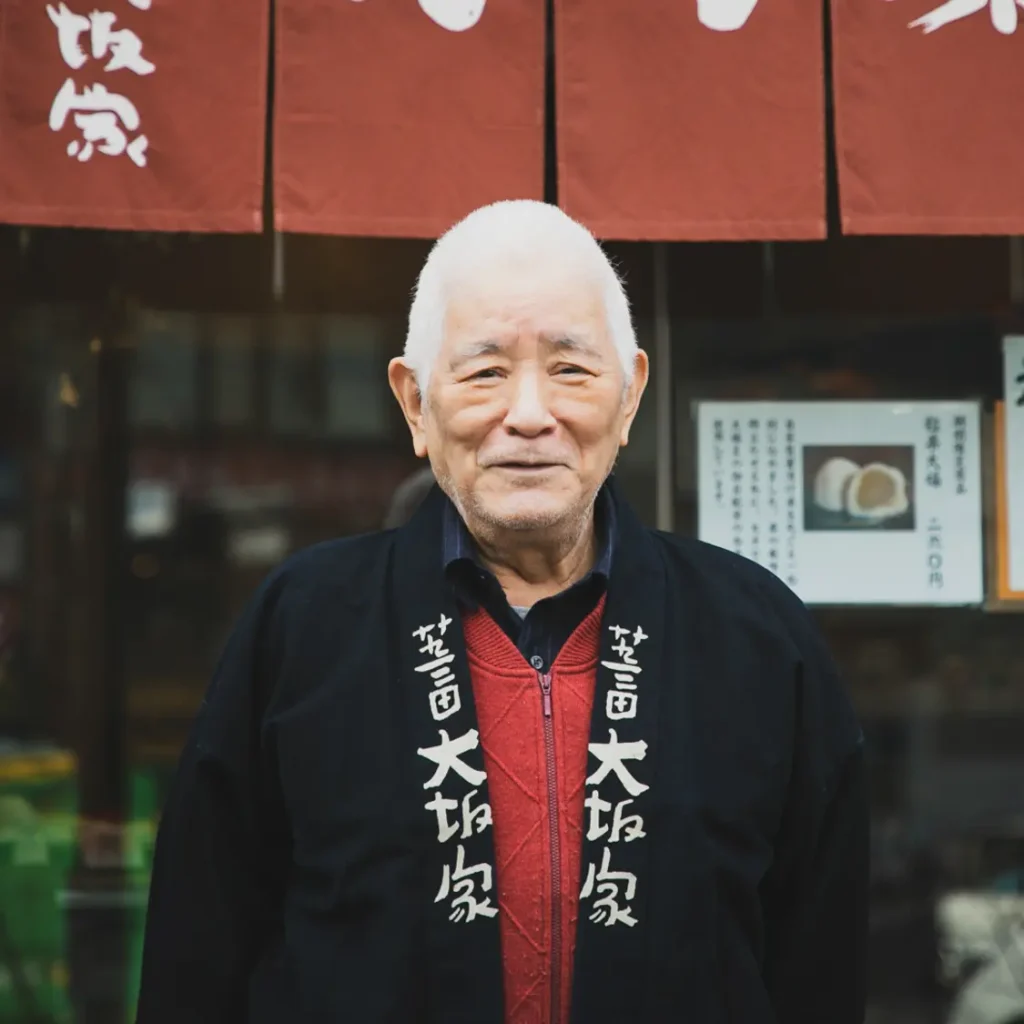
Mr. Katsutoshi Kuramoto
18th head of Akishikian Osaka-ya
There is no rule that wagashi must be paired with Japanese tea or matcha. Coffee, black tea — anything you like is fine. I hope you enjoy them casually as everyday treats. We also sell individual pieces, so please feel free to stop by.
This Notable Item
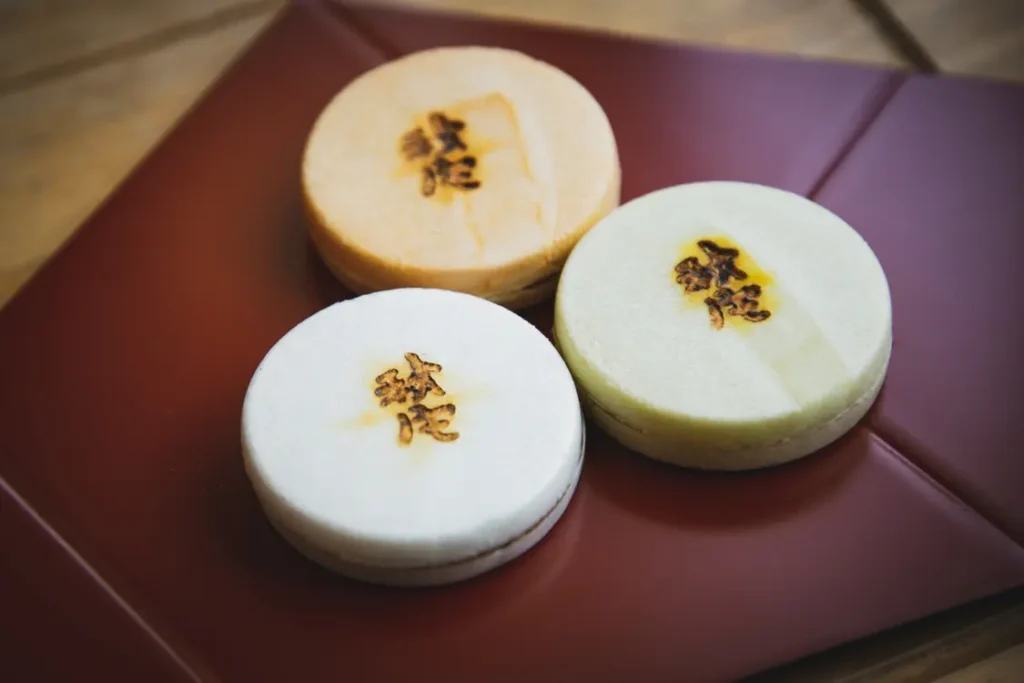
Shuushiki Monaka
180 yen per piece
Shuushiki Monaka — Japan’s first three-color monaka, created by the 16th head. “Brown” has Ogura anko with the rich flavor of red beans. “White” is black anko made with Okinawan brown sugar. “Green” is chestnut anko with finely chopped chestnuts mixed into white anko. The anko is carefully prepared by craftsmen using selected domestic ingredients. The crisp, light monaka shell pairs perfectly with the elegant sweetness of the anko.
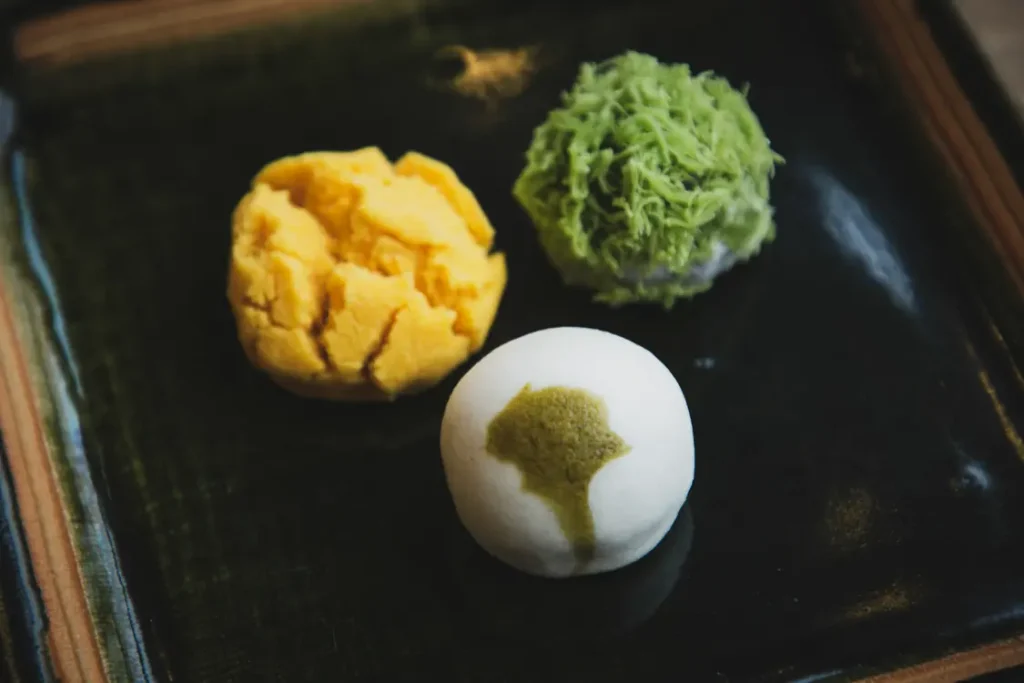
Fresh wagashi (Namagashi)
330 yen each
“Kimisigure” melts softly the moment it touches your tongue, with gentle sweetness and richness from egg yolk. “Wakakusa” combines smooth koshi-anko with chewy gyuhi, blending beautifully with a faint aroma of yuzu. “Oribe Manju” uses yam dough colored to resemble the glaze of Oribe-yaki pottery, favored by the tea master Furuta Oribe in the Momoyama period.
Spot Overview
| address (e.g. of house) | |
|---|---|
| phone | |
| Business Hours | |
| regular closing day | |
| Payment Method | |
| External Links |