

Shoo 2 (1653)
Founded 370 years ago, a long-established shop preserving the tradition of Japanese paper
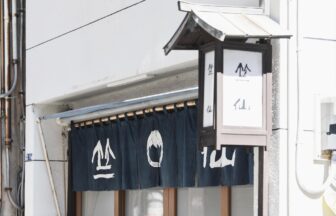
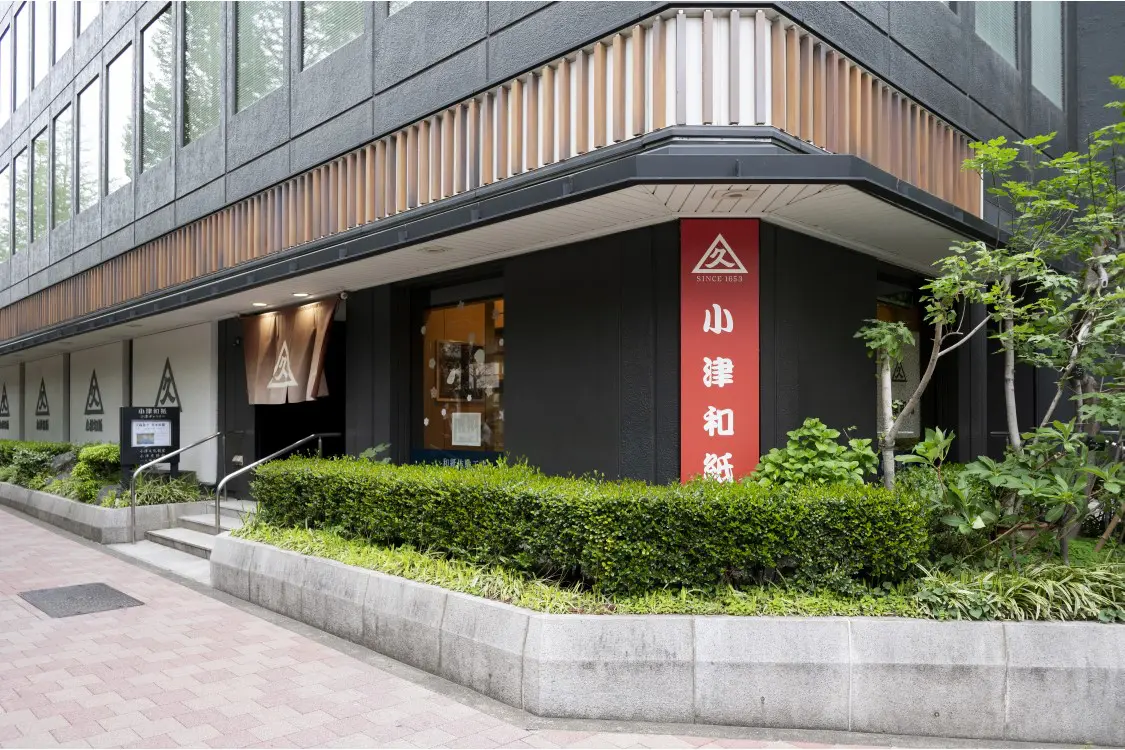
Since the founding of the Edo Shogunate, Nihonbashi has flourished as a town of commerce and culture, now lined with many high-rise buildings. The long-established Japanese paper shop “Ozu Washi” is located along the street connecting Showa Street and the old Nikko Kaido. The large triangular emblem on the first-floor exterior, with the character “Hisashi” displayed on a noren, is very striking.
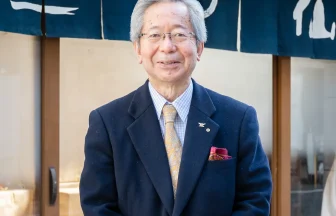
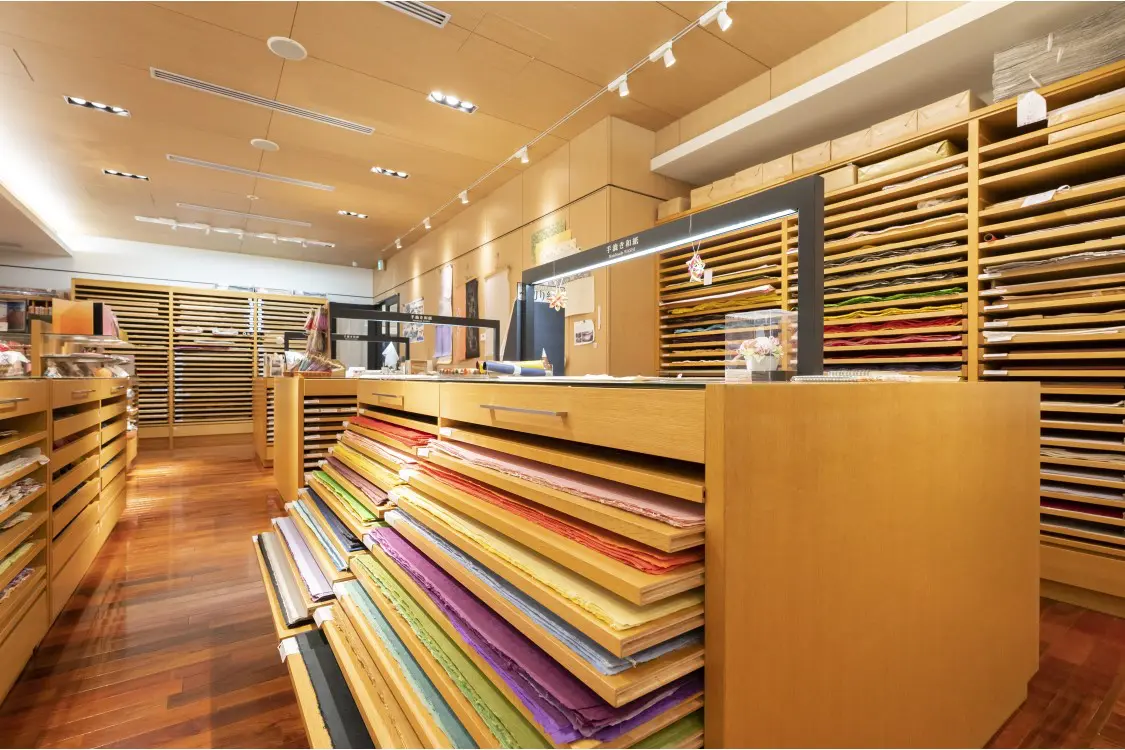
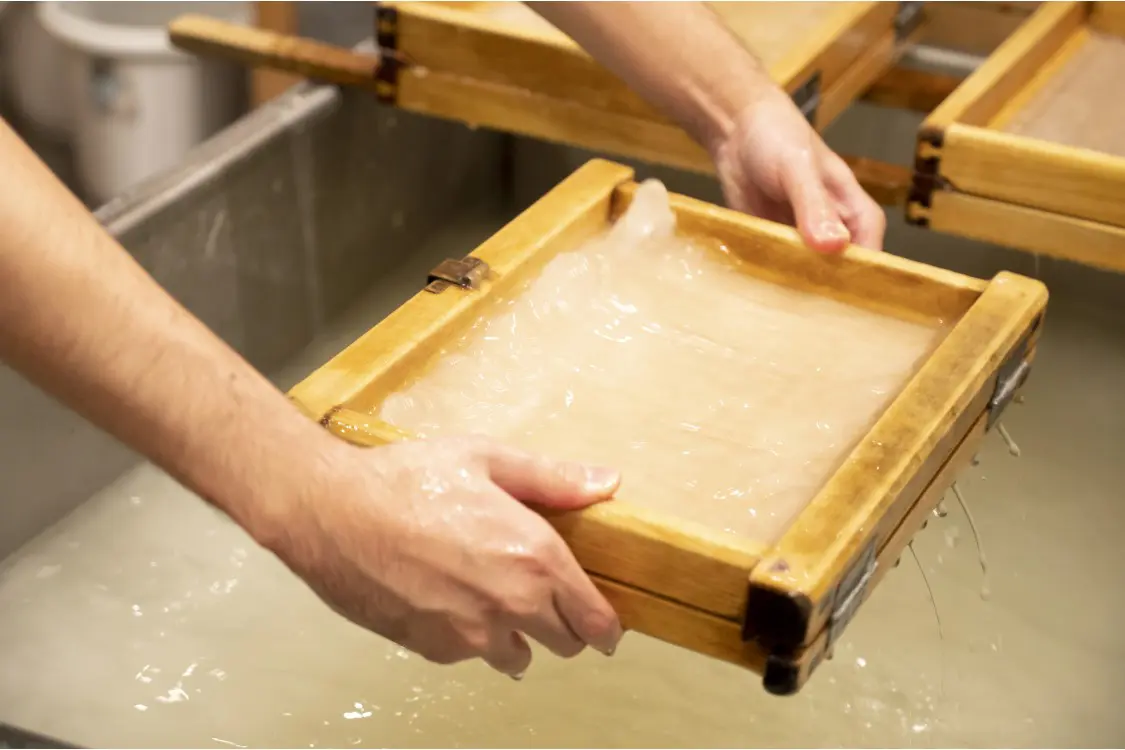
Inside the store, there are areas selling various handmade papers and areas where visitors can experience paper-making firsthand. The paper you make while learning about its history and production process can be taken home the same day. Since no preparation is needed, even first-time participants can enjoy the experience easily. “Recently, not only Japanese but also many foreign tourists visit, making it very lively,” says PR representative Kiyoshi Takagi.
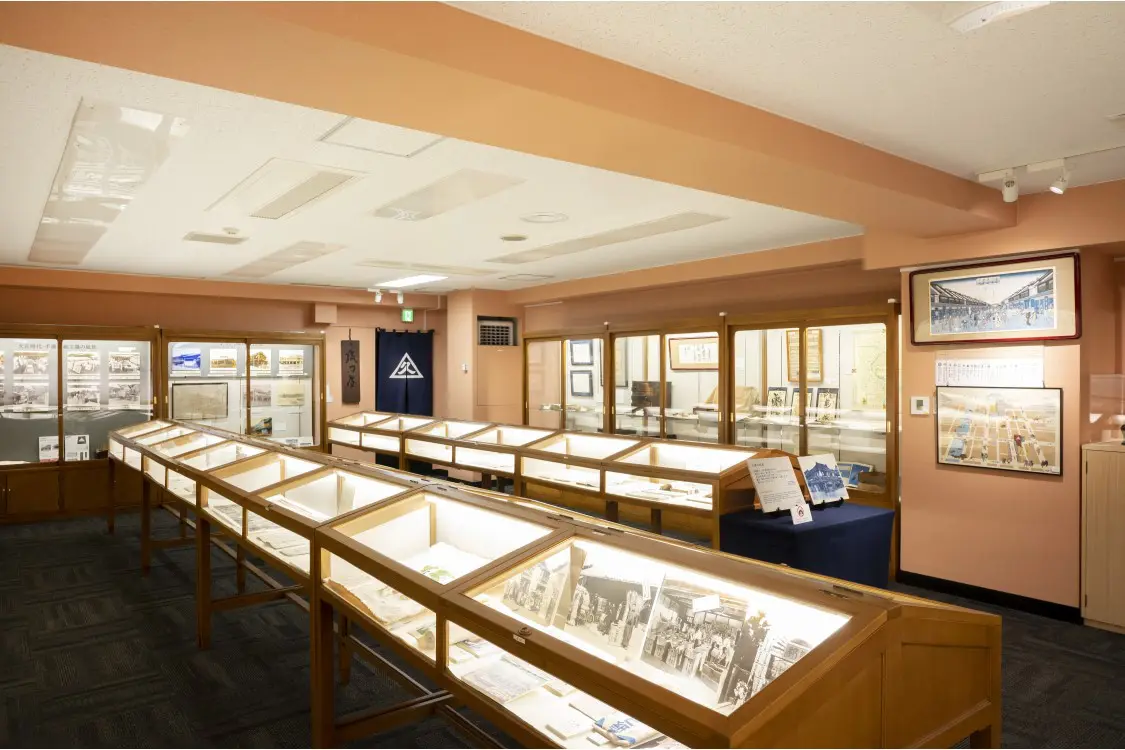
On the third floor is the Ozu Historical Museum, where you can learn about the history of Ozu Washi and the appearance of Nihonbashi during the Edo period. On the second-floor gallery, various handmade paper works are on display and can be viewed for free. The Ozu Cultural Classroom offers classes in various genres (visits and participation require reservation). This facility allows visitors to fully enjoy the charm of Japanese paper.
History
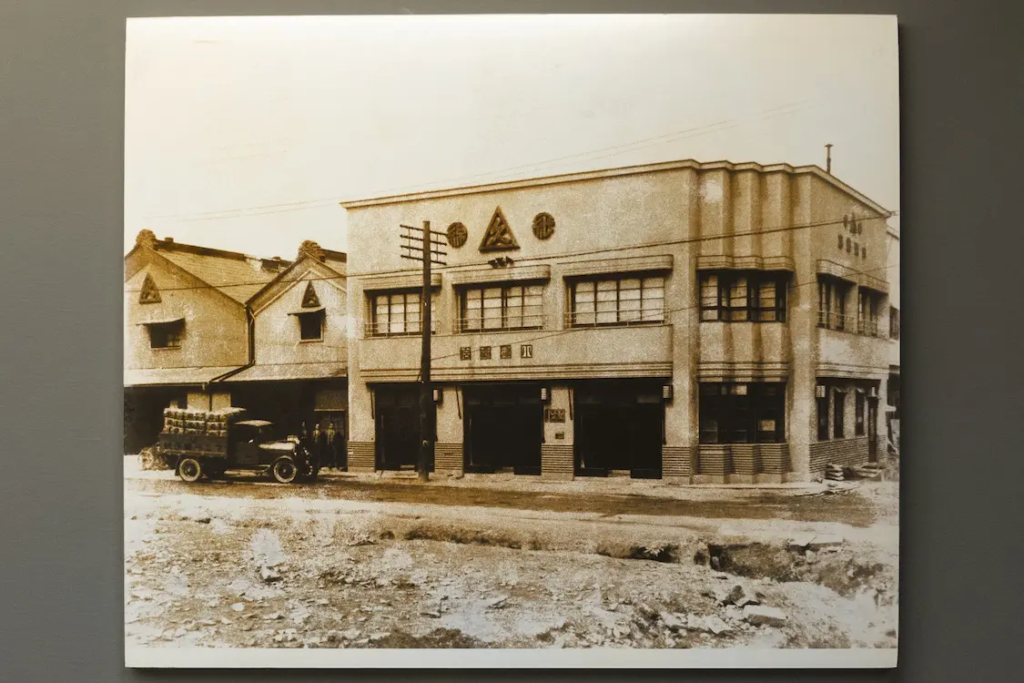
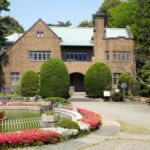
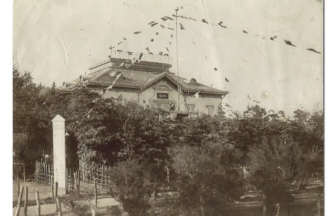
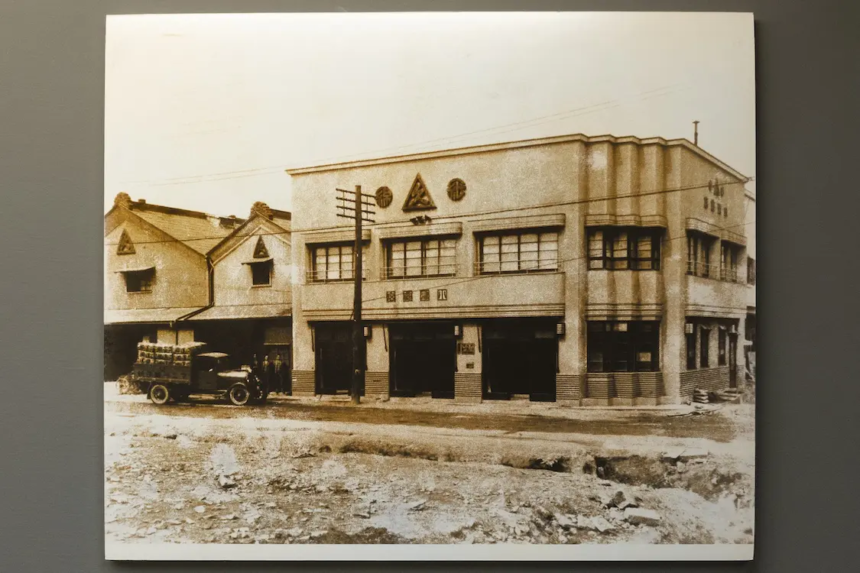
In Shoo 2 (1653), the first head, Ozu Seizaemon Nagahiro, came from Ise Matsusaka and founded the paper wholesaler “Ozu Seizaemon Store” in Odenma-cho, a commercial district of Edo (current head office location). Although severely damaged by the Great Kanto Earthquake in Taisho 12 (1923), the store remained in the same location, continuing to convey the charm of Japanese paper and enrich people’s lives (photo shows the building constructed after the Great Kanto Earthquake).
Focus here
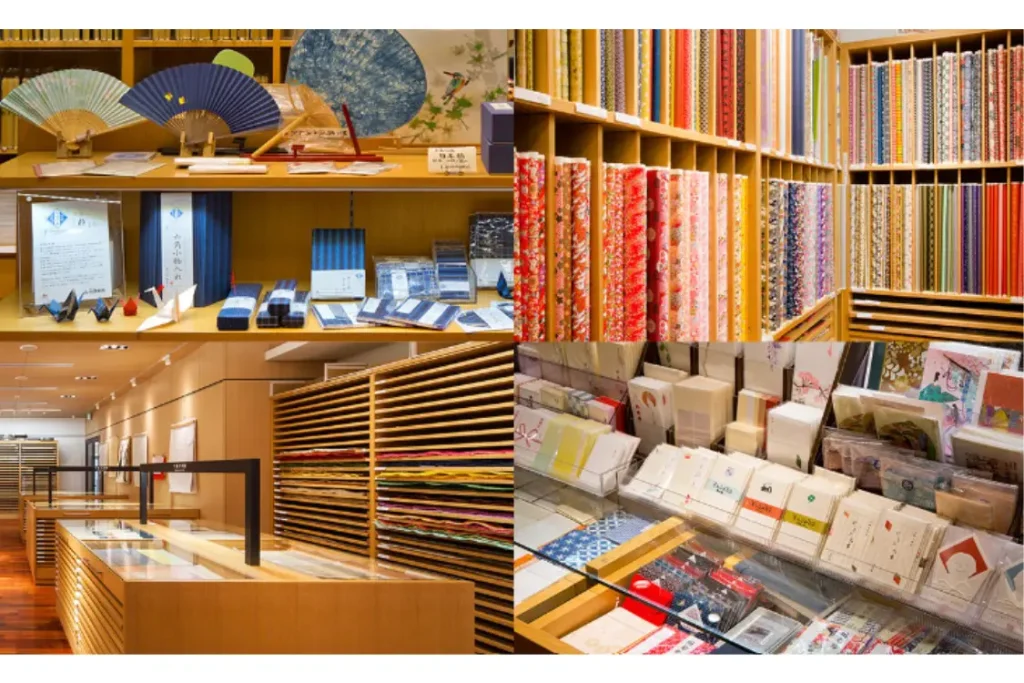
Sales area (1st floor of Ozu Main Building)
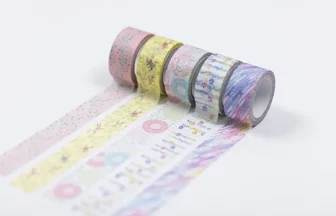
In the store area, in addition to handmade paper made with traditional techniques registered as a UNESCO Intangible Cultural Heritage and highly valued worldwide, items such as stamp books, stationery, envelopes, mini folding screens, and fans made from Japanese paper are also sold.
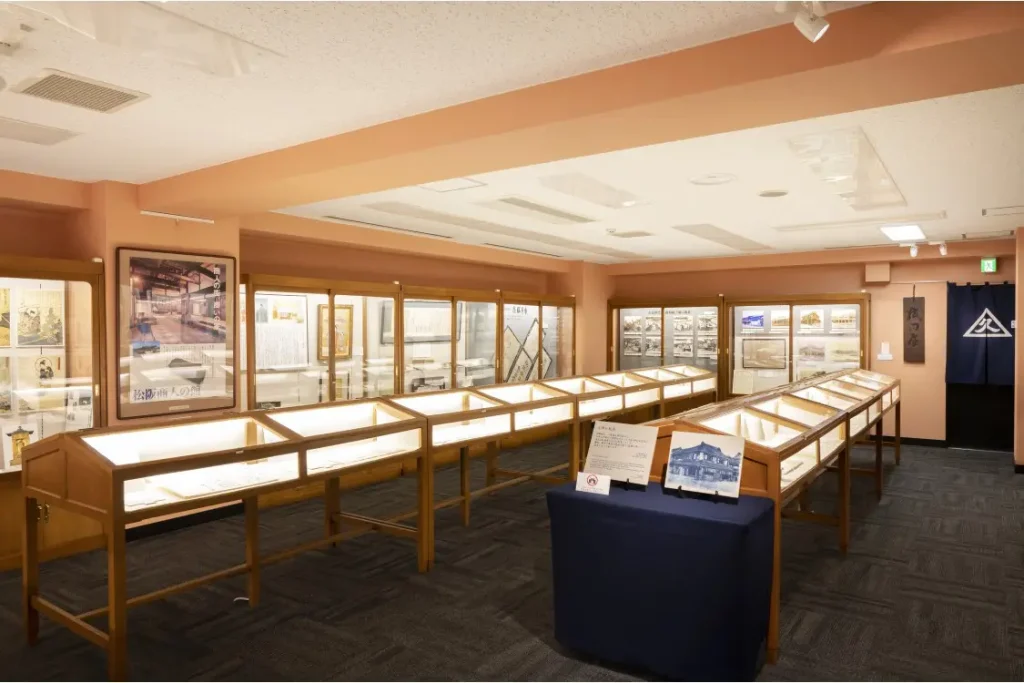
Ozu Historical Museum (3rd floor of Ozu Main Building)
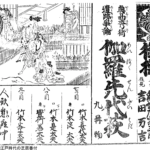
About a thousand historical documents registered as tangible cultural properties of Chuo Ward, Tokyo, and materials detailing the history of Ozu Washi from its founding to the present are on display. Groups of 10 or more who visit with a prior reservation can receive detailed explanations from specialized staff.
Spot Overview
| address (e.g. of house) | |
|---|---|
| phone | |
| Business Hours | |
| regular closing day | |
| Payment Method | |
| External Links |