

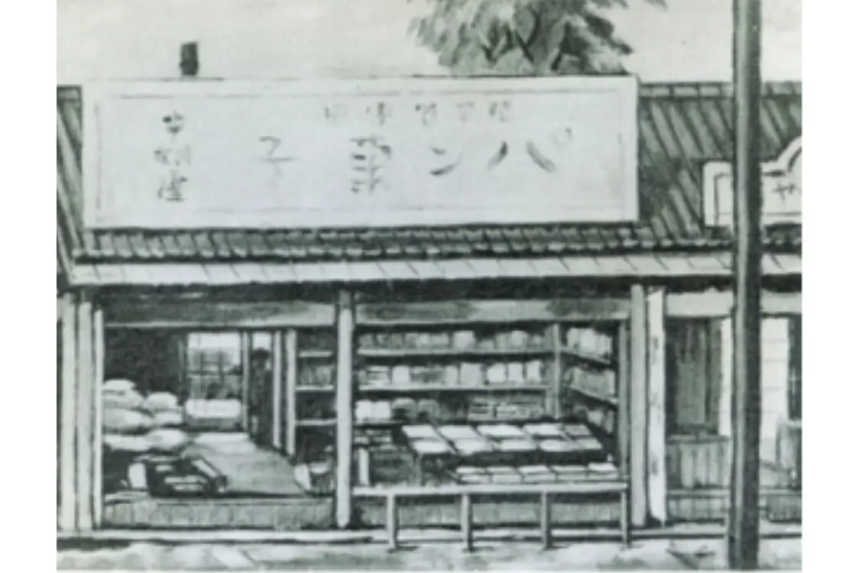
Founded in Meiji 34 (1901)
A long-established store that has delivered the same “delicious taste” since its founding
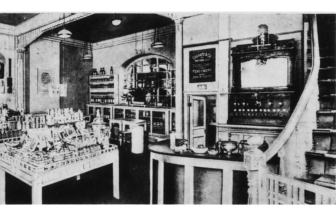
In Meiji 34 (1901), Nakamuraya was founded as a bakery believing that “bread,” still unfamiliar at the time, would become useful in daily life. Shinjuku Nakamuraya created and popularized Japan’s first cream bread, Pure Indian Curry, and Chinese-style steamed buns.
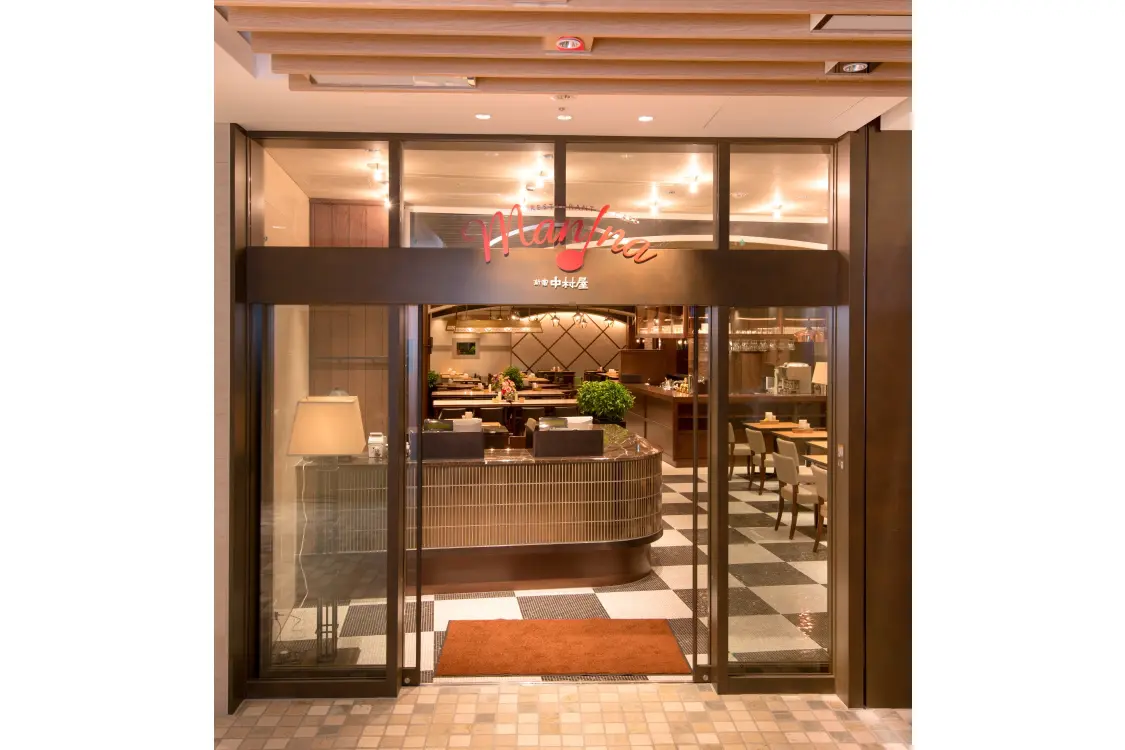
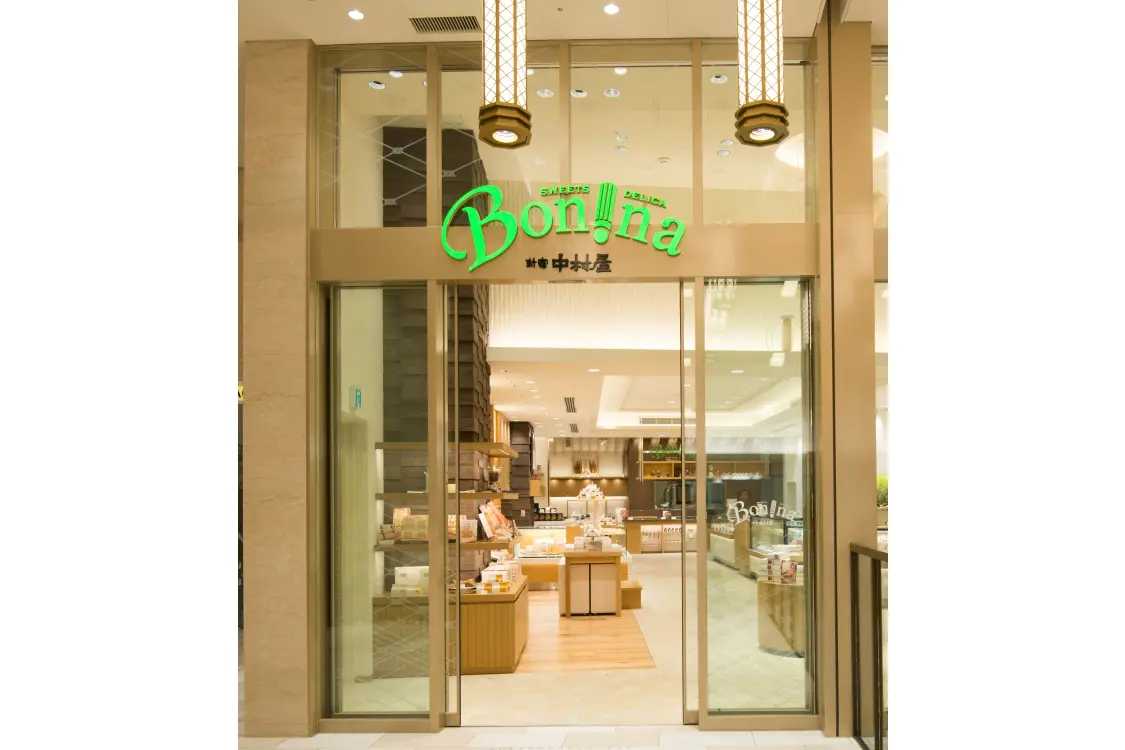
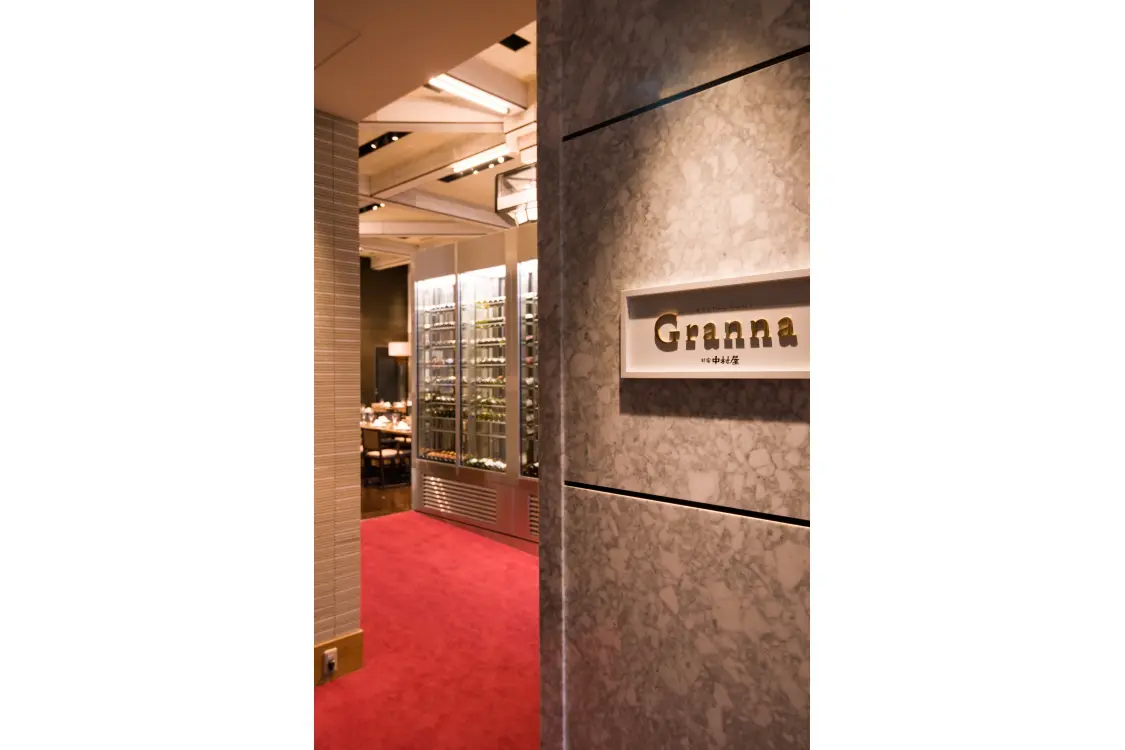
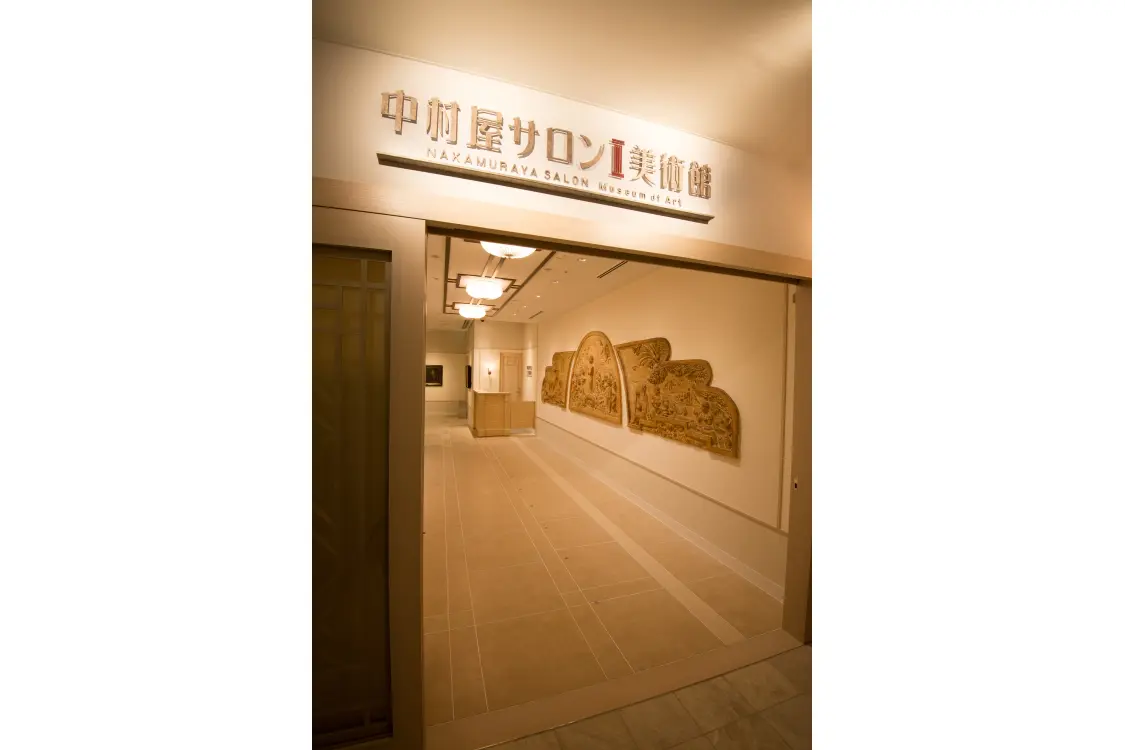
The Shinjuku Nakamuraya Building houses “Restaurant & Café Manna” (B2F), which serves traditional dishes including Japan’s first Indian curry “Pure Indian Curry,” “Sweets & Delica Bonna” (B1F) with a variety of sweets and deli items, “Casual Restaurant Granna” (8F), offering world dishes with Nakamuraya’s essence, and “Nakamuraya Salon Museum” (3F). These three stores and the museum together form the main store.
All stores follow the founding belief of offering food that fits into daily life and brings joy. Their menus show creativity, and each visit brings something “delicious” and “new.”
History
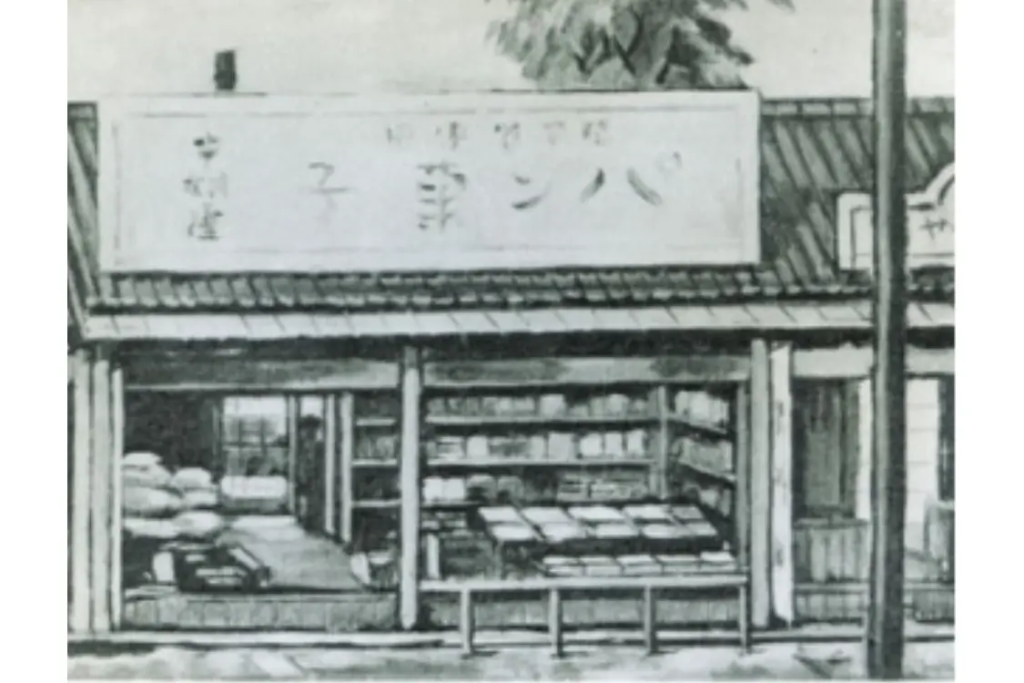
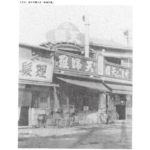
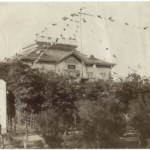
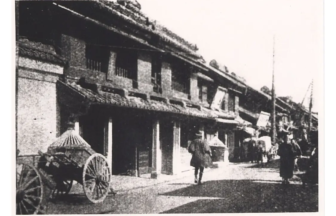
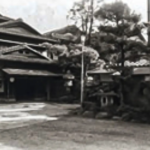
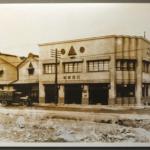
In Meiji 34 (1901), the founders, the Soma couple, focused on “bread” and purchased the bakery “Nakamuraya” located in front of the main gate of Tokyo Imperial University (now the University of Tokyo) in Hongo. They kept the name and started business. Three years later, they created and released the “cream bread.”
In Meiji 40 (1907), they opened a branch in Shinjuku, and two years later moved it to the current location as the main store. As Japan’s food culture changed through the Taisho and Showa eras, they actively introduced new products such as “Pure Indian Curry” and Chinese steamed buns, expanding the business and branching into cafés and restaurants.
This Notable Item
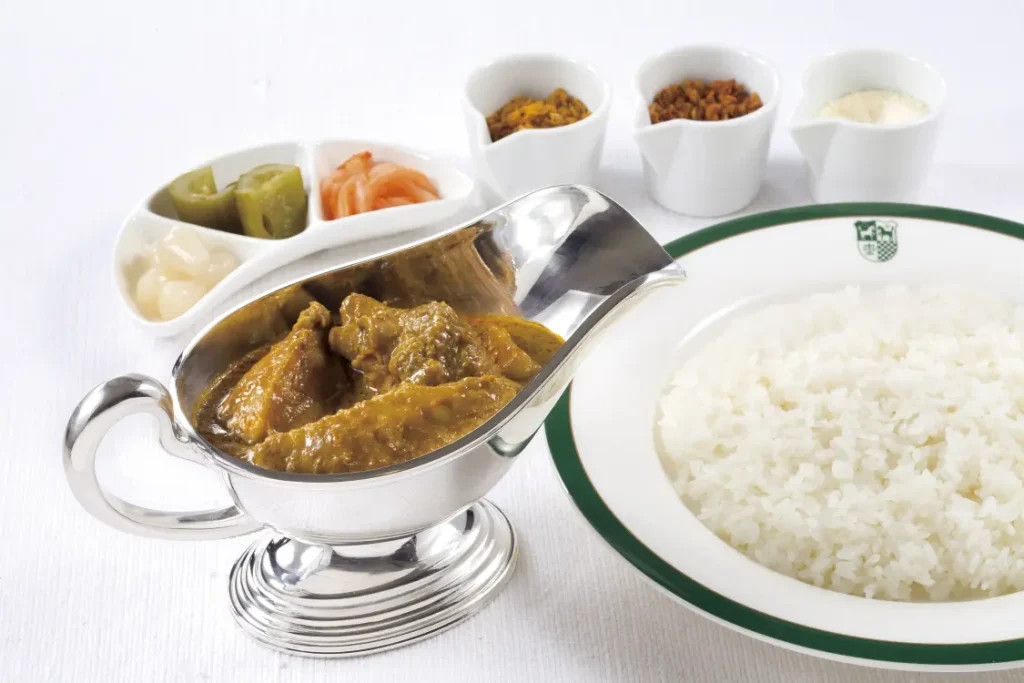
Nakamuraya Pure Indian Curry
1,8701 yen
Released in Showa 2 (1927), “Pure Indian Curry,” Japan’s first authentic Indian curry, is Nakamuraya’s signature dish. It features large bone-in chicken pieces and over 20 spices, creating an aromatic and spicy curry.
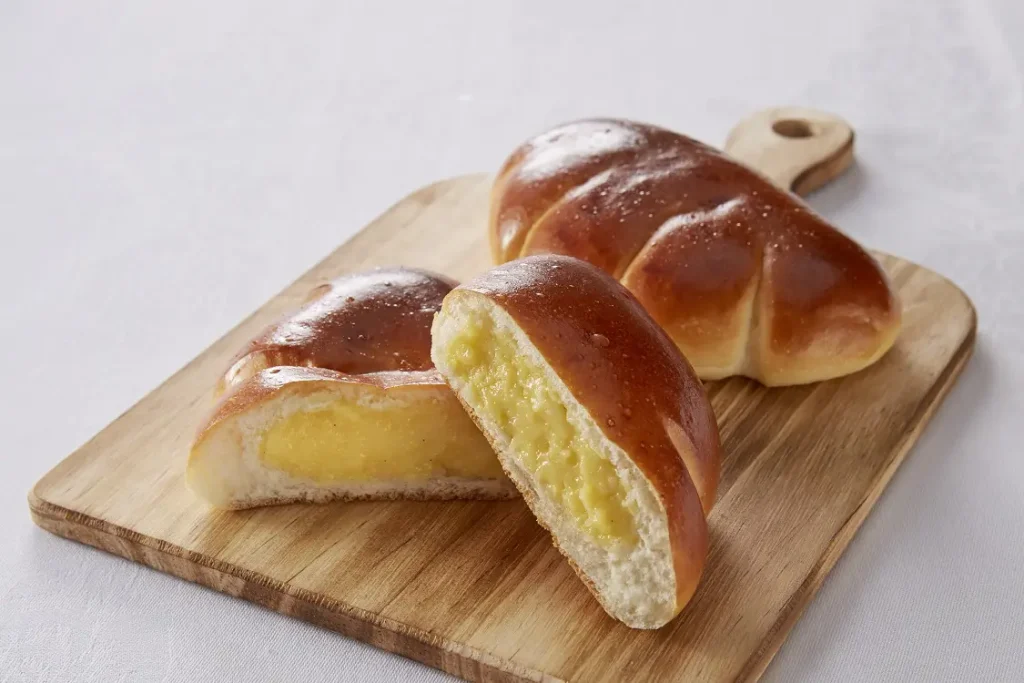
Original Cream Bread
216 yen
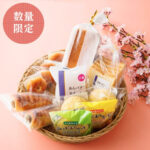
Japan’s first cream bread was inspired by the founders’ delight in eating cream puffs. Filled fully with cream, it is very satisfying.
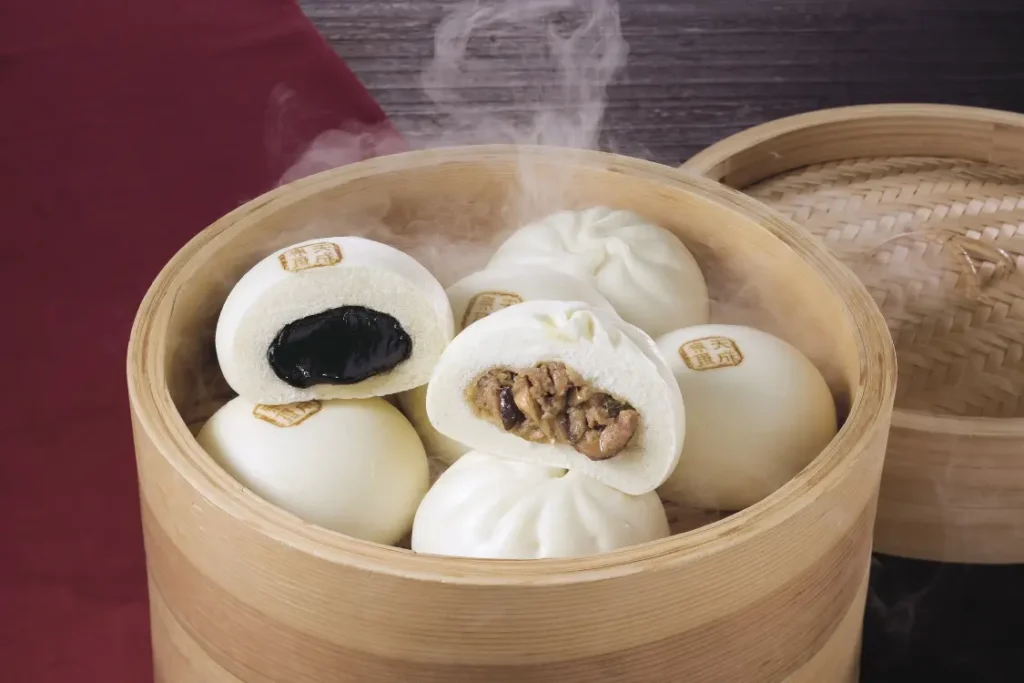
Tensei Meat Bun / Tensei Sweet Bean Bun, Tensei Meat Bun (Small) / Tensei Sweet Bean Bun (Small)
346 yen each, (Small) 216 yen each
Among the various steamed buns sold, the main items are meat buns and sweet bean buns. The taste is improved every year to match modern needs and preferences. The dough, made with their own yeast and long fermentation, has a unique flavor and texture.
Spot Overview
A 2-minute walk from JR Shinjuku Station
Direct access from Tokyo Metro Shinjuku Station
| Address | :3-26-13 Shinjuku, Shinjuku-ku, Tokyo |
|---|---|
| Phone | :[Restaurant & Café Manna] 03-5362-7501 / [Sweets & Delica Bonna] 03-5362-7507 / [Casual Dining Granna] 03-3352-6167 |
| Business hours | :• [Restaurant & Café Manna] 11:00–22:00 (Last order 21:30) • [Sweets & Delica Bonna] 10:30–19:30 • [Casual Dining Granna] Mon–Sat 11:30–22:00 (Last order 21:00) / Sun & Holidays 11:30–21:00 (Last order 20:00) |
| Closed | :All three stores are closed on January 1 |
| Payment methods | :Cash / Credit cards (VISA, MASTER, JCB, AMEX, DINERS, UnionPay) / Electronic money (Transit IC, iD, nanaco, Rakuten Edy, WAON, QUICPay) |
| External link: | https://www.nakamuraya.co.jp/ |
| Seating | :[Restaurant & Café Manna] 118 seats / [Casual Dining Granna] 74 seats |
| Reservations | :Only [Casual Dining Granna] accepts reservations |