

sukiyaki Shinbashi, Shinagawa, Odaiba
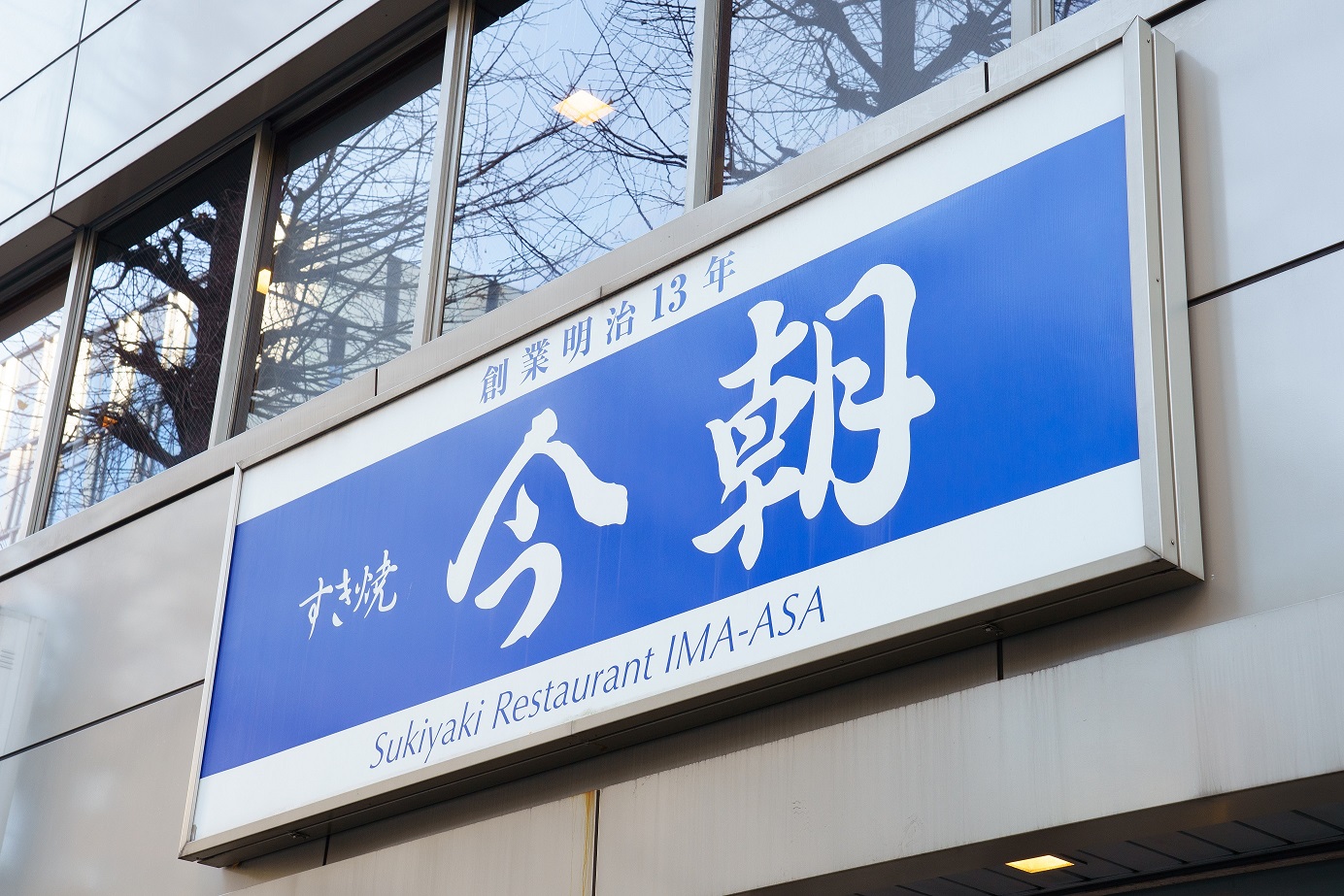
1880 (13th year of Meiji)
sukiyaki thin slices of beef, cooked with various vegetables in a table-top cast-iron pan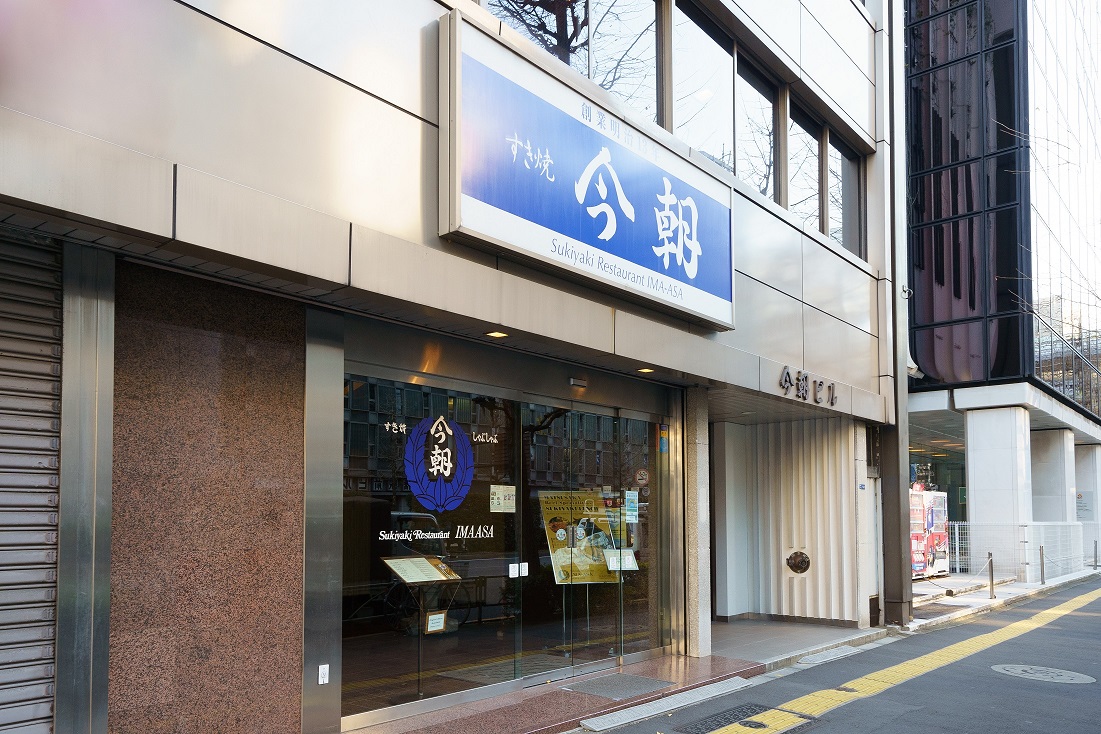
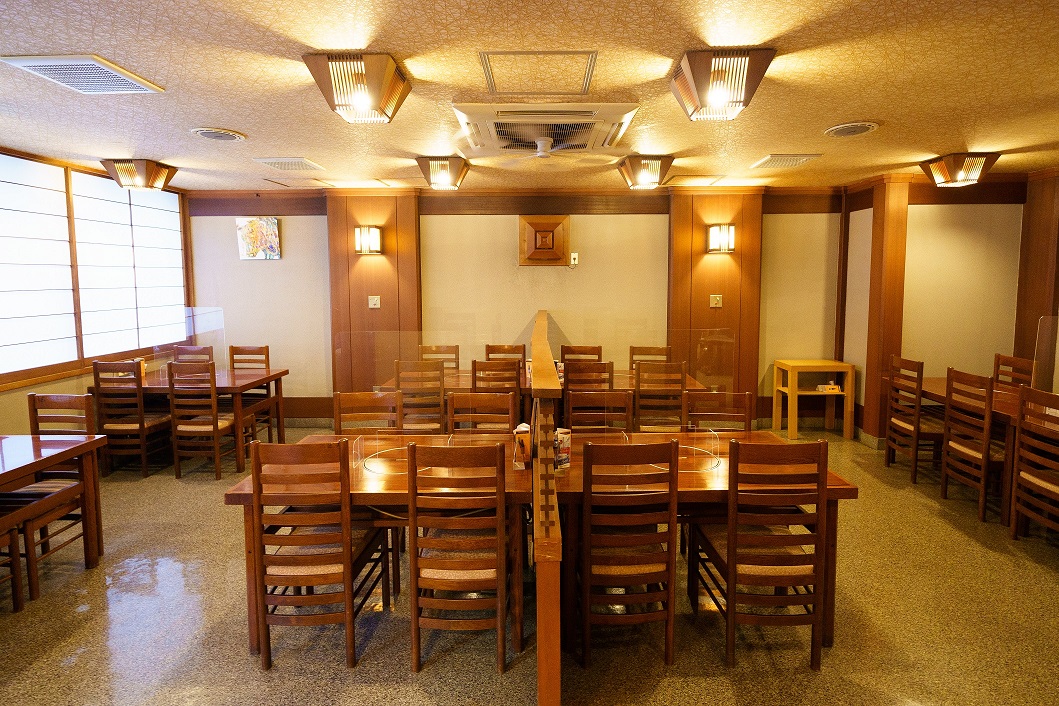
Traditional beef hot pot served in a superbly hospitable setting
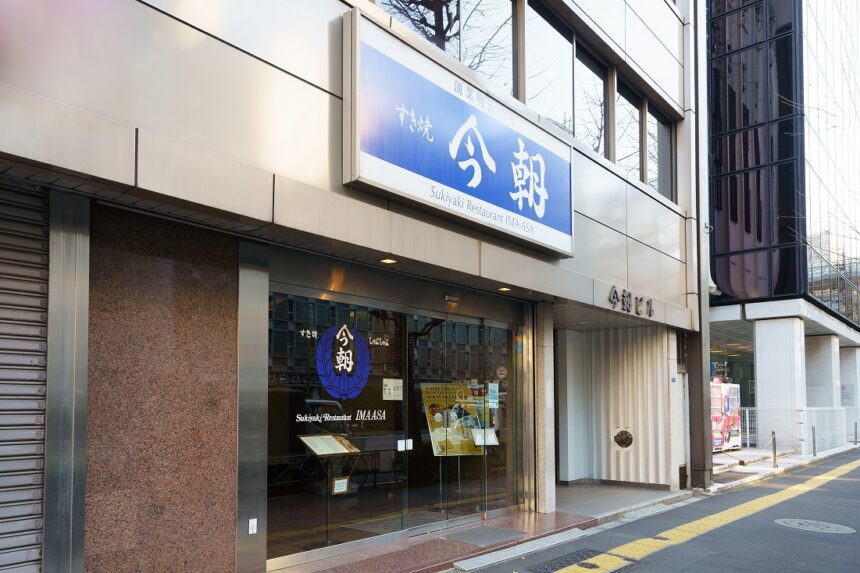
The “Imacho” building stands in the area in front of Shimbashi Station, once the gateway to Tokyo.
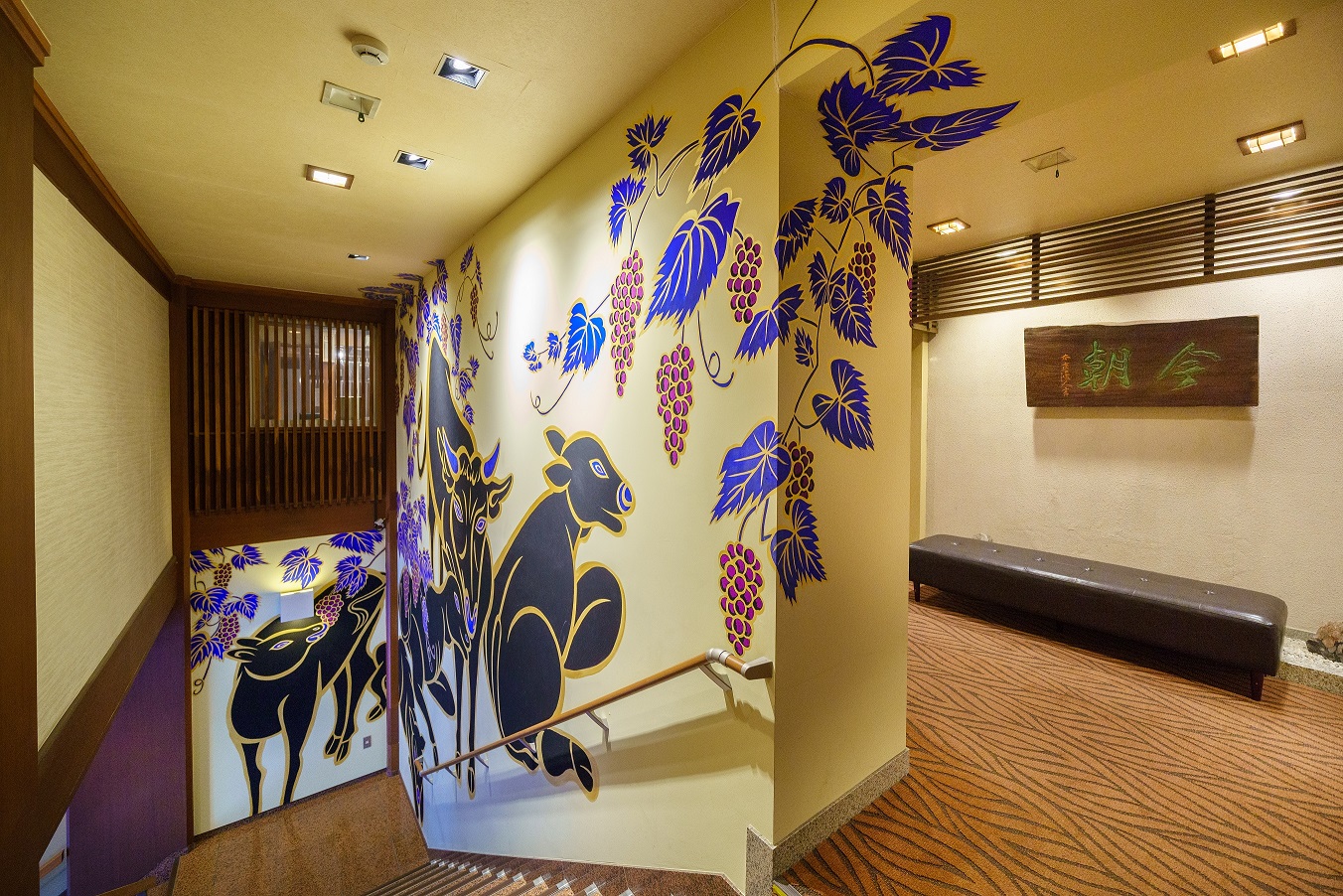
Upon entering the entrance facing Daiichi Keihin Dori, the eye is greeted by “Wagyu & Grape,” a vibrant artwork by muralist Eiki Kimura featuring grapes and black wagyu beef, symbols of fertility. As you ascend the stairs with the uplifting feeling brought about by the art, you will be greeted in the spacious waiting area by a signboard reading “This Morning” written by the philosopher Yoshinari Abe, a disciple of Soseki Natsume, who was active in a wide range of fields from politics to education.
The tatami room with a tokonoma (alcove) decorated with scrolls that the owner personally hangs and changes, and flowers of the four seasons, is the essence of Japanese hospitality. Sukiyaki is served here in the traditional Kanto style, using “warishita” (a cooking method in which a pot is set over a stove and an iron pot is set on the table. A stove and iron pot are placed on the table, and the food is served as it is being cooked. Nakai-san will teach you how to prepare sukiyaki, including how to handle the warishita and the order in which it is added to the pot, so even first-time sukiyaki customers do not need to worry.
The 50-year-old Nambu iron pot is a custom-made product made by the previous generation, who went to Iwate, Japan, and had the pot made with great care, even down to the angle of the rim. The pot’s surface is moist and fatty, and conveys a part of its history.
The meat is cooked in a well-heated iron pot with a sauce made by boiling the meat, and is then quickly browned and mixed with an egg. The meat is melt-in-your-mouth tender and delicious. It is no wonder that this restaurant only serves A5 class Matsuzaka beef and other Japanese black beef. The craftsmanship of cutting the meat piece by piece with a knife, a skill that few craftsmen have nowadays, is truly an art. Admiring the beauty of the meat before putting it in the pot is one of the pleasures of sukiyaki.
The vegetables called “zaku” are also a particular gem. Among them, the Senju leek, a traditional Edo vegetable delivered from a specialized wholesaler, is both sweet and fresh. The tofu is also carefully selected, with freshly made tofu delivered daily from a tofu shop in Shinbashi that has been a longtime friend of the restaurant.
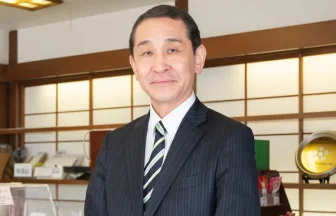
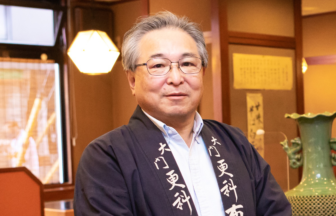
The fifth generation owner, Akira Fujimori, has lived abroad for a long time and has a deep knowledge of wine. His wine cellar has an impressive collection, which is well received by customers from abroad. Of course, there is also a selection of Japanese sake that goes well with sukiyaki.
We hope you will try our authentic sukiyaki, which is a traditional Japanese dish with the spirit of hospitality.

History
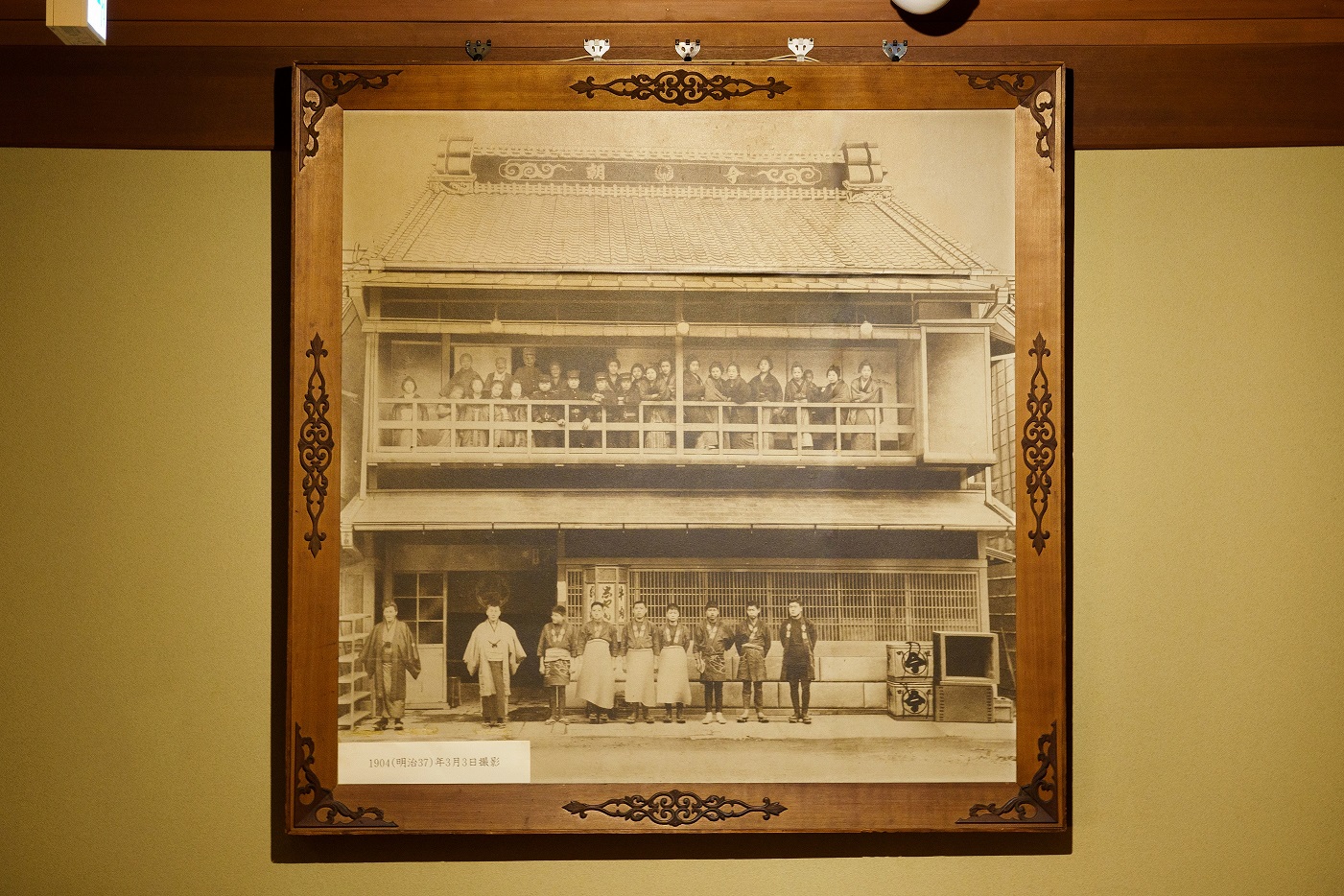
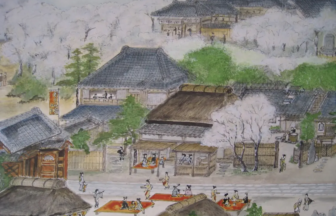
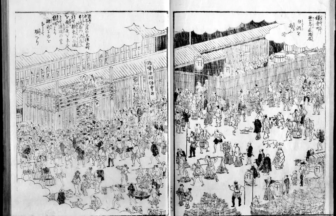
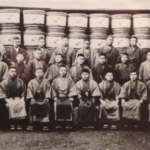
Established in 1880 (Meiji 13). This photo was taken in front of the restaurant in 1904. The history of “Imacho,” which started as a beef hot pot restaurant in Tokyo, which had just changed its name from “Edo,” can be seen from the successive generations of pots displayed in the reception area. Over the generations, the restaurant expanded its scale, and before the air raids, it was a restaurant with a wonderful Japanese garden. The restaurant temporarily closed due to the evacuation, but reopened at the same location. Today, the restaurant continues to serve the finest sukiyaki in Shinbashi.
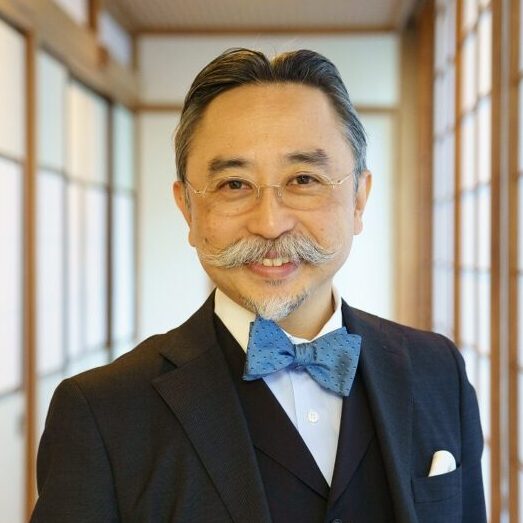
Akira Fujimori
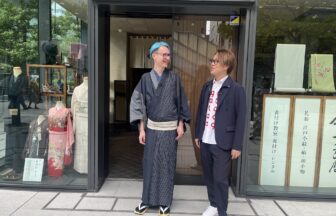
Fifth generation head of the family this morning.
We bring you a real sukiyaki experience!
We can also handle foreign languages based on our experience living abroad. If you have any wine requests, please feel free to contact us. We hope that many people from Japan and abroad will “experience” traditional sukiyaki in a comfortable atmosphere.

Featured products/Pickups
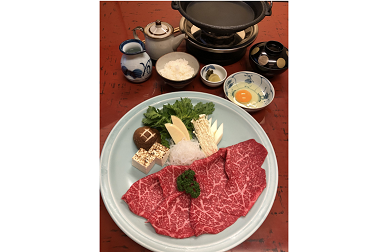
Sukiyaki Set Lunch
3,300 yen
Sukiyaki, vegetables, and egg served with rice, pickles, and red miso soup are the standard lunch menu recommended this morning. The best part is eating it freshly prepared while cooking it in front of you using a special Nambu ironware pot. It is perfect for those who want to learn the proper way to make sukiyaki or for those who are experiencing sukiyaki for the first time.
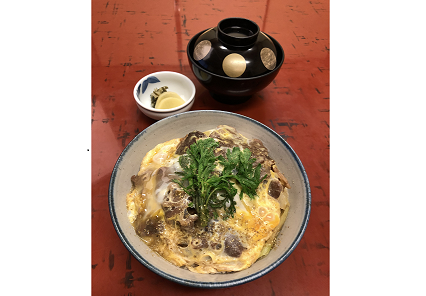
Sukiyaki rice bowl with egg
1,980 yen
Sukiyaki is a popular casual lunch menu item in a bowl of rice topped with an egg. The rice is soaked in the flavor of the meat and the broth that is infused into the rice, which is only possible with a bowl of rice. Even if you are short on time, you can enjoy the authentic taste and satisfaction of this happy dish. Served with pickles and red miso soup.
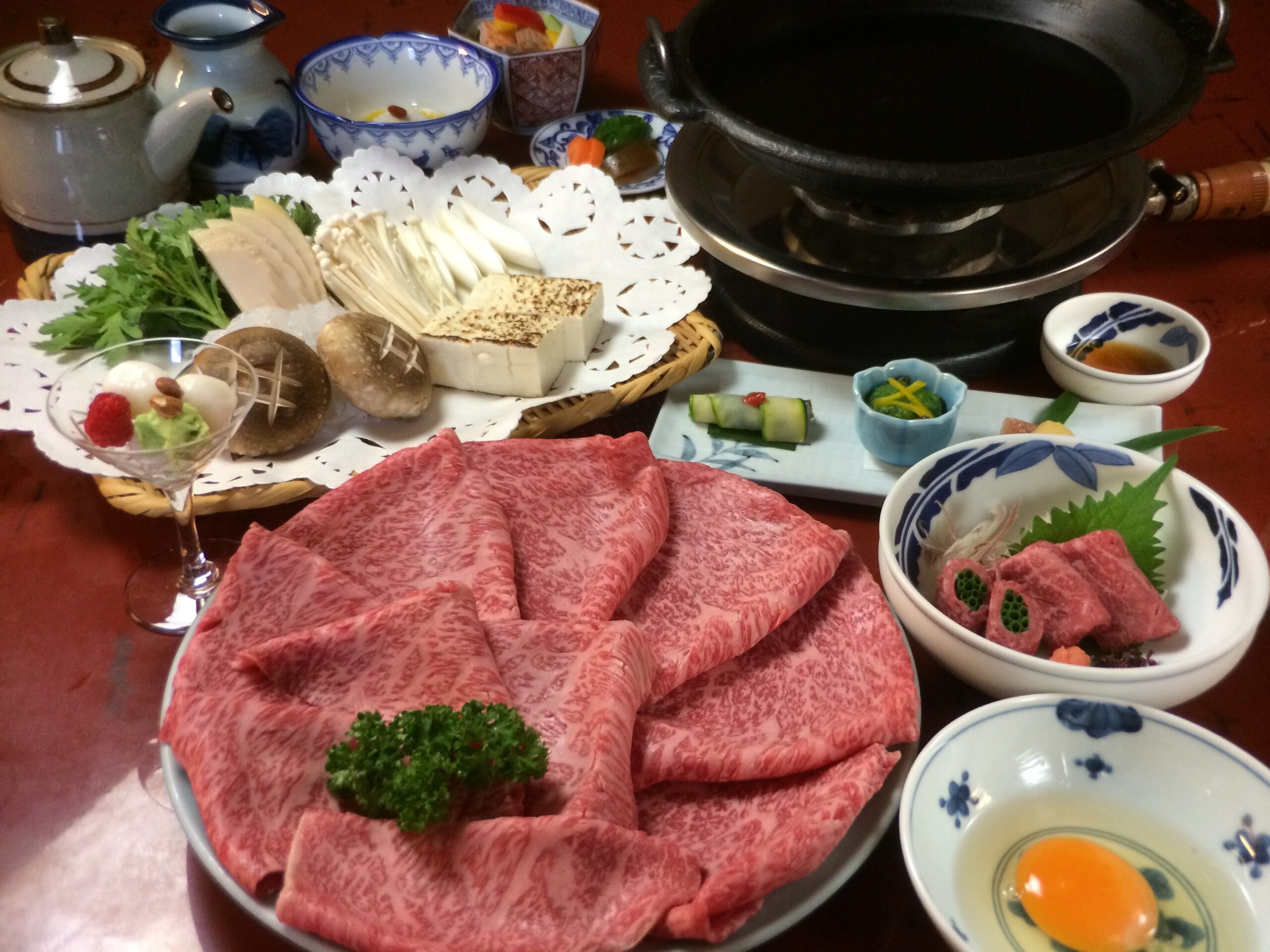
Sukiyaki Set Meal Pine
16,940 yen
The evening course menu is a condensed version of Imacho’s finest. In addition to the carefully selected ingredients, you can enjoy a generous 180 grams of Matsusaka beef loin, which is cut out piece by piece by our craftsmen. The well-balanced lineup of appetizers, shinryo, an entrée, sukiyaki, rice, red miso soup, pickles, and dessert allows you to enjoy your meal in a relaxed manner. (Meat shown in the photo is for two persons)

Spot OutlineOutline
| address (e.g. of house) | 2F This morning building, 1-1-21 Higashi-Shinbashi, Minato-ku, Tokyo |
|---|---|
| Access |
3 minutes from Tokyo Metro and Toei Subway Shimbashi Station, 6 minutes from JR Shimbashi Station, 6 minutes from Toei Subway Shiodome Station
|
| phone | 050-5485-8489 |
| Business Hours |
11:00〜14:30 17:30〜22:00 |
| regular closing day | Saturdays, Sundays, and holidays *Open on Saturdays only in December |
| Payment Method |
Cash Credit cards (AMERICAN EXPRESS, VISA, JCB, Diner’s Club, Mastercard, UnionPay) QR code payment (PayPay, d-payment, auPAY, Jcoin) |
| External Links |
|
| Number of Seats | 80 seats |
050-5485-8489 Official Web Site
The information is current at the time of publication. The information is subject to change.