

Founded in Keichō 1 (1596)
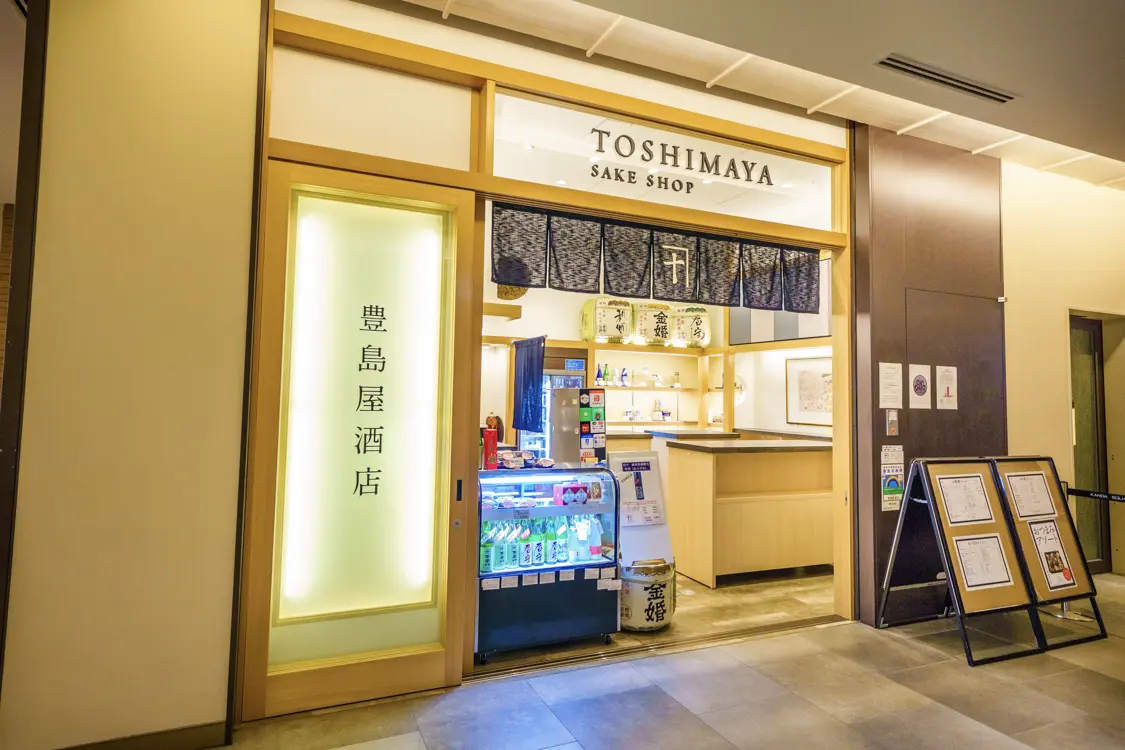
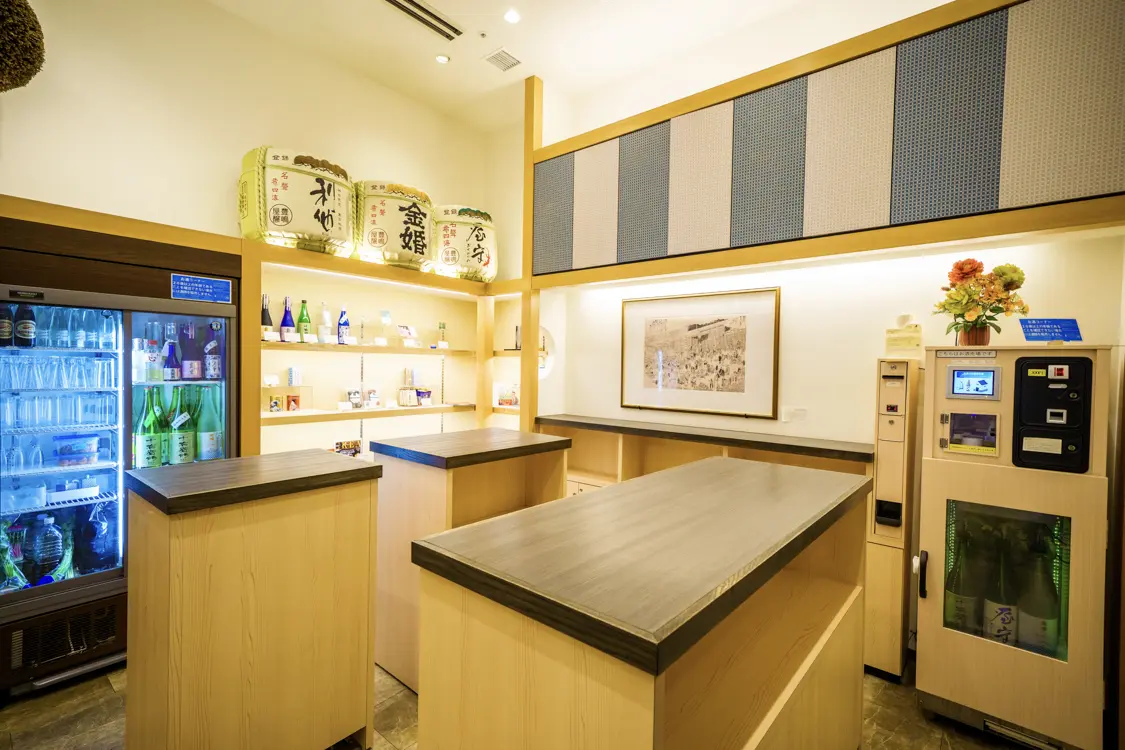
The root of the izakaya, a “Tokyo Modern Tavern” where you can enjoy Edo’s drinking culture
Toshimaya was born amid the lively development of Edo. It became popular as a place offering sake brought from the Kansai region at affordable prices.They also sold large tofu dengaku as inexpensive snacks, and this is said to be the prototype of the modern izakaya.
Shirazake, drunk during Hina Festival, was also a specialty of Toshimaya.Shirazake is made by fermenting steamed glutinous rice and rice malt with mirin, then grinding it with a stone mill.Unlike amazake, which is made from fermented rice and rice malt and has almost no alcohol, shirazake has about 7% alcohol.Shirazake gained popularity in Edo, where women could openly drink only during the Hina Festival, and Toshimaya still carefully makes it today.
Sake brewing, which began in the Meiji era, expanded over time, including the pure rice sake “Juemon” named after the founder.Their lineup now includes many varieties such as “Edo Sake Prince,” a ginjo made entirely from Tokyo water, rice, yeast, and ingredients.
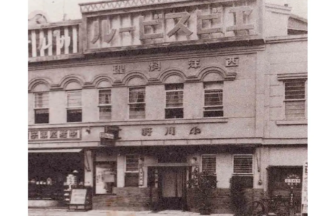
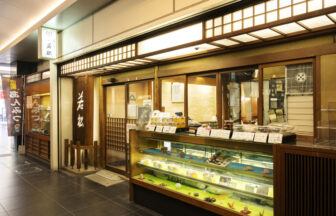
In 2020 (Reiwa 2), this Toshimaya sake bar opened as a standing izakaya selling sake and snacks in a complex building near its founding site in Kanda Nishikichō.It marked the reopening of their izakaya about a century after the shop collapsed in the Great Kanto Earthquake.In the modern interior, easy for both workers and residents—men and women alike—to enter, guests can enjoy many sake brands, as well as popular modern services like a sake subscription plan.There is also a wide variety of snacks that go well with sake, including the classic Edo specialty, tofu dengaku.Enjoying Tokyo sake with the same fragrant grilled miso aroma as in Edo is truly a delicious heritage that connects Edo and modern Tokyo.It has delighted people’s palates from Edo’s beginnings to today.
History
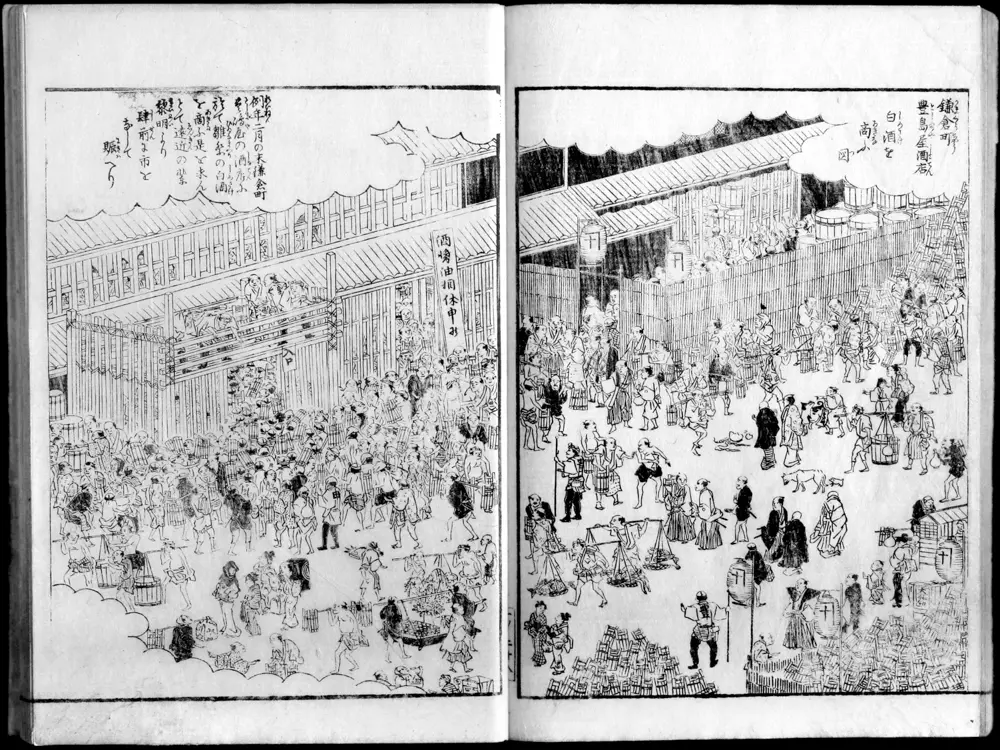
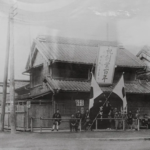
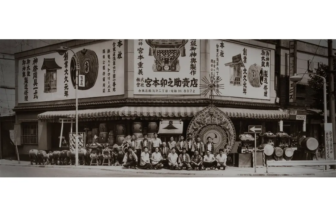
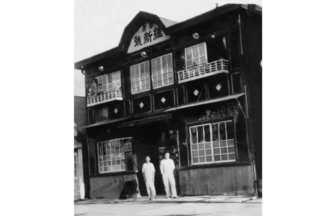
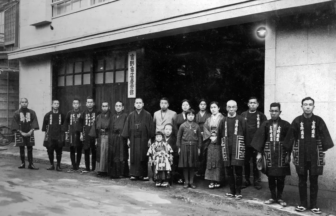
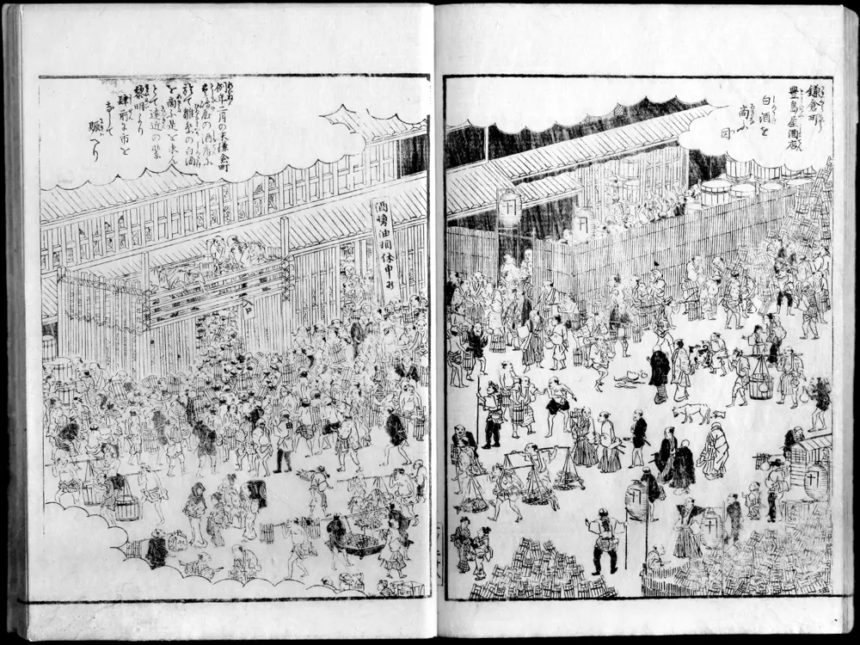
It began in 1596 at Kanda Kamakuragashi, when the first Toshimaya Juemon opened a sake shop and tavern.They sold Kansai sake at reasonable prices, and tofu dengaku snacks also became famous.Shirazake brewed by Juemon became so popular that on a special day before the Hina Festival, they sold only shirazake, protecting the storefront with barriers and placing people on watchtowers to control the crowds.The late-Edo “Edo Meisho Zue” (Tenpō era) depicts crowds gathering before dawn to buy shirazake.From the mid-Meiji era, they also began brewing refined sake.Their signature brand “Kinkon,” named to celebrate the 25th wedding anniversary of Emperor Meiji, is a representative Tokyo sake offered as the sole sacred sake at Meiji Jingu and Kanda Myojin.
**23. The photo shows a scene of selling shirazake at Toshimaya Sake Shop in Kamakura-chō, from Edo Meisho Zue (1836). **
We offer new value in Japanese sake here in Kanda, our founding place.
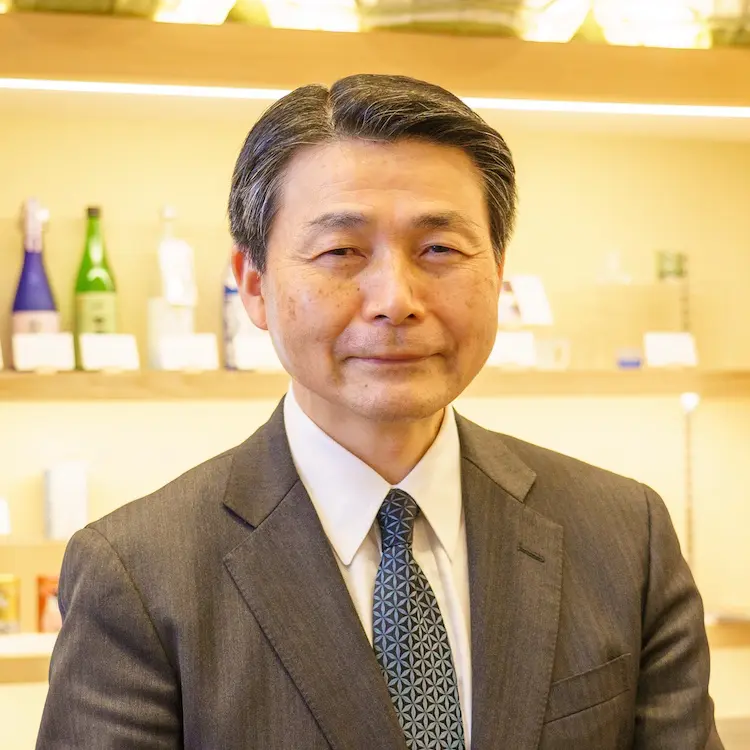
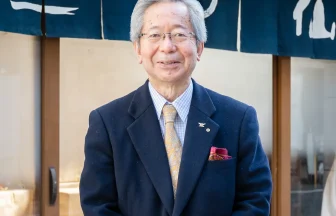
Mr. Toshiyuki Yoshimura
16th-generation head of Toshimaya Honten
Our guiding principle is “preserving the unchanging while embracing the new.”As a brewery, making honest and delicious sake is natural for us, but at this tavern, we also want to offer surprising new ways to enjoy sake through original dishes.
This Notable Item
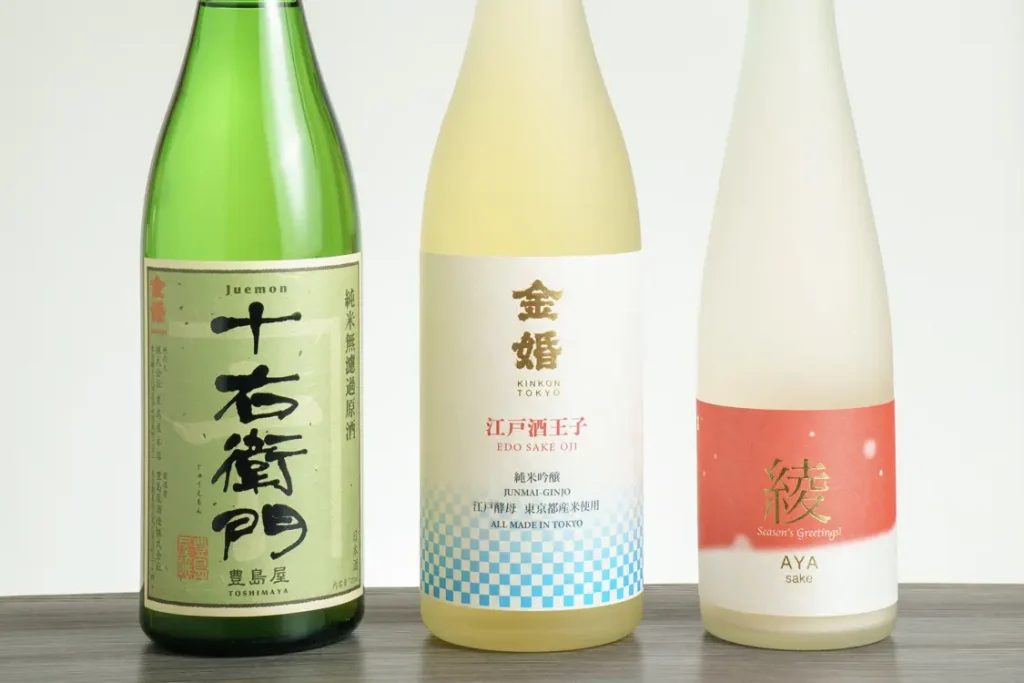
Three popular sake brands
1,650 yen / 2,530 yen / 1,386 yen
“Kinkon Junmai Muroka Genshu Juemon,” a dry sake with sharpness and depth.“Kinkon Junmai Ginjo Edo Sake Prince,” which won the Platinum Award in the French-run Kura Master sake competition.“Kinkon Lightly Sparkling Junmai Usu-nigori Aya,” a dry, naturally sparkling sake retaining filtered moromi components.
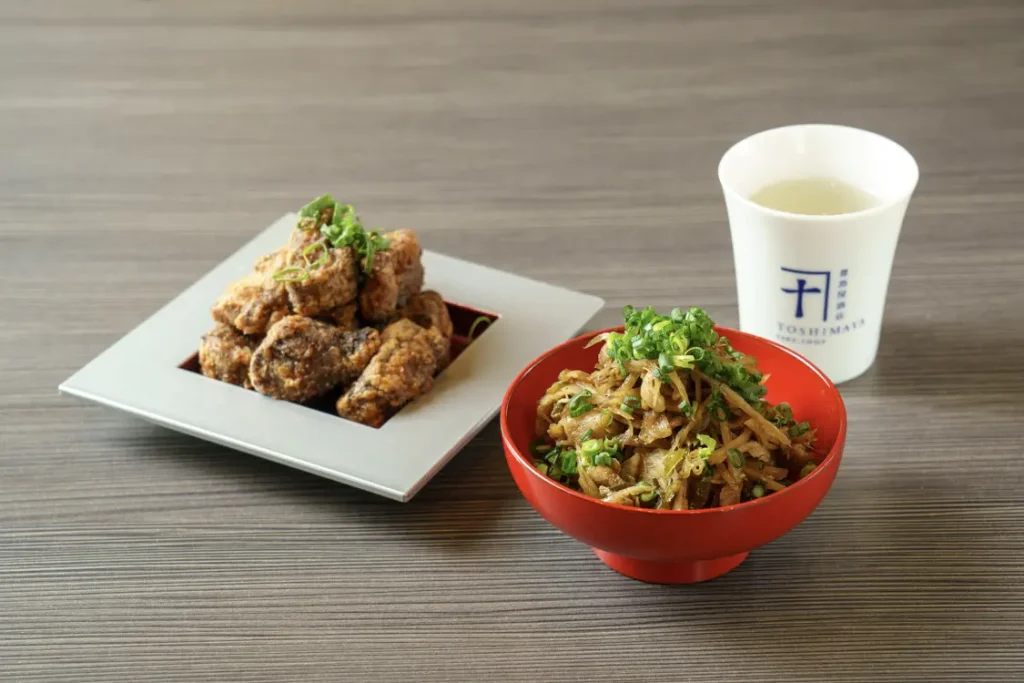
Dinner Drink Set
1,000 yen
A set including one drink of your choice and two daily side dishes.The photo shows “Beef and burdock” and “Deep-fried tuna dark meat.”The daily snacks are known for their good balance of aroma, texture, and rich flavor, offering satisfying volume and great value.
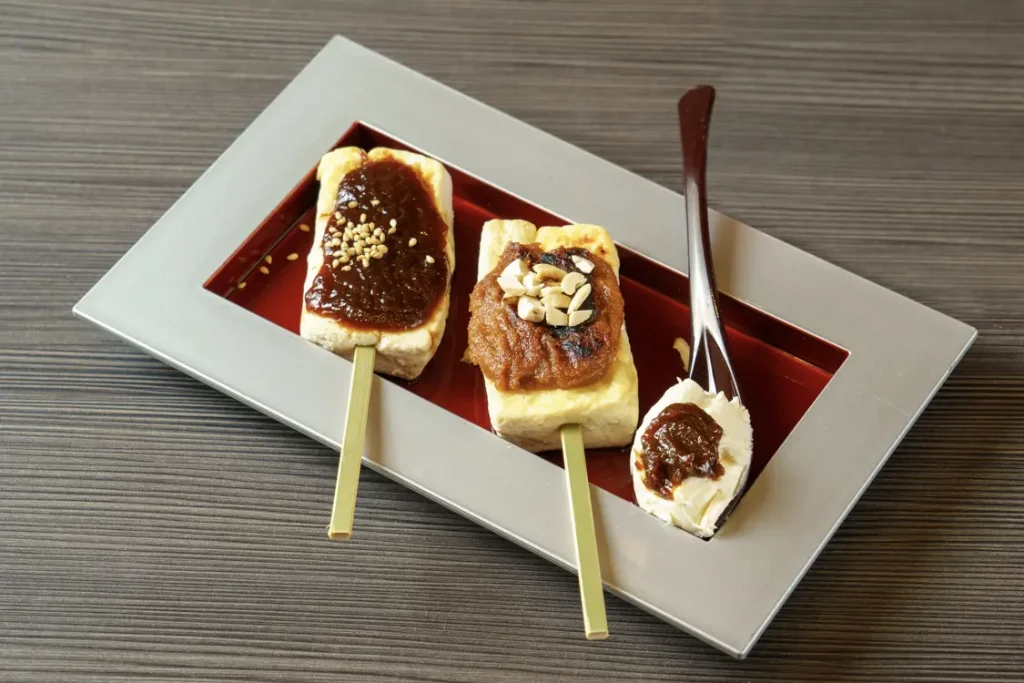
Special Dengaku Trio
1,100 yen
Traditional tofu dengaku made with cotton tofu from Kanda’s long-established tofu shop Echigoya, topped with Chicuma Miso’s Edo-style sweet miso.The recommended set is a trio featuring the classic plain miso dengaku plus two seasonal miso variations.
Spot Overview
| address (e.g. of house) | |
|---|---|
| phone | |
| Business Hours | |
| regular closing day | |
| Payment Method | |
| External Links |