

Ansei 3 (1856)
Beautiful wagashi carefully handmade, also ideal for welcoming foreign guests
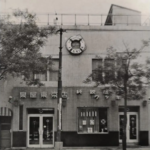
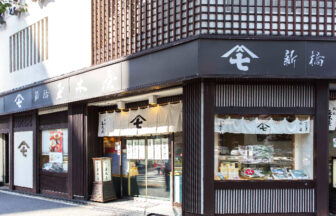
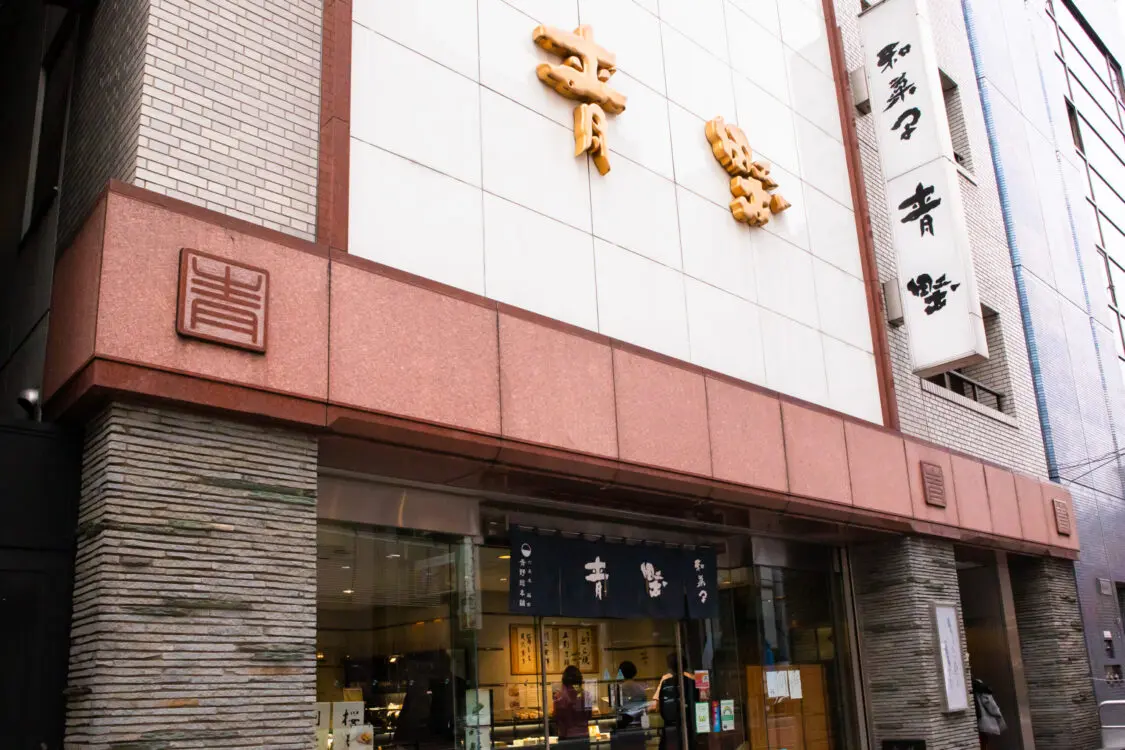
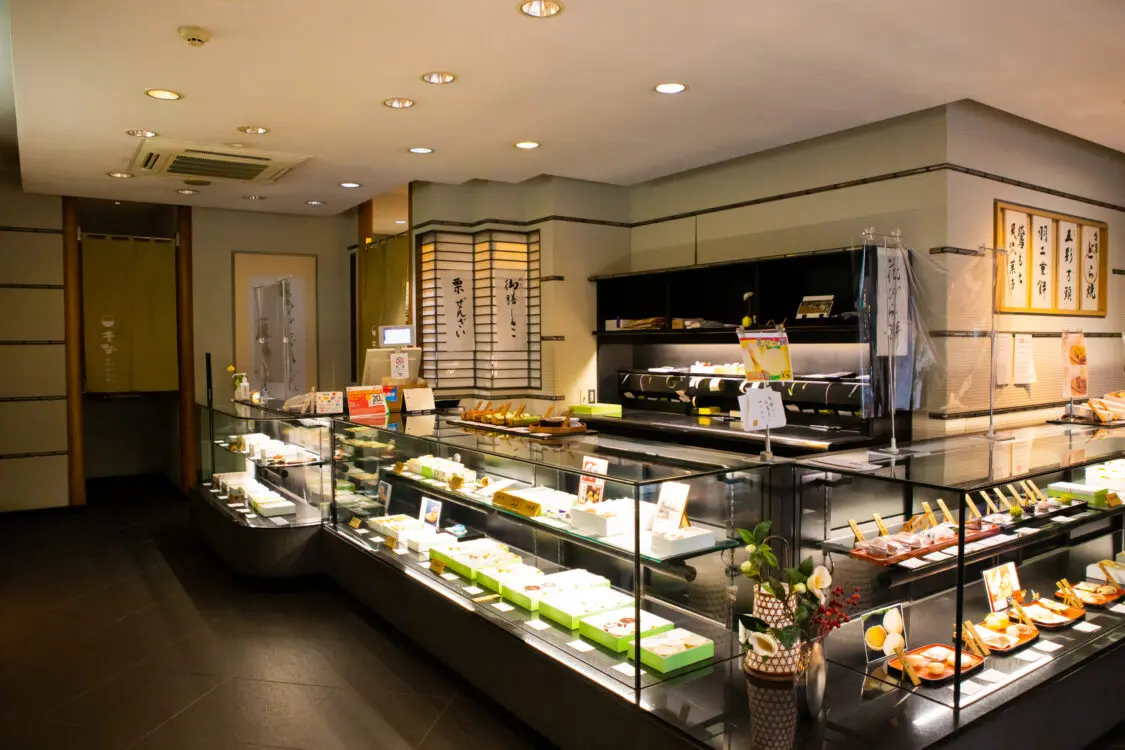
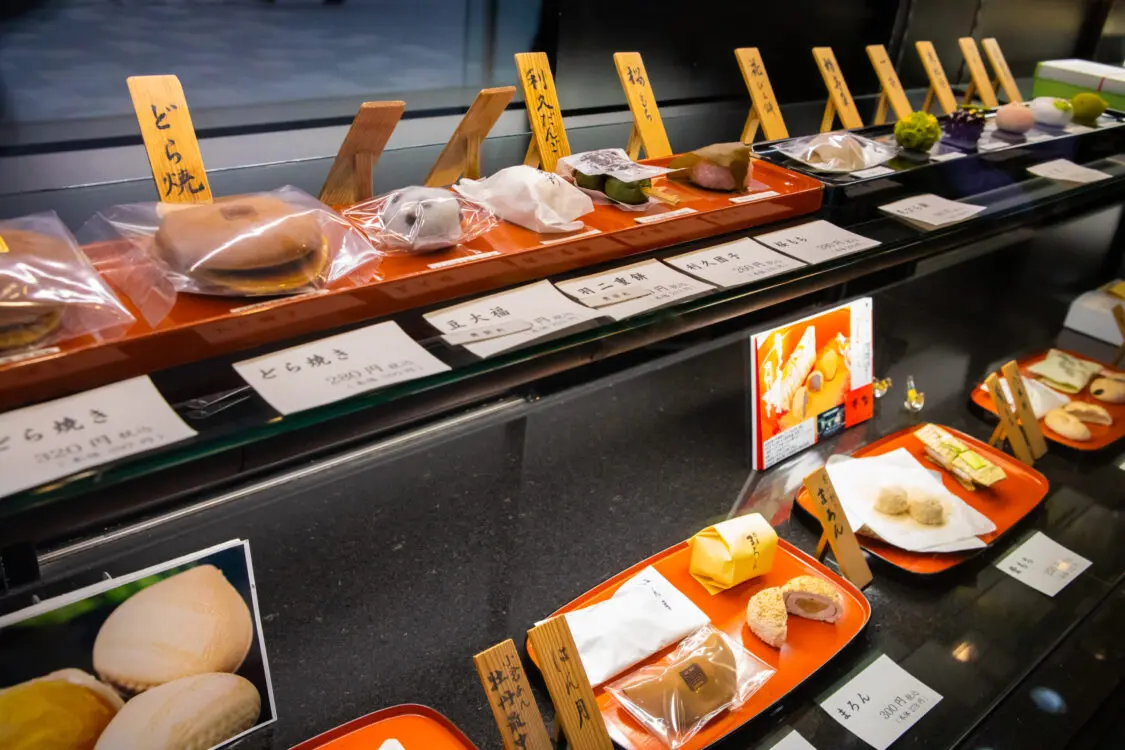
Walking from the Roppongi intersection along Gaien Higashi Street toward Tokyo Tower, you will soon see the calm-looking wagashi shop Aono Sohonpo on your left.Since its founding in the Edo period, it has long been loved in the Roppongi area.The display cases are lined with famous sweets such as dorayaki, monaka, yokan, and zenzai, all carefully crafted by generations of owners.The specialty is “Uguisu Mochi,” made by wrapping sweet bean paste in gyuhi and coating it with kinako.In the early Showa period, the fourth-generation owner created bite-sized, individually wrapped Uguisu Mochi after receiving a request from his actor brother for sweets that could be eaten backstage without making a mess.It remains popular to this day.
All wagashi sold here are made by skilled artisans in the workshop next to the shop.Only carefully selected ingredients are used.For example, azuki beans, essential for sweet bean paste, are selected from Hokkaido varieties based on color and size depending on their use.In addition, the sweetness, moisture, and color of the bean paste are adjusted for each product, resulting in over ten variations of smooth bean paste alone.The production methods are also adjusted each time according to temperature and humidity.
A wide selection of seasonal wagashi is available, and many nearby companies purchase them to entertain overseas guests.These carefully handmade wagashi are also valued as high-quality gifts and souvenirs.
History
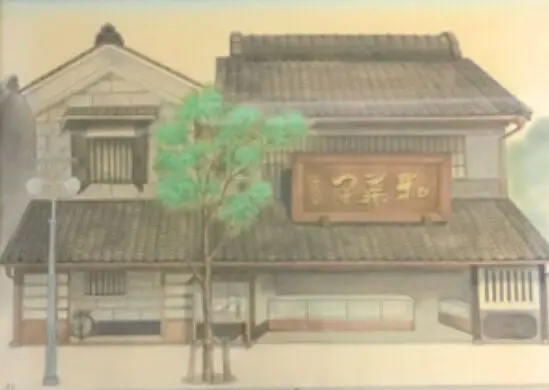
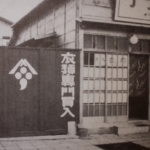
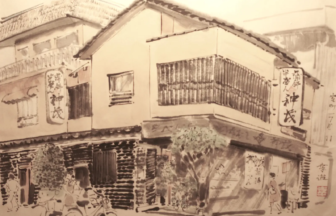
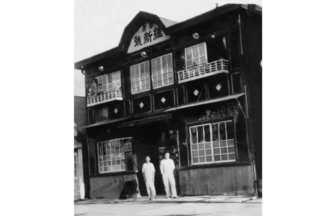
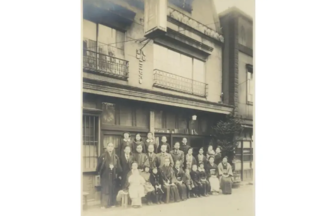
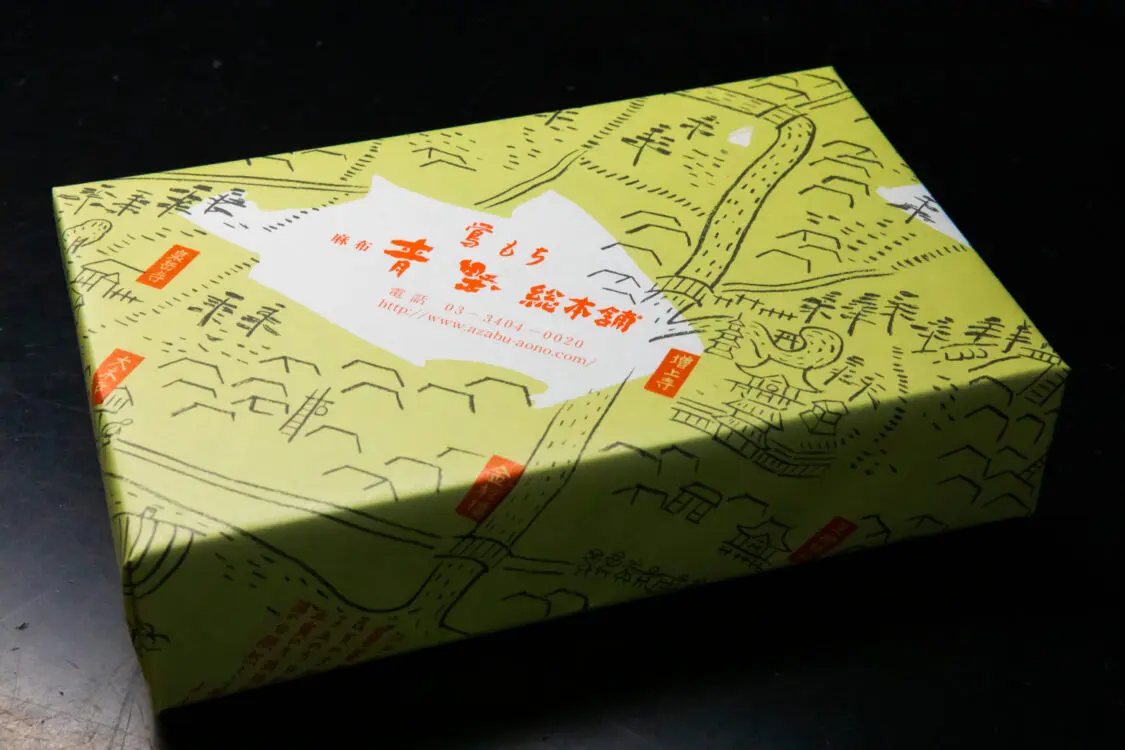
Founded in Ansei 3 (1856) as a wagashi shop in Azabu Ichibee-cho (around today’s Roppongi-Itchome Station).The shop supplied wagashi to nearby daimyo residences and temples and shrines.The current wrapping paper features an old map design, offering a glimpse of the area at the time of founding.The shop moved to its current location in Meiji 20 (1887).
Please enjoy wagashi carefully handmade by skilled artisans
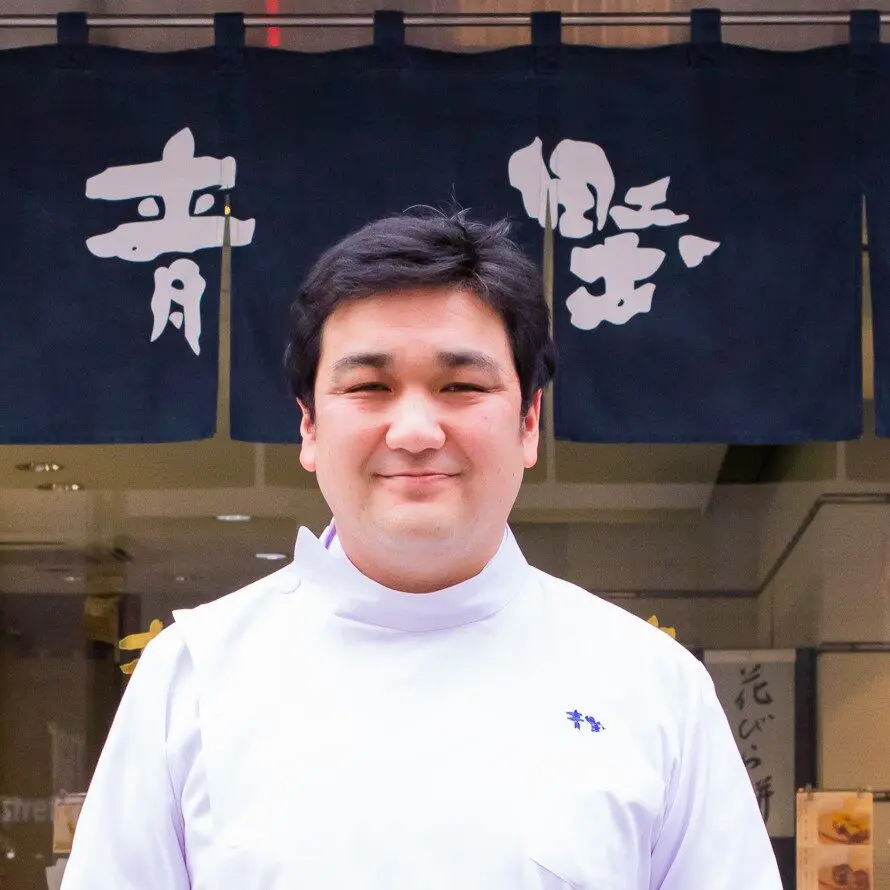
Terunobu Aono
Sixth-generation head of Aono Sohonpo
As customers’ eating habits change, the flavors they seek also change.I believe that the taste of wagashi must also evolve with the times.However, the scene of artisans carefully making wagashi every day in the workshop has not changed since long ago.There are about ten artisans today, including some who have been involved in making wagashi here since I was a child.I hope many people will enjoy the wagashi we make with care and sincerity.
This Notable Item
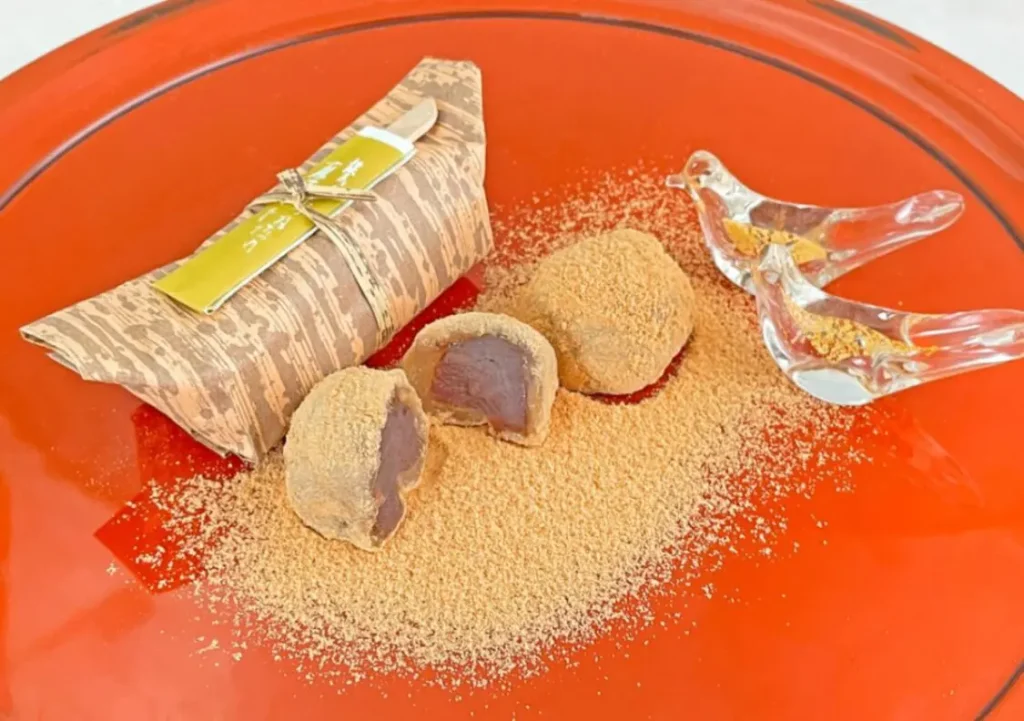
Uguisu Mochi
1 piece, 250 yen
Aono Sohonpo’s signature sweet, made by wrapping smooth bean paste from Hokkaido azuki beans in gyuhi and coating it with special Hokkaido kinako.Inspired by Matsuo Basho’s haiku, “Seeking the bush warbler, seeking it as far as Azabu,” it is shaped to resemble a warbler resting in a bamboo-leaf boat.
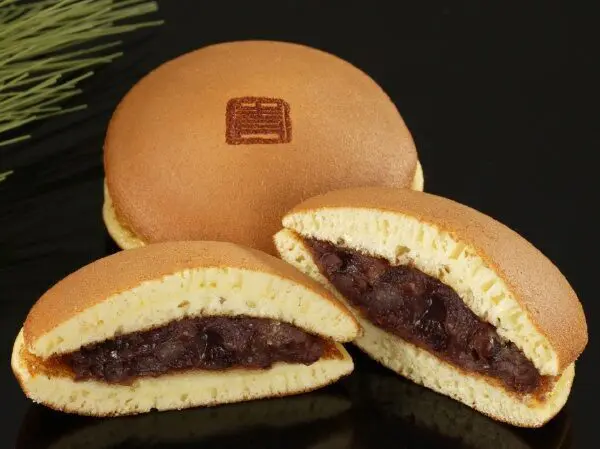
Dorayaki
1 piece, 280 yen
Dorayaki is a relatively new product, introduced in the 2000s.It features moist, fluffy pancakes filled with softly textured chunky bean paste.After more than 30 improvements, it has become a popular item.Burned-in stamps such as “Thank you” or “Congratulations” are available, and company or school names can also be added for an additional fee.
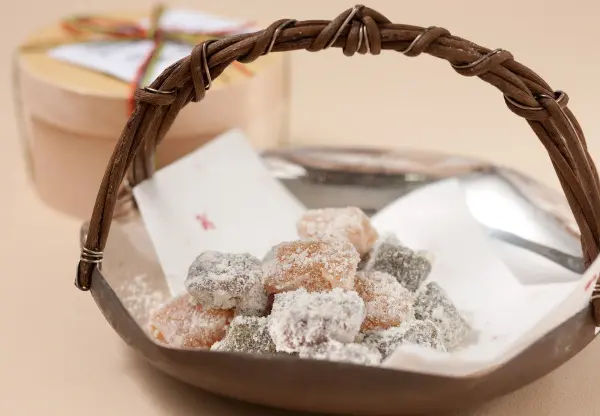
Irodori
900 yen
Generously made with wasanbon sugar produced from carefully selected sugarcane grown in the Sanuki region of Shikoku.A luxurious sweet featuring bite-sized mochi in three flavors—matcha, apricot, and brown sugar with walnuts—coated with naturally sweet wasanbon sugar.Elegant in appearance, it adds a refined touch to tea time.
Spot Overview
| address (e.g. of house) | |
|---|---|
| phone | |
| Business Hours | |
| regular closing day | |
| Payment Method | |
| External Links |