

Adult Manners CourseSeasonal way of lifeday of the ox (esp. in midsummer or midwinter)day of the ox in midsummer (during the hottest season)event held on the day of the dog days of summer solsticeFood for the Eastersummer high (summer)Summer Saturday 2023
It is well known that eels are eaten on “Doyo no Ushi”, but do you know why we eat eels? In this issue, we will introduce the meaning of “Doyou no Ushi”, how we came to eat unagi, and other things related to “Doyou”. Ms. Hiroko Nishide, a manner consultant, also tells us about the way to eat unaju, a dish that you may know but may be surprised to learn. We are sure you will be looking forward to the day of the Ox in this year’s Doyou.
What is the origin of “Doyo no Ushi”?
The day that falls on the “Ox” in the “Doyou” period, which occurs four times a year, is the “Doyou no Ushi no Hi” (day of the Ox in the Doyou period).
First, let us start with Nijushisekki. Nijushisekki is a seasonal calendar that divides the movement of the sun into 24 equal parts over the course of a year, and gives names to each of the 15 days that correspond to a season. The beginning of spring is called “Risshun,” followed by “Risshatsu,” “Risshaku,” “Risshaku-autumn,” “Risshun-winter,” and so on. These are called “Shiryu”. The “Doyou” refers to the 18 days before the “Shiryu”.
On the other hand, the “day of the Ox” is the day that falls on the “Ox” of the twelve signs of the Chinese zodiac. In the old calendar, days were not numbered as 1, 2, or 3, but as the twelve signs of the Chinese zodiac. Therefore, the day of the Ox during the Doyou period is called “Doyou no Ushi no Hi” (day of the Ox in Doyou).
taboo against using the “dirt period” (i.e., the period between the end of the year and the beginning of spring)
The word “Doyo” is an abbreviation of “Do-o-Yo,” which means “the soil works vigorously. Therefore, there are certain things that should not be done during Doyou.
First of all, we should not do anything that moves the soil, such as tinkering with the soil, weeding, or digging holes. This is because it is believed that the spirit of Dokushin, the god of the soil, becomes active during Doyou, and that moving the soil is not allowed. However, since it would be a hindrance if work such as construction cannot be done for about 18 days, it is considered safe to work with the soil on “ma-bi” days, when Dokoshin Dokoshin goes to the heavenly realm and is away from the earth. For your information, the ma-bi days of summer are the days of the Rabbit, Dragon, and Rooster, and in 2023 they are July 20, 21, 25, and August 1, 2, and 6.
In addition, it is advisable to avoid starting something new or making a big move during Doyou, such as getting married, tying the knot, buying a new house, finding a new job, changing jobs, opening a business, or opening a new store.
It is believed that this is due to the fact that people tend to get sick easily during the change of seasons, and that it is better to stay quiet during the Doyo period.
When is the Ox Day in 2023?
Now let’s look at when the Ox days are in 2023.
Winter: Thursday, January 19 and Tuesday, January 31
Spring: Tuesday, April 25
Summer: Sunday, July 30
Autumn: Sunday, October 22 and Friday, November 3
The summer Doyou no Ushi day in 2023 will be Sunday, July 30. The Doyou period lasts about 18 days in each season, and in some years, the “Doyou day of the Ox” comes around twice, counting according to the twelve-day cycle of the Chinese zodiac. In such cases, the first day is called “First Ox” and the second “Second Ox”.
Reasons for eating eels on the day of the Ox in Doyou
There are several theories as to why people started eating eels on the day of the Ox in Doyou.
In Japan’s oldest anthology of poetry, Manyoshu, there is a poem written by Otomo no Yakamochi, entitled “To Ishimaro, I say: Eels are good for summer slimness. This poem means “Eels are good for losing weight in summer,” and as early as the Nara period (over 1,200 years ago), eels were already said to be effective against summer fatigue.
In fact, eels are rich in vitamins A and B, and are effective in relieving fatigue and increasing appetite. For this reason, it came to be eaten to survive the hot summer.
There is also a theory that the naturalist Hiraga Gennai, who was considered a genius in the Edo period, recommended it. The season for wild eels, which was the mainstream at that time, was from fall to winter. Eels in summer were not popular compared to eels in season, which were rich in fat before spawning, so eel shops consulted Gennai Hiraga. Gennai suggested that since it was the day of the Ox, it would be good luck to eat something with “U” in it. The shopkeepers then suggested that they advertise “Doyo no Ushi no Hi” (Ox day in the dog days) as “Eel day”, and as a result, the stores became very prosperous and the custom of eating unagi (eel) on “Doyo no Ushi no Hi” took root. It is said that the custom of eating eels on “Doyou no Ushi” took root.
Where to start eating oju? What to do with the “liver” in the liver soup? Manners for Eating Unaju
Let’s check how to eat unaju here.
(1) Open the lid of the unaju and the soup.
Whichever lid is opened first is fine. Some say that the opened lids should be placed on the left for those placed on the left and on the right for those placed on the right, while others say that all lids should be placed on the right. As a precaution, lids should not be placed on top of each other. Also, in modern times, the more common theory is that the lids are placed inside out. In the past, there was a theory that the lids were not turned over for the reason that it would scratch the bottom of the bowl (the bottom of the porcelain).
The first thing to do is to eat the soup.
The general theory is that you should start with the soup first to moisten the chopsticks. When eating soup, lift the bowl with both hands. Be careful not to make noise when drinking the soup. Some people are not sure if they can eat the ingredients of the liver soup, but it is okay to eat them. The liver itself has almost no taste, so it is said to be enjoyed for its texture and flavor. When placing the bowl on the table, put the chopsticks back on the chopstick rest first, then hold the bowl with both hands while gently placing the bowl on the table,” he says.
(3) Eating Unaju.
When you start eating unaju, cut the lower left side of the eel with chopsticks into bite-size pieces, and eat the eel and rice in a balanced manner so that the eel and rice become a set. When the remainder of the unaju is running low, there is no problem in lifting the stacked box slightly and eating it at an angle. Unaju is a food that can be eaten either while it is placed or while holding it. When eating with the stacked box in place, place the hand opposite to the dominant hand on the box as you eat.
(4) When you have finished eating, put the lid back on.
Putting the lid back on is the signal that you have finished eating. Some people put the lid of soup, for example, back on, but this can damage the lacquered lid, so place the lid in the same position as it came out.
There are still some summer customs. Food, events, etc.
On “Doyou no Ushi”, it is said that it is good to eat unagi (eel) and other foods with “u” in the beginning, as well as other foods unique to Doyou. In addition to foods, customs and events held during the Doyou season are also introduced here.
Eat foods with “u” in them.
Horse meat and beef
Ideal for replenishing stamina. It is rich in high-quality protein and contains a good balance of essential amino acids, making it a great source of energy. Beef, also known as “earth animal,” is believed to nourish the spleen and stomach (spleen and stomach) and is good to eat when the stomach is tired. Horse meat, on the other hand, is rich in glycogen and is effective in relieving fatigue.Udon noodles
Warm udon is recommended in summer, when the stomach tends to weaken, because it is more easily digested and absorbed than rice. Eating udon together with meat, fish, soy products, eggs, and other proteins and vegetables will help prevent summer fatigue.● Dried plum
Contains citric acid, ideal for relieving fatigue. The sourness of the plums causes saliva to be produced, which is good for increasing appetite.● Uli.
Cucurbitaceae, such as cucumber, watermelon, wax gourd, pumpkin, and bitter gourd, are rich in water and potassium, which help cool excess heat in the body and reduce body swelling by helping to eliminate excess salt.
●Tsucho mochi (a kind of rice cake made with soy sauce and sugar)
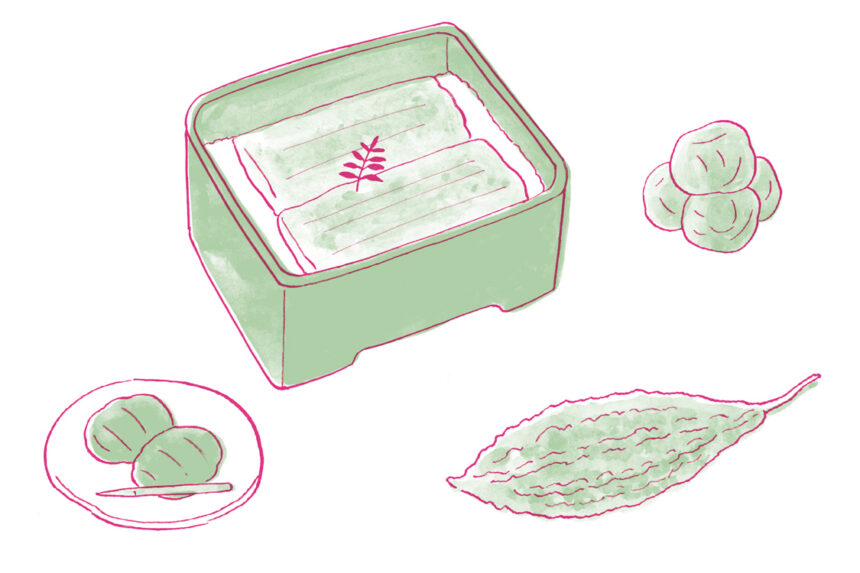
Mochi made during the Doyou period are called “Doyou mochi” (rice cakes for the Doyou period). Mochi is believed to bring strength, and the red color of azuki beans is said to ward off bad luck. Therefore, it is said that eating ankoromochi or rice cakes with azuki beans will bring good health and good fortune.
Some Japanese confectionery stores sell Doyo mochi when the summer Doyo season approaches, so check them out.● Eggs for the soil
Doyoyo Eggs are eggs laid by hens during the summer Doyo period. Eggs are said to be a complete nutritional food, containing a good balance of essential amino acids and rich in high-quality protein, and eggs laid during the summer Doyou period are said to be particularly nutritious. Egg rolls wrapped with eel, called “Umaki,” are also recommended.● Shijimi clam
Doyo shijimi are shijimi that are eaten during the summer Doyo season. The season for shijimi clams is winter and summer, but summer shijimi clams have a lot of nutrients stored in them before spawning. Dohyo shijimi are also known as “belly medicine,” and are rich in ornithine and other nutrients that are believed to enhance liver function. They are also rich in potassium.
On “Doyou no Ushi” (the day of the Ox), we should eat “black” food, which is associated with the words “earth” and “ox,” and we should also eat “black” food, which is associated with the direction of the Ox. It is also said that it is good to eat something black to symbolize “Genbu,” the guardian animal of the Ox’s direction. This custom is said to be the origin of “Doyo Shijimi”. Other black foods include black soybeans, black sesame, black kikurage, hijiki, seaweed, burdock root, and eggplant.
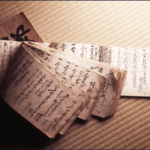
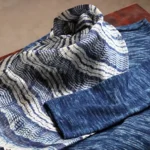
Protecting clothes and books, drying them in the sun
Since the summer Doyou season is also the end of the rainy season, it is said to be a good time to protect clothes and books from insects and mold by “Doyou no Mushiboshi” (drying them in insecticide). It is also said that dried plums and rice paddies dried during Doyoyou will taste better and grow healthy rice plants.Ushiyu (ox water), in which peach leaves and mugwort leaves are added.
Ox bath is to take a bath on the day of the Ox in Doyou. It is said that taking a bath with medicinal herbs such as peach leaves and mugwort leaves to ward off the heat will keep you from getting sick.A secret method that has been handed down since the Edo period. Uri seal, cucumber blessing
Uri-fuji” or “kyuri kamochi” is a secret method handed down from the Edo period (1603-1868) to ward off misfortune and illness by having cucumbers or uri take the place of cucumbers. On the day of the Ox of Doyou, people write their names and sutras on uri and cucumbers and pray at a temple.Mitarashi Festival at Shimogamo Shrine
The “Ashitsuke Shinji (Mitarashi Festival)” is held at Shimogamo Shrine in Kyoto for four days before and after the summer Ox Festival. The festival attracts many visitors from early in the morning until late at night, as it is said that dipping one’s feet in the fresh water of the Mitarashi Pond in the shrine grounds, known as the birthplace of Mitarashi Dango, purifies sins and impurities and is also believed to be effective against epidemics.
Enjoy the unique summer customs and get over the heat.
As we have introduced various foods and customs for the day of the Ox in Doyou, we have a long history of praying for good health through food and events, as Doyou is a time when people tend to get sick easily due to the change of the season. Let’s take advantage of the wisdom of our ancestors and enjoy the hot summer season while taking care of our tired bodies.
Nutritional Facts Supervision cooperation: Ms. Tomomi Arimizu, Registered Dietitian
Interview and text by Yoshiko Tezuka
Illustrations by Tomoko Shinozuka
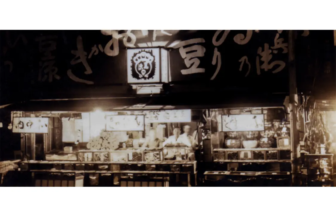
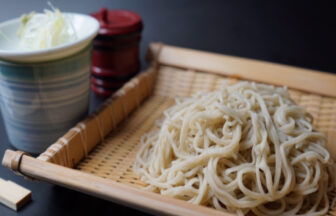
This time, a tour of the townOutline
| address (e.g. of house) | 8-14-7 Ginza, Chuo-ku, Tokyo |
|---|---|
| Access | 5 minutes from Higashi-ginza Station on Tokyo Metro Hibiya Line and Toei Subway Asakusa Line, 7 minutes from Shinbashi Station on JR, Tokyo Metro, Toei Subway and Yurikamome Line |
| phone | 03-3542-0789 |
| External Links |
| 1-4-1 Asakusa, Taito-ku, Tokyo |
| 3 minutes from Asakusa Station on Tokyo Metro Ginza Line, Toei Subway Asakusa Line and Tobu Skytree Line |
| 03-3841-1234 |
| 2-1-29 Komagata, Taito-ku, Tokyo |
| 1 minute from Asakusa Station on the Toei Subway Asakusa Line, 3 minutes from Asakusa Station on the Tokyo Metro Ginza Line, 5 minutes from Asakusa Station on the Tobu Skytree Line |
| 03-3841-6314 |
Hiroko Nishide
We spoke with…
Manner consultant. With the motto of “Sincerity in Manners®”, he has taught manners to actors, athletes, and celebrities for NHK historical dramas, movies, and commercials, and has also covered the manners of the Imperial Family. She has also supervised and written more than 100 books, which have sold more than 1 million copies. The know-how that Ms. Nishide imparts can be easily incorporated into daily life and work, and is popular for its highly convincing content.
For more information about Ms. Hiroko Nishide, please visitOfficial Siteand,InstagramThe information is updated as needed on the following website.