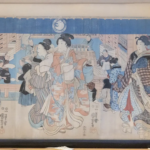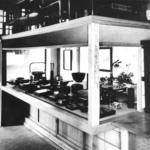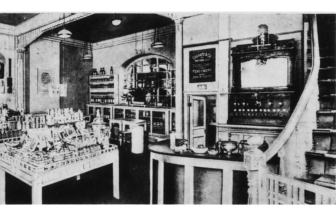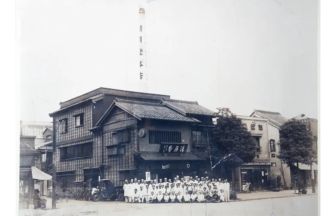


Founded in Kansei 4 (1792)
A long-established Buddhist altar shop that also handles temple construction and the production of ritual equipment for famous temples
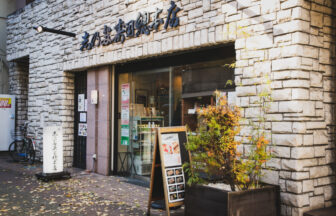
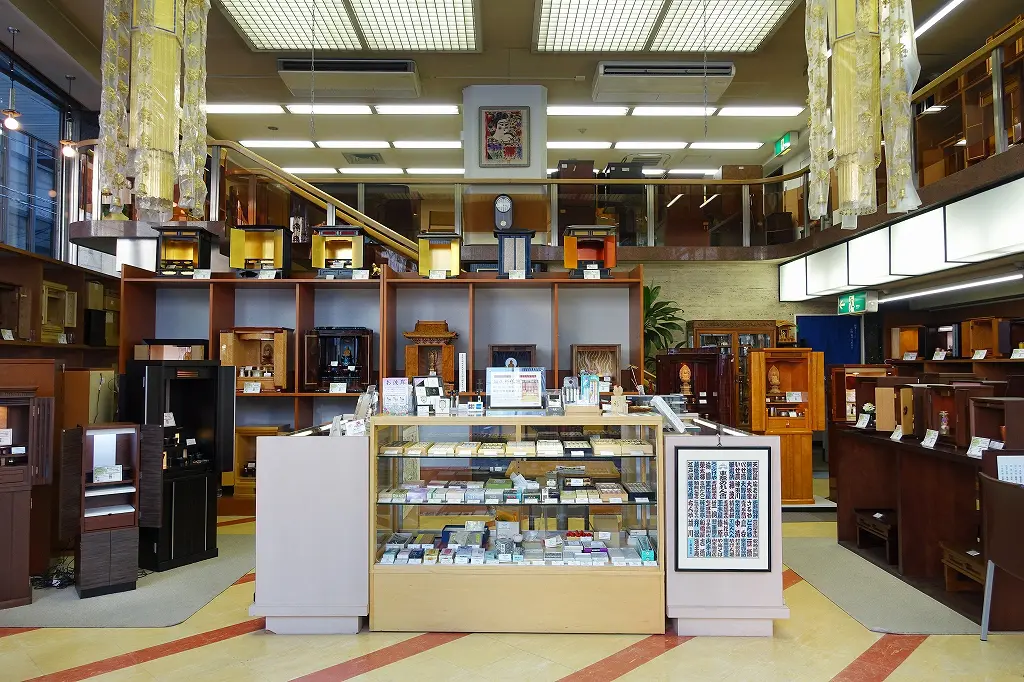
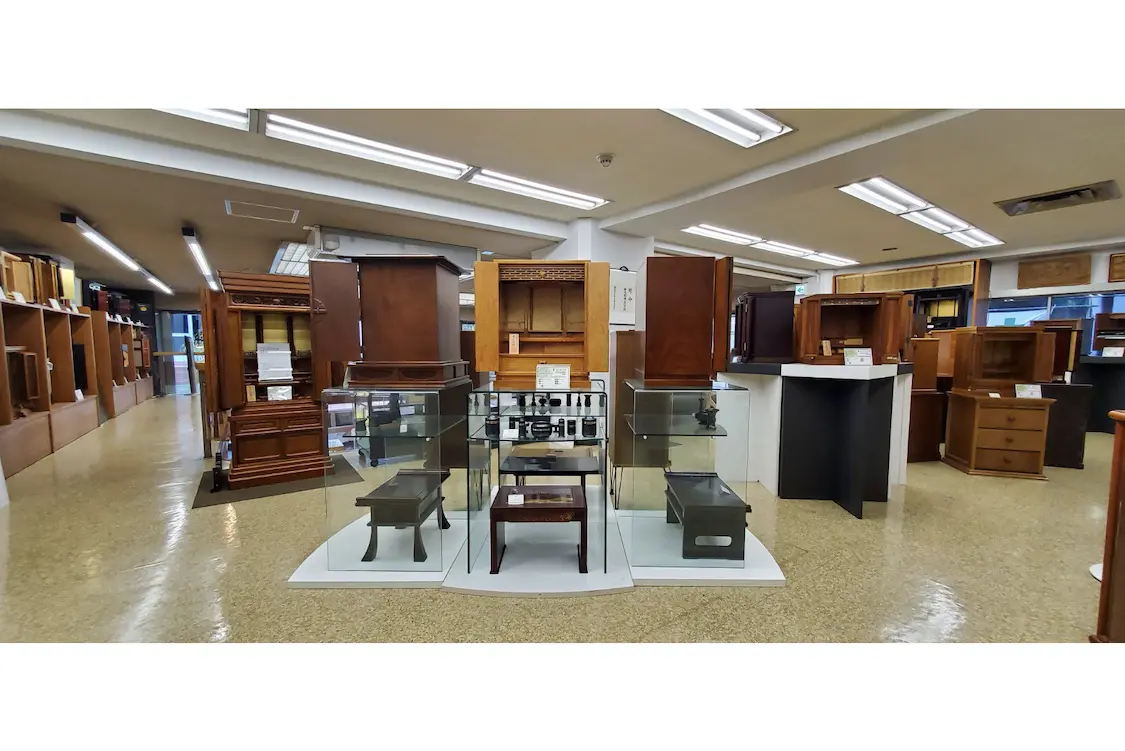
A long-established altar and ritual goods store involved in the construction and furnishing of many famous temples, including Naritasan Shinshoji and Zojoji in Shiba.At Yasuda Shokeido’s Ginza showroom, more than 120 altars are always on display, including modern compact furniture-style altars that blend with apartment living rooms and traditional altars made from fine woods such as ebony, rosewood, and Yakusugi cedar.They also carry a full selection of ritual items such as prayer beads, flower vases, candle stands, incense burners, urns, and accessories like fukusa cloths.They offer more than 30 types of ihai (memorial tablets) and provide engraving and hand-painting services.Knowledgeable staff certified as Buddhist-ceremony coordinators are available, so even first-time altar buyers can feel comfortable consulting.They operate many stores in department stores mainly in the Kanto region, and purchases can also be made through the official webshop.They hold a memorial service for retired altars twice a year, allowing customers to request the proper dedication of an altar taken in during replacement.
History
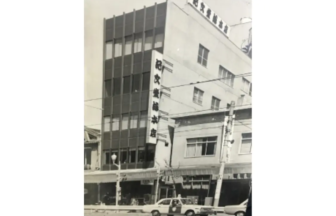
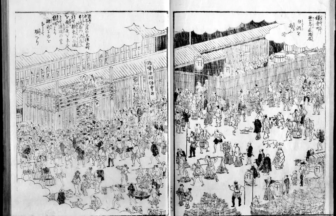
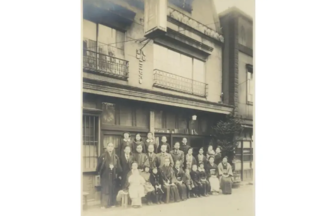
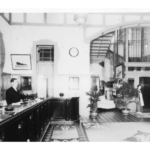
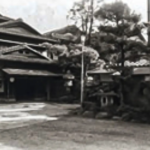
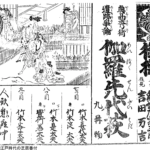
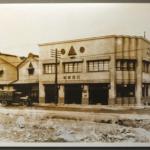
The first generation, Yasuda Shokei, was highly regarded as a Buddhist sculptor in Omi (present-day Shiga Prefecture) and is said to have been invited to Edo by the Tokugawa shogunate.He became active in Edo and founded Yasuda Shokeido in Kansei 4 (1792), and the business has continued for eight generations to the present.The first generation inherited the lineage of Unkei, the sculptor of the Kamakura period, and took one character from the name Unkei to call himself Motosuke, but from the fourth generation onward, the name Shokei has been inherited.In 1965 (Showa 40), the head office was moved from Nihonbashi to Ginza, where it remains today.
This Notable Item
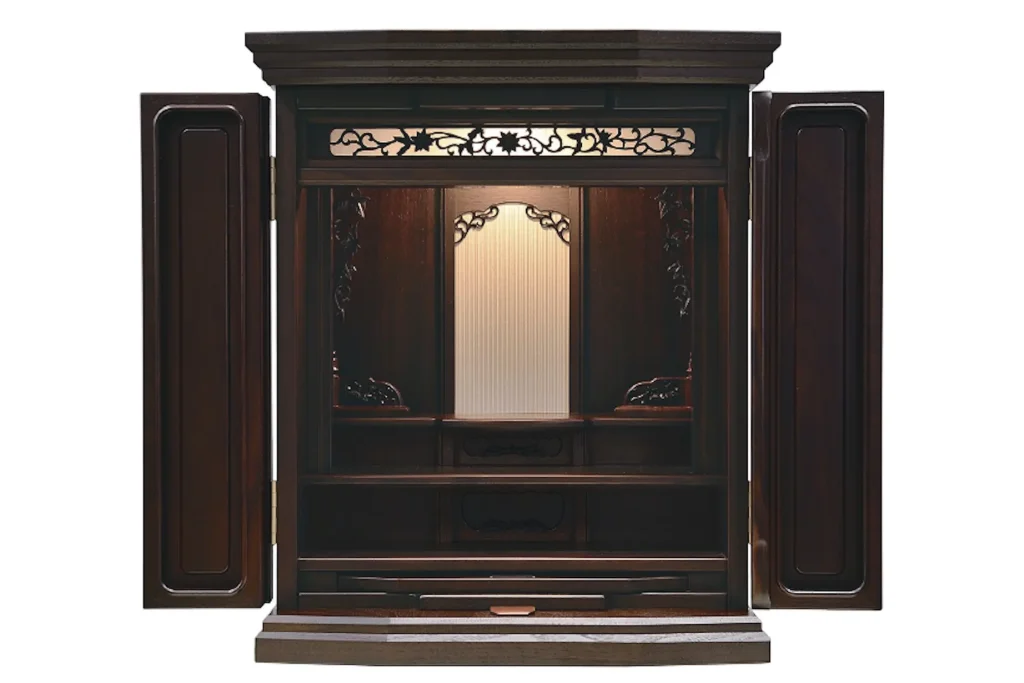
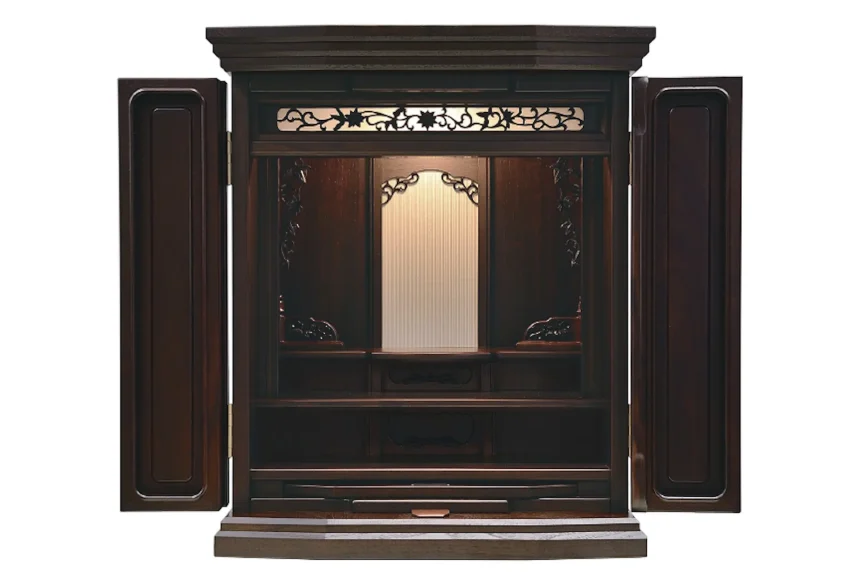
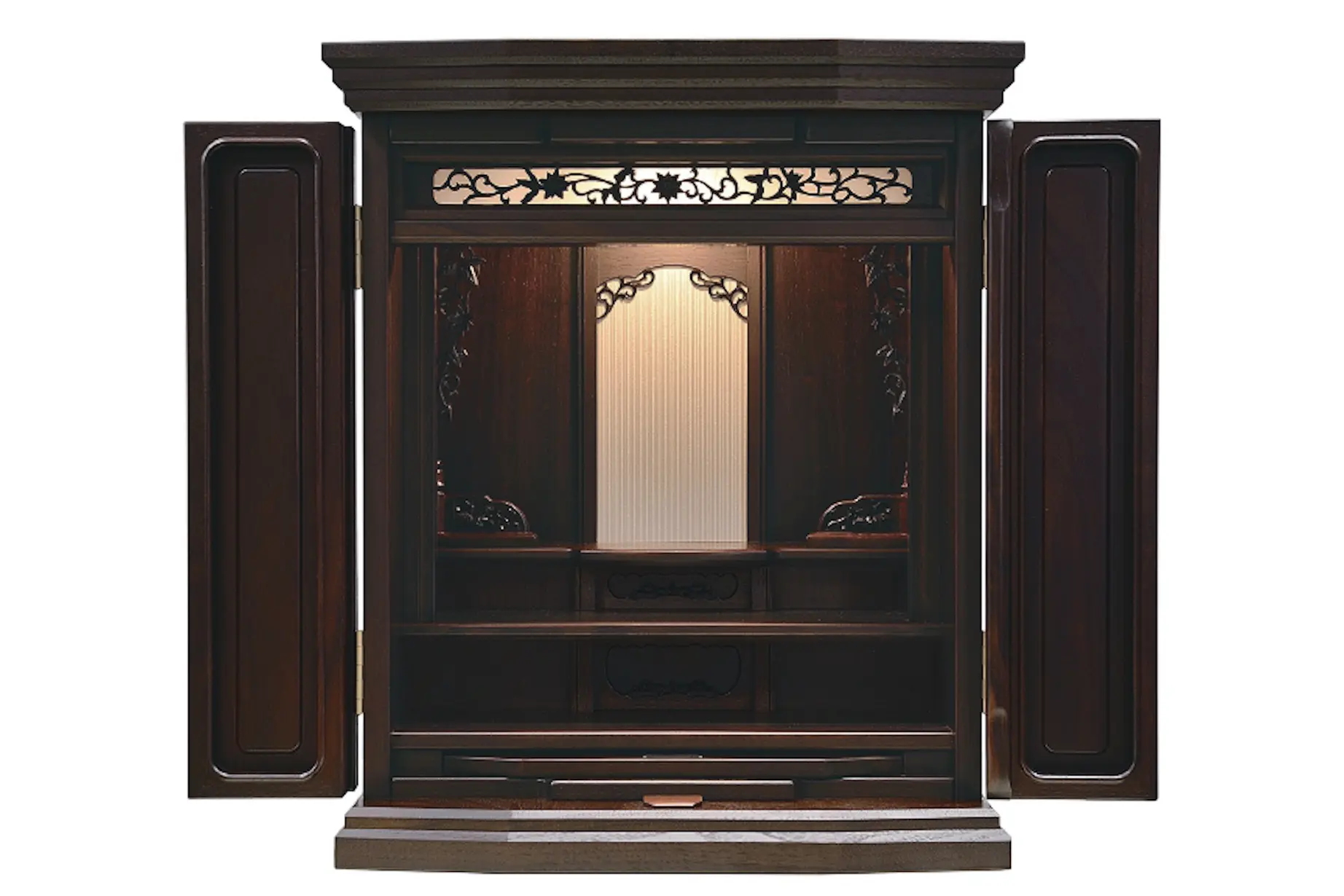
Buddhist Altar — Rinka Model 16, Upper-placed Type, Red-sandalwood Style
704,000 yen
It features a simple, urban-inspired design while applying minimal carving, the hallmark of traditional hardwood altars.
Delicate carvings in key areas create a sense of “solemn dignity” that typical modern city-style altars cannot achieve.
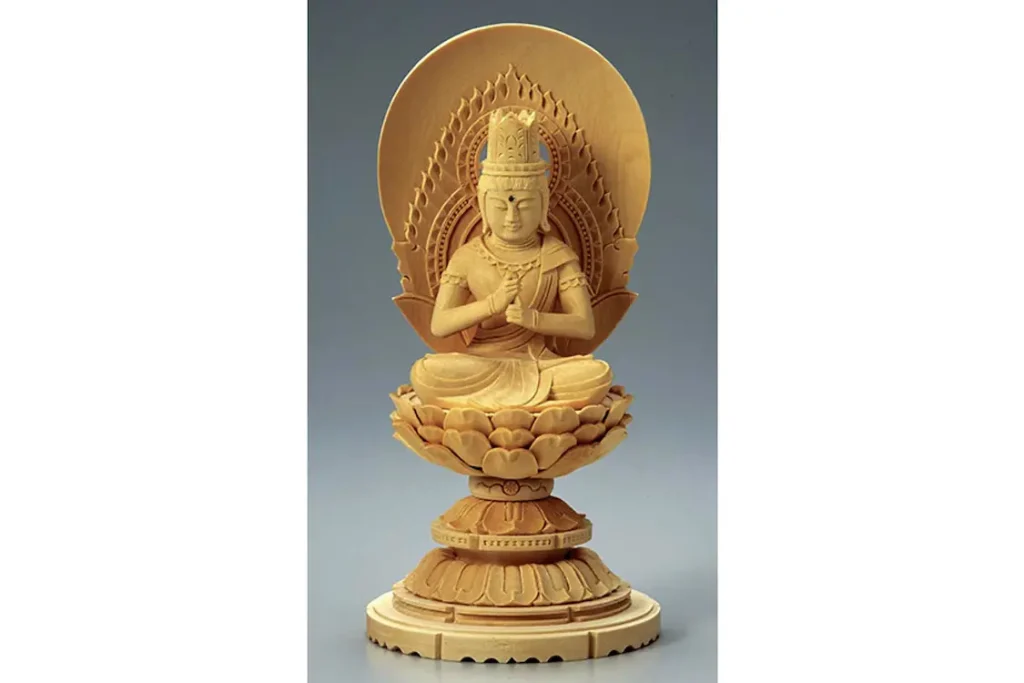
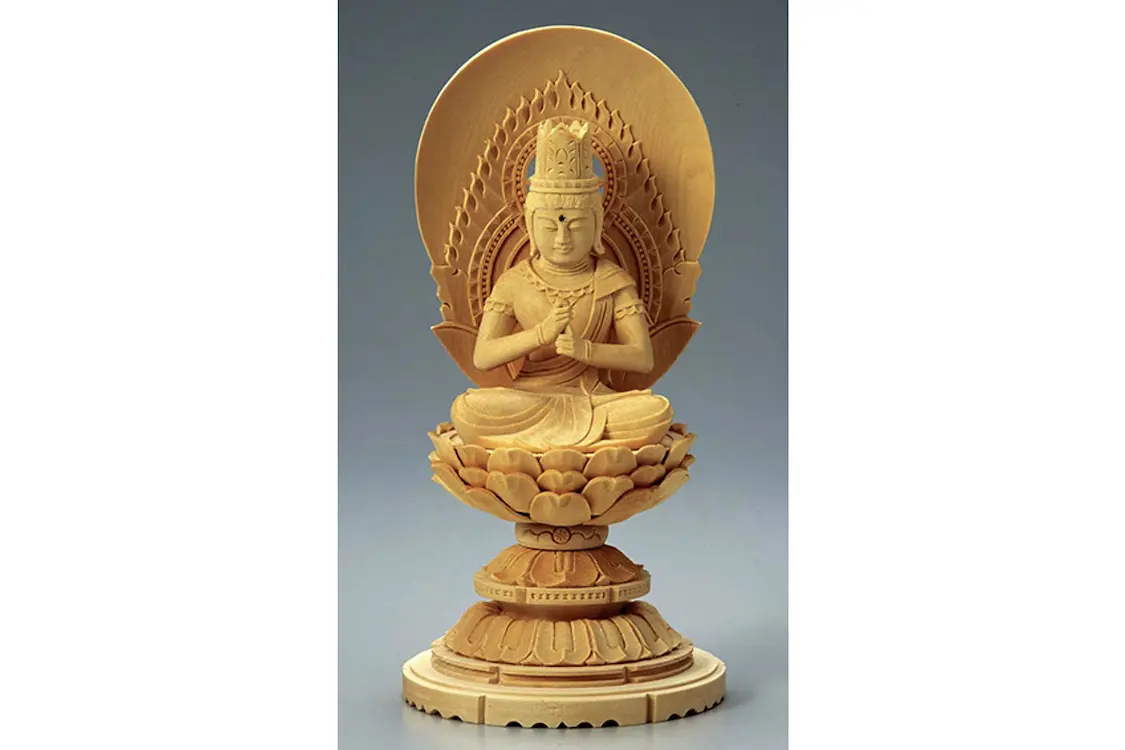
Dainichi Nyorai Statue — Round Pedestal (Hinoki Cypress)
39,600 yen – 49,500 yen
The principal Buddhist image placed in the center of the altar. In addition to the Shingon-school Dainichi Nyorai, principal images of other sects are also available.Materials include a wide variety of woods such as hinoki cypress, boxwood, and rare sandalwood.The statue in the photo is available in three sizes.
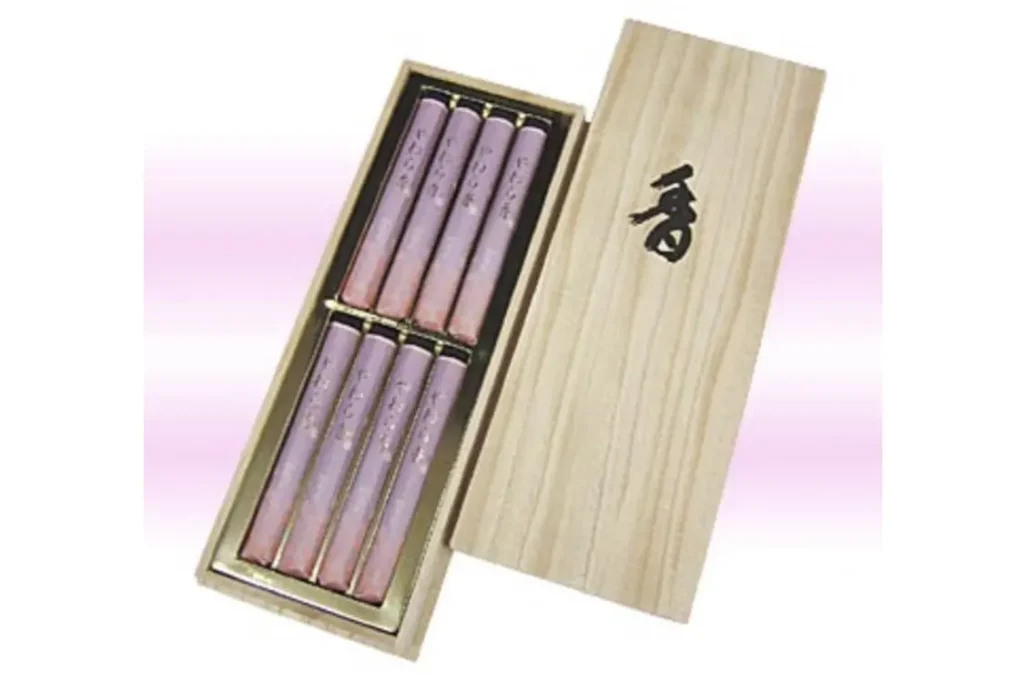
Original Incense — Yawaraka
5,500 yen
Yasuda Shokeido’s original incense designed to reduce fragrance and smoke.Made only with natural plant-based fragrances such as sandalwood and clove, producing a sweet and calming aroma.The gentle, floating Japanese fragrance is ideal not only for Buddhist services but also as room incense.It is popular both for home use and as a gift item.A “Premium Yawaraka” version with a calm floral fragrance is also available.
Spot Overview
| address (e.g. of house) | |
|---|---|
| phone | |
| Business Hours | |
| regular closing day | |
| Payment Method | |
| External Links |