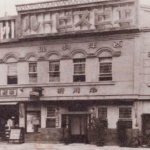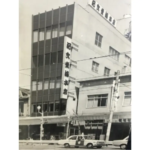


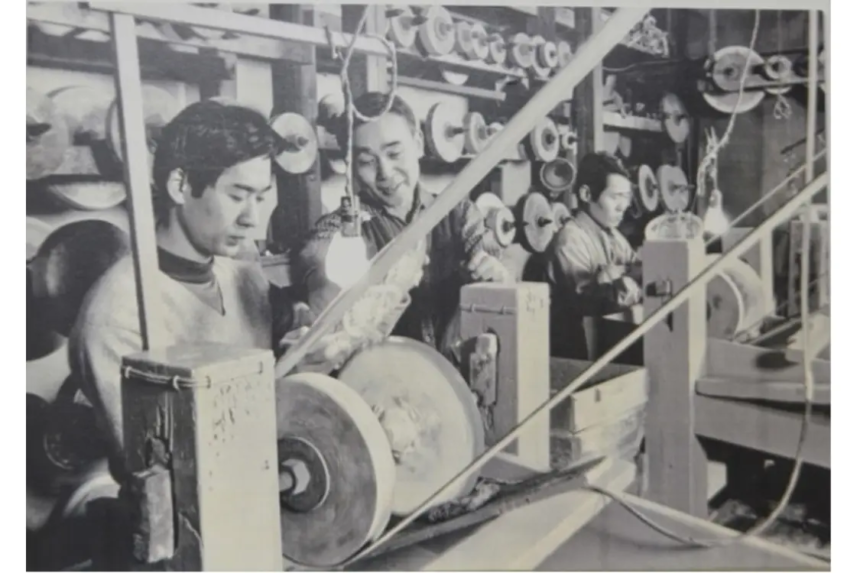
Founded in Meiji 41 (1908)
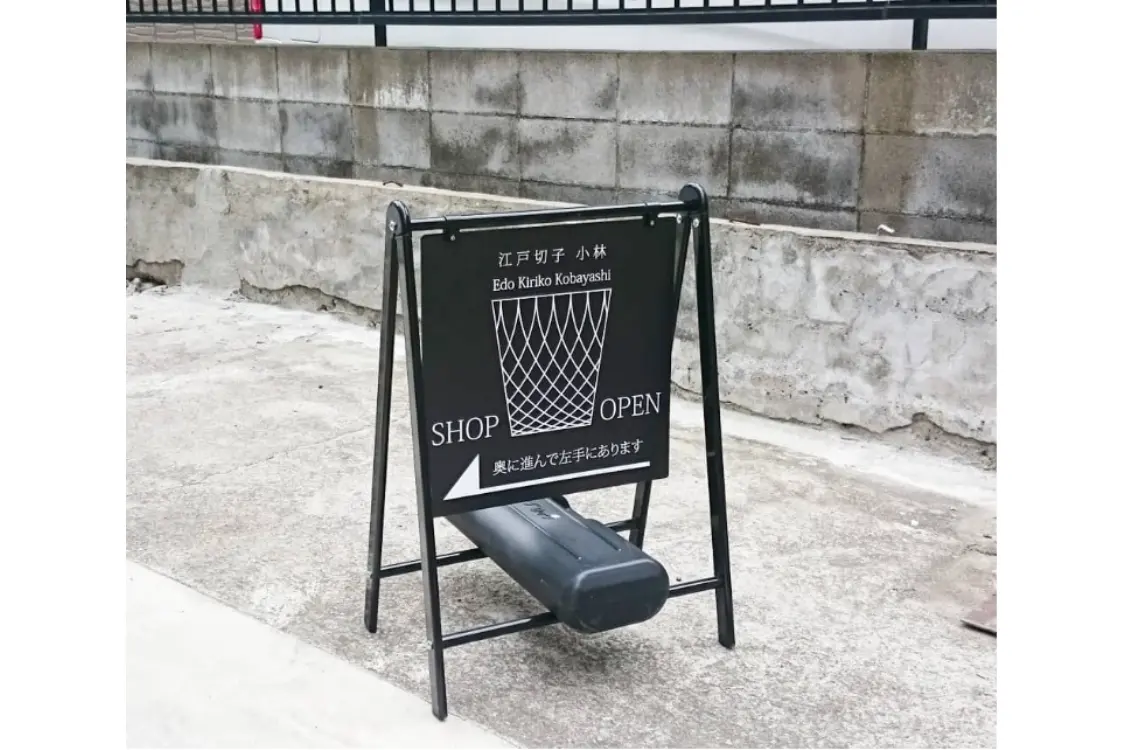
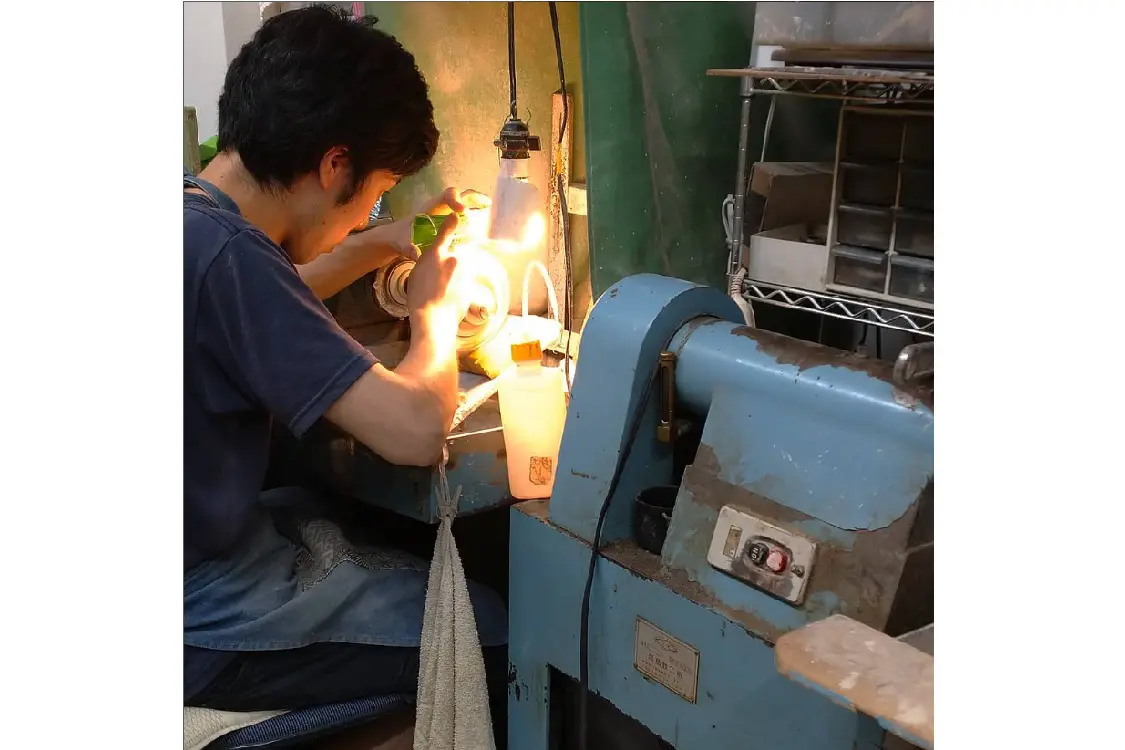
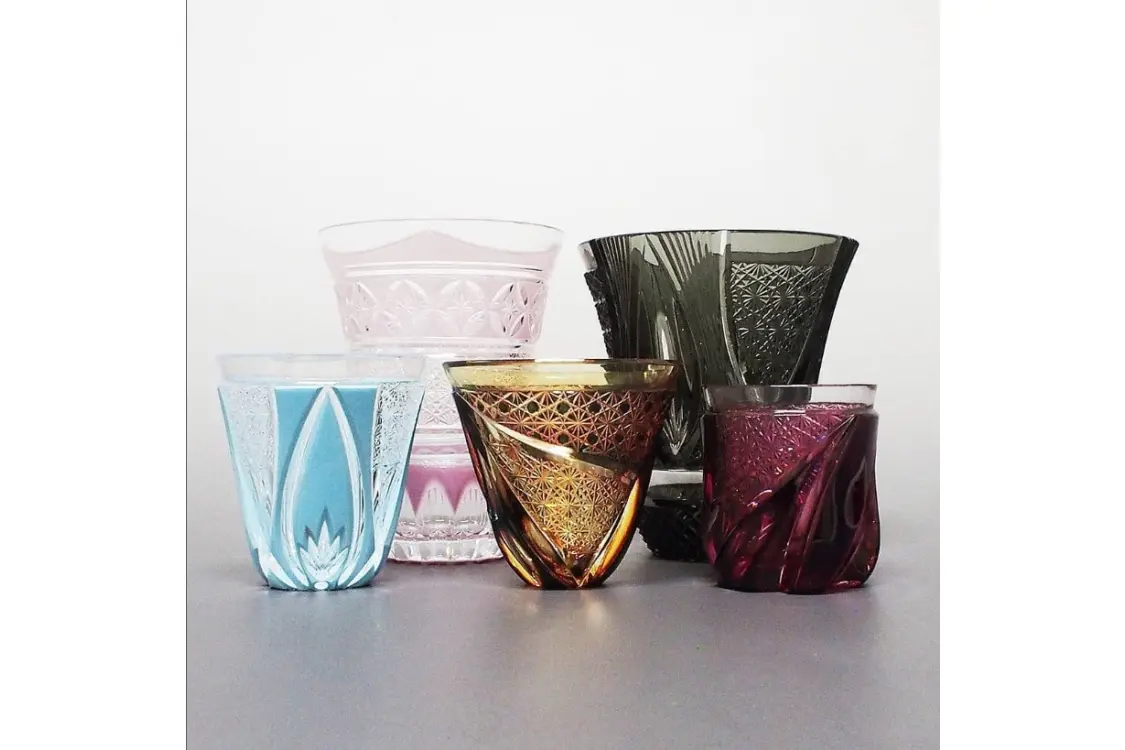
Beautiful Edo Kiriko glasses and jewelry created with delicate cutting techniques
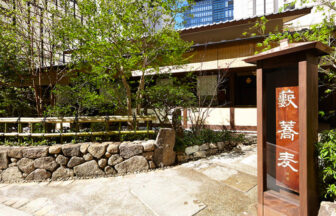
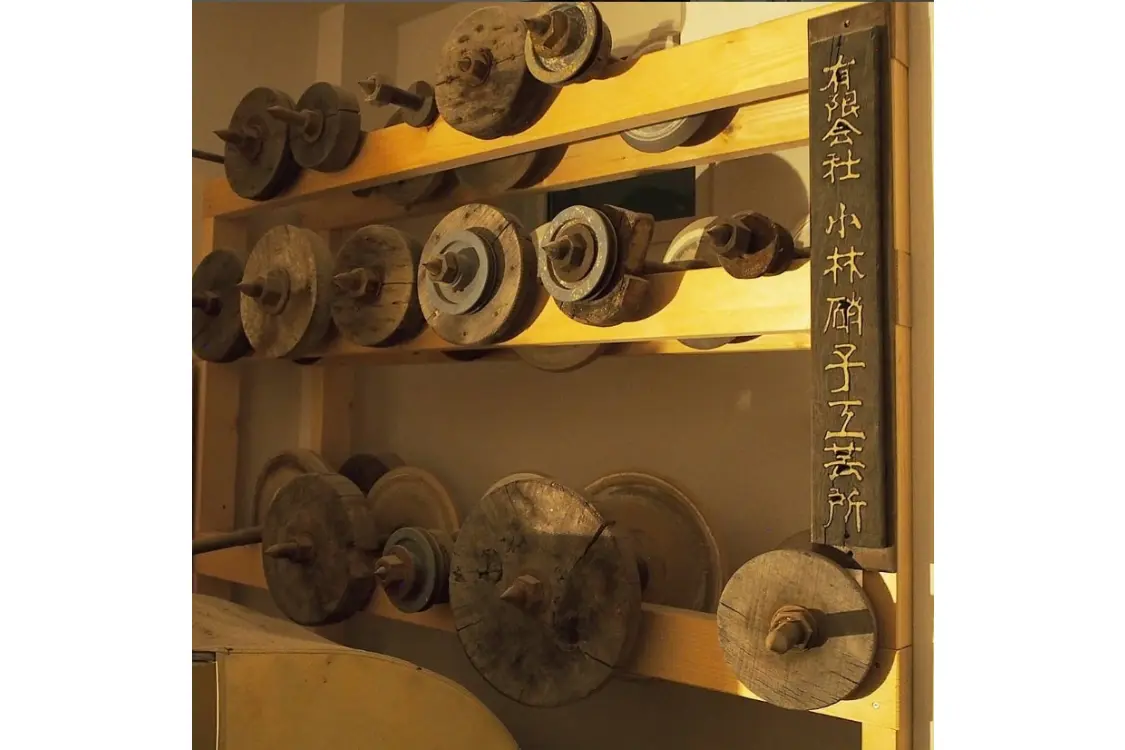
A workshop and directly operated shop of Edo Kiriko that has continued for four generations since Meiji 41 (1908). It is currently run by the third generation, Mr. Yoshio Kobayashi, and the fourth generation, Mr. Kohei Kobayashi, as a father-and-son team. Inside the shop, works by the first generation, Kikuiro, and the second generation, Hideo, are also displayed, allowing visitors to view works from all four generations.
In addition to colored glass, many clear, colorless Edo Kiriko pieces, which are the roots of Edo Kiriko, are also sold. There are more than 100 items available, including tableware, sake vessels, and miscellaneous goods.In addition, to share the appeal of Edo Kiriko with generations less familiar with traditional crafts, the original jewelry brand “tokoba jewelry” was launched in 2014. They create earrings, necklaces, and other items with the unique and beautiful shine of glass.As it is a family-run shop attached to the workshop and only one group is guided per day, reservations by email or phone by the day before are recommended.
History
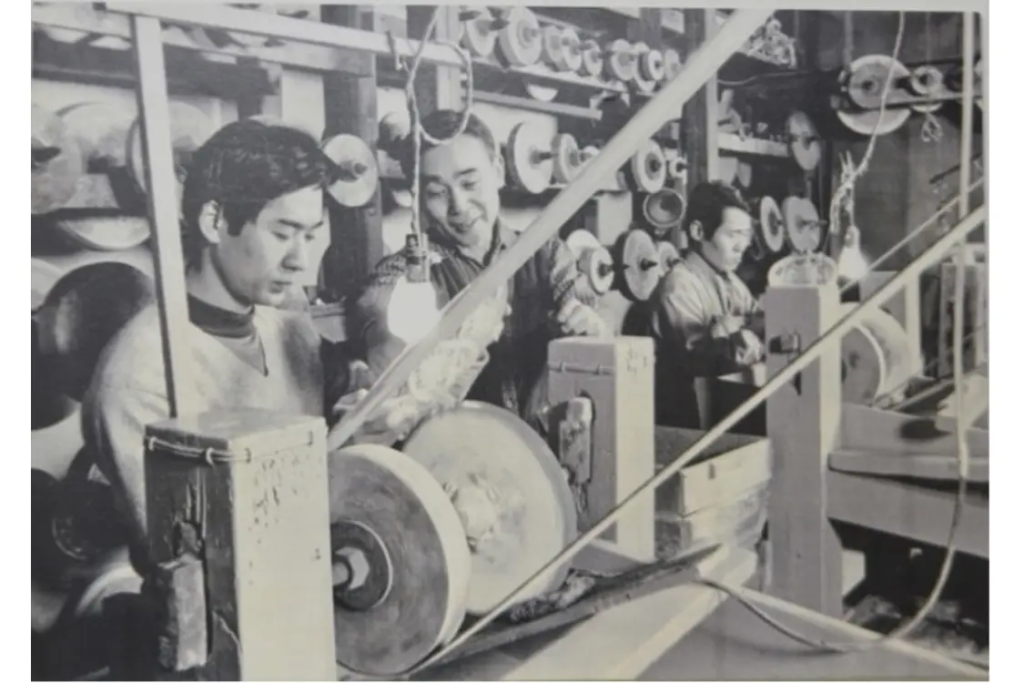
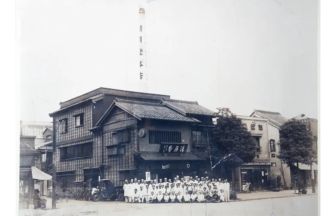
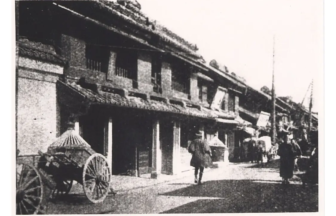
The beginning of Edo Kiriko Kobayashi dates back to Meiji 41 (1908), when the first generation, Kikuiro Kobayashi, then 12 years old, became an apprentice to Edo Kiriko craftsman Tokumatsu Ohashi (the grandfather of Kyosen Ohashi).Since then, the delicate and beautiful cut-glass techniques have been passed down through four generations: Hideo, Yoshio, and Kohei.
This Notable Item

Sagging Kiriko “Uno glass” Series
From 16,610 yen
“Sagging Kiriko” is an original technique by the fourth generation of Edo Kiriko Kobayashi, Kohei Kobayashi. Using this method, he creates one-of-a-kind pieces in the “Uno” series, crafting them himself from raw glass over several days to a week.
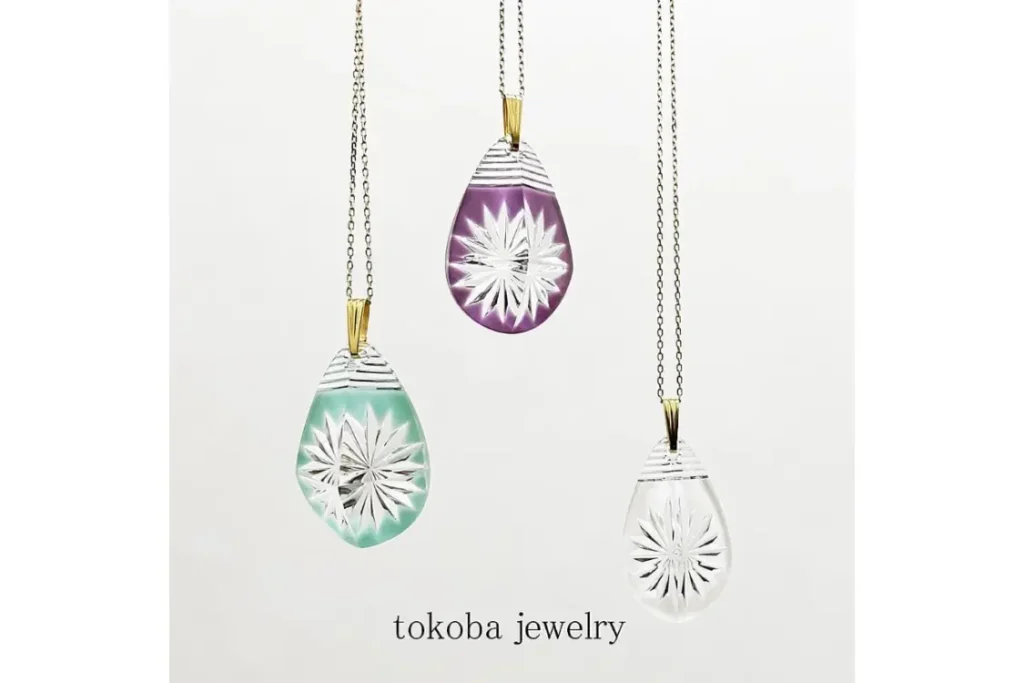
tokaba jewelry
From 22,000 yen
A jewelry series that makes use of cutting techniques passed down through generations. While preserving the beautiful texture of glass, the pieces are light to wear and suitable for many occasions, from everyday use to party scenes.
Spot Overview
| address (e.g. of house) | |
|---|---|
| phone | |
| Business Hours | |
| regular closing day | |
| Payment Method | |
| External Links |