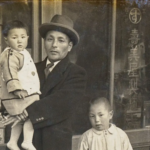


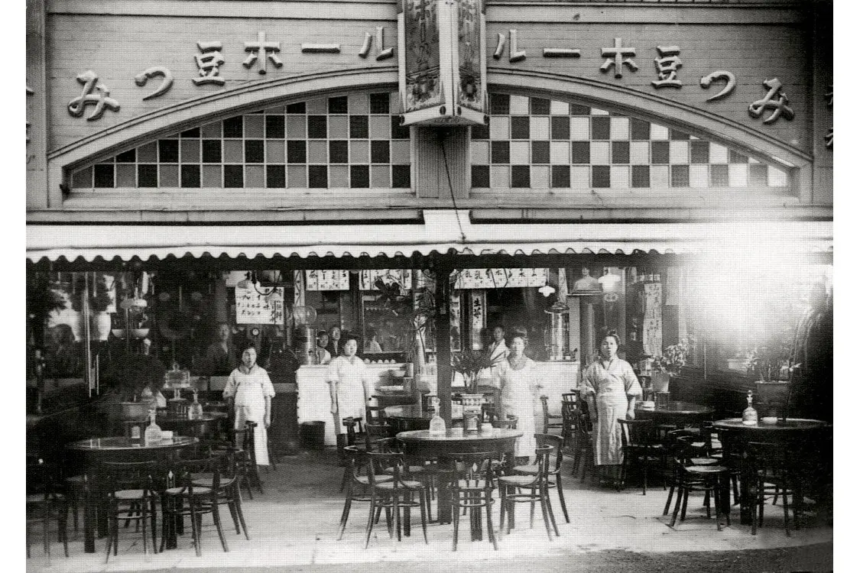
Meiji 35 (1902)
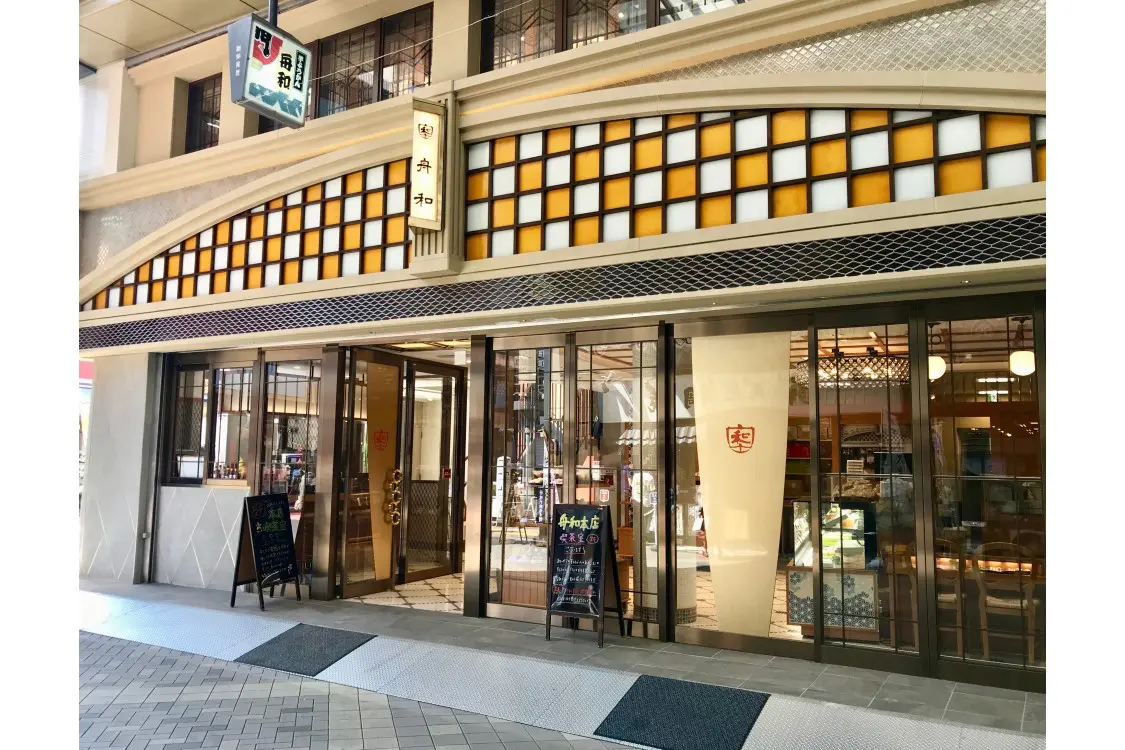
A long-established Asakusa shop that created the classic Japanese sweets, Imo Yokan and Mitsumame
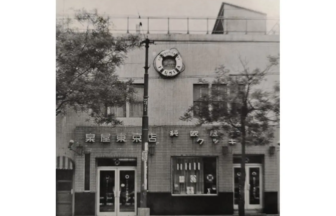
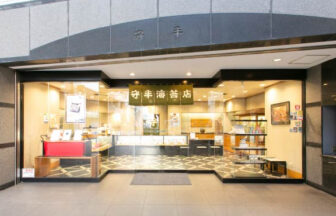
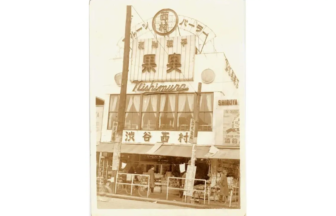
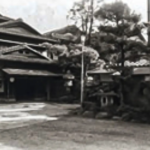
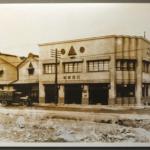
The Asakusa area is lined with many long-established shops.Funawa Main Store is located at a calm spot where Shin-Nakamise Street and Orange Street intersect.Founded in Meiji 35 (1902), the shop has been renovated several times but has stayed in the same place, selling Japanese sweets for over 120 years.
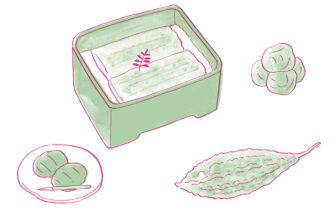
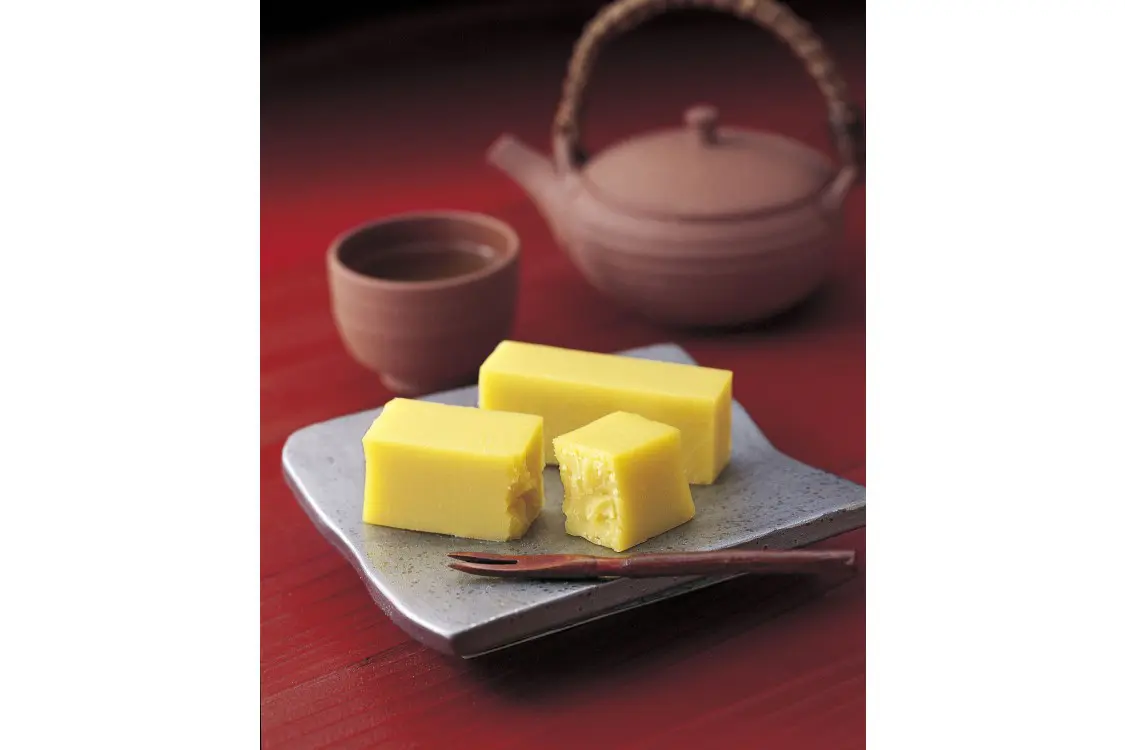
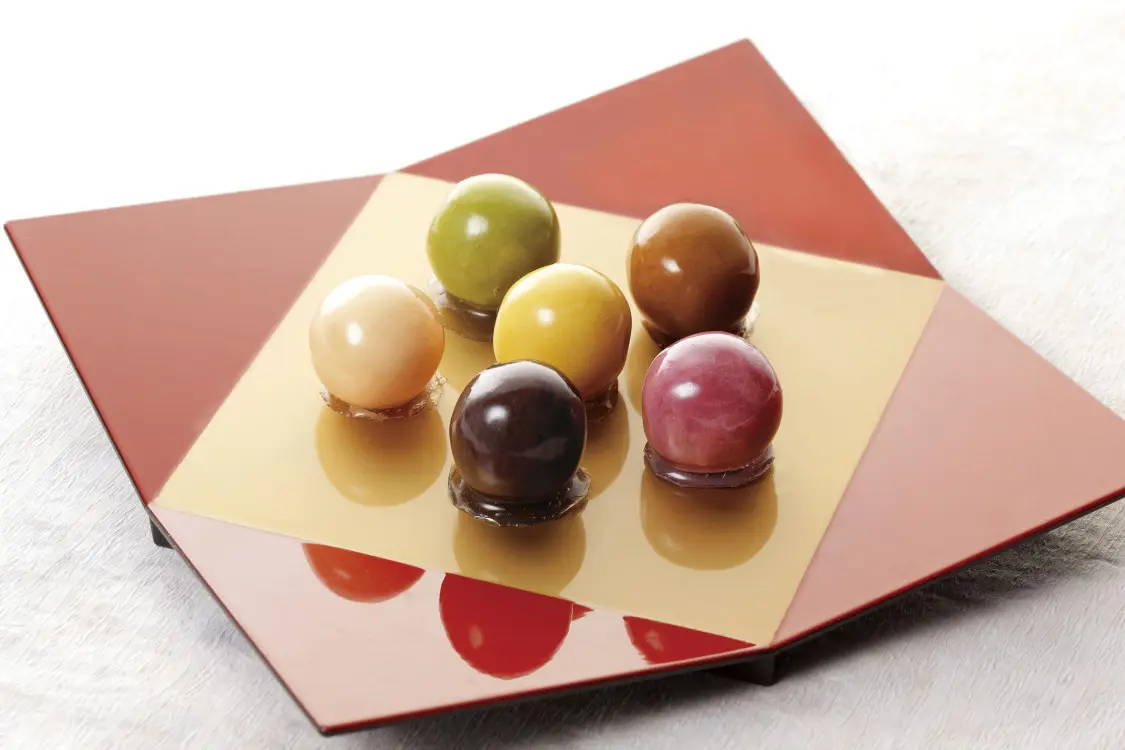
The recommendation is the signature product “Imo Yokan,” sold since the founding.It uses no coloring or flavoring, and values the natural sweetness of sweet potatoes.Anko-dama, also sold since the founding like Imo Yokan, is another item loved by many people.
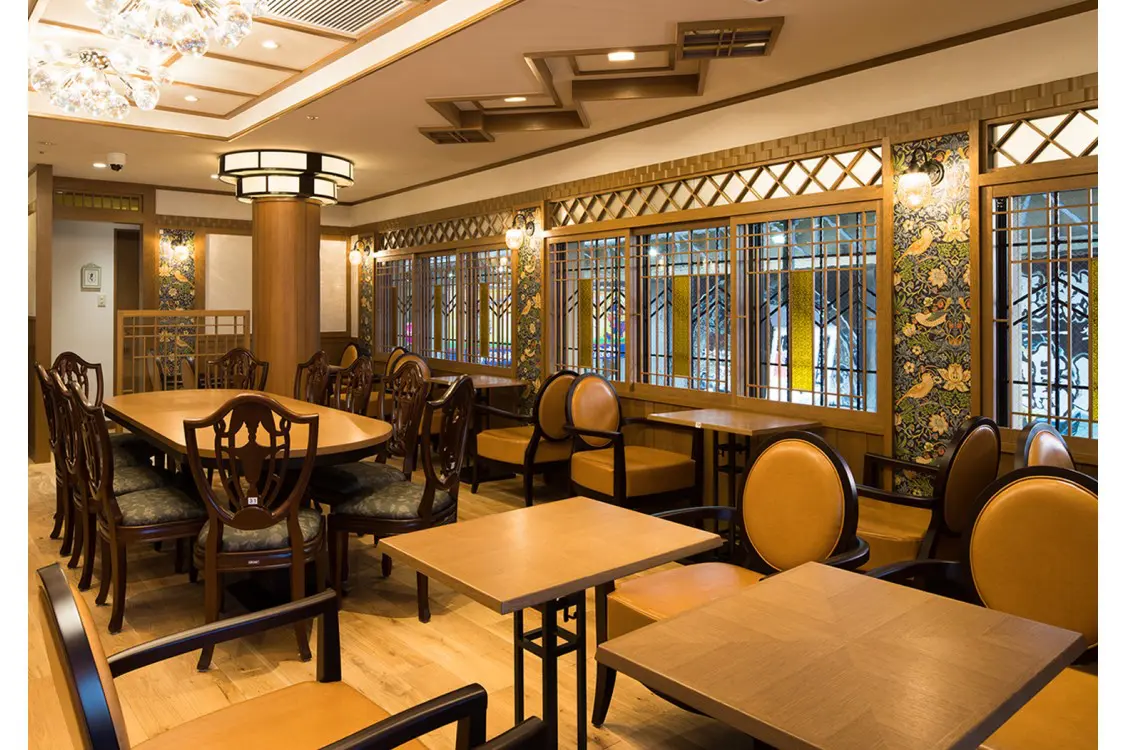
In the chic and elegant café area on the second floor, Mitsumame is popular.Among many cafés, Funawa was the first to serve Mitsumame, and it has long been known as “the originator of Mitsumame.”
Why not take a break at this historic shop that created both Imo Yokan and Mitsumame?
History
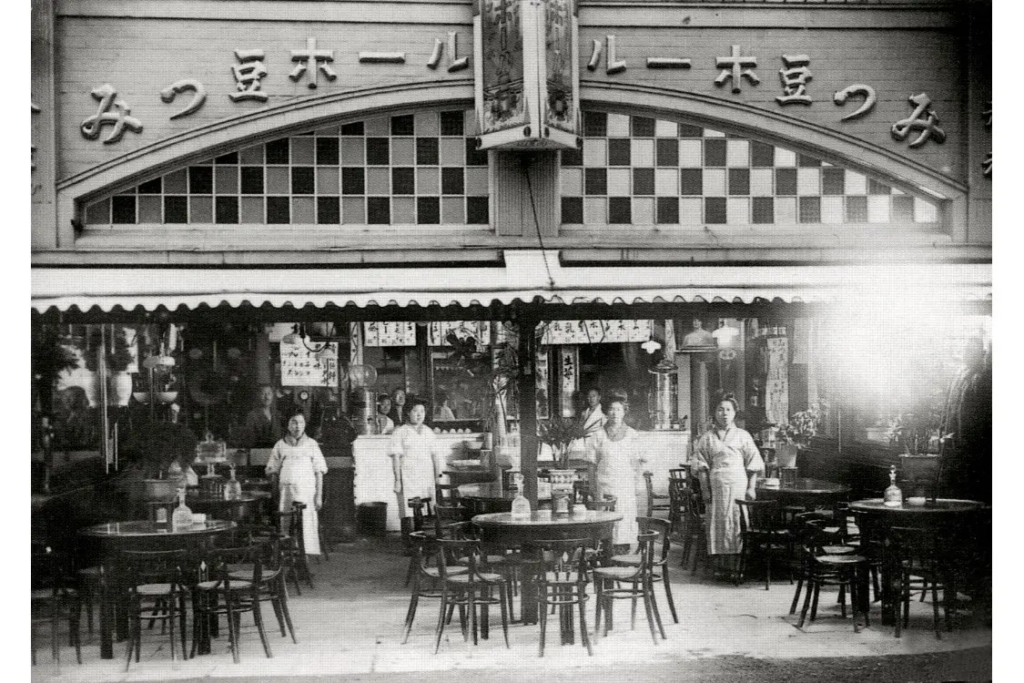
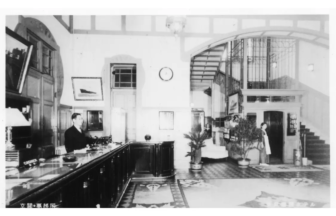
In Meiji 35 (1902), the first owner, Wasuke Kobayashi, created Imo Yokan so that many people could enjoy it as an alternative to the once-luxury Neri Yokan.The shop opened selling Anko-dama, Kuri-mushi Yokan, and Neri Yokan as well.In May of Showa 50 (1975), a new Asakusa main building with six floors above ground and one basement floor was built.Today, the shop continues to deliver traditional Japanese sweets, with Imo Yokan, Mitsumame, and Anko-dama as its signature products.
This Notable Item
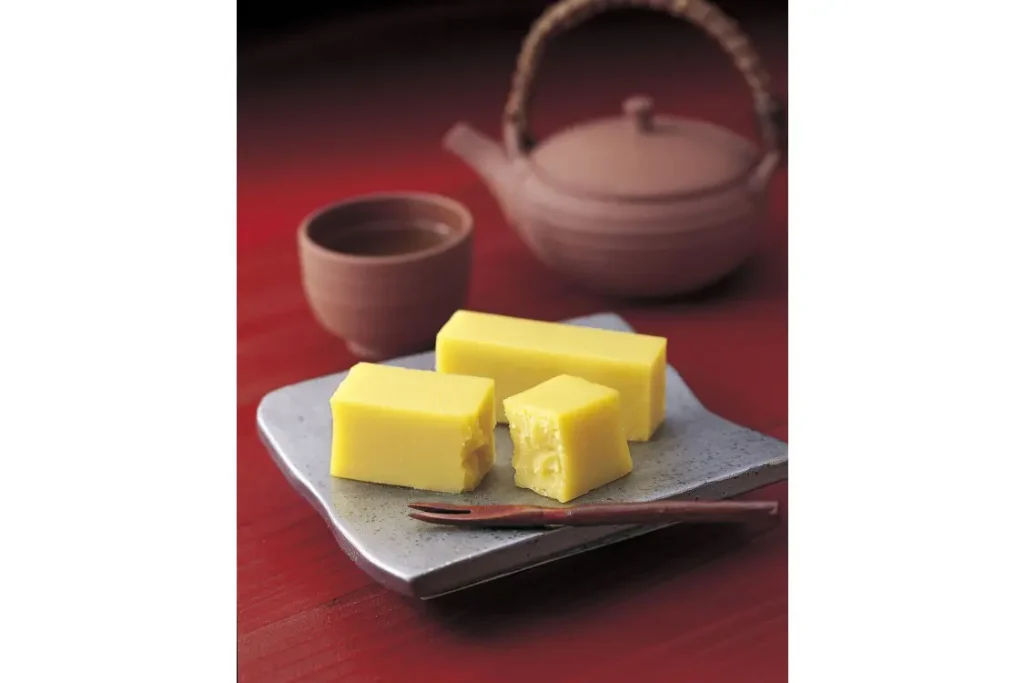
Imo Yokan
864 yen (5-piece set)
Funawa’s signature product.Each sweet potato is peeled by hand and made with sugar and a small amount of salt, preserving the simple and natural flavor of the potato itself.Another point is that no coloring, preservatives, or flavorings are used at all.
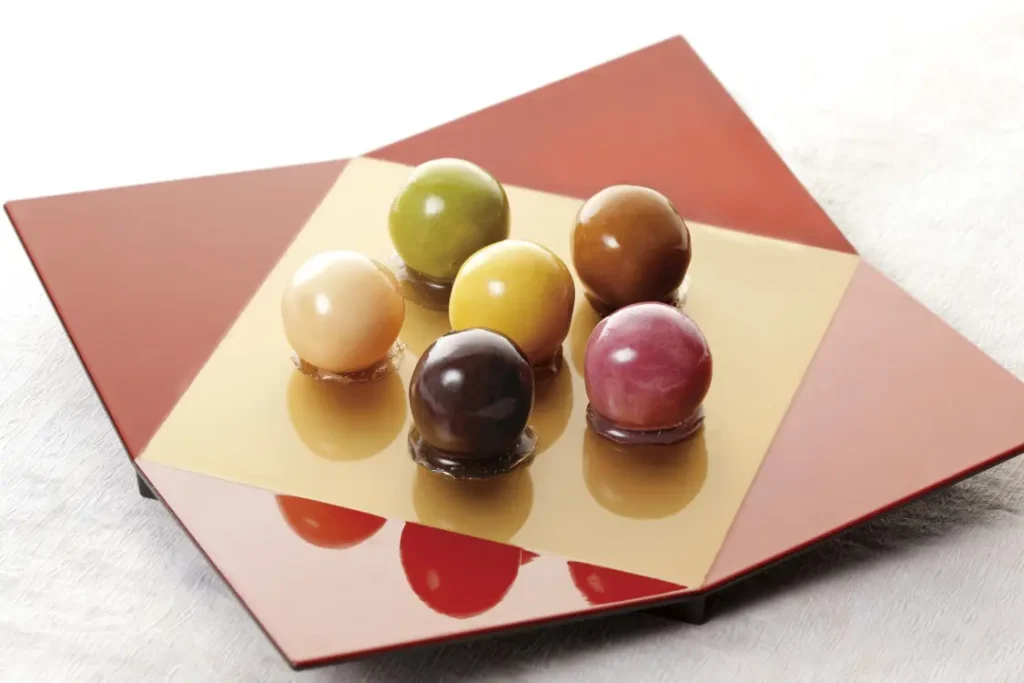
Anko-dama
875 yen (9 pieces)
Like Imo Yokan, this is also a signature product of Funawa.It is characterized by a mild sweetness and natural flavor.There are six flavors: red bean, white bean, matcha, strawberry, coffee, and mandarin orange.Seasonal limited Anko-dama are also sold, making it a Japanese sweet that can be enjoyed all year round.
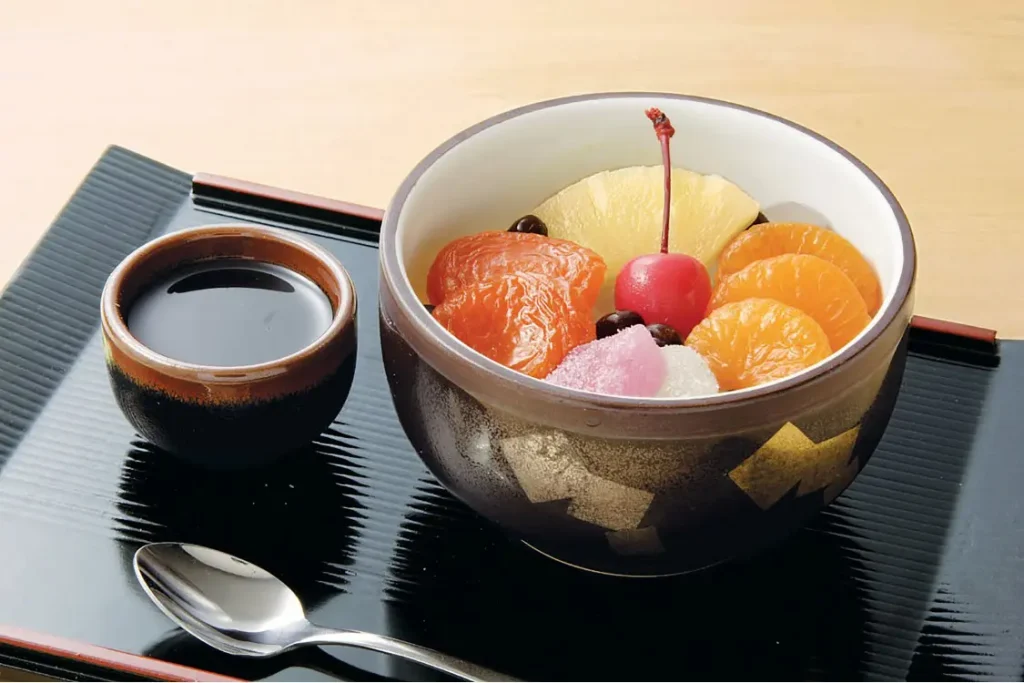
Original Mitsumame
830 yen
A popular menu item in the café area.This is a modern-style Mitsumame with cubed agar, red peas, sweet simmered apricots, pineapple, mandarin oranges, and gyuhi, topped with white or black syrup.It is called “Original” because the taste remains almost the same as when it was first created.※Images are for illustration purposes only.
Spot Overview
| address (e.g. of house) | |
|---|---|
| phone | |
| Business Hours | |
| regular closing day | |
| Payment Method | |
| External Links |