

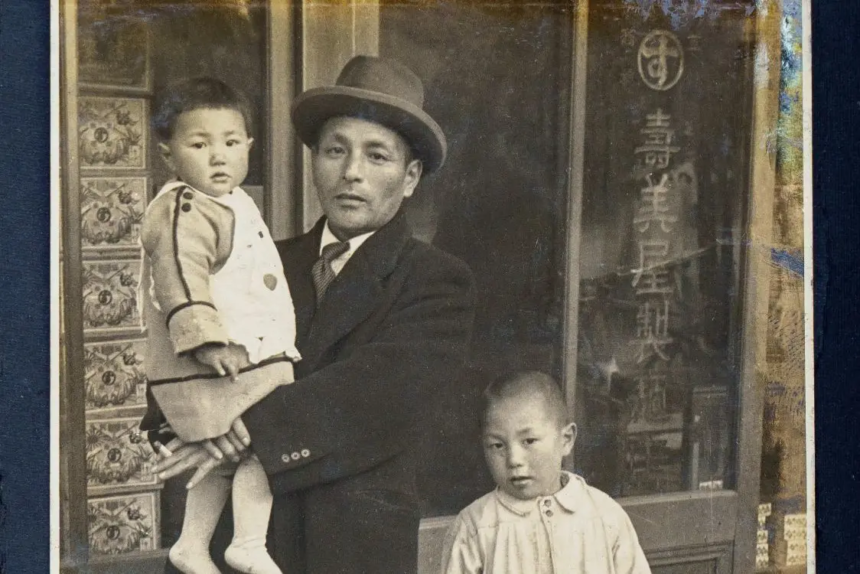
Meiji 6 (1873)
Authentic hand-cut soba enjoyed together with the history of the region
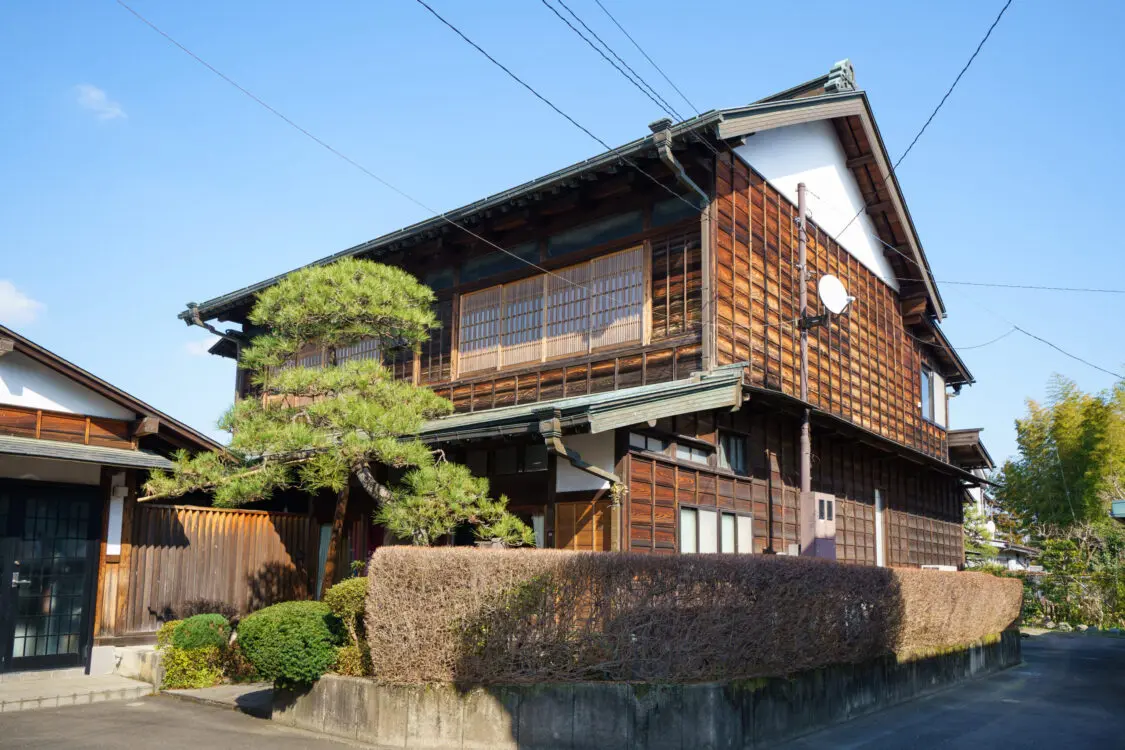
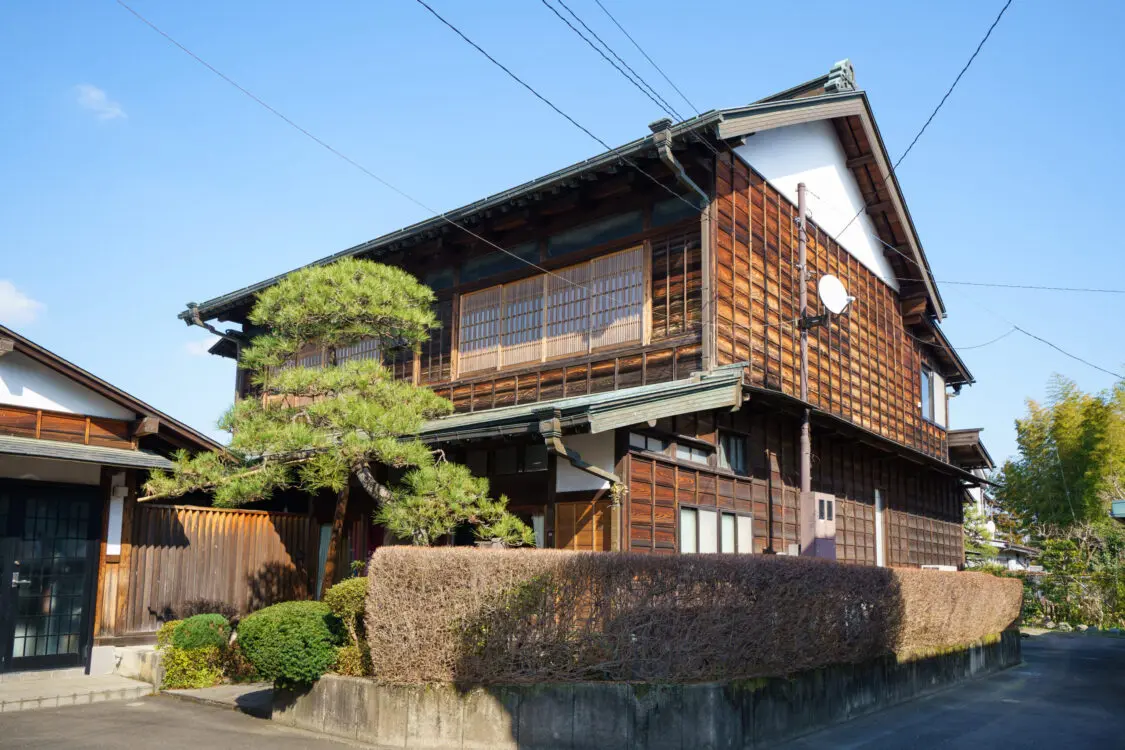
When you get off at Musashi-Itsukaichi Station, the final stop on the Musashi-Itsukaichi Line, a peaceful landscape spreads out before you.“Sumiya” and “J uan Chuzaemon” stand along the Hinohara Kaido road, which runs east–west in front of the station.They have a farmhouse-style entrance with white walls combined with solid wooden beams.
Since the Edo period, this family ran a charcoal business here while also serving as a guardhouse, and later began noodle making using the clear waters of the Akigawa River, establishing “Sumiya.”“J uan Chuzaemon” operates as the dining place for those noodles.Chuzaemon, the origin of the shop name, also worked as a politician while running the noodle business, devoted himself to local development, and was praised as the “Father of Itsukaichi.”
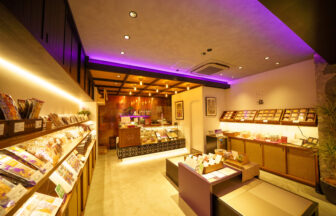
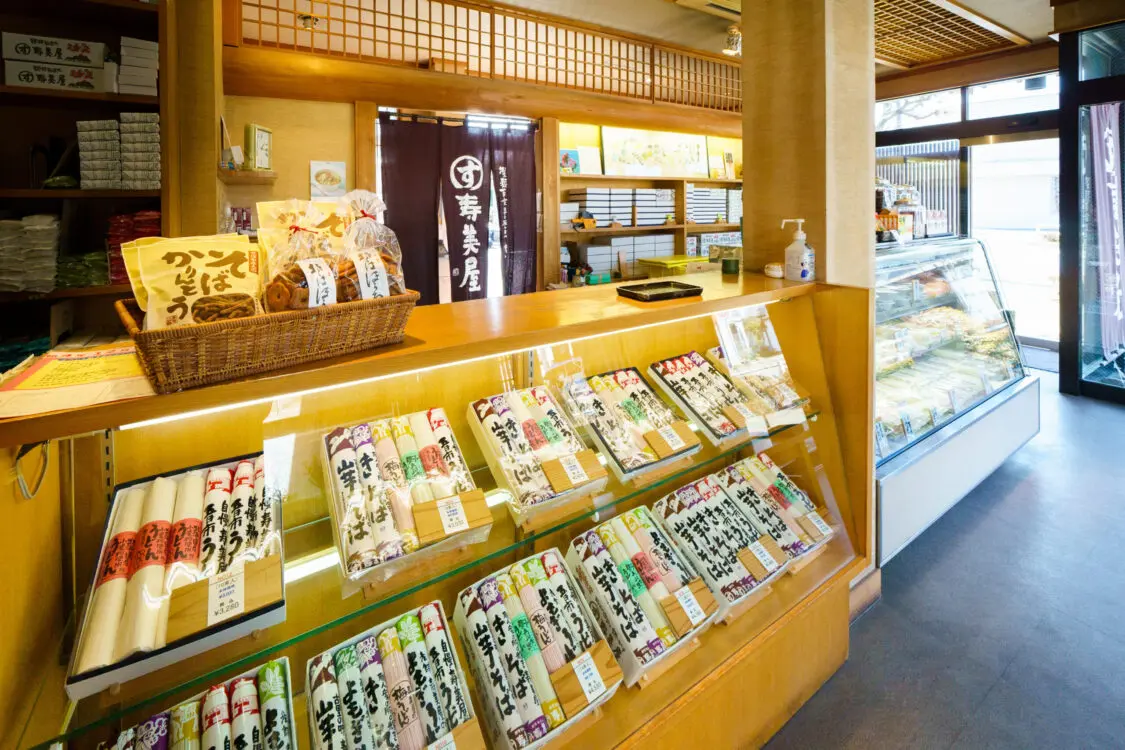
The direct sales shop offers souvenirs centered on Sumiya’s traditional dried noodles.
The owner himself, a certified dried noodle craftsman, strictly checks the humidity suited to each noodle and the drying time that changes with the seasons every day.Carefully selected flour and salt, and water from the local clear Akigawa River.Using no additives at all and only minimal ingredients, the noodles are praised for their honest taste that lets you feel the flavor of the flour.The lineup is impressive, showing the pride of 150 years of tradition in “making any kind of noodle into a first-class taste.”Starting with the oldest “kan-somen,” there are about 30 varieties in total, including udon, soba, and ramen.From long ago
In addition to the traditional “Itsukaichi udon,” they have created new local specialties such as udon kneaded with “norabo greens,” an Edo–Tokyo traditional vegetable, which are also chosen as hometown tax return gifts.
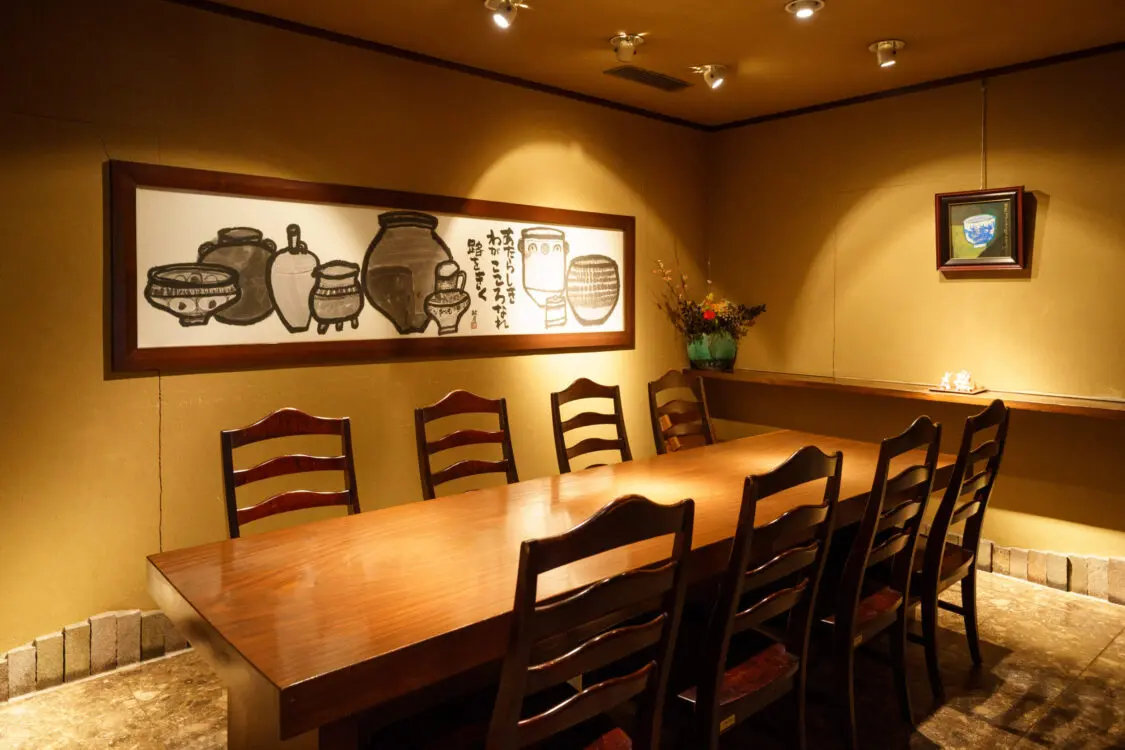
The attached dining area is a relaxing space made with reused wood from old traditional houses.Many customers come all the way here specifically to enjoy the soba and udon served here.
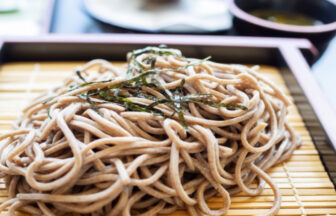
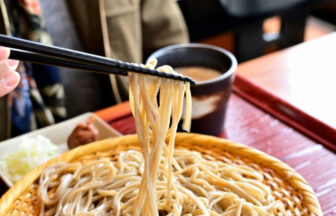
The hand-cut soba, made following the teachings of the former proprietress who mastered the Issa-an style, is a masterpiece even connoisseurs admire.The dipping sauce, made by combining a secret kaeshi continuously added to since opening with broth from top-grade Makurazaki bonito flakes and Rausu kelp, further enhances the aroma of the soba.There are three types of soba: the classic “oseiro,” the medium-thick “inaka soba” made from whole-ground buckwheat, and “shirayuki,” which uses only the core of the buckwheat grain.With a refreshing smoothness and a fragrant aroma that passes through the nose, it is well worth a visit for soba lovers.The sake paired with the soba is also
“Kisho” from the local Nozaki Brewery, conveying the hospitality of wanting guests to “taste this land.”
History
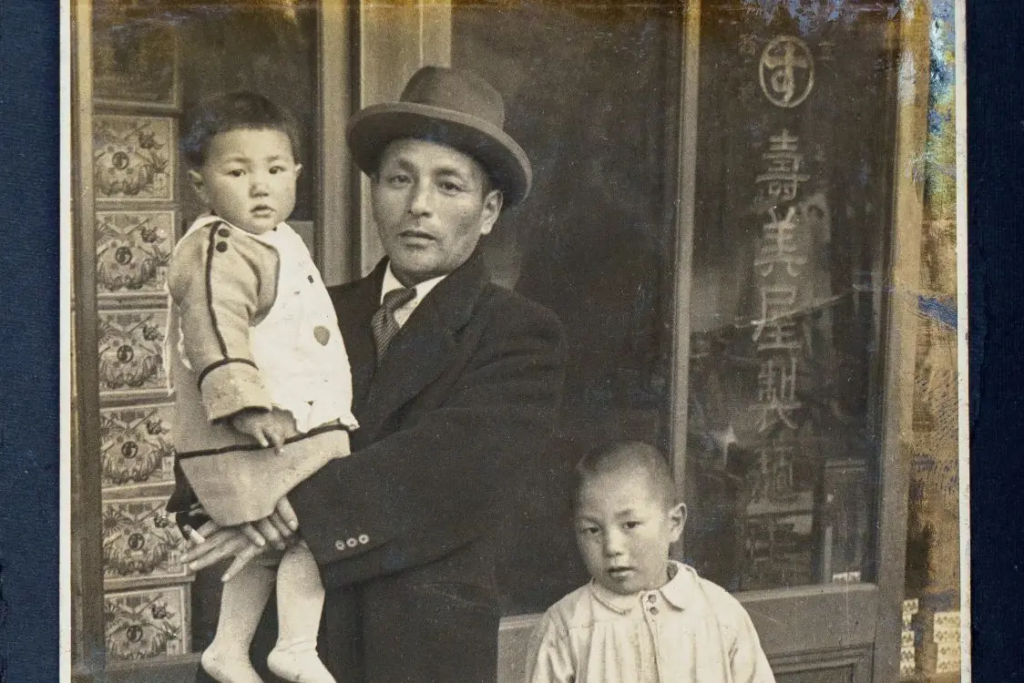
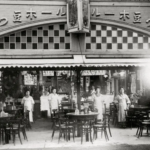
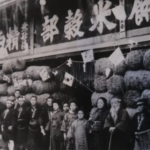
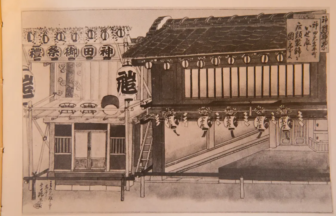
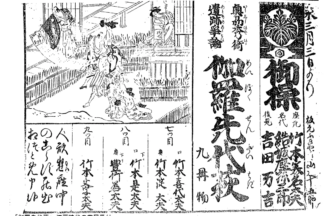
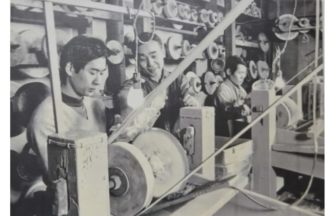
This family, which ran a charcoal business while also serving as a guard post since the Kyoho era, began making somen in the late Edo period using wheat gathered through barter with charcoal.In Meiji 6, Chuzaemon put up the Sumiya signboard and started modern machine-based noodle production, expanding to soba and udon as well.From the time of the former proprietress who mastered the Issa-an style of hand-cut soba, “J uan Chuzaemon” was also launched with a focus on hand-made soba, passing down their dedication to noodle making to this day.
We want you to taste the entire Itsukaichi area
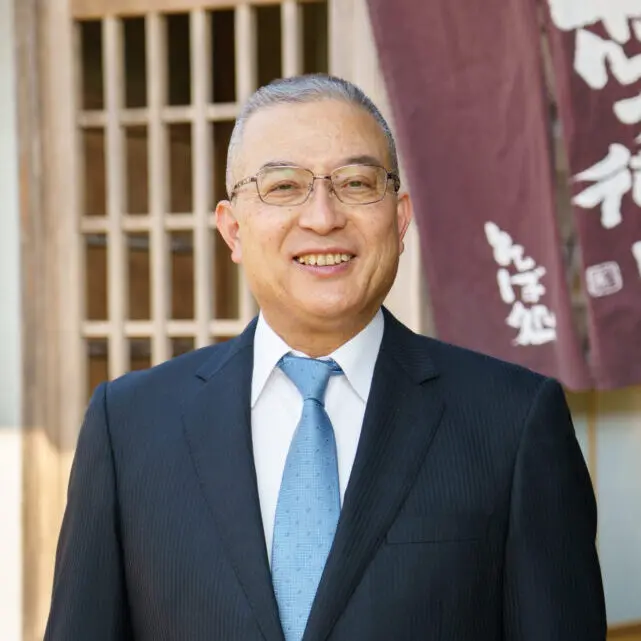
Mr. Tadashi Kishi
Fourth-generation owner of Sumiya
Protecting the basics, never cutting corners, and valuing ingredients.Because noodles are simple, we have continued to make them sincerely and earnestly.We hope people will enjoy traditional, delicious noodles that they can eat with peace of mind.
This Notable Item
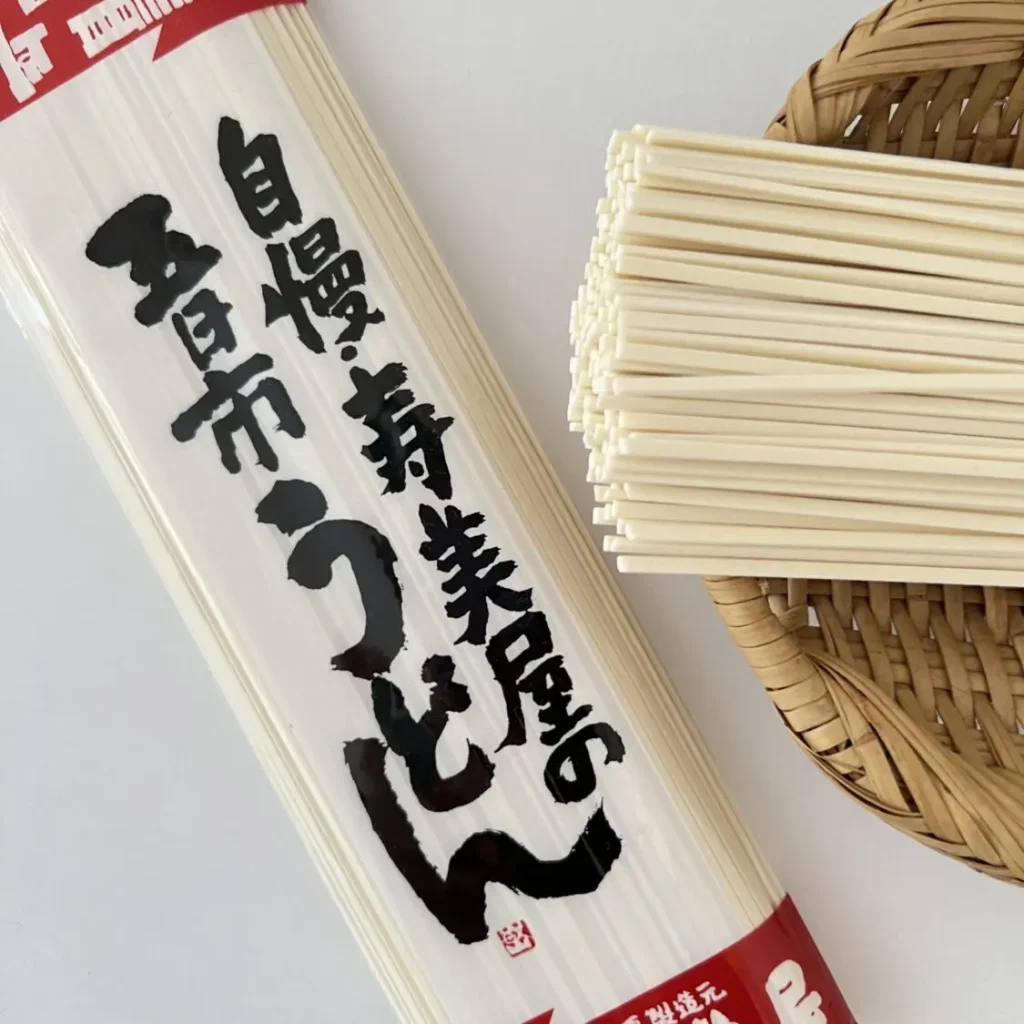
Dried noodles: Itsukaichi Udon
270 yen
“Itsukaichi udon,” which is also a registered trademark, is Sumiya’s signature product and a local specialty.
It features a perfect balance of saltiness and a strong bite with a smooth texture, finished through low-temperature, long-time drying.
It is.
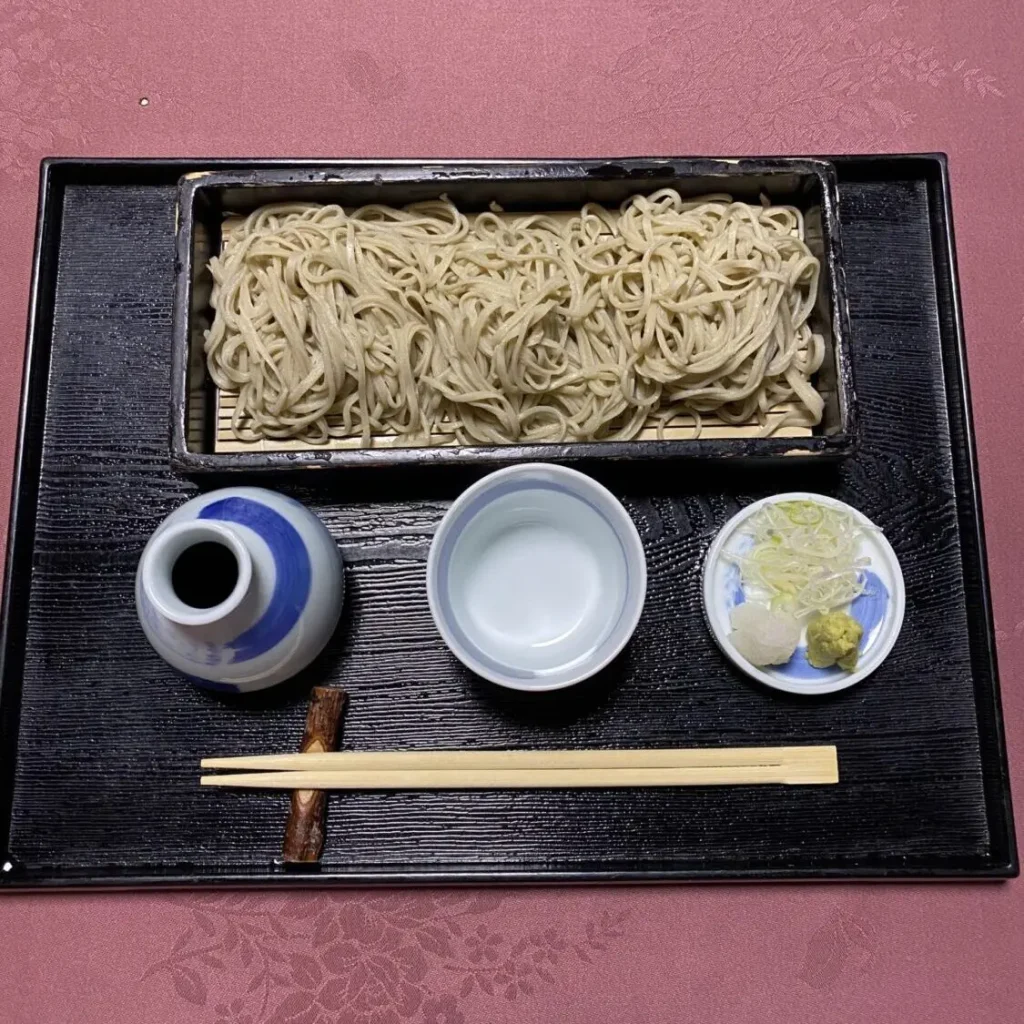
Hand-cut soba “Oseiro”
900 yen
“Oseiro” is the most popular dish at J uan Chuzaemon.If it is your first visit, this is the basic hand-cut soba to start with
We recommend it, and many people compare it with “inaka soba” and “shirayuki.”
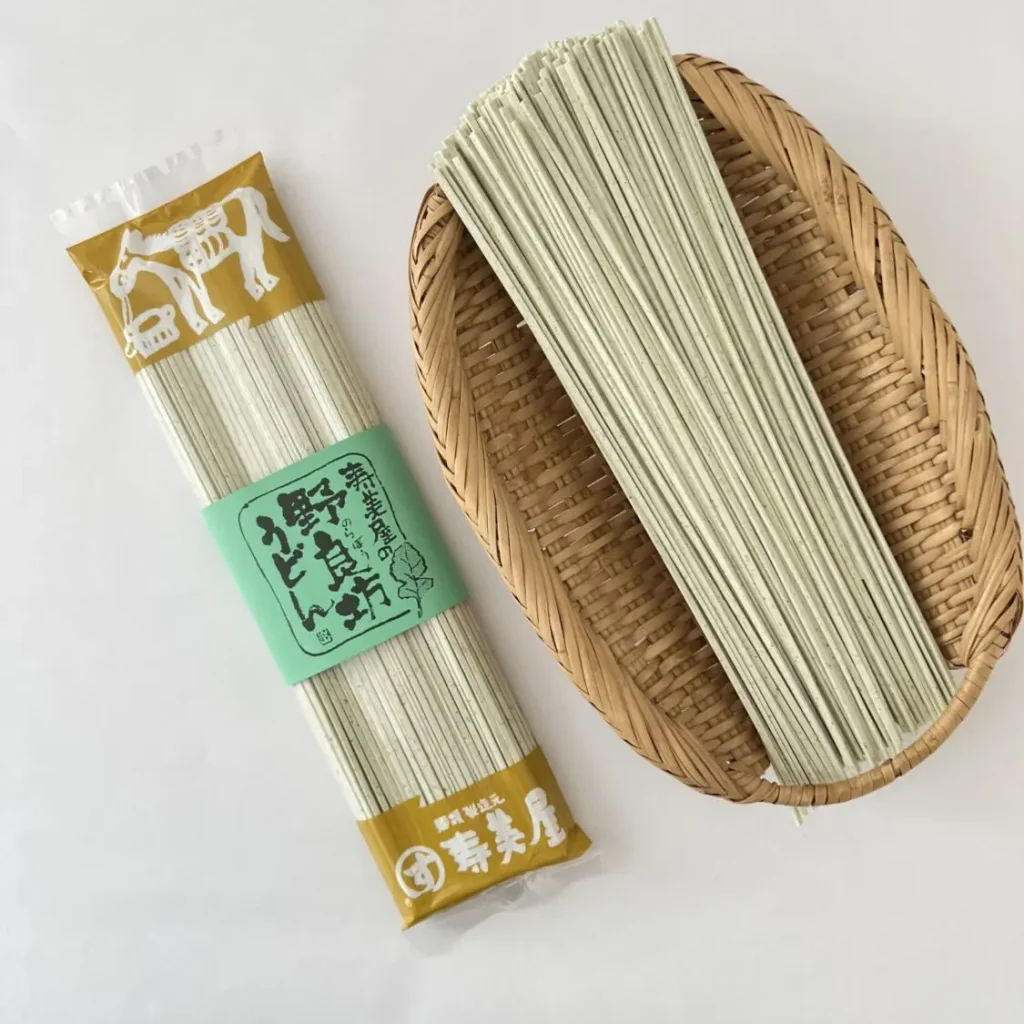
Dried noodles: Norabo Udon
370 yen
A relatively new udon made by kneading in “norabo greens,” an Edo–Tokyo vegetable and local specialty.The vegetable itself
Has a mild, unobtrusive flavor, and when boiled, it turns a pale green like jade noodles, praised as pleasing to both the eye and the palate.
Spot Overview
| address (e.g. of house) | |
|---|---|
| phone | |
| Business Hours | |
| regular closing day | |
| Payment Method | |
| External Links |