

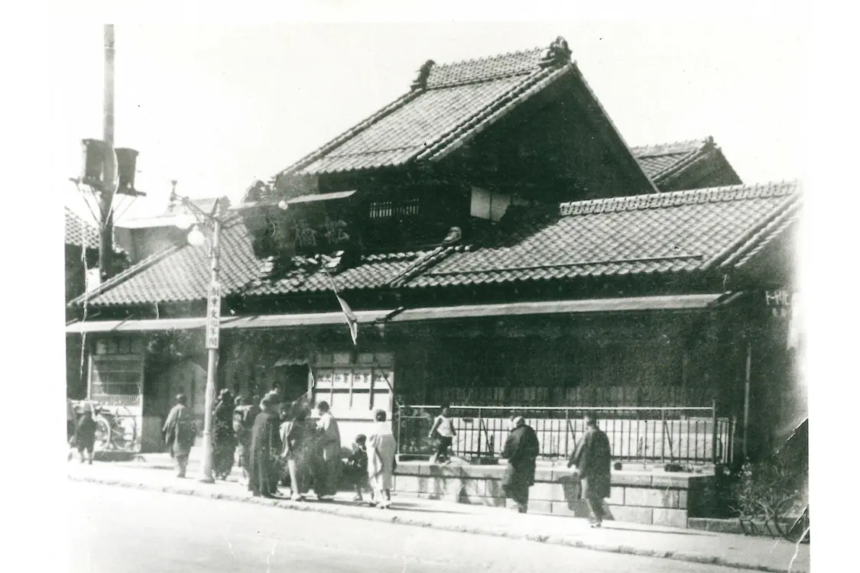
Founded in Bunka 2 (1805)
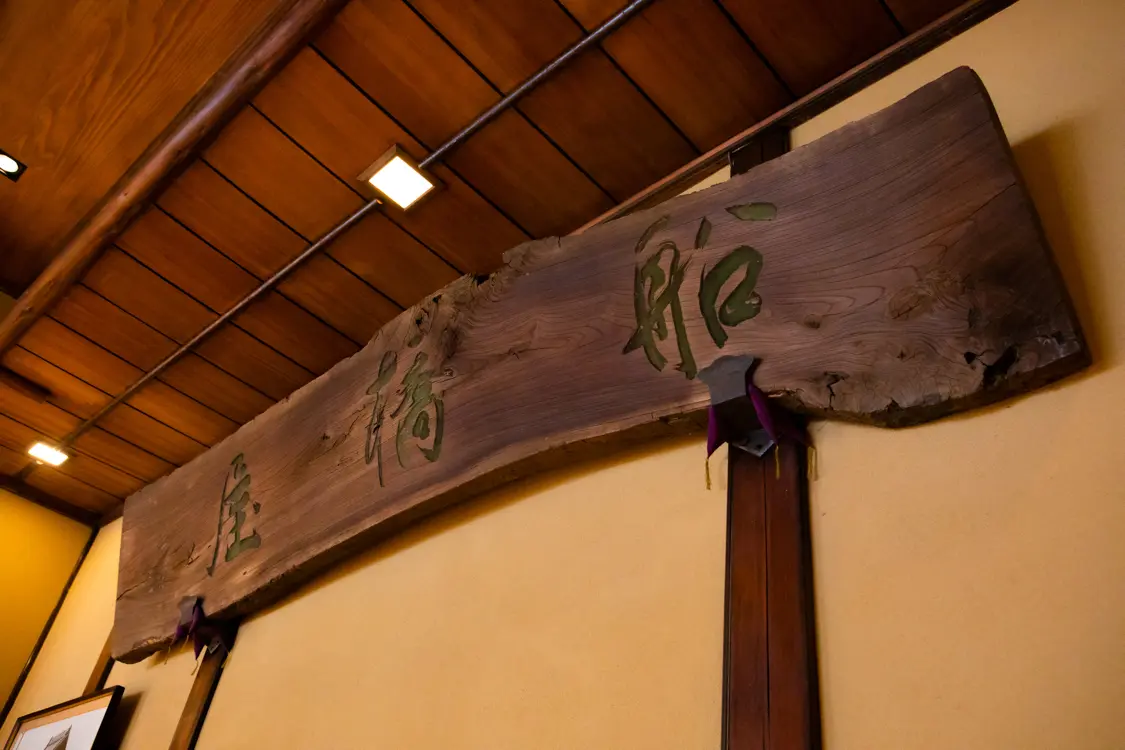
The only fermented confectionery that has been made for over 200 years
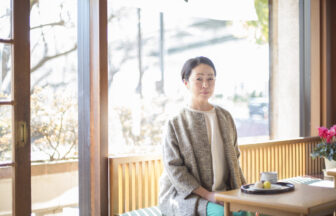
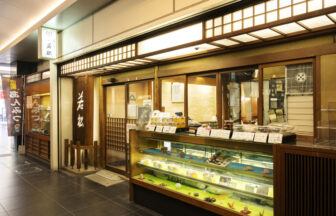
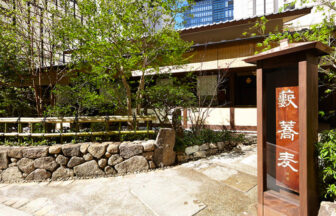
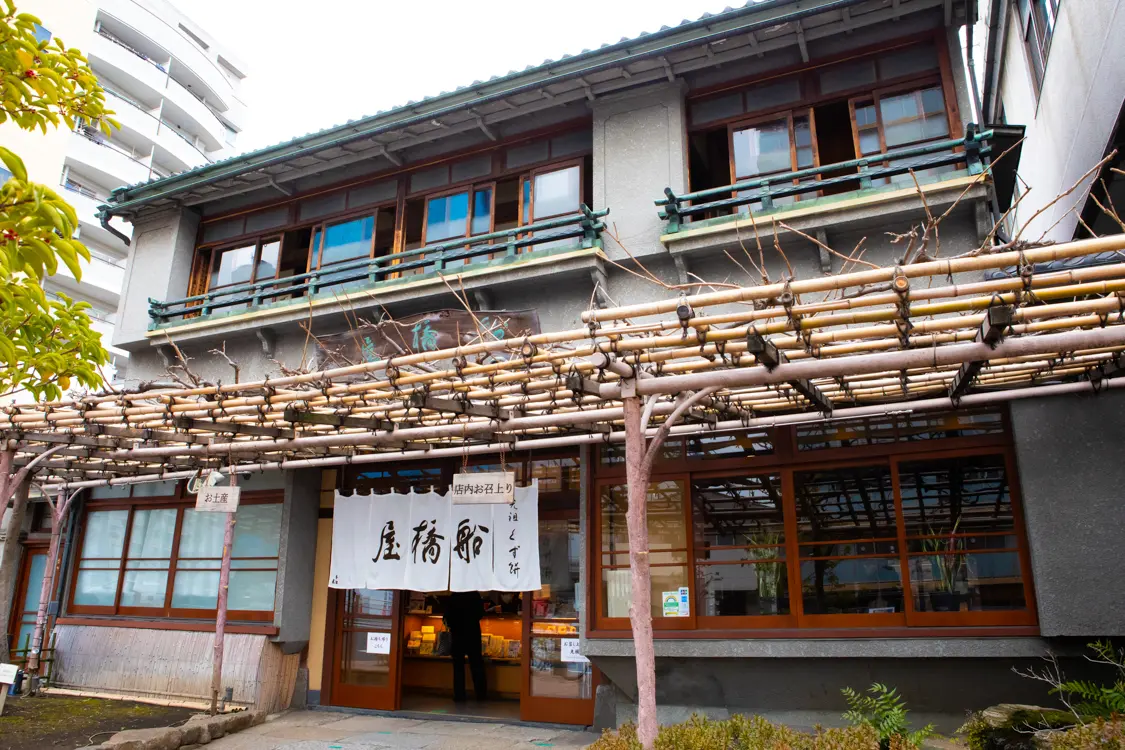
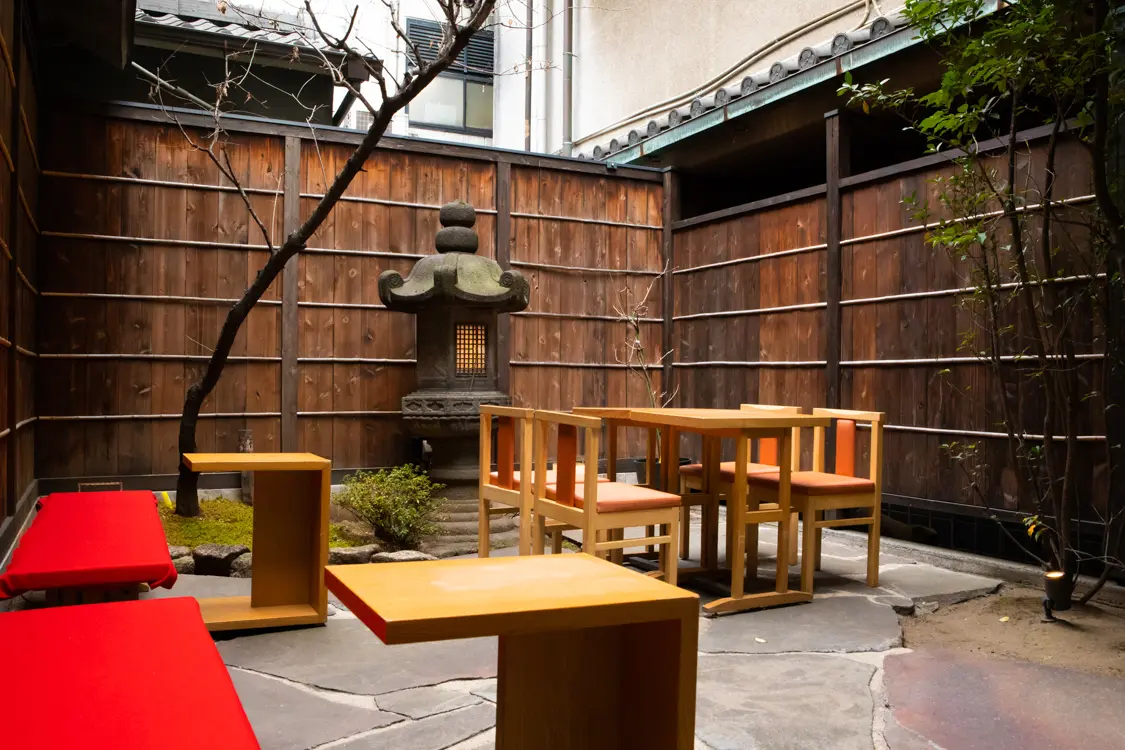
Walking under the wisteria trellis, a well-known local landmark, and passing through the large white shop curtain, you are greeted with “Welcome” and a spacious, relaxing Japanese-style space opens up.The tea room has high ceilings and gives a calm and comfortable atmosphere.In the small garden stretching to the back, there is a terrace with red felt seats, reminding visitors that Funabashiya began as a teahouse inside the Kameido Tenjin shrine grounds.
It is said that the founder, Kansuke, decided to open a teahouse after seeing many worshippers visit Kameido Tenjin, famous for seasonal flowers such as plum blossoms and wisteria.The product that became the teahouse’s specialty — and is still loved today — was kuzumochi.
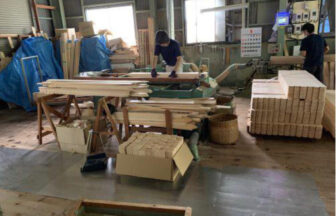
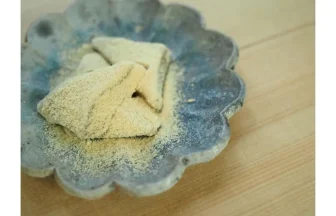
More than 200 years later, Funabashiya is synonymous with “kuzumochi.”Kanto-style kuzumochi, represented by our “kuzumochi,” is different from Kansai-style kuzumochi made from kuzu powder — it is steamed wheat starch with gluten removed, fermented with lactic acid bacteria.At Funabashiya, the starch is fermented for 450 days in natural wooden fermentation tanks and is steamed daily by skilled artisans.The soft, chewy texture with a faint aroma and sourness is proof of lactic acid fermentation.Kuzumochi is, in fact, the only fermented wagashi.In recent years, new products using “kuzumochi lactic acid bacteria” have been developed, and research results regarding their health benefits have also been reported.
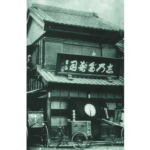
The large sign hanging in the tea room was handwritten by Eiji Yoshikawa, the national literary figure known for many popular and historical novels.The great writer Yoshikawa, who loved bread with kuromitsu during writing breaks and found Funabashiya’s kuromitsu to be his favorite among many he tried, left this sign — the only large sign he ever created in his lifetime.
Beside a customer in a wheelchair happily enjoying kuzumochi with plenty of kinako and kuromitsu, young visitors take photos while widening their eyes at their first taste of kuzumochi or anmitsu.Such scenes are what make this shop unique.
The flavor created by the first generation, which once captivated the people of Edo, continues to win new fans even today.
History

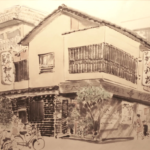
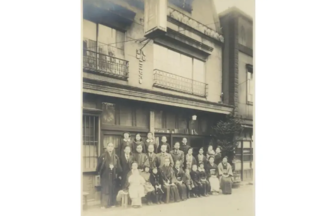
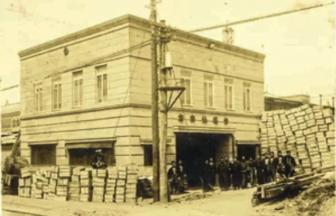
In Bunka 2 (1805), the founder Kansuke from Funabashi in Shimousa Province (now Chiba Prefecture) established the shop inside the Kameido Tenjin shrine grounds, then famous for plum and wisteria.Because Shimousa, Kansuke’s hometown, was famous for high-quality wheat, he began selling steamed mochi made from kneaded wheat flour, and it quickly became known as the specialty of visitors to Kameido Tenjin.In the early Meiji period, it was ranked “yokozuna” — the highest rank — in the booklet comparing Edo sweets vendors titled “Oedo Tastes and Famous Products from the Restoration to Early Meiji.”It was loved by cultural figures who deeply understood Edo’s atmosphere in Tokyo, such as Ryunosuke Akutagawa, Kafu Nagai, and Eiji Yoshikawa.Even after the shop was destroyed in World War II, it was rebuilt using the remaining kuzumochi wheat starch — miraculously saved.Together with Kameido Tenjin, it continues to be one of the most beloved landmarks of Kameido, unchanged from the Edo era.
This Notable Item
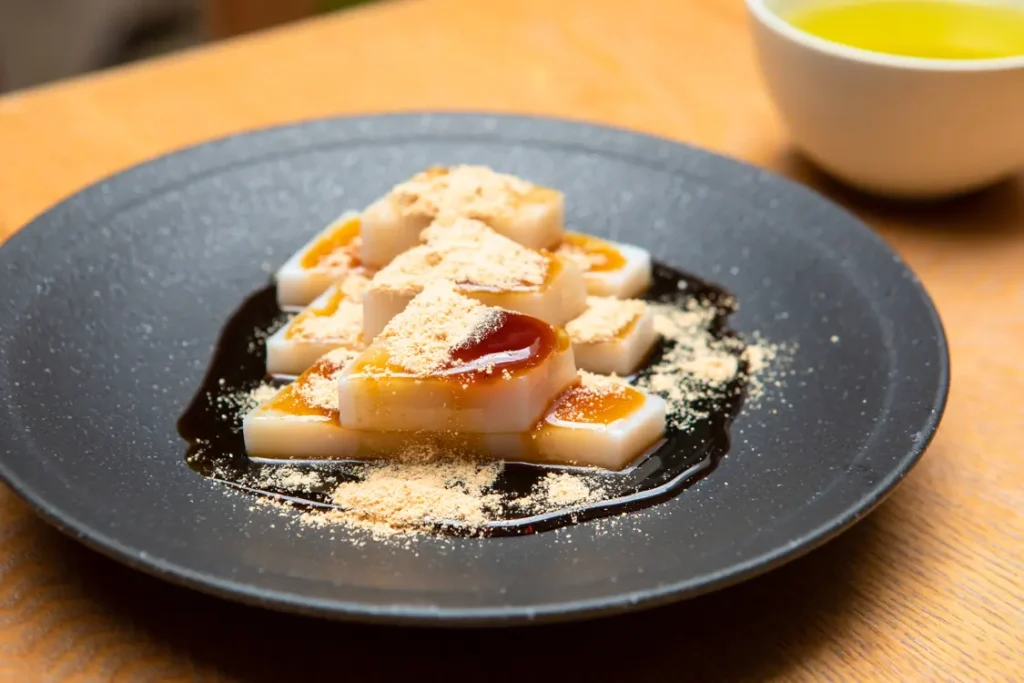
The original Kuzumochi
Medium box 950 yen
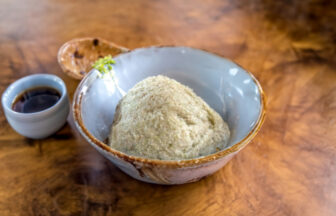
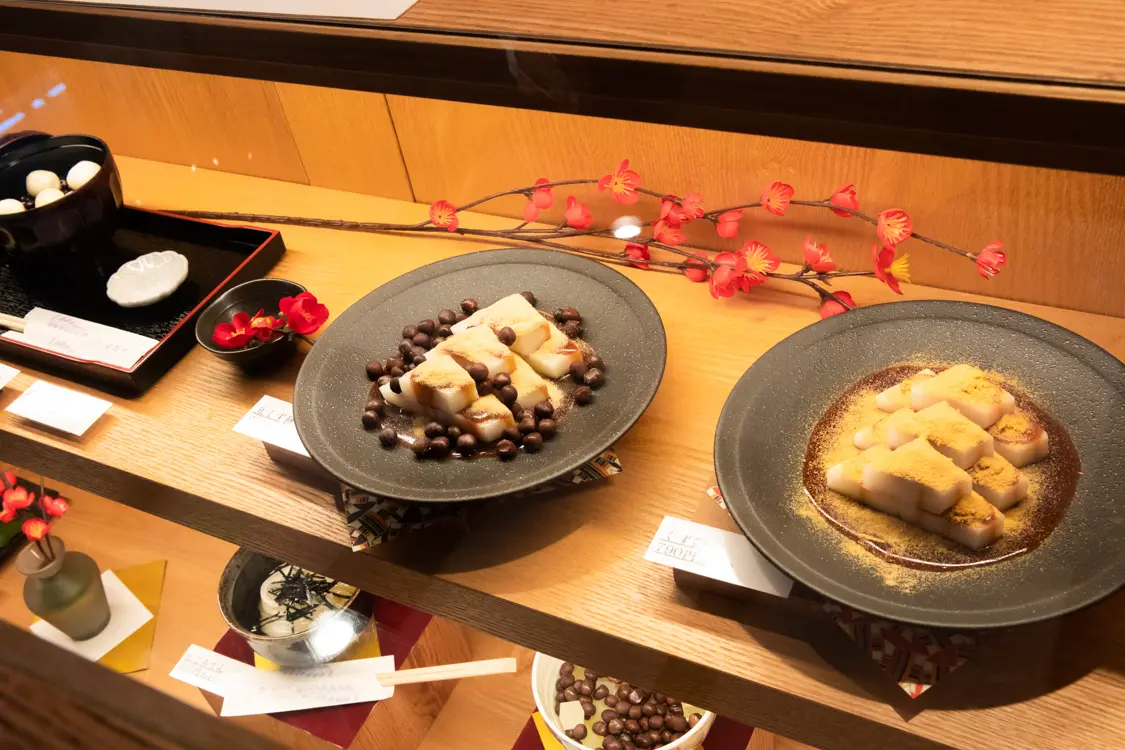
Funabashiya’s unwavering most popular item is this “kuzumochi.”This natural food takes 15 months of lactic acid fermentation in natural wooden tanks and is then steamed — all for a shelf life of only two days.Sizes vary from single-serving cup portions to extra-large boxes.Enjoy it with plenty of fragrant kinako and our secret kuromitsu.
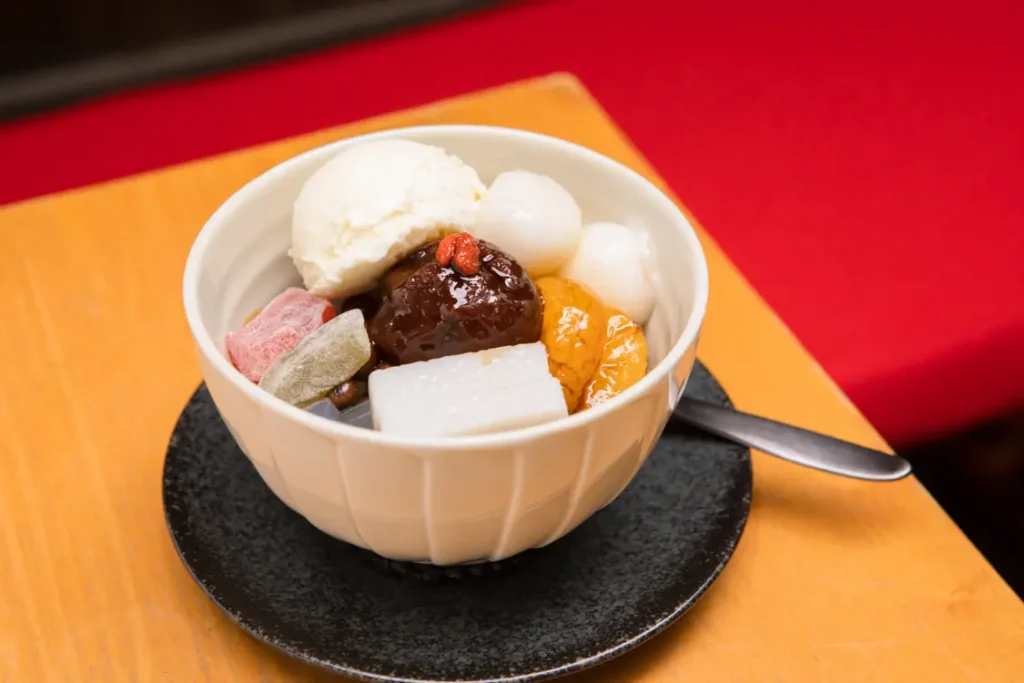
Anmitsu with Kuzumochi
500 yen
Following kuzumochi, the next most popular item is the classic Japanese dessert “anmitsu.”It features firm kanten jelly made from domestic tengusa seaweed, homemade smooth red bean paste, gyuhi mochi, and kuzumochi — a taste unique to Funabashiya.This is also best enjoyed with plenty of our secret kuromitsu.Available for takeout and online purchase.
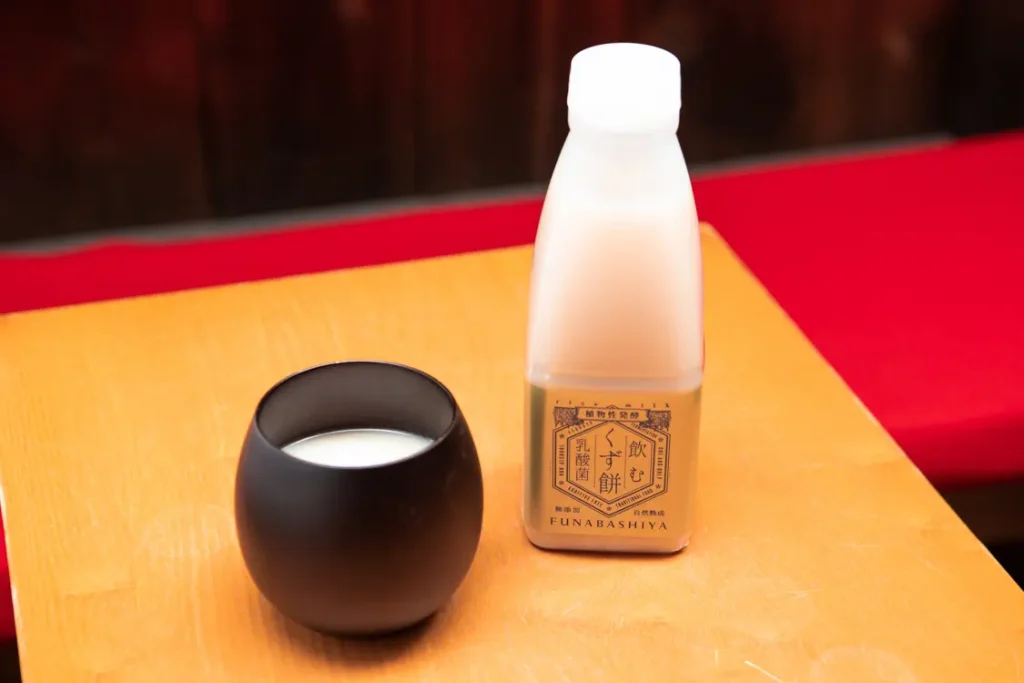
Drinkable Kuzumochi Lactic Acid Bacteria
Large 1,300 yen, Small 375 yen
This new drink was created after hearing customers say, “I feel better physically when I eat kuzumochi.”It is a fermented beverage made only from rice, water, and lactic acid bacteria, with no sugar, gluten, or allergens subject to labeling.People appreciate it as an easy way to consume plant-based lactic acid bacteria from kuzumochi every day.
Spot Overview
| address (e.g. of house) | |
|---|---|
| phone | |
| Business Hours | |
| regular closing day | |
| Payment Method | |
| External Links |