Ginza Wakamatsu

Sweet shop & Fruits Ginza (shopping district in Tokyo)

Established in 1894

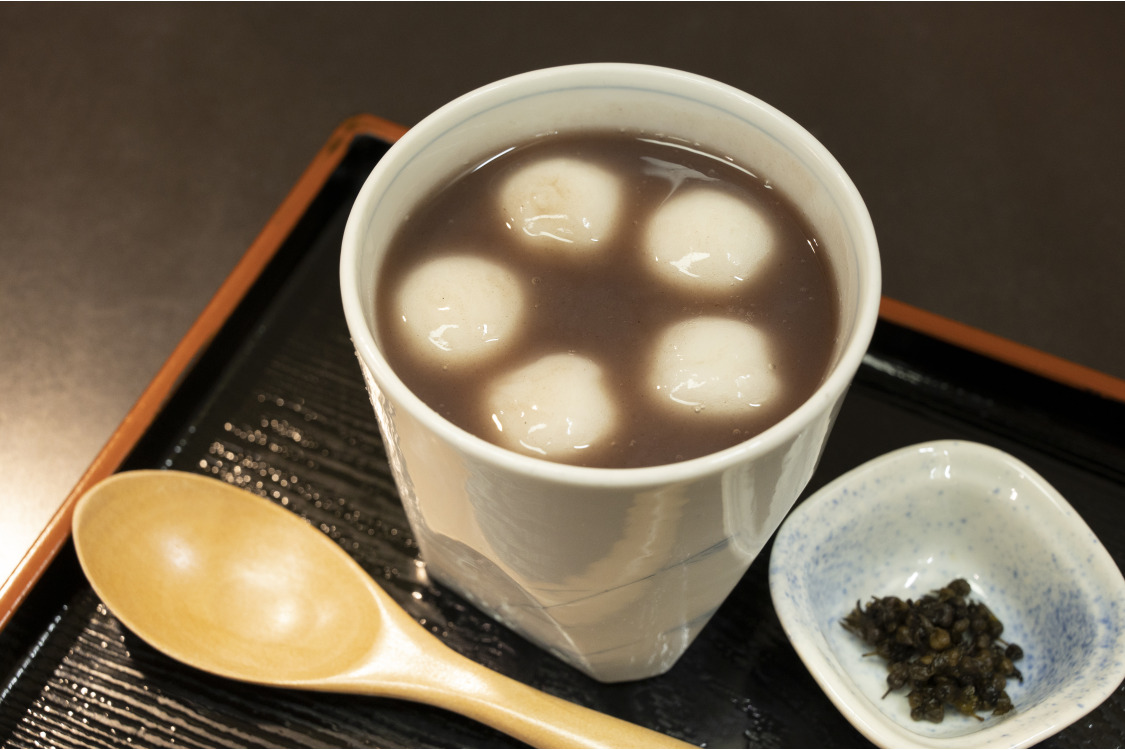
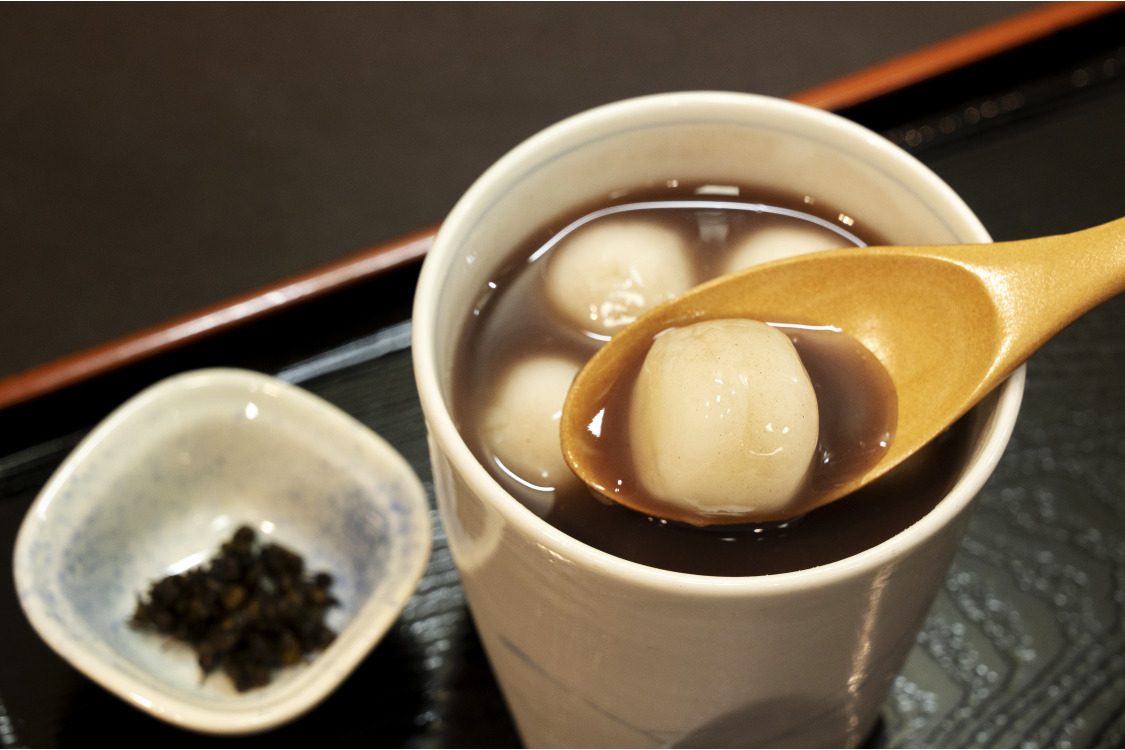
syrup-covered sweet red-bean soup

Many Kabuki actors are fans. The sweet shop where Anmitsu originated.

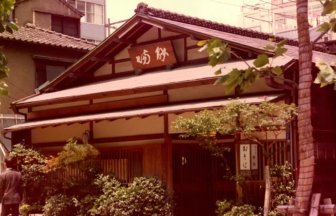
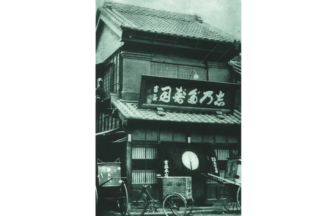
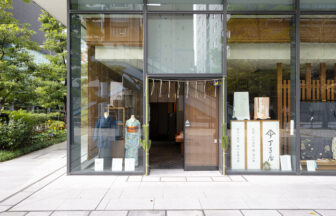
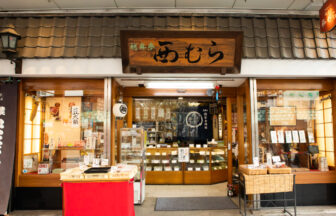
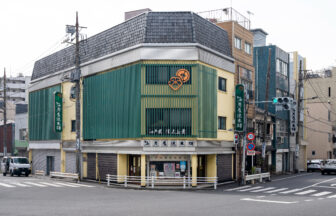
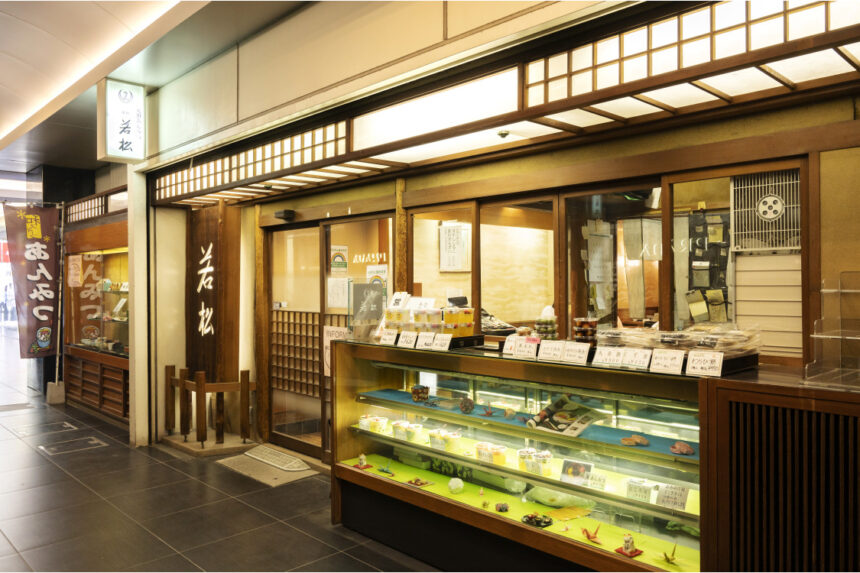
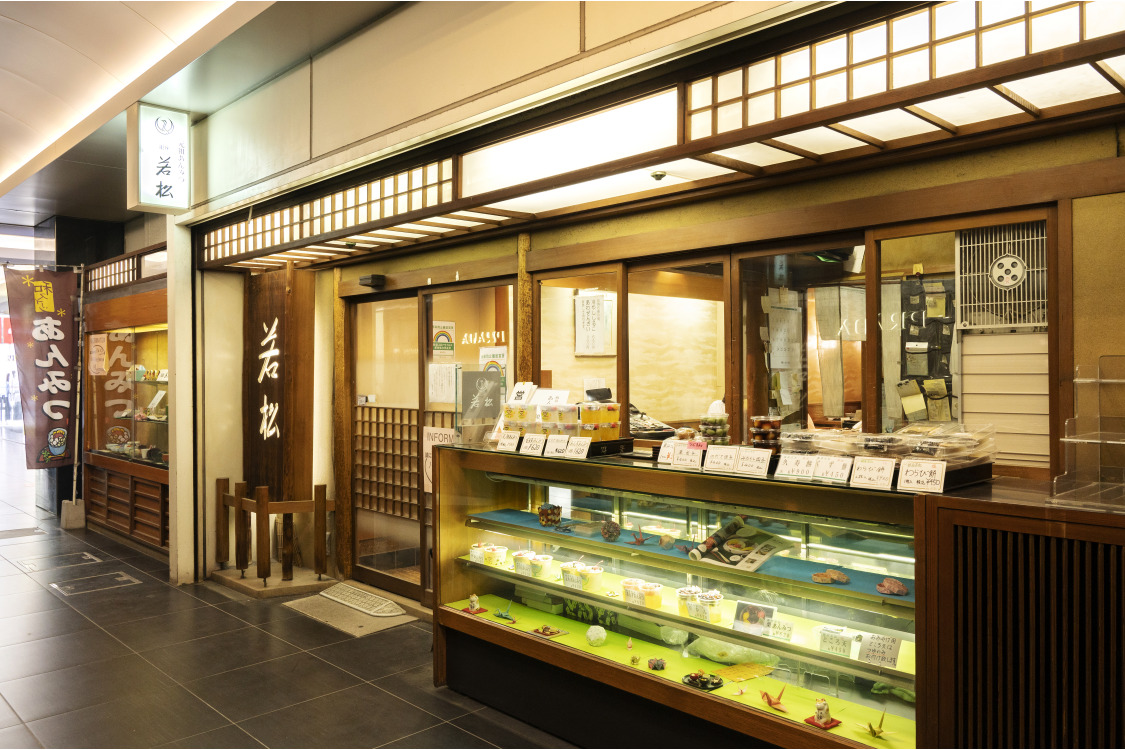
The birthplace of “Anmitsu,” a typical Japanese confectionery. Located on the first floor of the Ginza Core Building, directly connected to Ginza Station, the store has been serving sweet treats for 130 years in the same location since its establishment in 1894 (Meiji 27).

The simple yet atmospheric restaurant with a Japanese atmosphere offers a relaxing escape from the hustle and bustle of the city. The entrance is a little hard to find, but by the time lunchtime rolls around, the place is packed with customers.

The original anmitsu, which is what everyone is looking for, was born from a request from a regular customer who wanted to eat something sweeter and enjoy red bean paste. So the second generation put an anmitsu on top of mitsumame, which was a standard cool taste, and poured sweet honey over it, and it became very popular. Reputation followed reputation, and it spread as a sweet taste throughout Japan.

The original anmitsu, which is carefully made using the same production methods and selected ingredients as in the past, is known for its moderate sweetness that even those who normally have a sweet tooth can enjoy it. Other items on the menu include oshiruko (sweet red-bean soup), mitarashi dumplings, kuzumochi (bean-jam cake with kudzu), icy anmitsu, and seasonal anmitsu, all of which look lovely and offer a taste of traditional flavor.

Since the Kabuki-za Theater is located nearby, it is popular among Kabuki actors and is often used as a souvenir.

History

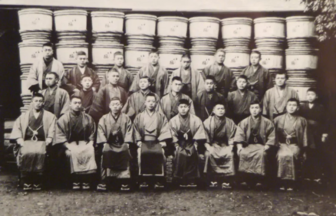
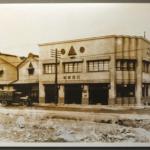
The first generation, who ran a confectionery store in Ueno, opened the shop in its current location in 1894. It started out as a soup stock shop, but in 1930, the second generation, Hanjiro Mori, invented “anmitsu” (sweet bean paste). Since then, the store has become known nationwide as the “birthplace of anmitsu.

Featured products/Pickups

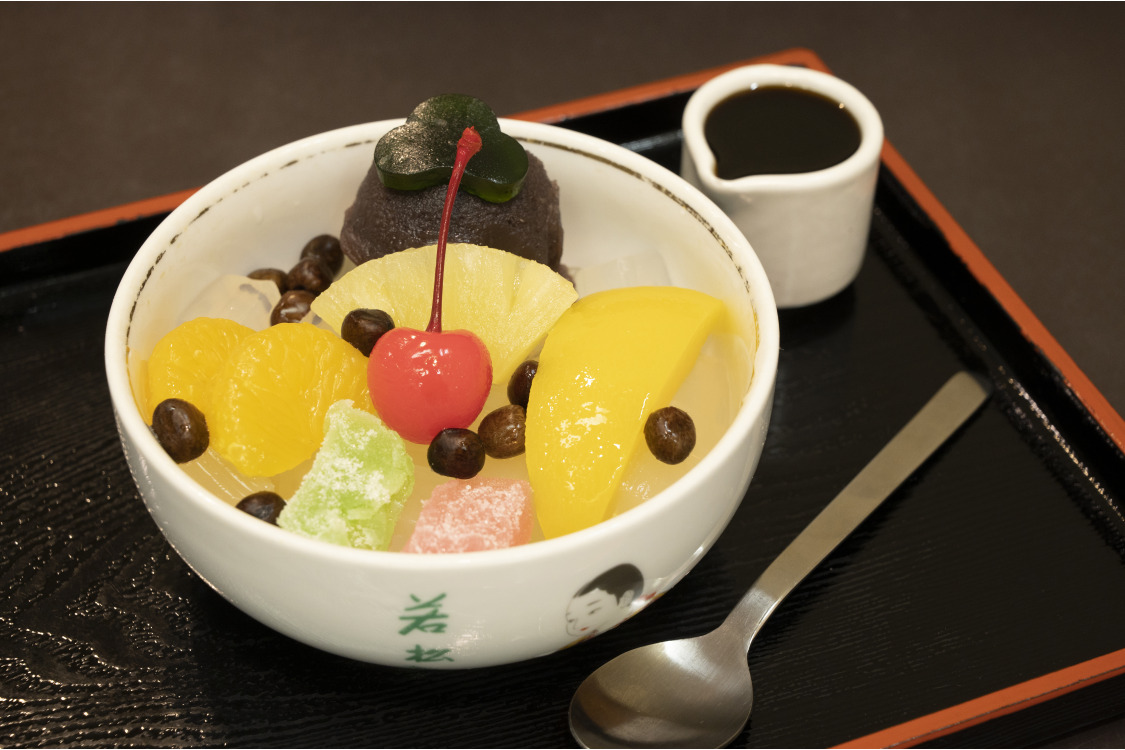
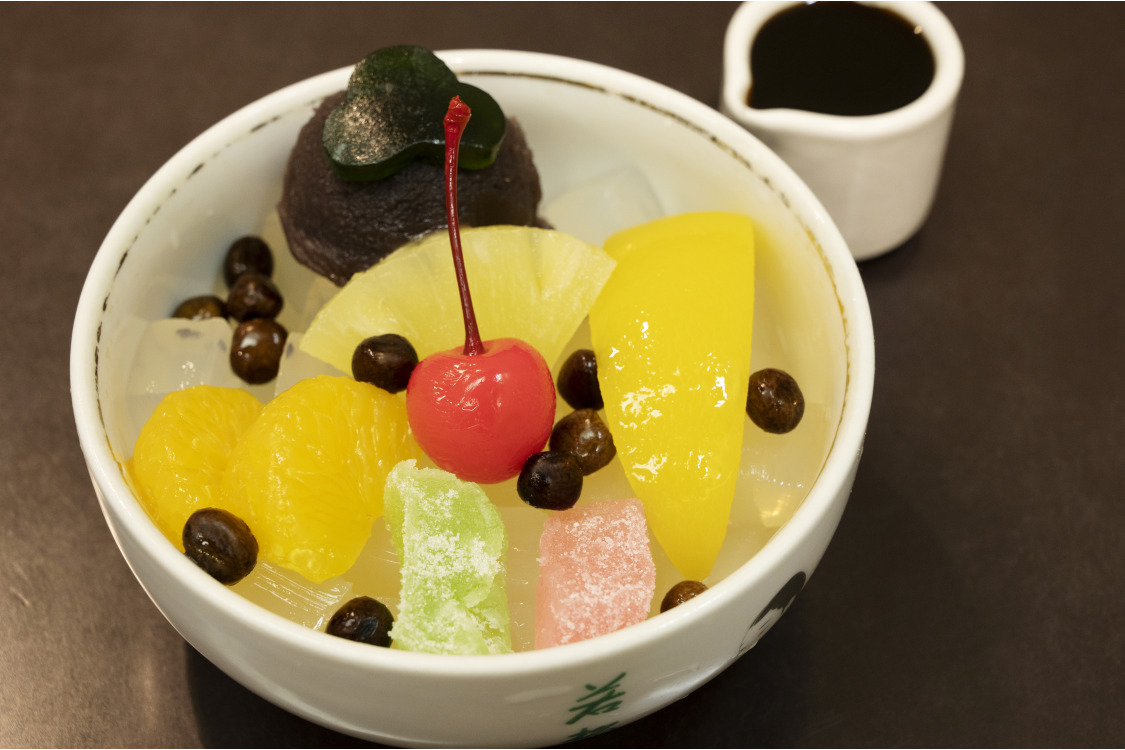
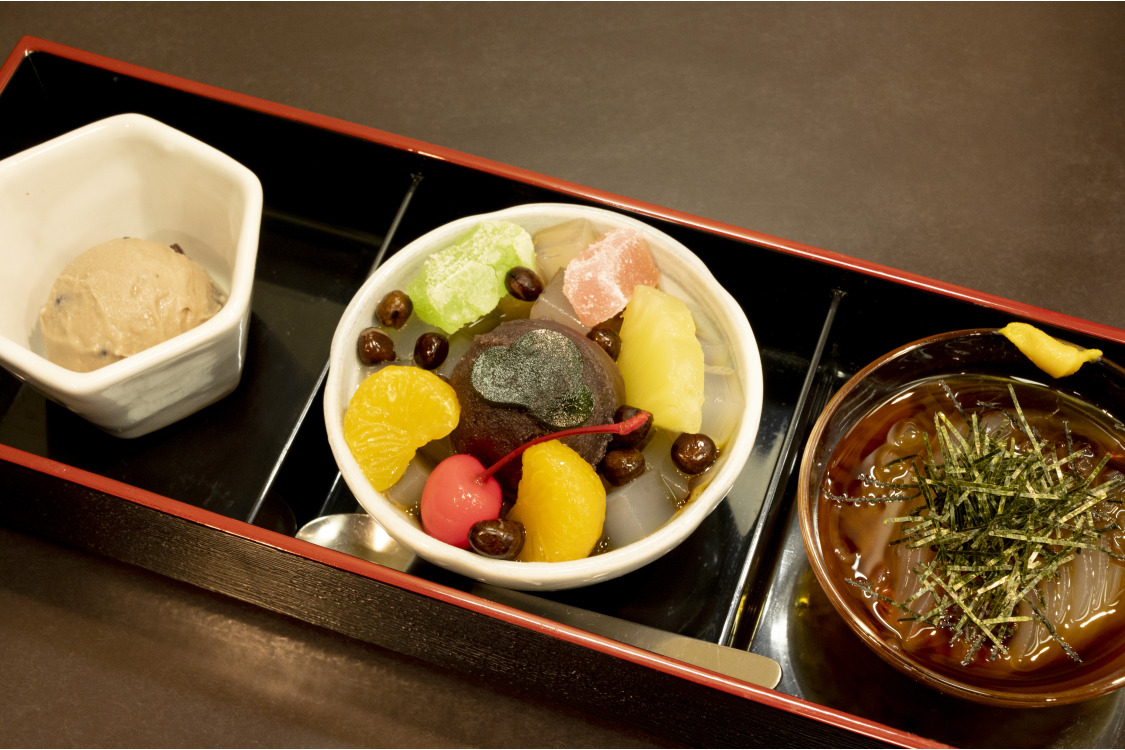
Anmitsu, the original sweet bean jam

950 yen

Made with carefully selected ingredients such as azuki and red peas from Hokkaido and agar made from tengusa from Miyakejima Island, Izu. The green and pink gyuhi is retro cute to the eye. The pine-shaped yokan, named after the store’s name, is also noteworthy.

chilled Shiru powder

1,000 yen

Cold oshiruko (sweet red bean paste) made with Ginza Wakamatsu’s specialty koshian (sweet red bean paste). The sweetness is well balanced with a refreshing taste, making it perfect for the hot season.

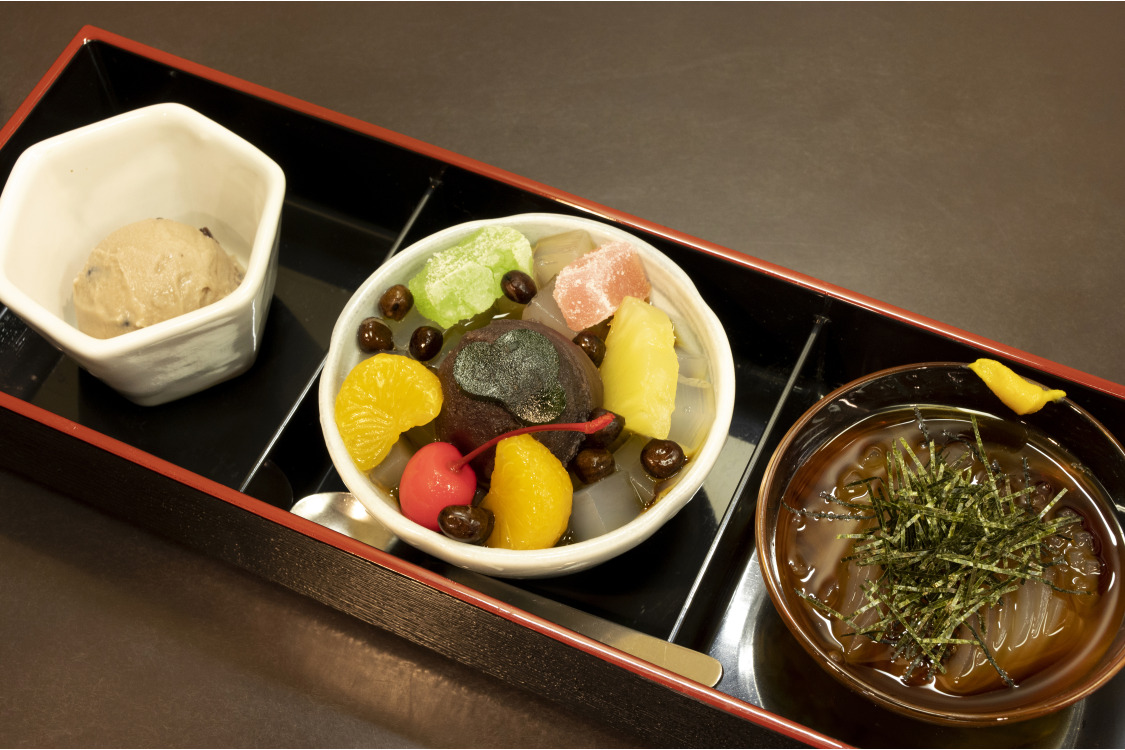
Anmitsu 3-piece set

1,350 yen

In addition to mini anmitsu, you can choose two of your favorite items from Tokoroten, Kuzumochi, Ogura Shiratama, Chestnut Ogura, Ogura Ice Cream, and Warabimochi. For those who want to enjoy a variety of flavors.

Spot OutlineOutline

address (e.g. of house) Core Building 1F, 5-8-20 Ginza, Chuo-ku, Tokyo
Access 1 min. from Tokyo Metro Ginza Sta.

phone 03-3571-0349
Business Hours 11:00~18:00
regular closing day Monday, Tuesday
Payment Method cash
External Links

Official Site

Number of Seats 36 seats
reservation Seat reservations not accepted / Take-out reservations accepted

03-3571-0349 Official Site

The information is current at the time of publication. The information is subject to change.

新着・おすすめ情報

  1. 【MATSUZAKI SHOTEN/松崎煎餅】ハロウィン三味胴 期間限定販売

  2. He started helping out in the family business as a child and went on to become a part of it. Kimuraya Honten, Asakusa’s oldest doll-shaped yaki store

  3. Customer information is written down in a notebook and shared with all staff. Ginza Mikawaya’s commitment to hospitality

  4. 【第25回】七十五という数字にまつわる蕎麦の話

  5. Eitaro Sohon Sho] New store opened at Ginza Mitsukoshi

  6. 【木村屋總本店】3月春のお楽しみセット(限定100セット)特別価格で販売中

  7. Celebrate the Peach Festival with the taste of a long-established store. Limited time offer Hina Arare on sale / Azabu Juban Mamegen

  8. How were “Fresh Pack” and “Soup Stock” born? The source of the idea of the long-established dried bonito flakes shop “Nimben

  9. Unosuke Miyamoto Shoten] “Katsugi Oke & Fuse Taiko Ensemble” and “Odaiko Class” workshop on Saturday, June 24, 2012

  10. 【第27回】粋な江戸蕎麦の食べ方とは

  11. 【第8回】江戸時代から語られるぶっかけの由来と食べ方指南

  12. Kuroeya (department store)

  13. To preserve traditional culture, we also consider the treatment of craftsmen. What does the long-established “Edoya” think of “succession”?

  14. Ishii Roasted Bean Shop

  15. Ubukeya