

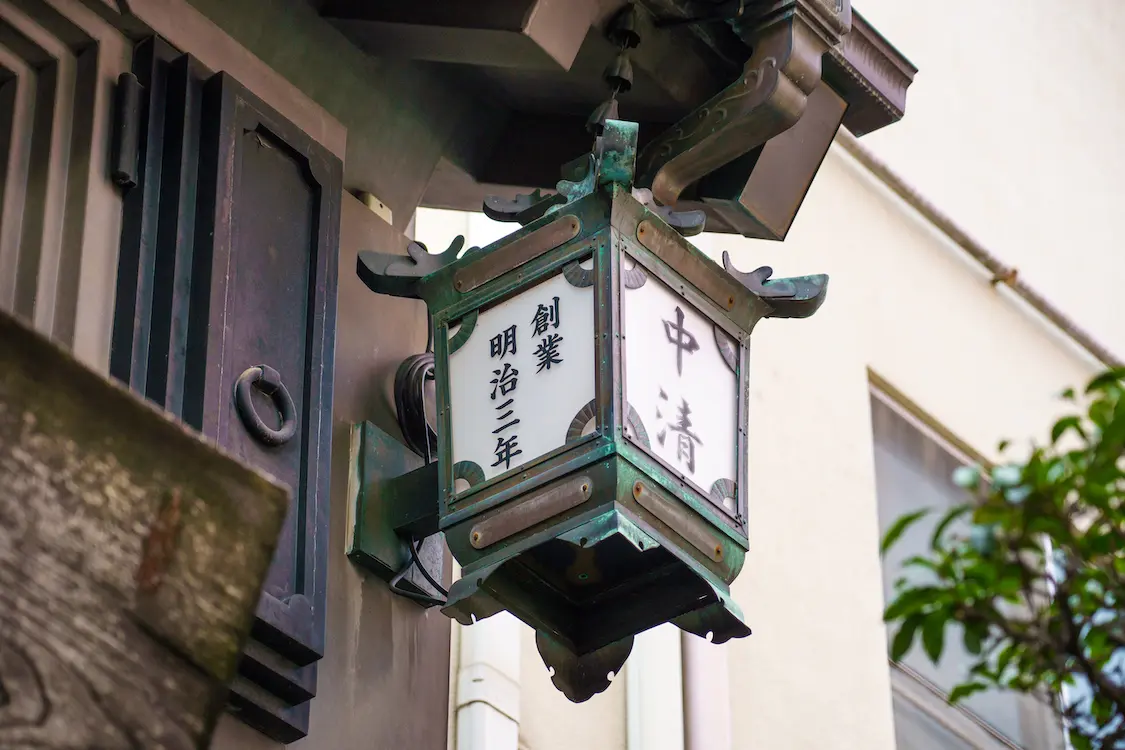
Founded in Meiji 3 (1870)
The famous “Raijin-age” loved since the Meiji era
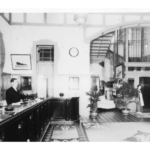
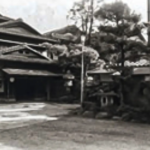
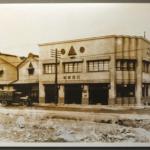
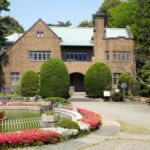
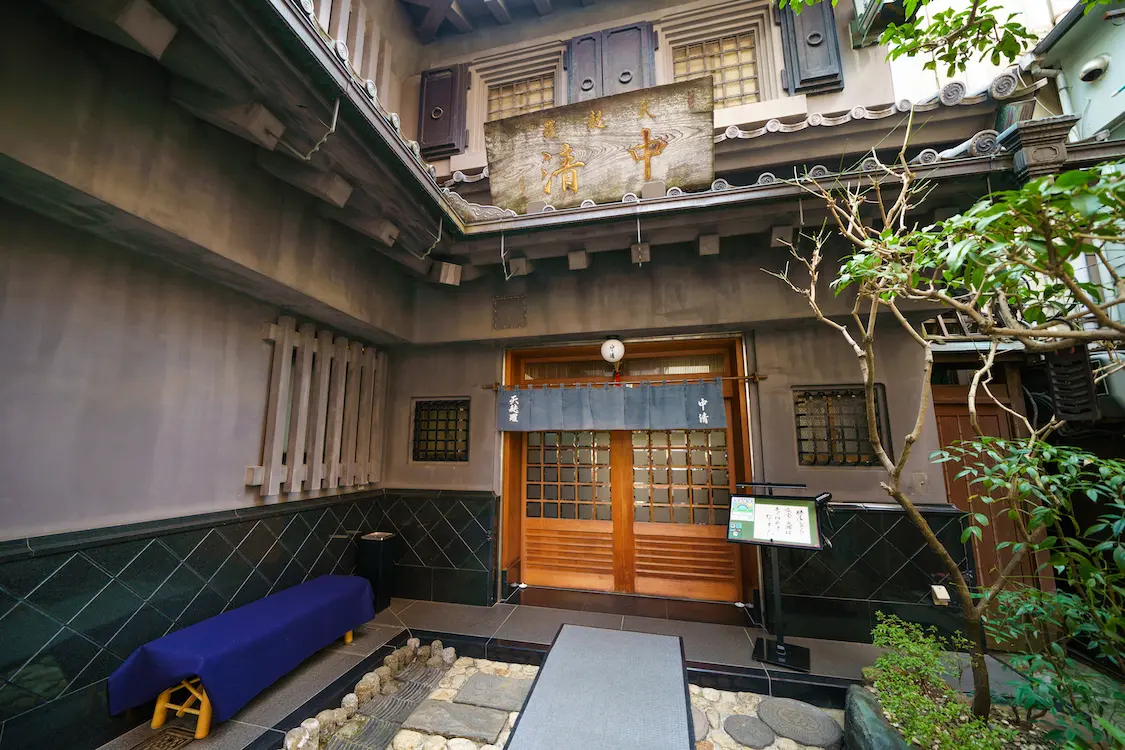
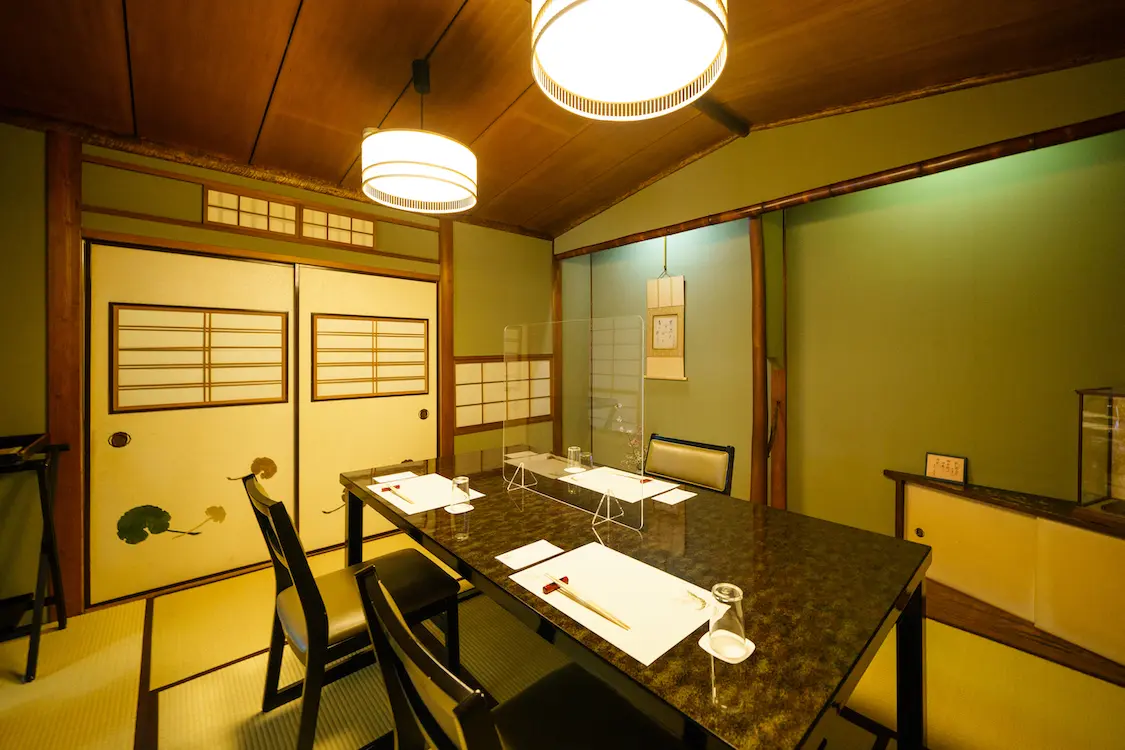
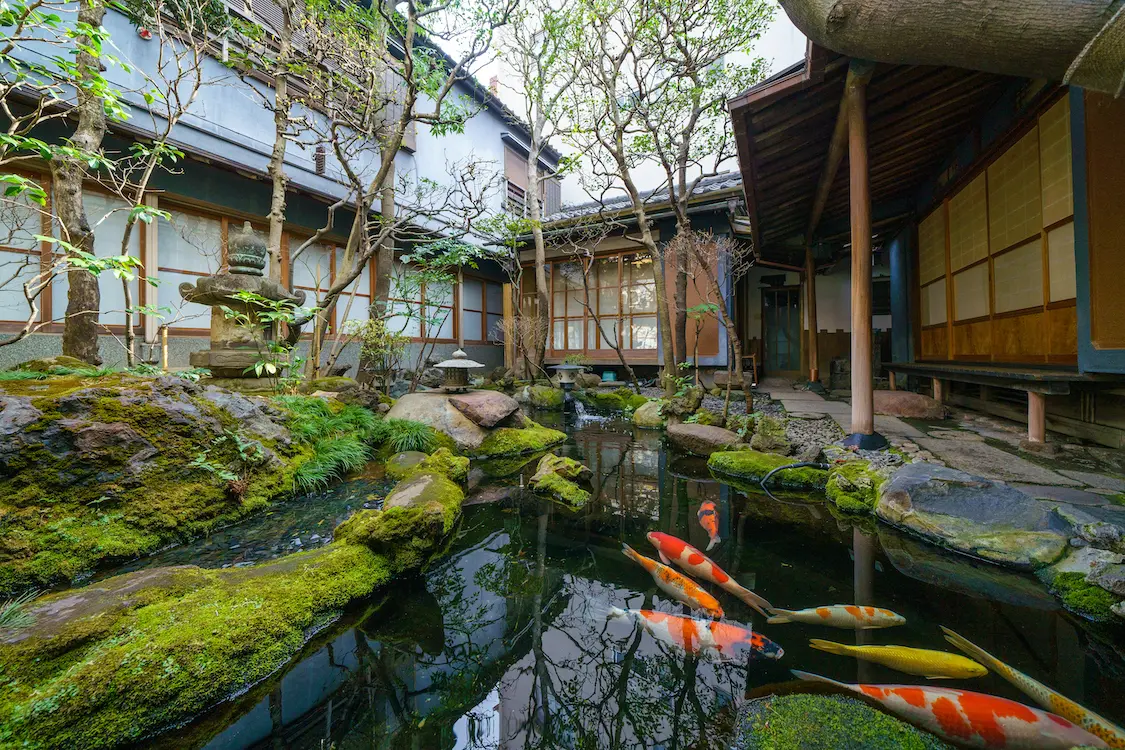
This Edo-style tempura restaurant has been passed down for six generations since the Meiji era. Its specialty is a giant kakiage made with shiba shrimp and aoyagi clam adductors, inherited from the first generation.It was named “Raijin-age” by Tatsuno Takashi, a French literature scholar and regular customer, because it resembles the thunder drum of the Raijin statue at Kaminarimon.A courtyard with a pond is surrounded by buildings in sukiya style, allowing guests to relax even in busy Asakusa.The wooden buildings were destroyed many times, including during the Great Kanto Earthquake, but each time they were rebuilt while honoring the atmosphere of the founding era.The tatami rooms are also useful for business entertainment.
History
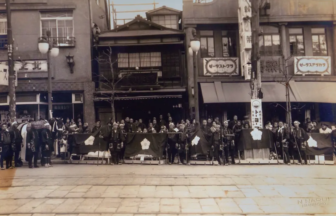
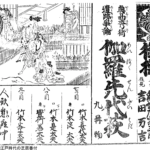
It began at the end of the Edo period when the founder, Nakagawa Tetsuzō, opened a tempura food stall on Hirokoji Street.Later, in Meiji 3 (1870), the restaurant was established in front of Asakusa Public Hall, where it remains today.The name “Nakasei” combines the character “Naka” from the family name and “Sei” from Seigorō, the son who became the second-generation owner.
This Notable Item
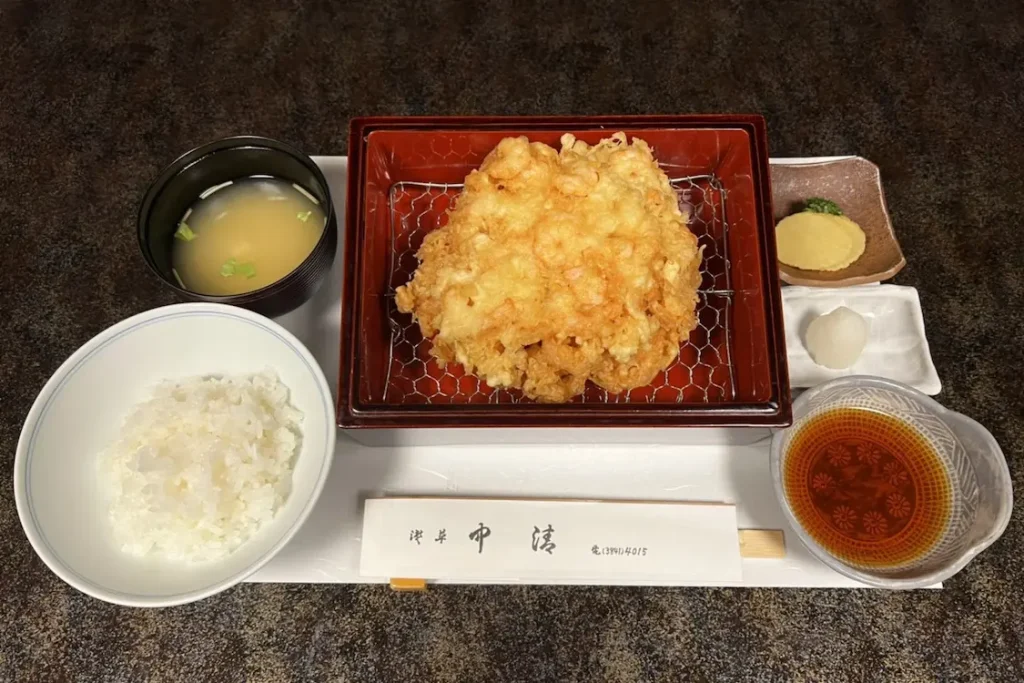
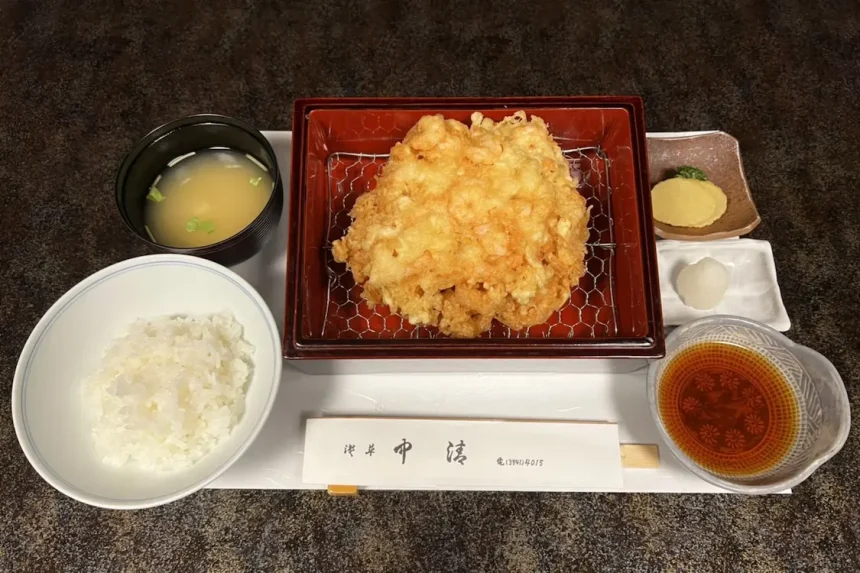
Raijin-age Set Meal
3,300 yen
A set meal featuring the restaurant’s specialty giant kakiage “Raijin-age,” made generously with fresh shiba shrimp and aoyagi clam adductors.The Raijin-age is fried crisp in sesame oil, offering a thick yet light and crunchy texture.The meal comes with rice, miso soup, and pickles.
Spot Overview
| address (e.g. of house) | |
|---|---|
| phone | |
| Business Hours | |
| regular closing day | |
| Payment Method | |
| External Links |