Ginza Wakamatsu

Sweet shop & Fruits Ginza (shopping district in Tokyo)

Established in 1894

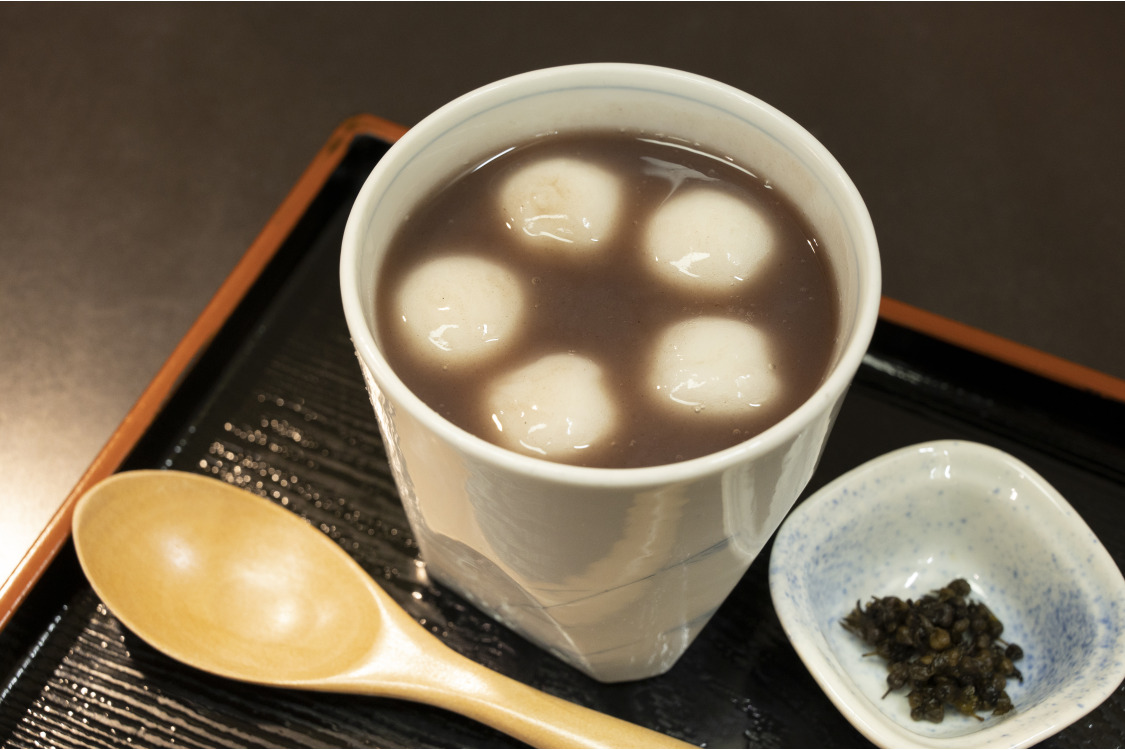
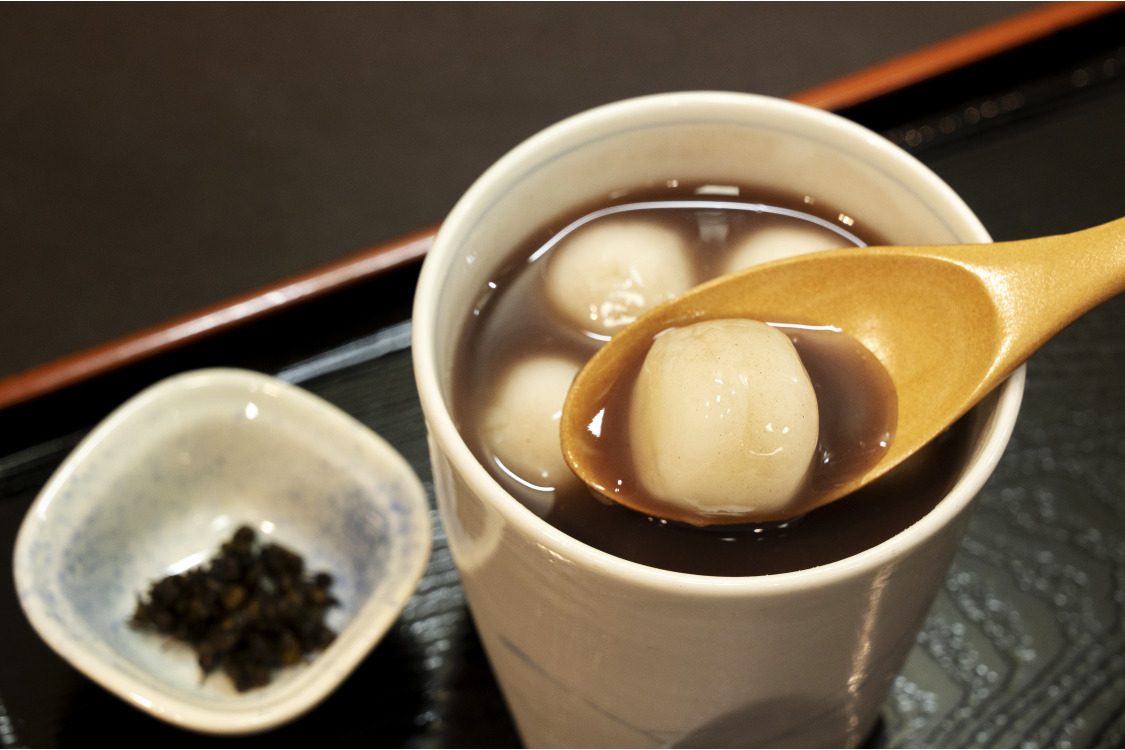
syrup-covered sweet red-bean soup

Many Kabuki actors are fans. The sweet shop where Anmitsu originated.

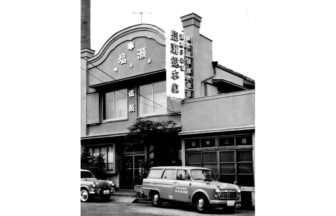
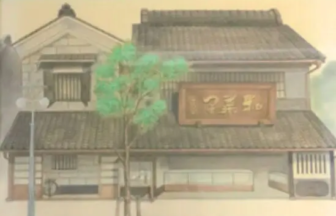
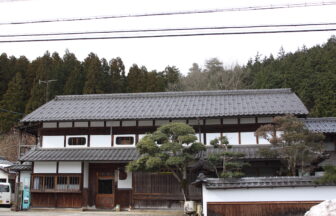
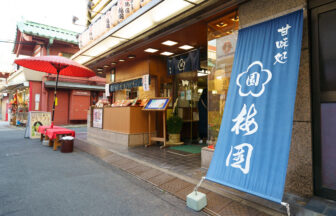
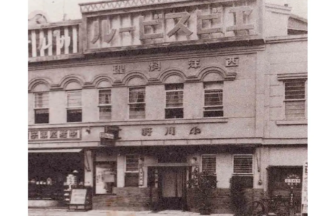
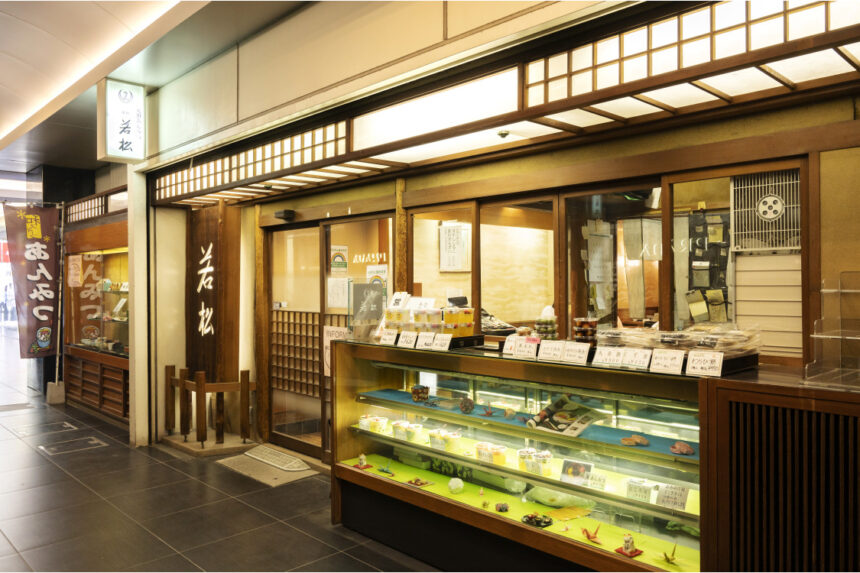
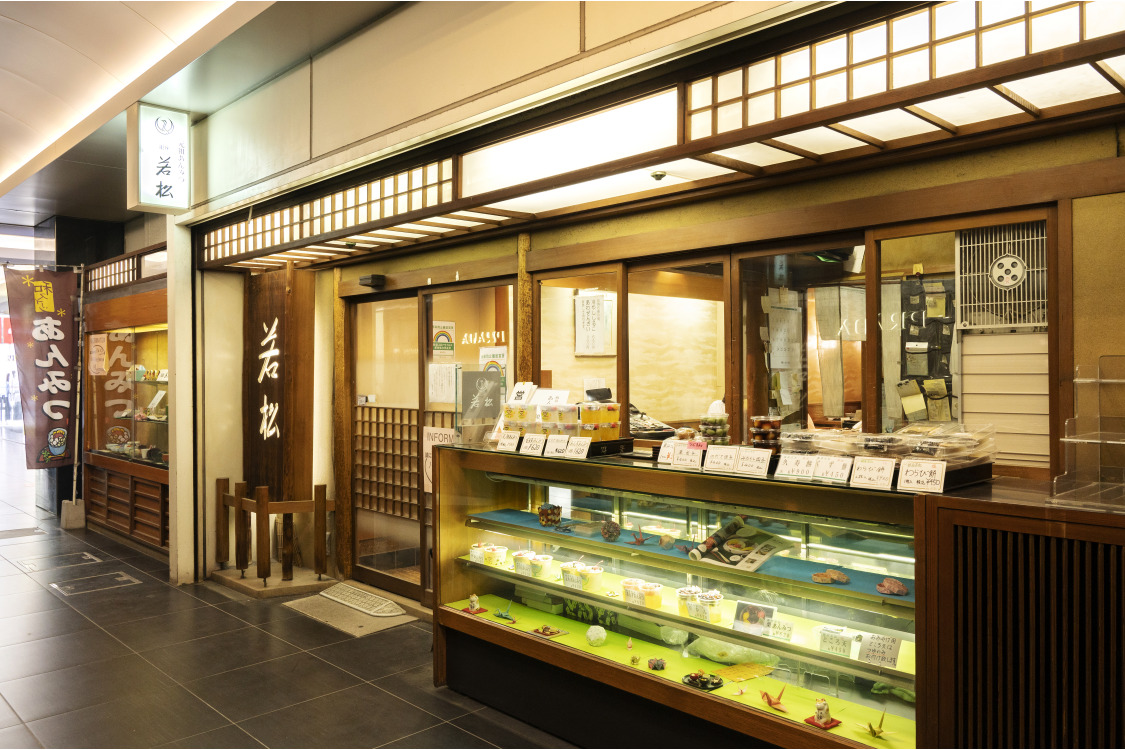
The birthplace of “Anmitsu,” a typical Japanese confectionery. Located on the first floor of the Ginza Core Building, directly connected to Ginza Station, the store has been serving sweet treats for 130 years in the same location since its establishment in 1894 (Meiji 27).

The simple yet atmospheric restaurant with a Japanese atmosphere offers a relaxing escape from the hustle and bustle of the city. The entrance is a little hard to find, but by the time lunchtime rolls around, the place is packed with customers.

The original anmitsu, which is what everyone is looking for, was born from a request from a regular customer who wanted to eat something sweeter and enjoy red bean paste. So the second generation put an anmitsu on top of mitsumame, which was a standard cool taste, and poured sweet honey over it, and it became very popular. Reputation followed reputation, and it spread as a sweet taste throughout Japan.

The original anmitsu, which is carefully made using the same production methods and selected ingredients as in the past, is known for its moderate sweetness that even those who normally have a sweet tooth can enjoy it. Other items on the menu include oshiruko (sweet red-bean soup), mitarashi dumplings, kuzumochi (bean-jam cake with kudzu), icy anmitsu, and seasonal anmitsu, all of which look lovely and offer a taste of traditional flavor.

Since the Kabuki-za Theater is located nearby, it is popular among Kabuki actors and is often used as a souvenir.

History

The first generation, who ran a confectionery store in Ueno, opened the shop in its current location in 1894. It started out as a soup stock shop, but in 1930, the second generation, Hanjiro Mori, invented “anmitsu” (sweet bean paste). Since then, the store has become known nationwide as the “birthplace of anmitsu.

Featured products/Pickups

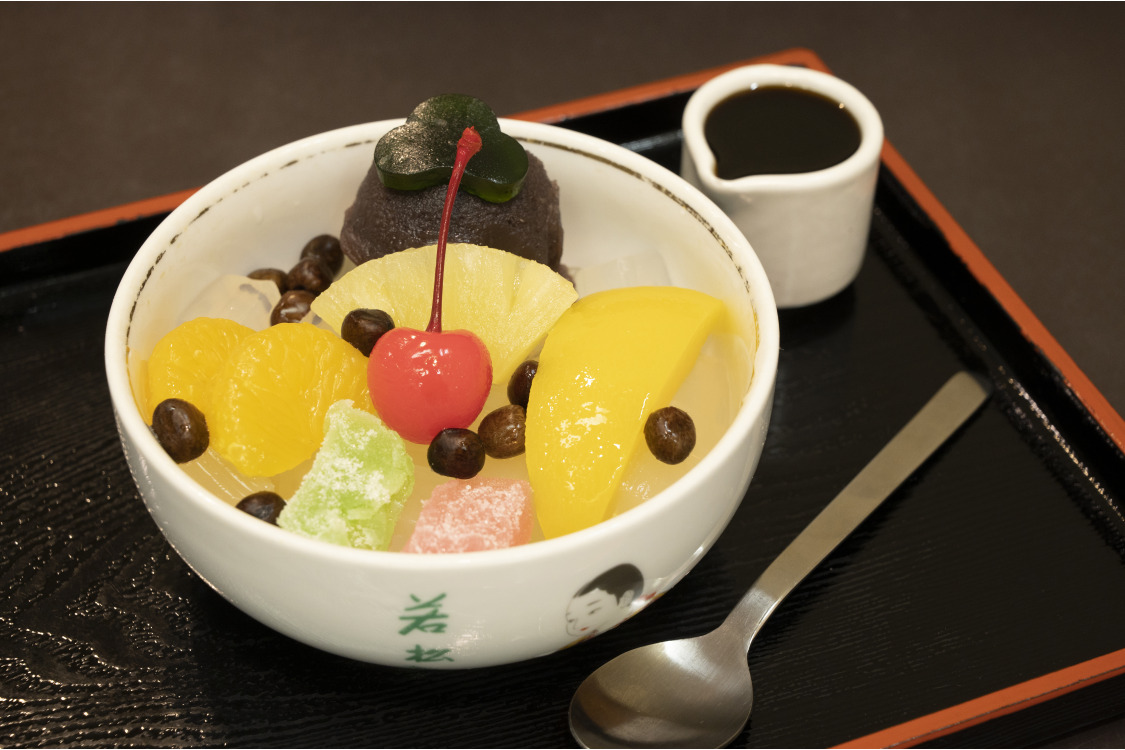
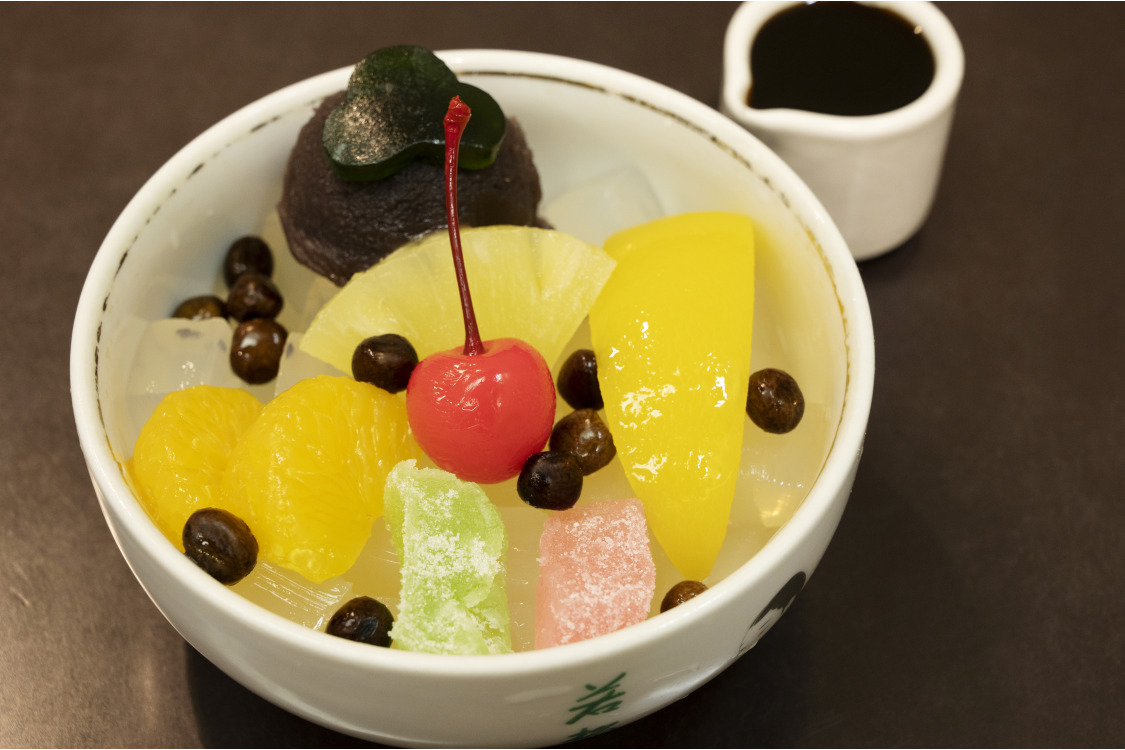
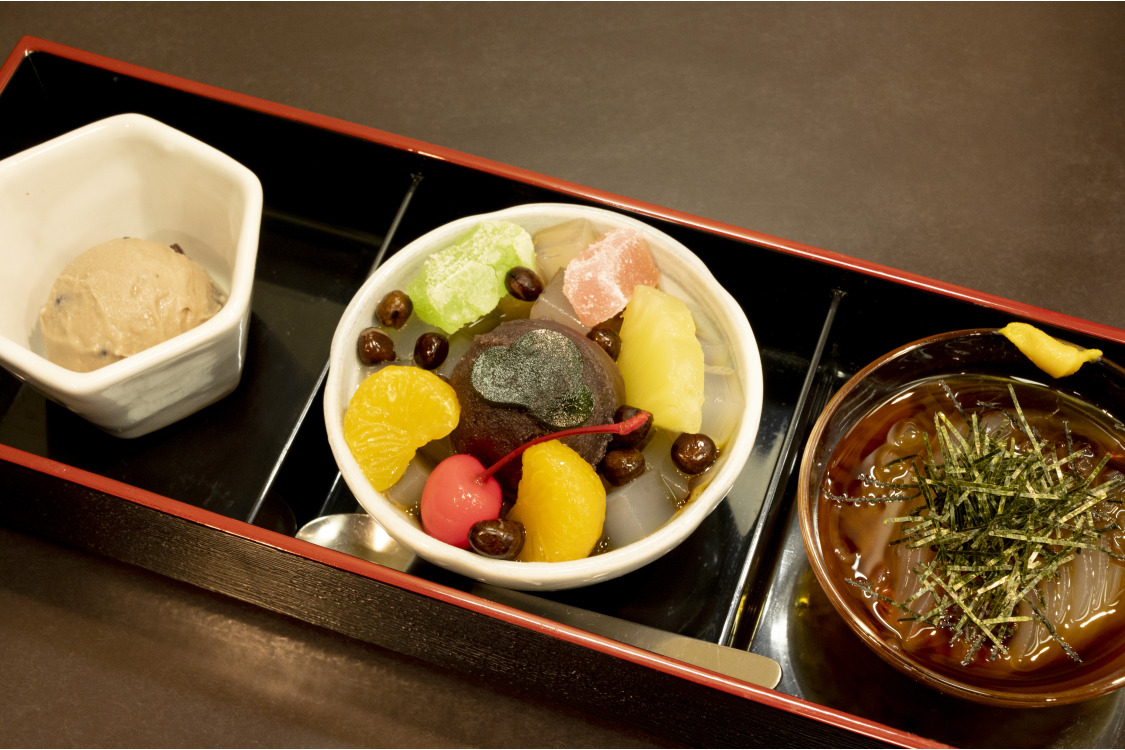
Anmitsu, the original sweet bean jam

950 yen

Made with carefully selected ingredients such as azuki and red peas from Hokkaido and agar made from tengusa from Miyakejima Island, Izu. The green and pink gyuhi is retro cute to the eye. The pine-shaped yokan, named after the store’s name, is also noteworthy.

chilled Shiru powder

1,000 yen

Cold oshiruko (sweet red bean paste) made with Ginza Wakamatsu’s specialty koshian (sweet red bean paste). The sweetness is well balanced with a refreshing taste, making it perfect for the hot season.

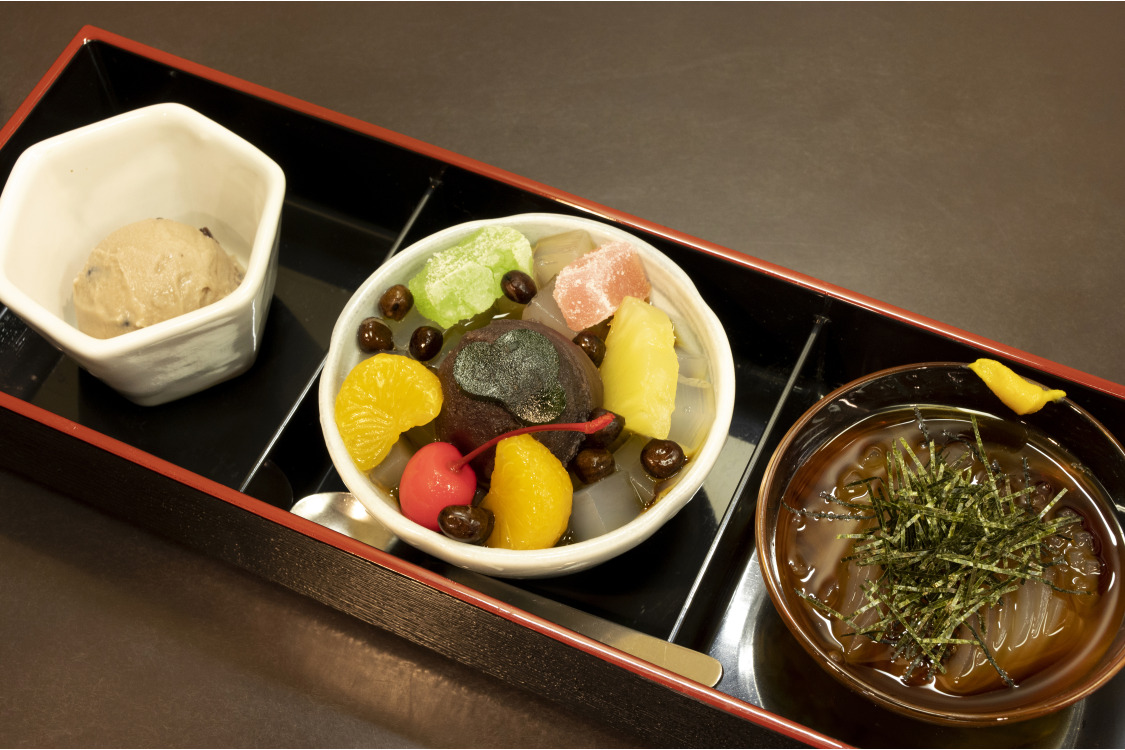
Anmitsu 3-piece set

1,350 yen

In addition to mini anmitsu, you can choose two of your favorite items from Tokoroten, Kuzumochi, Ogura Shiratama, Chestnut Ogura, Ogura Ice Cream, and Warabimochi. For those who want to enjoy a variety of flavors.

Spot OutlineOutline

address (e.g. of house) Core Building 1F, 5-8-20 Ginza, Chuo-ku, Tokyo
Access 1 min. from Tokyo Metro Ginza Sta.

phone 03-3571-0349
Business Hours 11:00~18:00
regular closing day Monday, Tuesday
Payment Method cash
External Links

Official Site

Number of Seats 36 seats
reservation Seat reservations not accepted / Take-out reservations accepted

03-3571-0349 Official Site

The information is current at the time of publication. The information is subject to change.

新着・おすすめ情報

  1. 【第11回】江戸時代に生まれた「かけそば」の起源

  2. Funawa Main Store

  3. 【第17回】「田舎蕎麦」と「更科蕎麦」の違いとは

  4. 【日本橋弁松総本店】「並六(松茸御飯)」販売開始

  5. 松井酒造

  6. A gem loved by literary giants! What is the charm of “Haniage Dango,” the ultimate in simplicity?

  7. Kamiya Bar

  8. 【第12回】「手打ち」というだけで蕎麦は美味しいわけではない

  9. Izumiya Tokyo Store, Kojimachi Main Branch

  10. Azabujuban Mamegen] Cute cherry blossom-shaped rice crackers are now on sale for a limited time only!

  11. Chiyogami paper for New Year’s decoration of “Dragon”.

  12. To preserve traditional culture, we also consider the treatment of craftsmen. What does the long-established “Edoya” think of “succession”?

  13. 【第5回】東京から静岡へ 蕎麦店の系譜と受け継がれる蕎麦作りの伝統

  14. The difference between a yukata used as pajamas and a yukata worn to a fireworks display, which only a Japanese person can understand.

  15. Haibara Nihonbashi Main Store