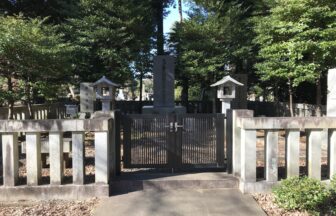
Ruins of Suzugamori Penitentiary (Omori, Tokyo)

historic siteOmori, Kamata

Ruins of Suzugamori Penitentiary (Omori, Tokyo)(Ruins of Suzugamori Prison)

place of executionTokyo Metropolitan Government Designated Cultural Propertieskabuki

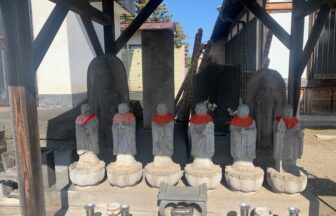
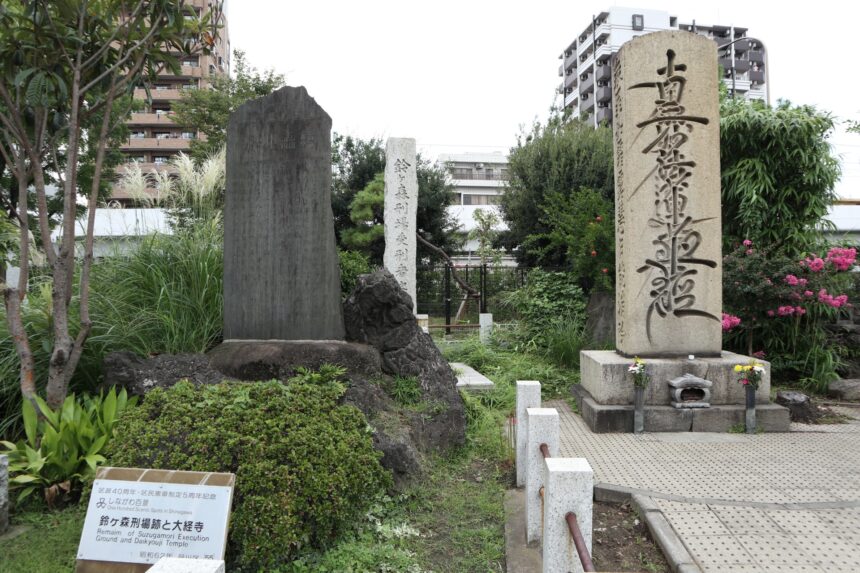
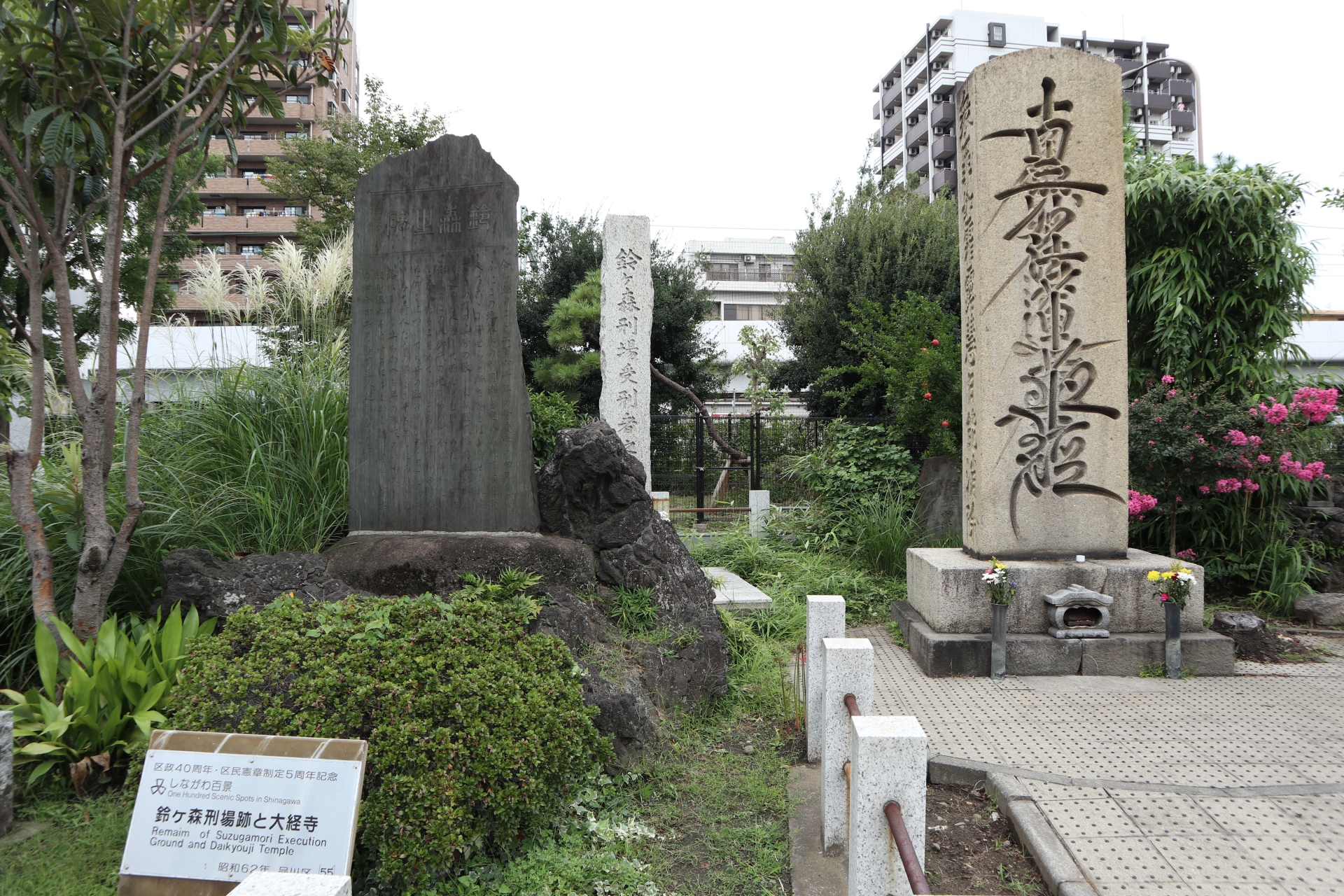
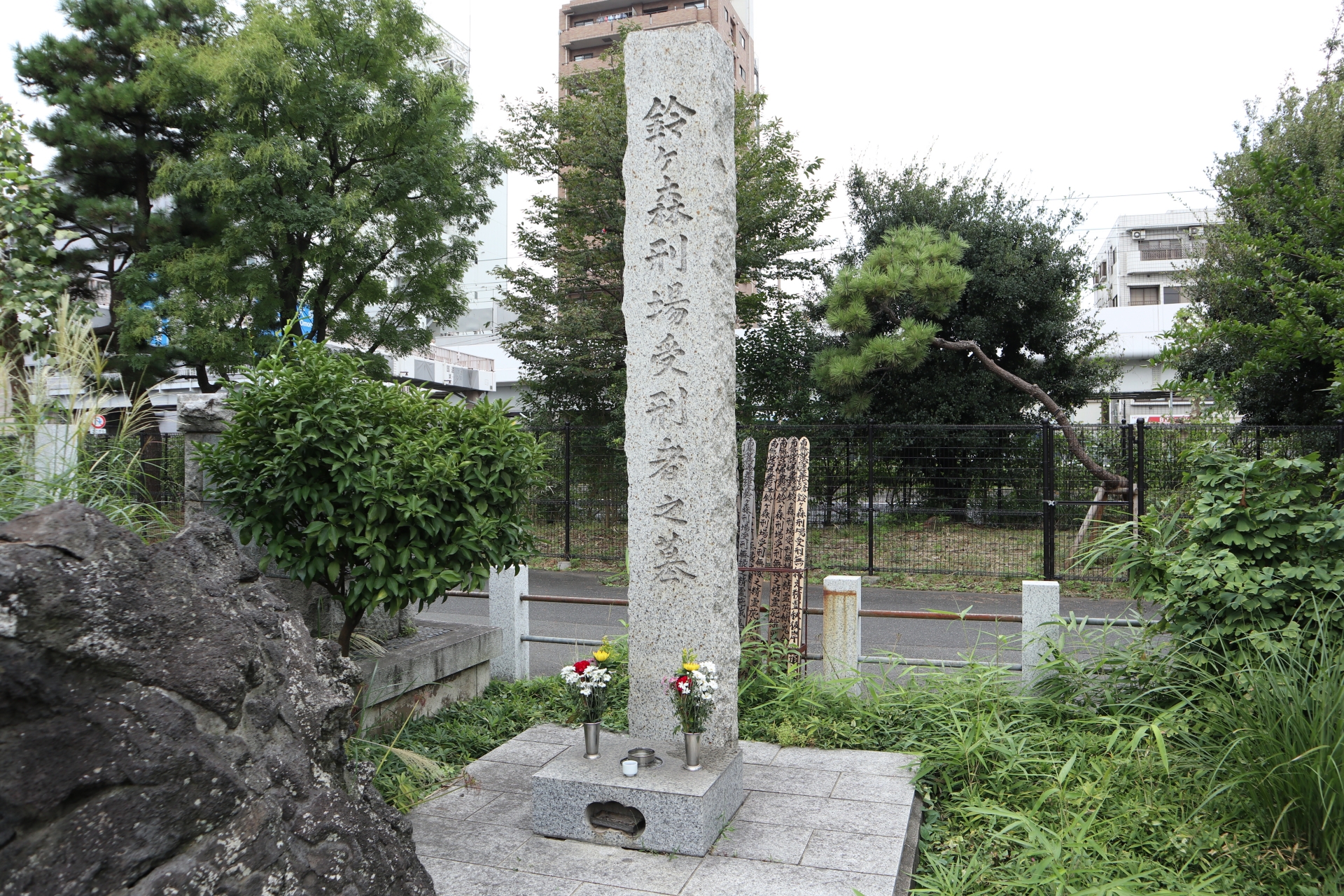
Suzugamori Penitentiary was established in 1651 and abolished in 1871. The Suzugamori Penitentiary was located along the southern entrance to Edo, while the Kozukahara Penitentiary was located at the northern entrance. There are various theories as to the number of people executed. Today, the crucifixion stand used for executions and the head-washing well as well as the huge “Daimoku Kuyo-to” (memorial tower), which is over 3 meters high, remain on the grounds of Daikyo-ji Temple. Familiar characters from Kabuki and period dramas such as Oshichi Yaoya, Hirai (Shirai) Gonpachi, and Tenichibo all met their deaths here. In 2022, the Daikyoji Temple underwent a major renovation, and with the opening of its website and the redevelopment of the temple grounds, the temple has evolved into a place of spiritual renewal.

Spot OutlineOutline

address (e.g. of house) 2-5-6 Minami-Oi, Shinagawa-ku, Tokyo (inside Daikyoji Temple)
Access 13-minute walk from JR Omori Station, 8-minute walk from Keihin Kyuko Omorikaigan Station

phone 03-3260-5071
regular closing day nashi (Pyrus pyrifolia, esp. var. culta)
External Links

Official Web Site

Founding and opening of business 1651 (4th year of Keian)

新着・おすすめ情報

  1. Philosophical Hall Park (Araiyakushi, Tokyo)

  2. An arrow wheel is a windmill attached to the pole of a carp streamer. What is the meaning of the sound of its spinning?

  3. Ruins of Kirishitan residence (Myogadani, Tokyo)

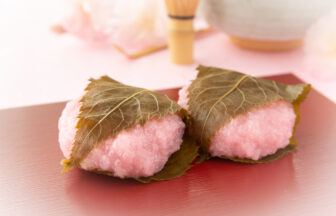
  4. triangles of sweet rice jelly topped with adzuki beans (eaten in the sixth month)

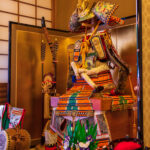
  5. Kabuto decorations for Dragon Boat Festival. Models of military commanders from the Warring States period are popular.

  6. Itsukushima Shrine (Shinjuku, Tokyo)

  7. Samurai dolls” for Dragon Boat Festival. When did they come to be displayed?

  8. Tsukiji Catholic Church (Tsukiji, Tokyo)

  9. graupel

  10. Meishu no Taki Park (Oji, Tokyo)

  11. What is “Yanagawa Hot Pot”?

  12. Tokyo Grand Shrine

  13. Gokokuin Taisenji Temple (Meguro Fudo Temple)

  14. Developing original materials with attention to detail, starting from the fabric. Shukusen, a long-established yukata manufacturer loved by kabuki actors in the Edo period [Part 2

  15. Metropolitan Takiyama Park, Ruins of Takiyama Castle