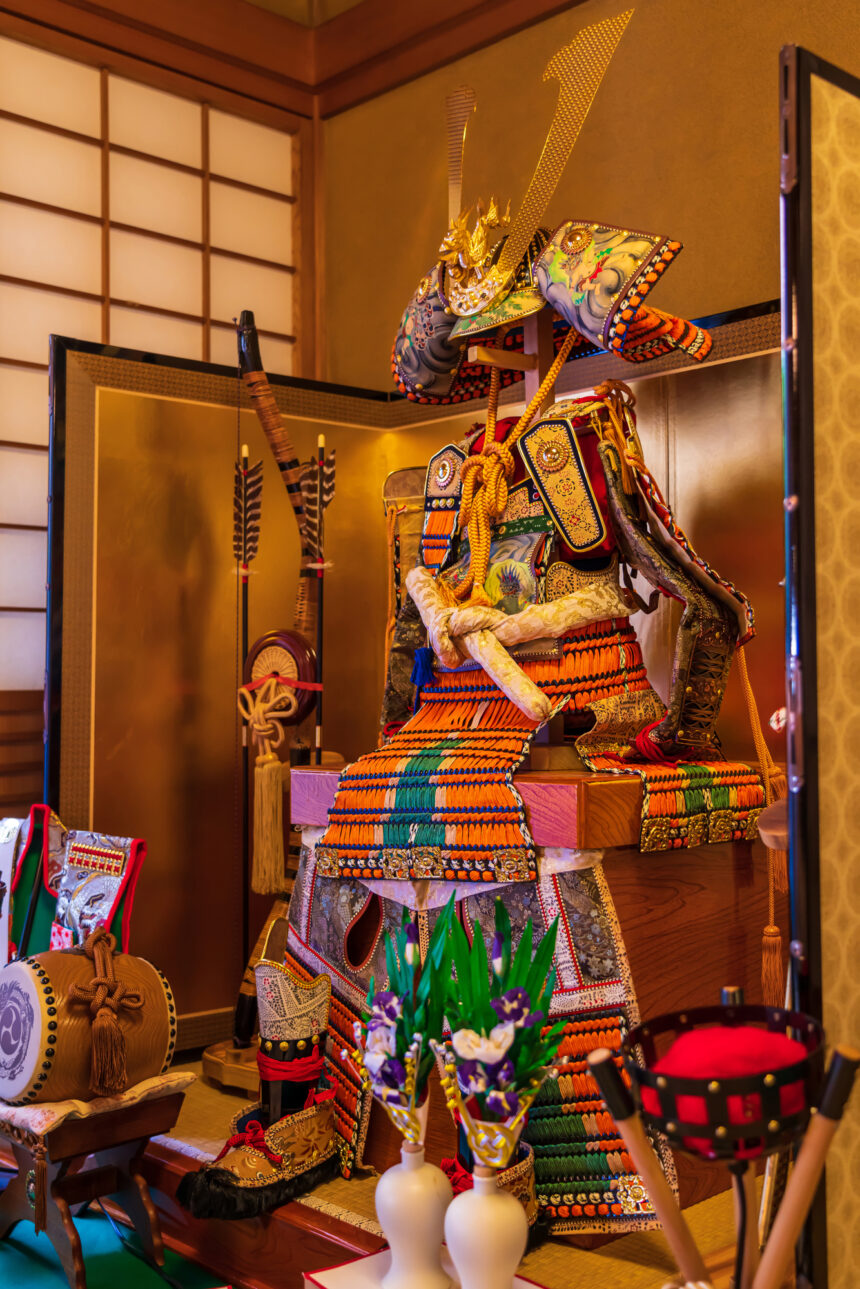
Why display “Armor Decorations” on Dragon Boat Festival. Armor is not for fighting…

puppet

Why display “Armor Decorations” on Dragon Boat Festival. Armor is not for fighting…(yoroikazari)

Children’s Day (national holiday; May 5th)Boy’s Day celebration (May 5th)

One of the indoor decorations for Dragon Boat Festival. These are miniatures of the armor that warriors wore to protect themselves on the battlefield, and are the most powerful of all Tango-no Sekku decorations. There is a theory that the origin of decorating armor and helmets is that warriors dedicated armor and helmets to shrines to pray for their safety before battle, and that around Tango-no Sekku, samurai families displayed armor and helmets inside their houses to dry out insects and for maintenance. Nowadays, armor and helmets are not considered tools for warfare, but rather “something that protects the body,” and are displayed with the hope that they will protect children from traffic accidents, illness, and other calamities, and that they will grow up healthy and happy.
新着・おすすめ情報

  1. Eating Doze soup every day to check the taste. The current owner of Komagata Dozeu, a famous restaurant that has been in business since the Edo period, demonstrates his commitment to preserving the taste of his products.

  2. The lineup of the “five musicians” also has a meaning.

  3. How is doburoku made? Words related to sake

  4. What is the definition of “Honjozo”? Words related to Sake

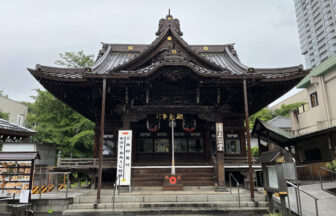
  5. Sensoji Temple

  6. triangles of sweet rice jelly topped with adzuki beans (eaten in the sixth month)

  7. What is the origin of the term “chilled sake”? Words related to sake

  8. Kimono can be re-tailored and reused as a haori or obi. Kimono is the ultimate SDGs costume.

  9. Tokyo Literature Walk] No. 1: Walking around Asakusa, a treasure house of modern literature

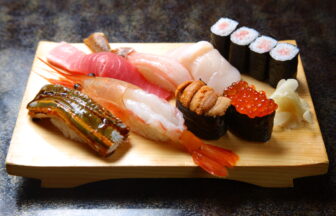
  10. What kind of doll is “Oyama Doll”? What is the origin of the name?

  11. Shiba Grand Shrine (the inner shrine of Ise Shrine)

  12. clothes for a newborn baby

  13. Akatsuka Fudo Falls (Takashimadaira, Tokyo)

  14. Suzuki Ruins Museum

  15. What is Gunkanmaki? Origin of the name, store of origin