Hanamaki soba

Soba/Udon

Hanamaki soba (buckwheat noodles)(hanamakisoba)

laver

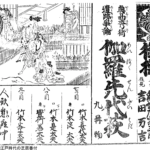
Kakesoba with a sprinkling of Momi Nori (dried laver) on top. The name “Hanamaki Soba” was derived from the image of cherry petals sprinkled on top of the buckwheat noodles. Some say that the name “Hanamaki” was derived from the fact that the seaweed was compared to a flower on the rocky shore and sprinkled on top of it. It is said to have been invented in the Edo period (1603-1868), and is described in “Morisada Manuscript,” a book on customs and culture in the late Edo period (1603-1868), as “Hanamaki: Asakusa Nori wo Aburi to Mabu Kafu” (Aburi and rubbed with seaweed).

It is often served in a bowl with a lid, and when the lid is opened, the aroma of the sea can be enjoyed along with the steam. To enjoy the aroma of the seaweed and the soba flavor, wasabi (Japanese horseradish) is usually used as a condiment instead of green onion.

新着・おすすめ情報

  1. Nihonbashi Saruya is the only toothpick specialty store in Japan. Once you use it, you will never go back to ordinary toothpicks.

  2. ridges on a blade (sword, knife, etc.)

  3. When did the Hina Matsuri (Peach Festival) begin?

  4. double-woven obi

  5. 徳丸北野神社(東京・板橋)

  6. Minamiya Temple (Komagome, Tokyo)

  7. Enjyoji Temple (Hakusan, Tokyo)

  8. Interview with Kotaro Ishikawa of Ishikawa Tortoiseshell Works, which is committed to passing on the traditional techniques of Edo tortoiseshell to the future .

  9. New Year’s gift (usu. money given to a child by relatives and visitors)

  10. Ubukeya, a long-established cutlery shop with 240 years of history

  11. yeast starter

  12. Inari-zushi

  13. Daiba Park (Odaiba, Tokyo)

  14. sandbar that projects into the ocean, particularly in a wavy form

  15. A Walk in Edo with Old Maps] No. 6: Kagurazaka is full of historical attractions. From alleys where you can feel the Edo period to wooden buildings of the Showa period