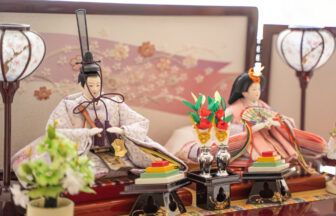
What does a “Hands and Feet Master” do? The series of craftsmen who make dolls

puppet

What does a “Hands and Feet Master” do? The series of craftsmen who make dolls(teashishi)

artisan

A craftsman who specializes in making the hands and feet of dolls. First, a framework of hands and feet is made from paulownia wood and wire. Then, the dolls are made of paulownia wood and wire, and the flesh is added with toso (a type of clay made by mixing paulownia wood powder and glue). Then, gofun (a kind of clay made from a mixture of paulownia wood powder and glue) is applied over and over again. The work is then covered with many coats of gofun (white paint made from powdered shells of clams, oysters, etc.). Finally, nails and fingers are made with a small knife, and finally the nails are polished to a glossy finish. In total, more than 30 processes are required to complete the work. The slightest gesture of the hand or the expression of the fingertips can give the doll a graceful and cute appearance, making it an important part of the doll.

新着・おすすめ情報

  1. Atago Shrine

  2. Preserving Kimono Culture through Tabi Shoes. What is the goal of the long-established Tabi Shoes shop “Ohnoya Fuso-Honten”?

  3. 吉原神社(東京・三ノ輪)

  4. Tokyo Literature Walk] No.3: Waseda Area. Soseki Natsume and Waseda University, a journey tracing the scent of modern literature and culture

  5. Odai-ningyo” is a doll made of paulownia wood with a Gosho doll on top.

  6. Tokyo Literature Walk] No.5: Literary figures of the Showa period settled in Shimokitazawa one after another. Why Shimokitazawa became a town of culture

  7. just after fall

  8. Yamamoto Nori Store, a long-established business with 170 years of history. The birthplace of “seasoned laver” talks about its commitment to flavor.

  9. Yagiri no Ferry (Shibamata ferry terminal)

  10. Minori Kai] 7 souvenirs from long-established shops in Tokyo that you want to give with a story.

  11. ratio indicating the quantity of polished rice gained from a given quantity of brown rice (nowadays usually expressed as a percent)

  12. yukata (light cotton kimono worn in the summer or used as a bathrobe)

  13. What is the meaning of “hi-ire” in sake making? Words related to Sake

  14. Four long-established restaurants specializing in nabe cuisine! 4 long-established restaurants specializing in hot pot dishes Let’s enjoy the taste of that famous restaurant by order!

  15. What kind of dish is “surinagashi”?