

historic sitefield affiliated with a shrine (the tax-exempt proceeds of its harvest going to pay for shrine operations)
mound containing a monument to Shomon (i.e. a place of scenic beauty)(Masakado-zuka)
location thought to be flowing with mystical energy
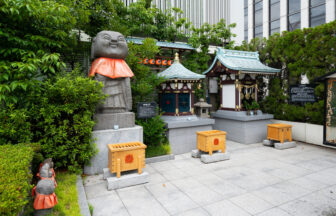
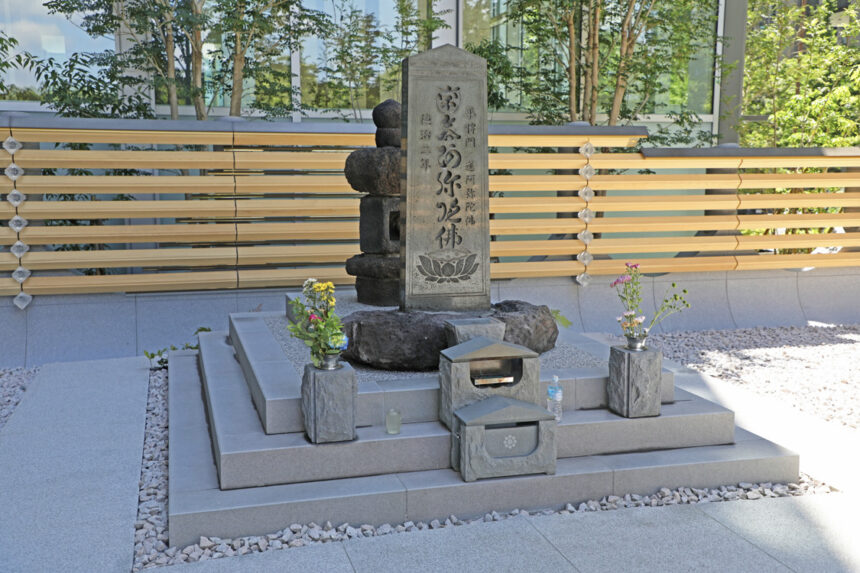
The head of Taira no Masakado, a military commander who ruled the Kanto region in the mid-Heian period, is said to have been buried here. After rebelling against the Imperial Court, Masakado was killed in 940, and his head was taken to Kyoto and exposed. However, it is said that the head flew toward the Kanto region and landed here, where the villagers buried it and built a mound. When a plague spread during the Kamakura period (1185-1333), it was blamed on the spirit of Shogun, but it is said that the plague stopped when Taashinkyo, a priest of the Jishu sect, built a stone stupa (tablet) and made a memorial service. The mound was demolished after the Great Kanto Earthquake, but the tablet was left standing. 2021, the mound was extensively renovated and has become a popular power spot.
Spot OutlineOutline
| address (e.g. of house) | 1-2-1 Otemachi, Chiyoda-ku, Tokyo |
|---|---|
| Access | Short walk from exit C5 of Otemachi Subway Station |
| External Links | |
| Founding and opening of business | Mid-Heian period |