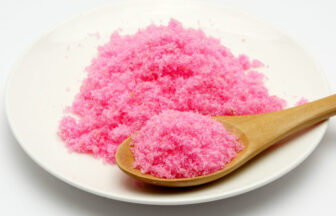
sake brewed without addition of saccharides and no more than 120 litres of seed alcohol per tonne

Sake & Tea

sake brewed without addition of saccharides and no more than 120 litres of seed alcohol per tonne(kijousyu)

Japanese rice wine

High-grade sake in which sake is used in place of brewing water during brewing. Sake is added in place of water in the final stage of the three-stage brewing process. This process was developed in 1973 at the National Research Institute of Brewing and Fermentation, National Tax Administration Agency (now the National Institute of Brewing and Fermentation, an independent corporation). At that time, sake was less expensive than wine, and French wine and champagne were served at banquets for state guests. Kijoshu was developed to create an expensive sake suitable for special occasions. Compared to regular sake, it has a higher sugar content and a thicker, sweeter flavor. It is often served with desserts.

新着・おすすめ情報

  1. Shinjuku Gyoen

  2. Preserving Kimono Culture through Tabi Shoes. What is the goal of the long-established Tabi Shoes shop “Ohnoya Fuso-Honten”?

  3. What is included in “chopstick washing” in kaiseki cuisine? In what order are they served?

  4. Fuzoku ningyo” are dolls that reflect the customs of various regions in Japan. There are Edo genre dolls, Kyoto dolls, etc.

  5. Smoked Saikyo pickles have evolved into a snack for alcoholic beverages. The insatiable spirit of challenge at the long-established “Tsuta-no-ie

  6. What is the alcohol content of sake “Harazake”? Words related to sake

  7. 徳丸北野神社(東京・板橋)

  8. Shimotani Shrine

  9. Kasai Shrine (Kanamachi, Tokyo)

  10. Shirokiya Denbei, a long-established shop of all-natural, 99% handmade Edo-style brooms. Why has the tradition been preserved for nearly 200 years?

  11. light broth made of jellied sweet bean paste

  12. Honmyoji Temple (Sugamo, Tokyo)

  13. 吉原神社(東京・三ノ輪)

  14. sandbar that projects into the ocean, particularly in a wavy form

  15. Okunitama Shrine (Fuchu, Tokyo)