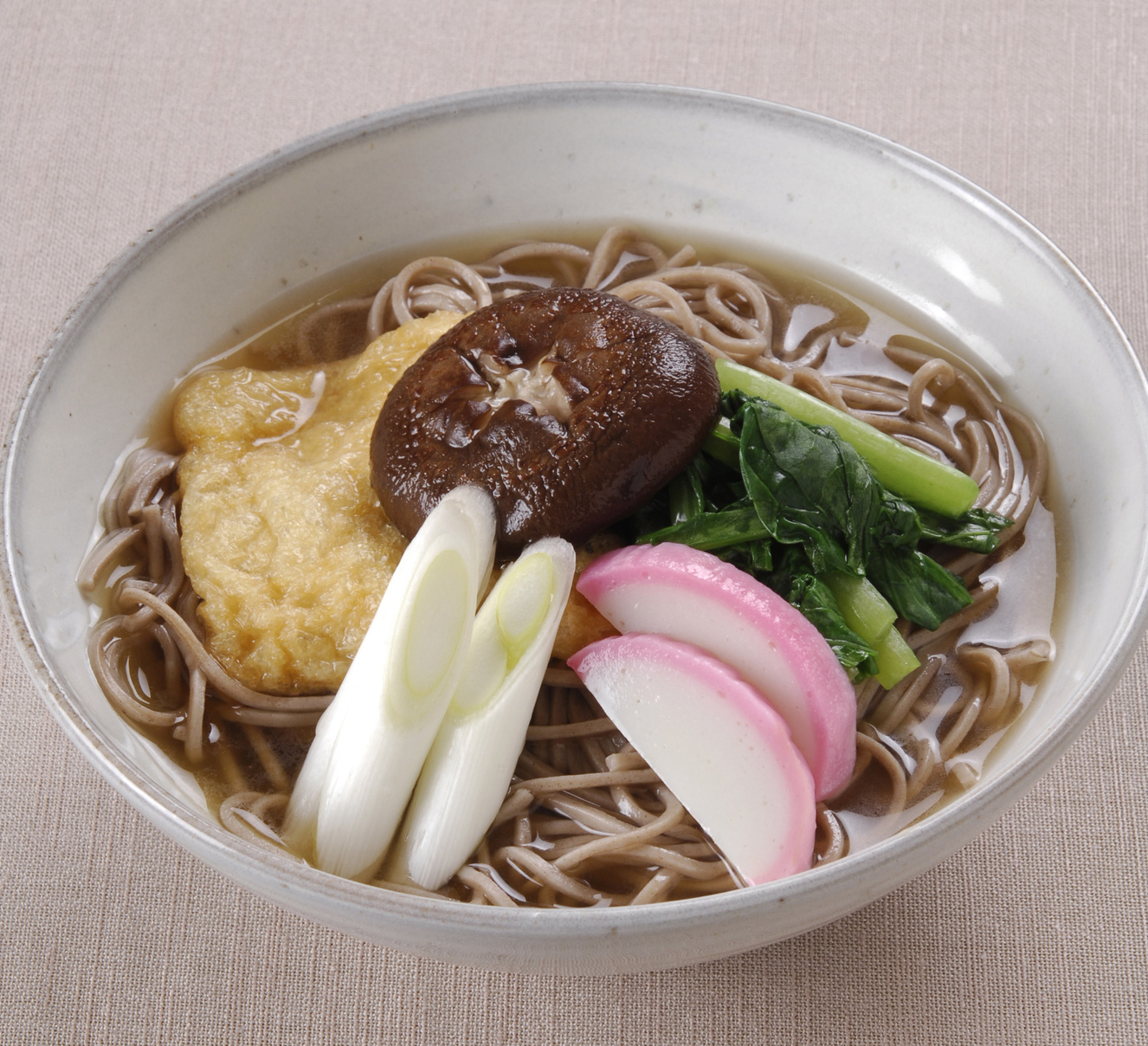
Where did okame soba originate? Ingredients used are also explained.

Soba/Udon

Where did okame soba originate? Ingredients used are also explained.(Okamesoba)

buckwheat noodles in hot brothold name of Tokyo

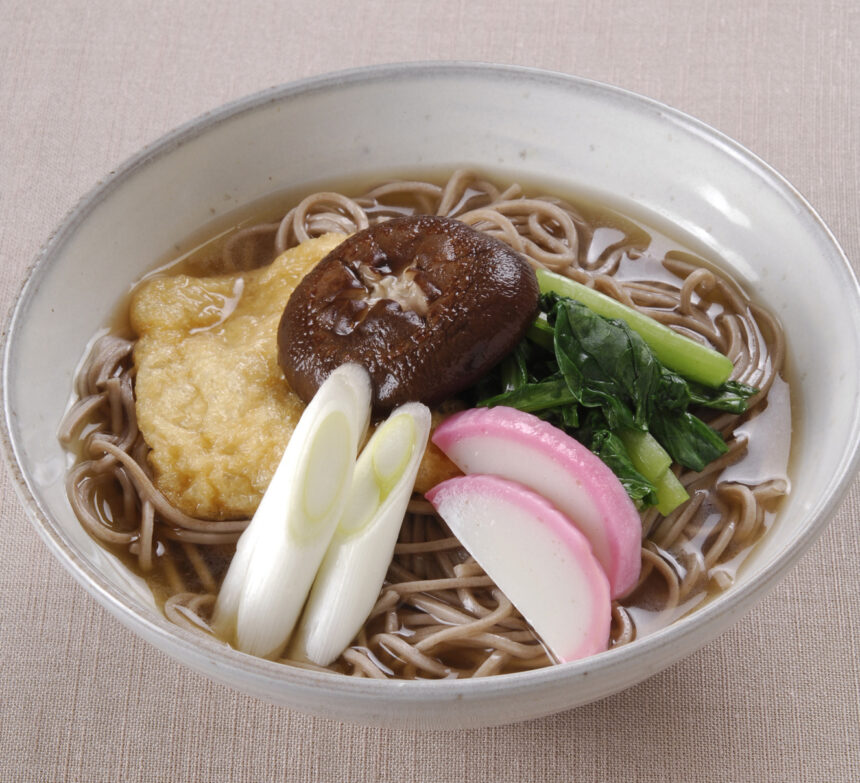
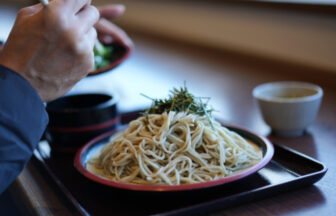
Kakesoba is a type of buckwheat noodle with an assortment of ingredients such as fish paste, shiitake mushrooms, and greens. It is said to have originated in the late Edo period (1603-1867) at a soba shop called “Ota-an” in Negishi, Taito-ku, Tokyo, and was so named because the ingredients were arranged to resemble the face of an otafuku (a type of fish). Yuba leaves tied in a butterfly shape are placed above the bowl to resemble hair or eyes, a salted matsutake mushroom is placed in the center like a nose, and two pieces of fish paste are placed on either side of the matsutake mushroom to resemble a face with a bulge at the bottom. Two pieces of fish paste are placed on either side of the matsutake mushrooms to form a swollen face. Mitsuba leaves and egg rolls are sometimes used to make the mouth and collar. Until before World War II, some restaurants placed nori (seaweed) under the yuba to emphasize the black hair. This dish shows Edo’s chic style of making a face that invites good fortune.

新着・おすすめ情報

  1. What is included in “chopstick washing” in kaiseki cuisine? In what order are they served?

  2. Edo Bekko-ya” continues to deal with rare materials. Craftsmanship and another thing we cherish

  3. very young fish (esp. a konoshiro gizzard shad)

  4. Fukutoku Shrine Meibuki Inari (Nihonbashi, Tokyo)

  5. Matsui Sake Brewery once closed. A closer look at the creative sake brewing process at the revived brewery.

  6. 【第22回】お寺とお蕎麦の切っても切れぬ関係

  7. 【第9回】蕎麦屋で人気の「天せいろ」の歴史

  8. 【第1回】蕎麦の実の殻を完全に取り除いて作る「江戸蕎麦」

  9. The difference between a yukata used as pajamas and a yukata worn to a fireworks display, which only a Japanese person can understand.

  10. Daenji Temple (Meguro, Tokyo)

  11. 【第11回】江戸時代に生まれた「かけそば」の起源

  12. What is the difference between “Ginjo-shu” and “Junmai Ginjo-shu”? Words related to sake

  13. Tama Cemetery (Fuchu, Tokyo)

  14. end of the year

  15. 【第23回】蕎麦屋店主が考える真の蕎麦「通」の定義