

Cemeteries and cemeteriesHachioji, Machida, Fuchu
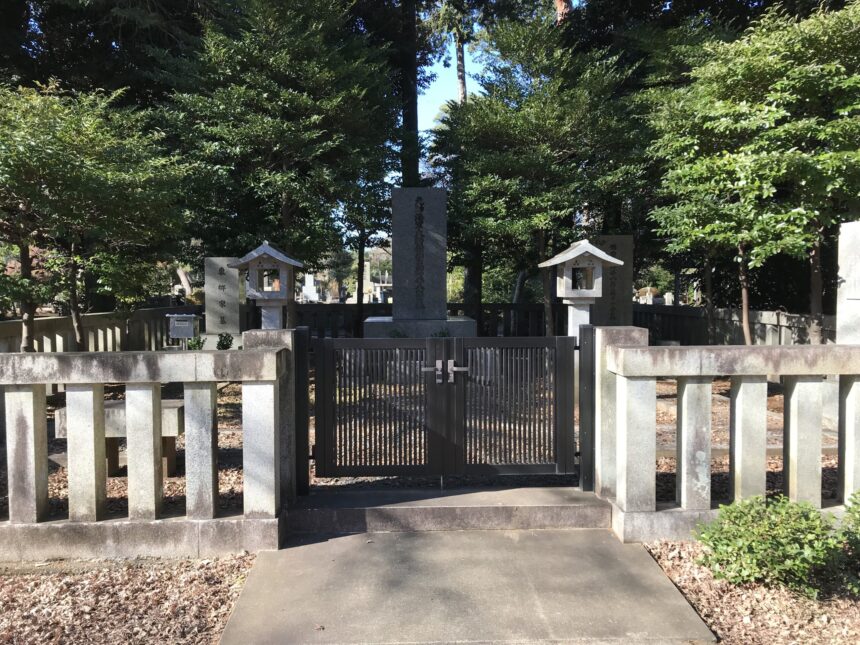
Tama Cemetery (Fuchu, Tokyo)(Tama Cemetery)
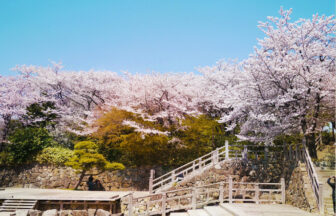
Yosano AkikotombHeihachiro Togocherry tree
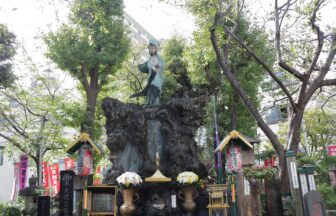
Surrounded by greenery, this vast cemetery retains the atmosphere of Musashino, and with a total area of 128 hectares, it is the largest of all the metropolitan cemeteries. It was the first park cemetery in Japan that was modeled after forest cemeteries overseas, and is also known as Japan’s first urban planned cemetery for communal burial. There are various types of cemeteries in the park, including lawn cemeteries, walled cemeteries, large ossuaries, and a combined cemetery.
Spot OutlineOutline
| address (e.g. of house) | 4-628 Tama-cho, Fuchu-shi, Tokyo |
|---|---|
| Access | 10-minute walk from Tama Station on the Seibu Tamagawa Line, 2-minute walk from Tama Reien Omote-mon bus stop from Musashi Koganei Station on the JR Chuo Line (bound for [Keio] Tama Reien Station), 2-minute walk from Tama Reien Omote-mon bus stop from Tama Reien Station on the Keio Line (bound for JR Musashi Koganei Station South Exit or Tama-cho) |
| phone | 042-365-2079 |
| Business Hours | 8:00 – 18:30 (March 1 – September 30) / 8:30 – 17:30 (October 1 – end of February) *Opening hours of the Main Gate and Koganei Gate |
| External Links | |
| Founding and opening of business | 1923 (Taisho 12) |