

temple (Buddhist)Meguro, Setagaya
Daenji Temple (Meguro, Tokyo)(Daienji-Temple)
Seven Gods of Fortunegod of wealthwalkimportant cultural property
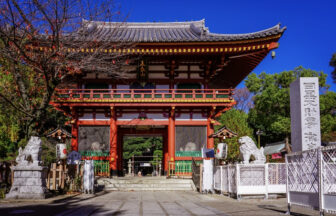
Shorinzan Daenji Temple (also known as Daikokuji Temple) is a Tendai sect temple located on Gyoninzaka, which was once a busy pilgrimage route to Meguro Fudoson, and was founded in 1624 by Daikaihoin, an ascetic monk from Yudenzan, who enshrined Dainichi Buddha and opened a Buddhist center. The temple was rebuilt at the end of the Edo period as a family temple of the Shimazu clan of the Satsuma domain. 520 stone statues of Buddha erected as memorials to the victims of the great fire are a sight to behold. Many valuable cultural assets can be seen here, including a standing statue of Shakyamuni Buddha in the style of Seiryouji Temple in Kyoto, which is designated as a National Important Cultural Property, and Daikokuten (one of the seven gods of good fortune in Yamate), modeled after Tokugawa Ieyasu.
Spot OutlineOutline
| address (e.g. of house) | 1-8-5 Shimo-Meguro, Meguro-ku, Tokyo |
|---|---|
| Access | 3 minutes walk from JR Meguro Station |
| phone | 03-3491-2793 |
| regular closing day | nashi (Pyrus pyrifolia, esp. var. culta) |
| External Links | |
| Founding and opening of business | 1624 (Kan’ei era) |