

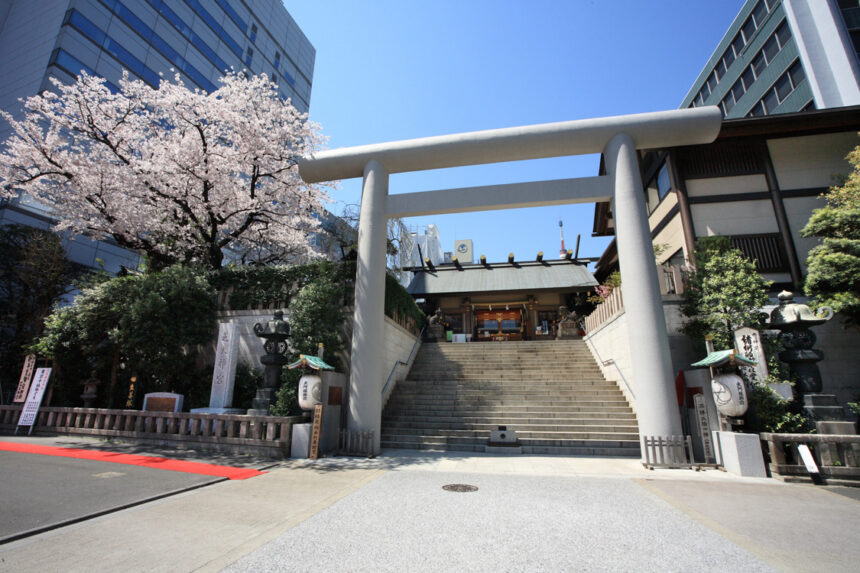
Shiba Grand Shrine (the inner shrine of Ise Shrine)(Shiba-daijingū)
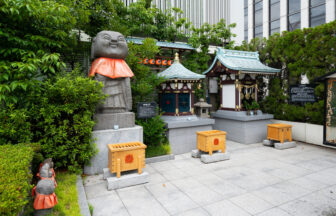
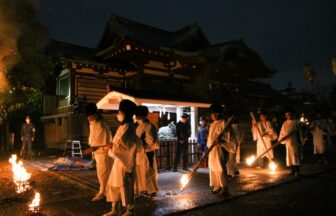
It is said to have been built in 1005 and enshrines two main deities, Amaterasu Omikami and Toyoke no Okami. Originally located on Mt. Iikura (present-day Shiba Koen Maruyama), the shrine was called Shinmei-gu Shrine or Iikura Shinmei-gu Shrine. During the Edo period (1603-1867), the shrine enjoyed the patronage of the Tokugawa Shogunate and was worshipped by the general public throughout the Kanto region as “Oh-Ubusunagami,” or the “Great Land God of Oedo. In recent years, the shrine has become popular as a shrine where authentic Shinto wedding ceremonies can be held, with the solemn wedding ceremony held amidst bonfires being particularly popular.
Spot OutlineOutline
| address (e.g. of house) | 1-12-7 Shiba-Daimon, Minato-ku, Tokyo |
|---|---|
| Access | 5 minutes from JR Hamamatsucho Station, 1 minute from Subway Daimon Station, 5 minutes from Subway Onarimon Station |
| phone | 03-3431-4802 |
| Business Hours | 9:00-17:00 (awarding office) |
| regular closing day | nashi (Pyrus pyrifolia, esp. var. culta) |
| External Links | |
| Founding and opening of business | 1005 (2nd year of the Kanpo era) |