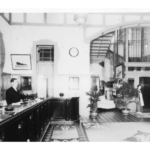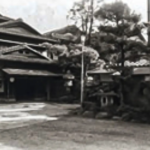


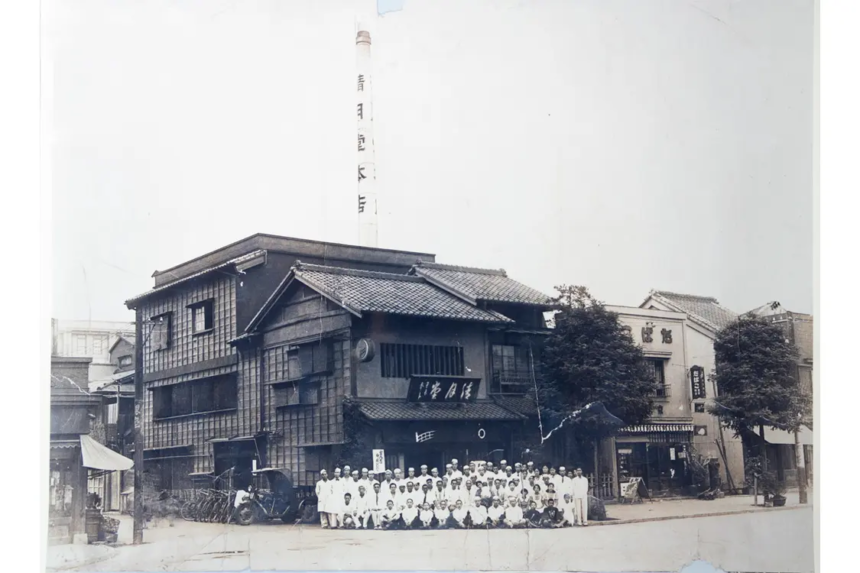
Founded in 1907 (Meiji 40)
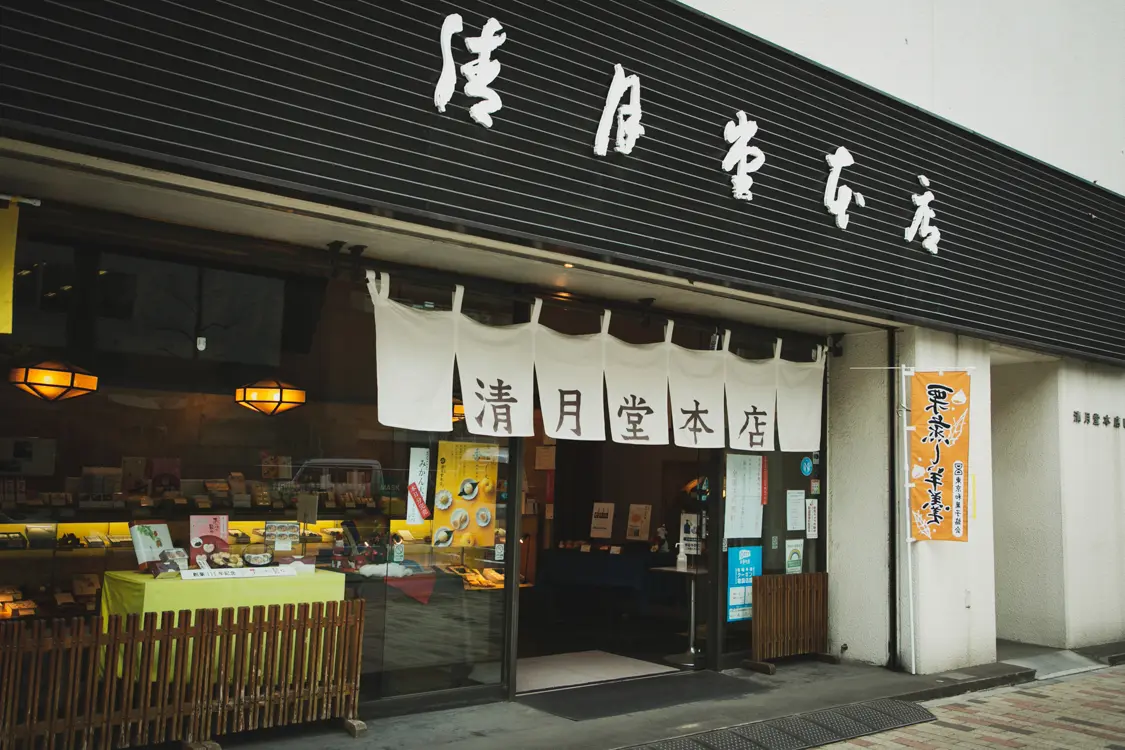
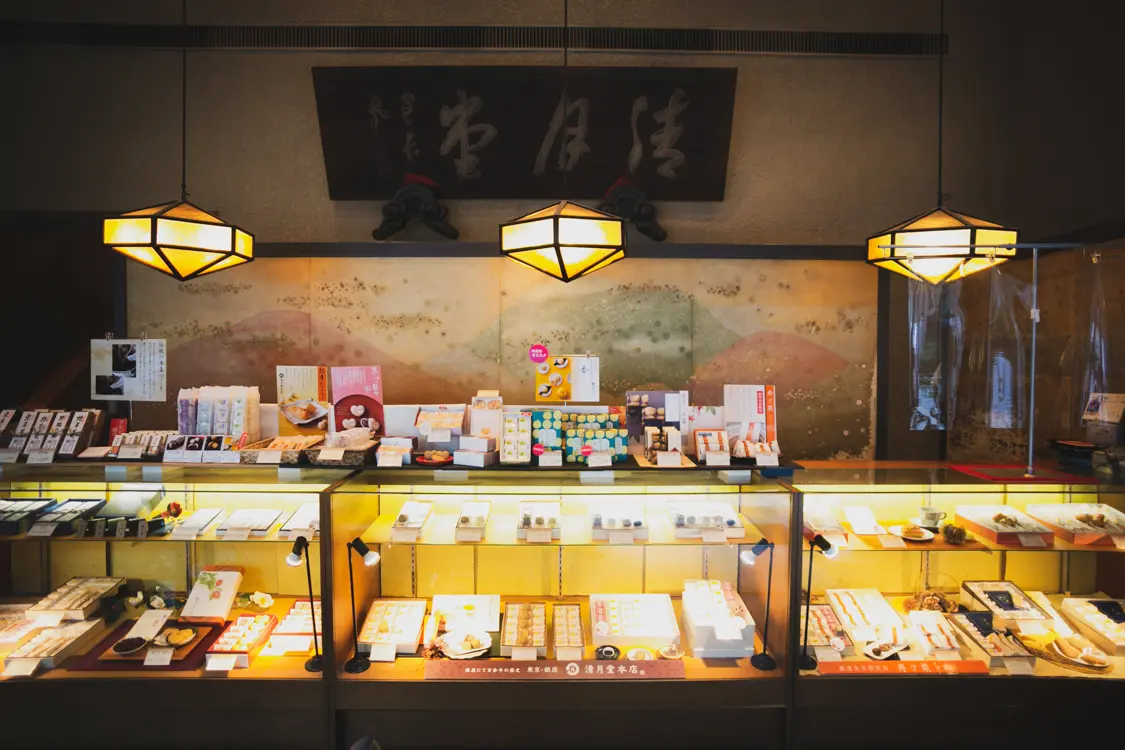
A Japanese confectionery shop that inherits the spirit of “one generation, one signature confection” and continues to evolve through each generation.
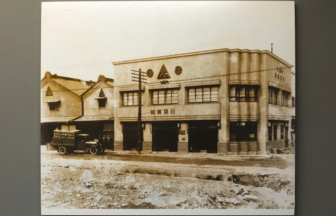
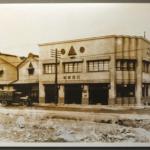
On the Central Market Street connecting Ginza 7-chome and Tsukiji 5-chome stands Seigetsudo Main Store, a long-established Japanese confectionery with more than 110 years of history.
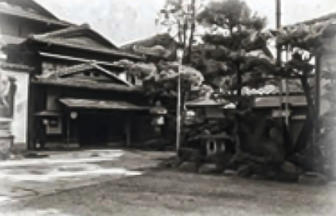
The store was founded here—once called Kyobashi Kobikicho—by Kahei Mizuhara. After moving from Kagoshima wishing to “start something,” he received advice from relatives to learn a craft and began training at a Japanese confectionery shop in Nihonbashi Koamicho. This was the beginning of Seigetsudo. Today, the 4th-generation owner, Yasuharu Mizuhara, runs the shop. The name “Seigetsudo” is said to come from the beautiful moon seen from a nearby bridge at the time of founding.
What Seigetsudo has inherited is the spirit of “one generation, one signature confection,” meaning each successor creates their own specialty rather than simply preserving one confection across generations. The first-generation Kahei created fresh sweets such as mizuyokan and kudzakura; the second-generation Seiichi created “Edo-Gonomi,” an assortment of dry and semi-dry sweets; the third-generation Shoichiro created the egg-bean-paste confection “Otoshifumi”; and the current fourth-generation Yasuharu created “Aisatsu Monaka.”
The sweets displayed in the shop are gradually adjusted in flavor and texture to suit changing tastes. Yasuharu says they have inherited the founder’s words: “Beautiful sweets are important, but sweets are meant to be eaten. We must value sweets made for eating even more.” Rather than simply preserving what was created, they constantly pursue confections that suit the times and incorporate new elements. This is another charm of Seigetsudo.
History
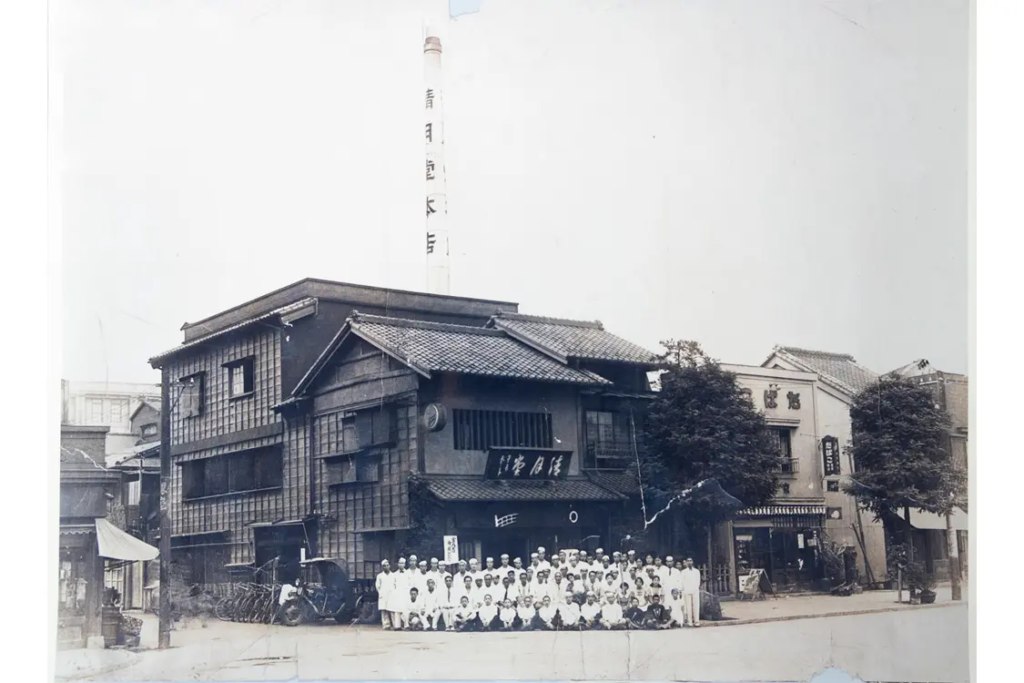
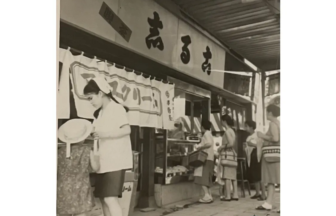
Founded in 1907. In 1926, they opened a storefront in front of Shinagawa Station, and in 1934 they served the former Imperial Household Ministry. After the war, starting with opening in Shibuya Toyoko Norengai in 1951 and Daimaru Tokyo in 1955, they expanded to shops in department stores. In 1958, they opened a café in Sukiyabashi Shopping Center. Today, the cafés operate in three locations: Takashimaya Yokohama, Keio Shinjuku, and Matsuzakaya Ueno.
I want to continue making sweets with care that convey feelings.
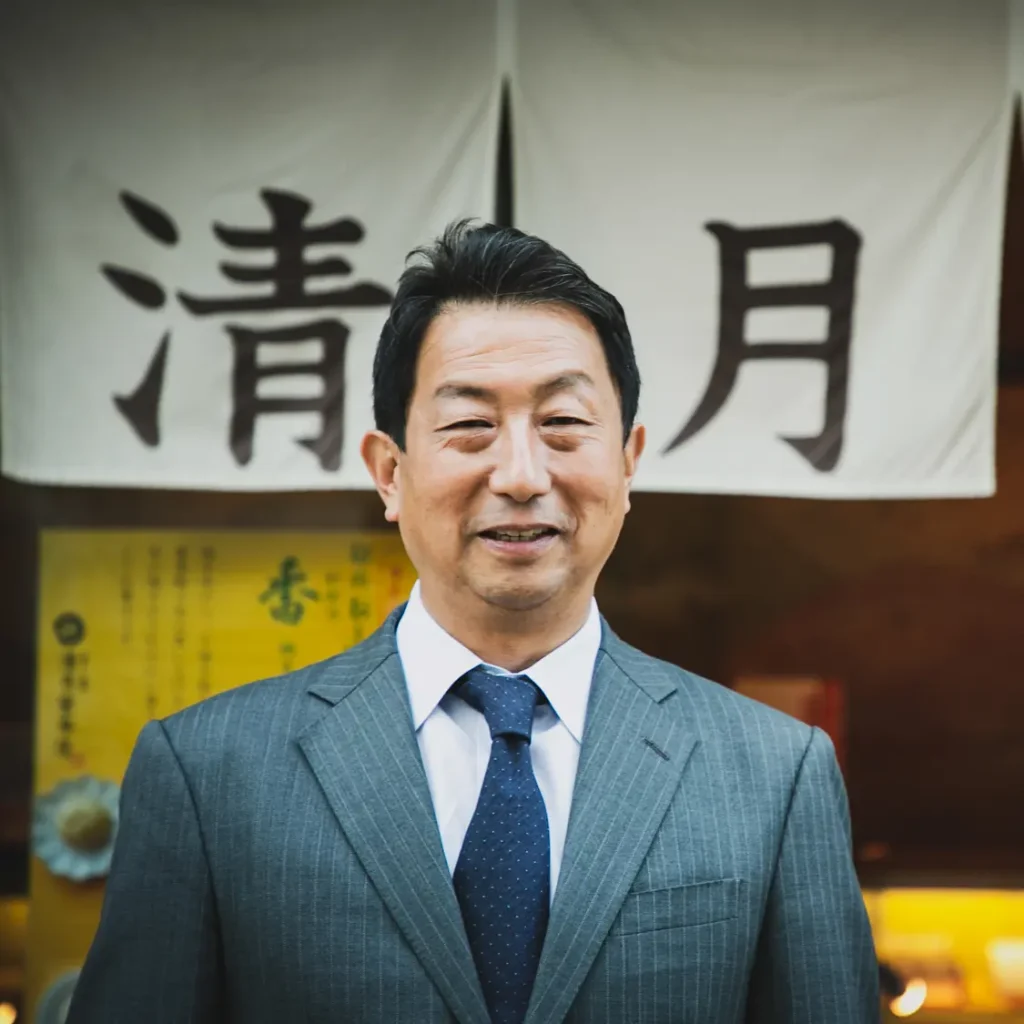
Yasuharu Mizuhara
Fourth-generation head of Seigetsudo
When our 110th anniversary arrived in 2017, we interviewed people involved with Seigetsudo to reflect on our history and our values, and based on that we created “Aisatsu Monaka.” We hope to continue making sweets that connect people and express the feelings of the giver.
This Notable Item
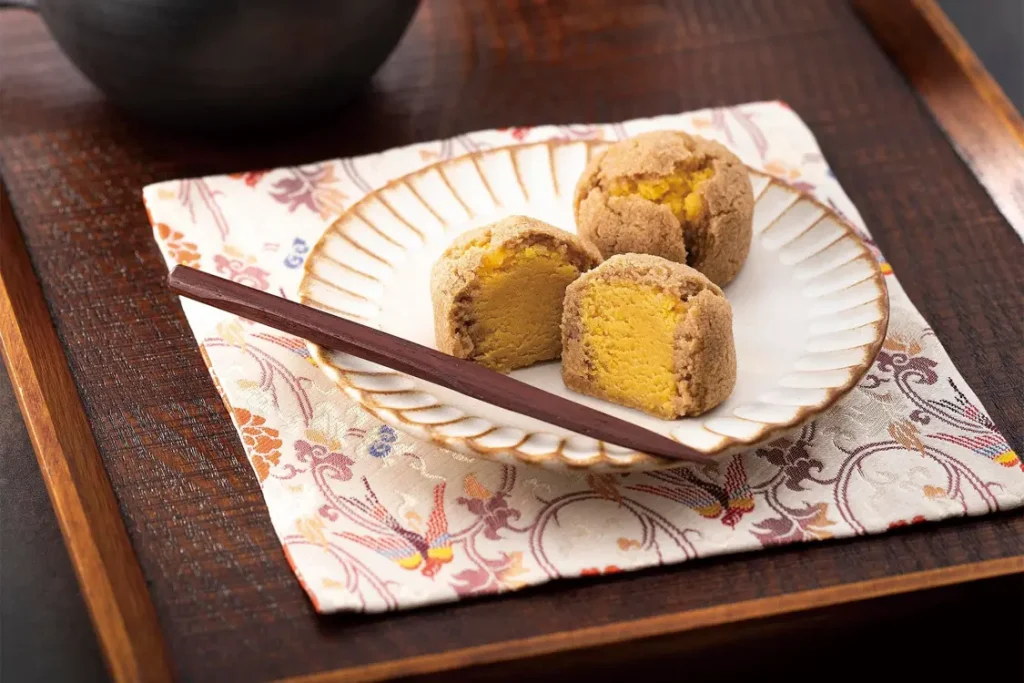
Otoshifumi
5 pieces, 756 yen
The signature item is “Otoshifumi,” expressing a faint maiden’s heart. The charm of this confection lies in the refined sweetness of its egg bean paste, symbolizing a yellow full moon. The texture, where the egg paste spreads through the mouth and melts softly like a maiden’s sentiment, is created through delicate techniques passed down from predecessors.
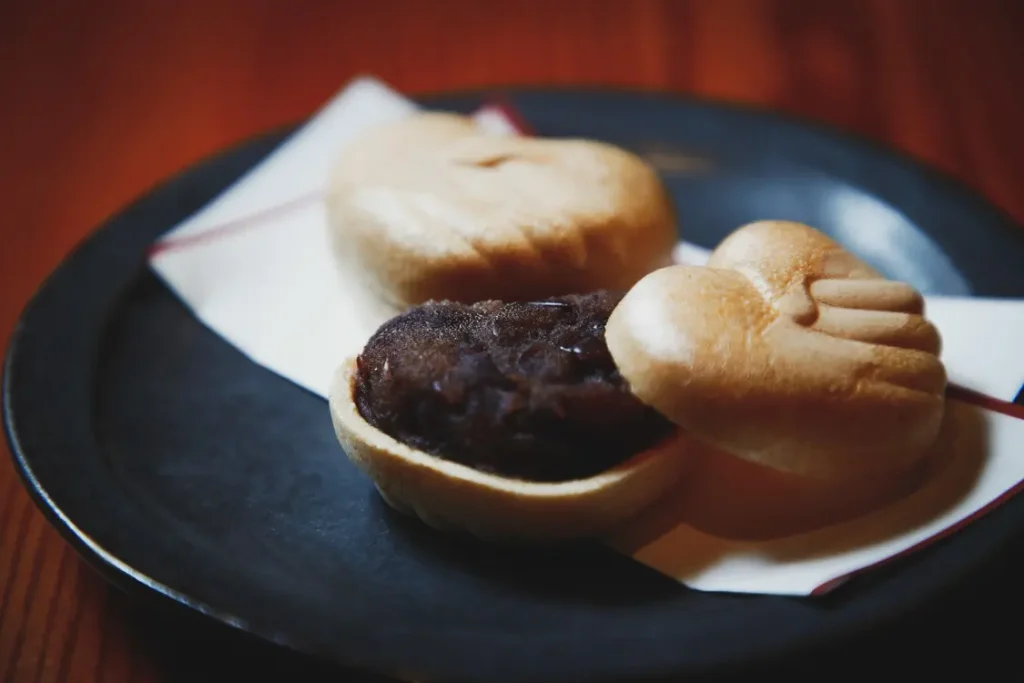
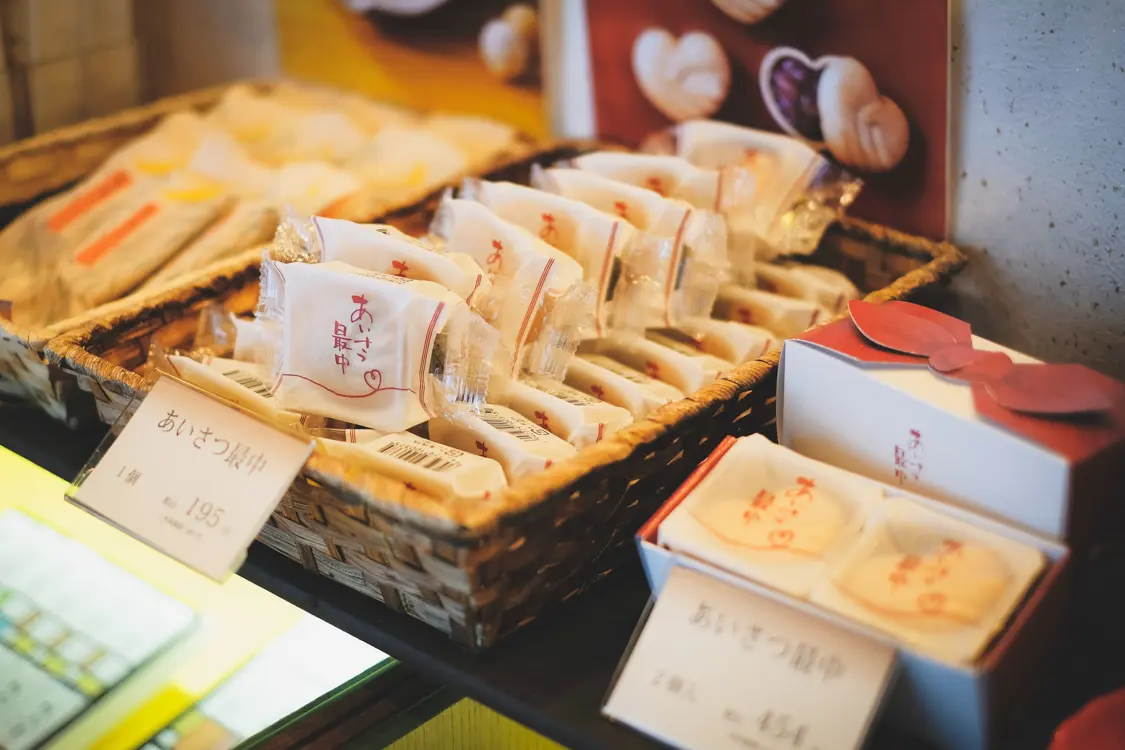
Aisatsu Monaka
2 pieces, 454 yen
“Aisatsu Monaka” has a cute heart-shaped shell with a handshake design. It was developed by the fourth-generation Yasuharu, inspired by his belief in valuing human connections. It uses Hokkaido Toyomi Dainagon red beans, offering a rich flavor and a satisfying texture.
Spot Overview
| address (e.g. of house) | |
|---|---|
| phone | |
| Business Hours | |
| regular closing day | |
| Payment Method | |
| External Links |