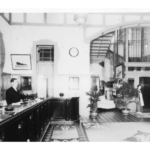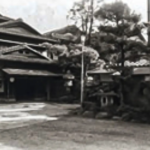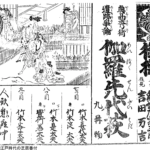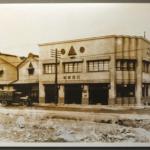


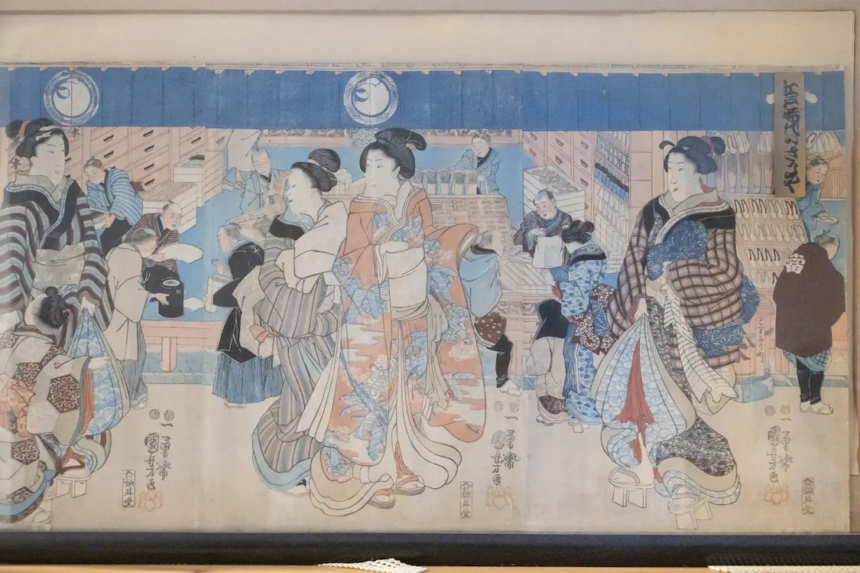
Founded in the Hoei era (1704–1711)
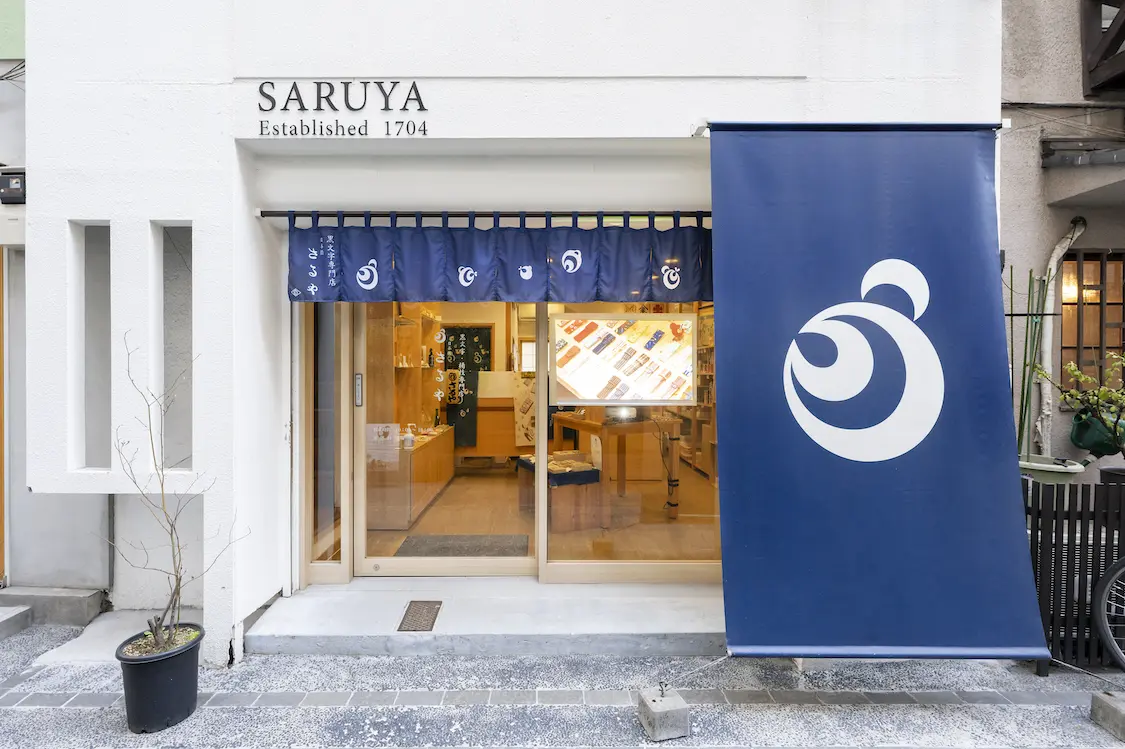
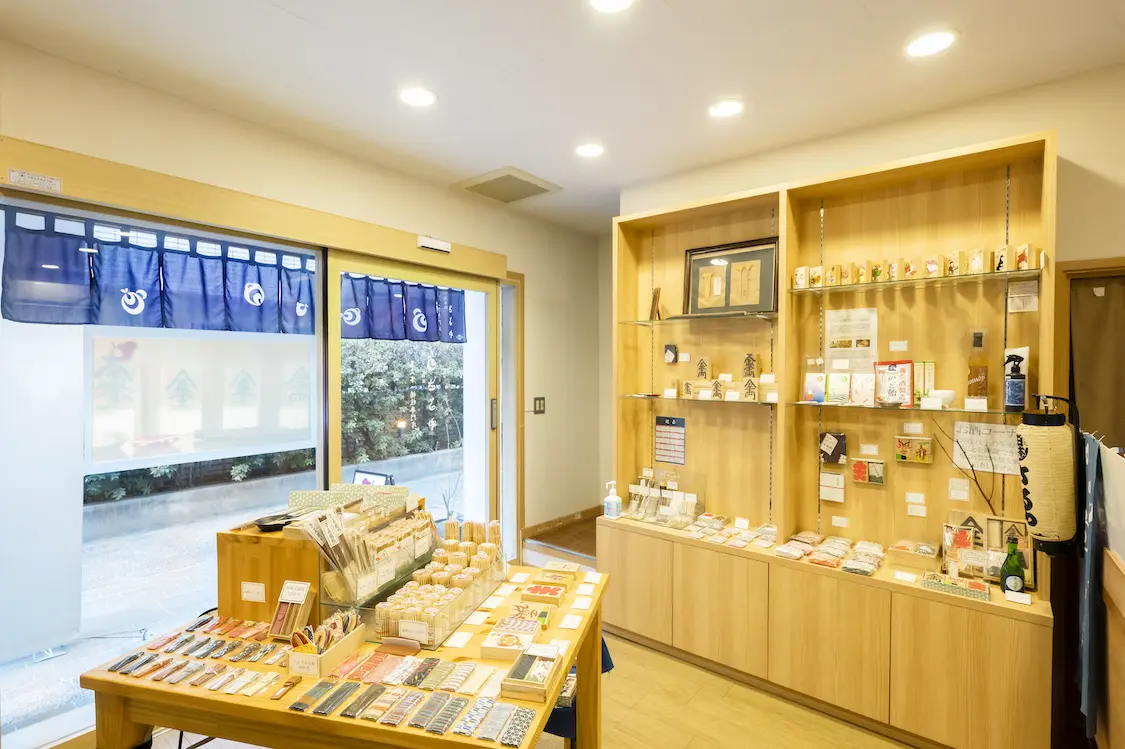
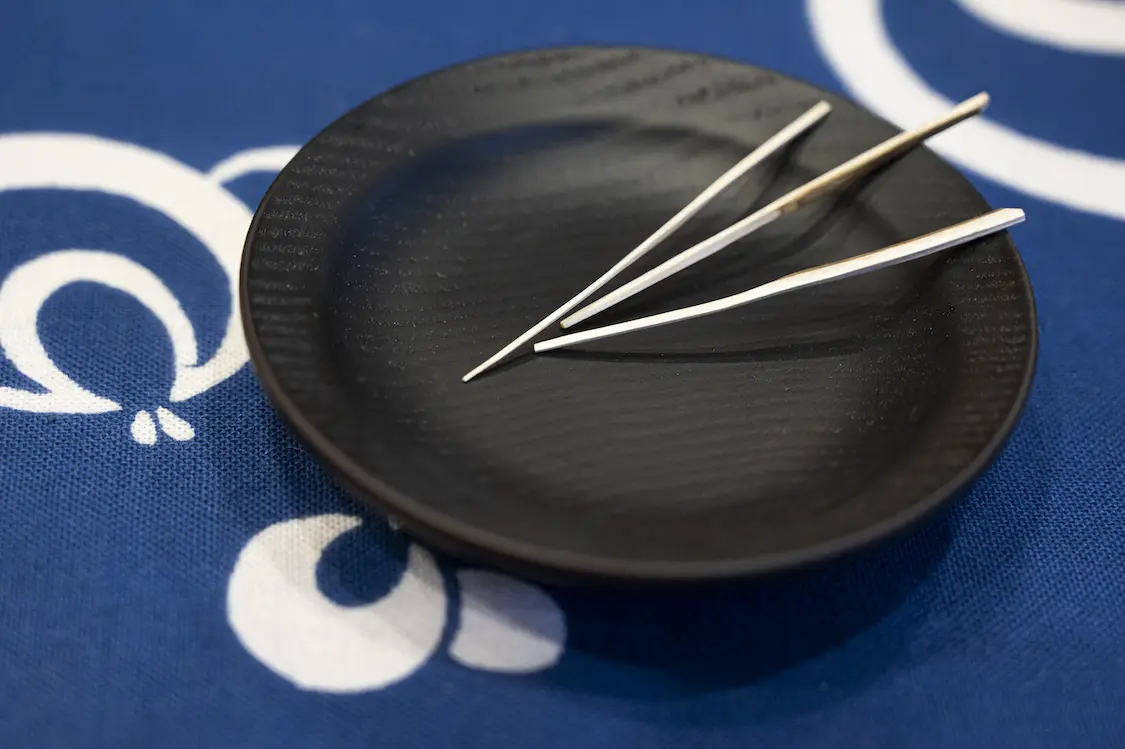
The only toothpick specialty store in Japan, known for the fragrance of kuromoji wood and exceptional craftsmanship
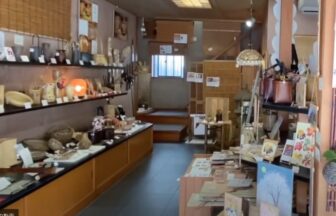
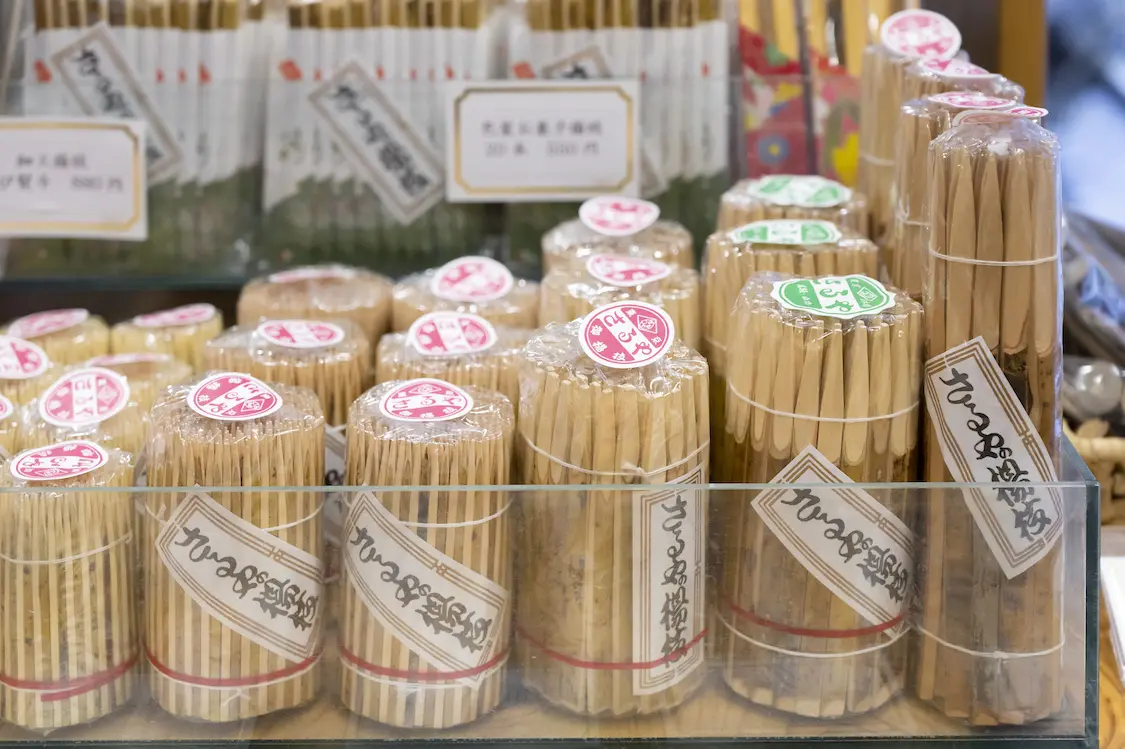
A few minutes’ walk from Mitsukoshimae subway station; along an alley appears a stylish shop that could be mistaken for a modern café.This is “Nihonbashi Saruya,” the only toothpick specialty store in Japan.Since the era when Edo townspeople loved “fusayoji” (tassel-tipped toothpicks), kuromoji wood has been used,And even today, they make and sell more than 20 types of toothpicks varying in length and thickness.
“Toothpicks originally came to Japan as Buddhist ritual tools and were first used by monks and aristocrats.They became common among ordinary people during the era of the third shogun of the Edo shogunate, Tokugawa Iemitsu.From this time, it became common for ordinary people to care for their teeth after meals using “fusayoji” toothpicks.Kuromoji is characterized by a pleasant fragrance, strong durability, and high elasticity.It is also said to have antibacterial effects and has long been known as a material suitable for keeping the mouth clean,”Says Mr. Ryota Yamamoto, the ninth-generation head of the store.
Leading the lineup is “Saruya’s Kuromoji Toothpicks,” ranging from thin ones ideal for cleaning between teeth to thicker ones for Japanese sweets,With about 100 product types displayed in the store.Long-selling items include “Senryobako,” toothpicks in a paulownia box decorated with auspicious words,And the “Eto Yoji,” featuring the zodiac animal of the coming year and released from year-end, is also popular.「“Since the zodiac designs change every year, some customers collect them.Some even say, ‘I have the rabbit one from several cycles ago,’” says Mr. Yamamoto.
Among them, he proudly says that the ultra-fine “Jokaku Toothpick” receives many comments such as, “Once you use this, you can never go back to ordinary toothpicks.”It requires advanced skill, and currently only one craftsman is able to produce them.To ensure that production continues, Mr. Yamamoto’s father, the eighth-generation head, is directly inheriting the technique from the craftsman.Saruya’s toothpicks, crafted by masters, are an Edo specialty that has survived the ages with top-quality standards and designs suited to the times.They would make a wonderful gift for someone special.
History
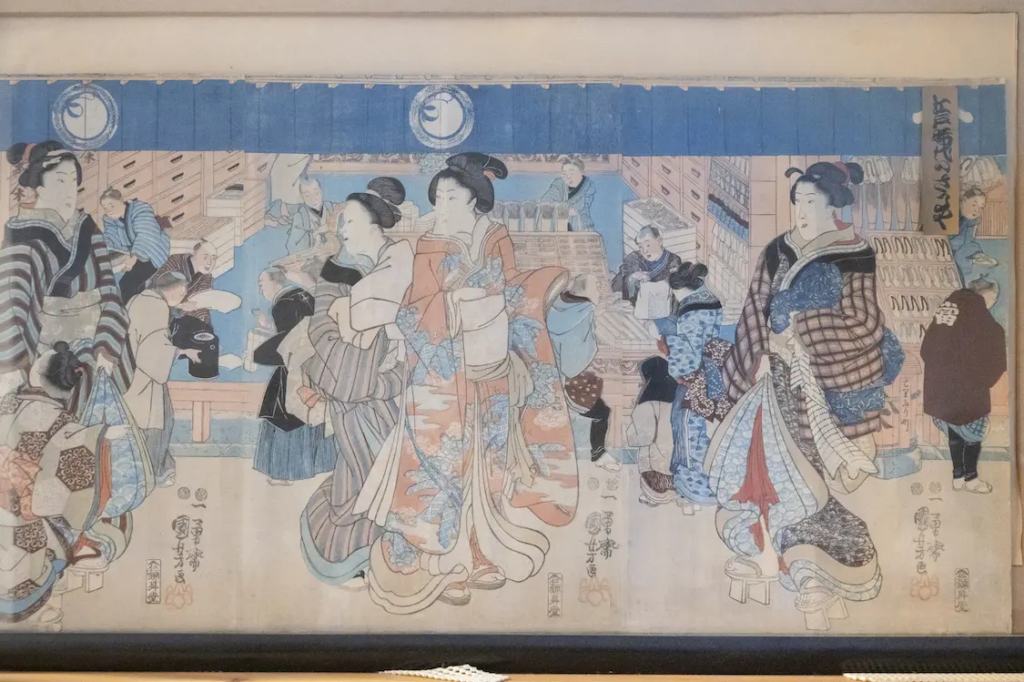
Founded in the Hoei era (1704–1711).At that time, there were many toothpick shops in Edo Castle town,And especially within the grounds of Sensoji Temple were nearly 200 of them.However, today the only remaining dedicated toothpick shop is Nihonbashi Saruya.For nine generations, the shop has dealt exclusively in toothpicks.The name “Saruya” was a common term for toothpick shops in the Edo period.There are various theories: because monkeys have white teeth, or because sellers carried a monkey on their shoulder.When toothbrushes arrived in the Meiji era, toothpick specialty stores gradually disappeared,Yet Nihonbashi Saruya still offers refined toothpicks under its original name even after 300 years.
The craftsmanship packed into each toothpick is something you understand only when you use it.
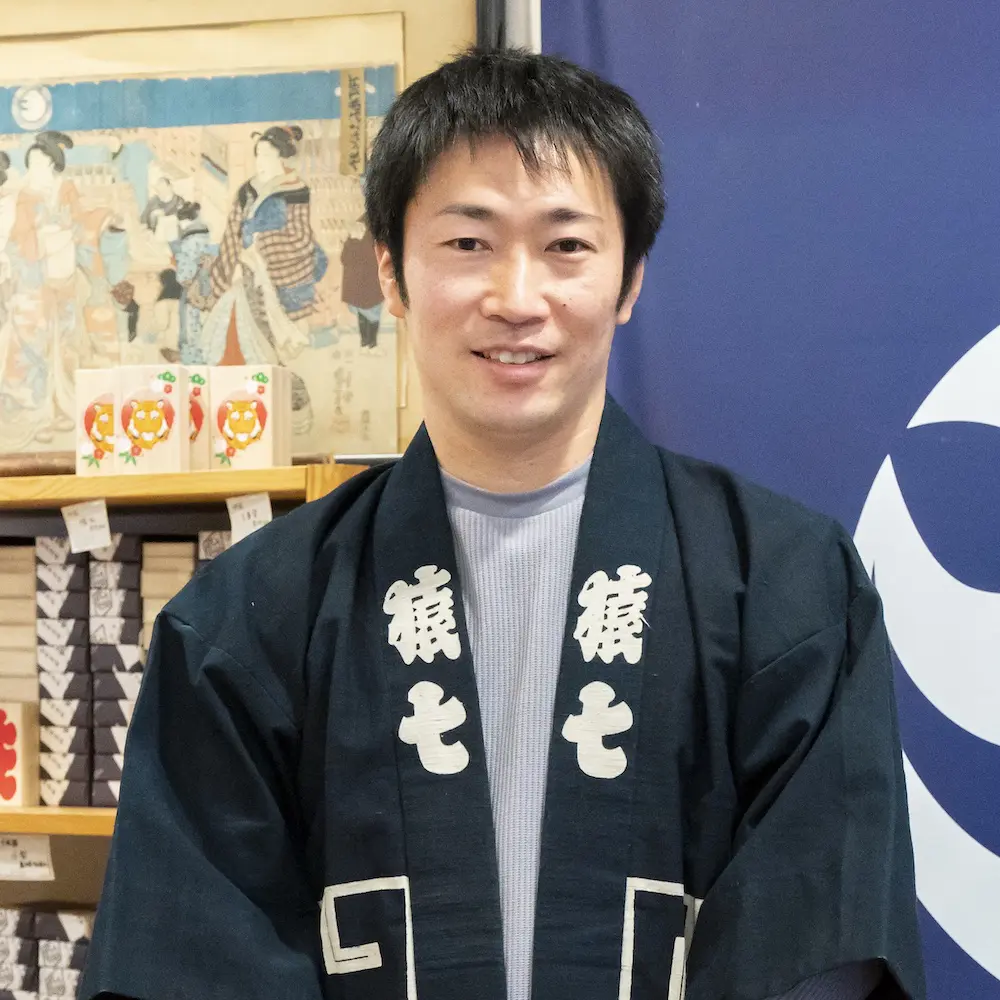
Ryota Yamamoto
Ninth-generation head of Nihonbashi Saruya
Some customers say, “It’s too precious to use,” or “I’ve kept it without using it,”But the true value of our toothpicks lies in experiencing how they feel on the teeth.While I’m happy they are cherished, I truly hope people will use them freely.Recently, personalized name engraving done by a calligrapher has also become popular.
This Notable Item
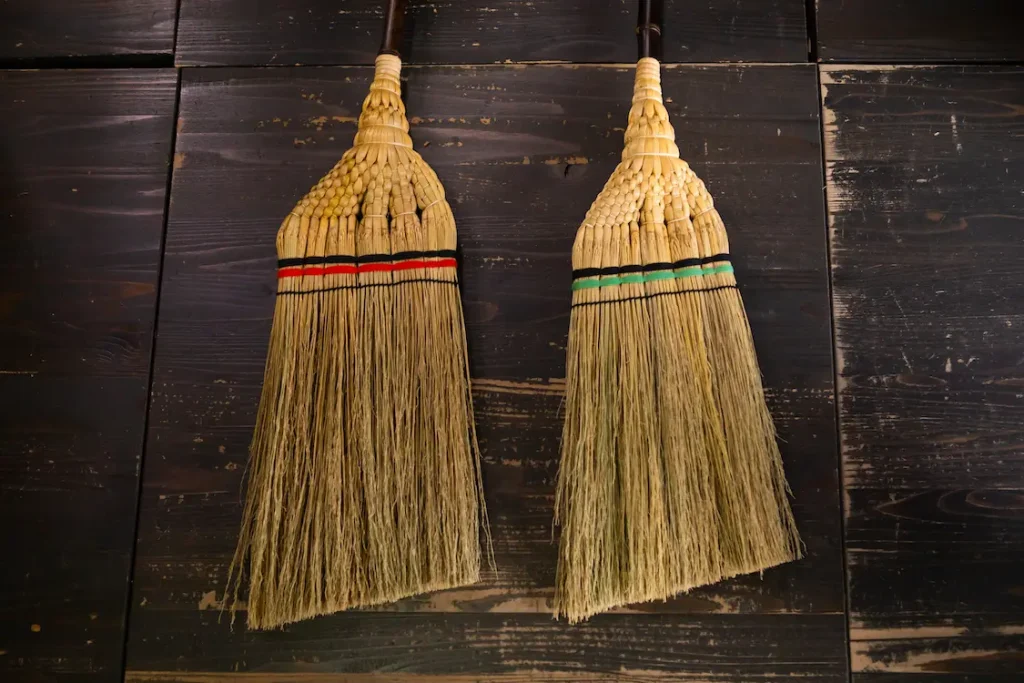
Special grade: 11,000 yen / High grade: 8,800 yen
These are the representative Edo hand-brooms of Shirakiya Denbei.Because strong, resilient bristles are selected, they have excellent springiness and capture dust extremely well among Edo brooms.They can be used on tatami rooms, wooden floors, and carpets, but carpets are especially recommended.They can sweep out hidden dust, hair, and pet fur in large amounts.
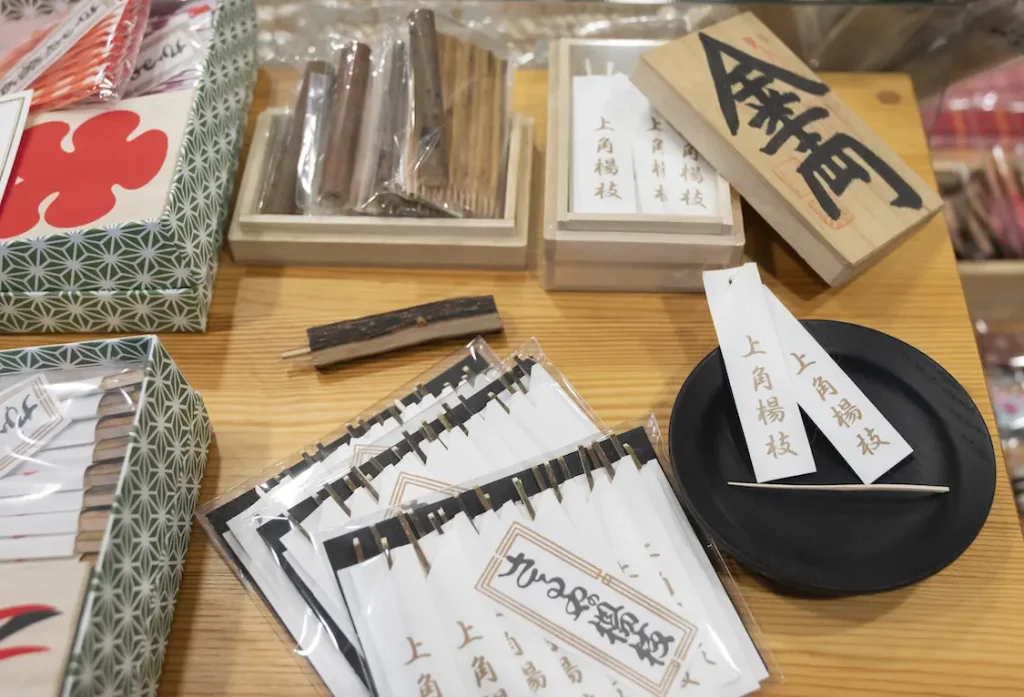
Jokaku Toothpick
1,320 yen
A set containing the ultra-fine Jokaku Toothpick stored in an auspicious “Senryobako” paulownia box.It begins with a skilled craftsman selecting and harvesting young elastic kuromoji branches in the winter mountains,From which as many as 16 toothpicks are shaved from a single thin branch of about 6 cm in length and 1 cm in diameter.Each toothpick is produced through expert selection and high-level technique,Its appeal lies in the gentle touch on the gums, resilience, and ease of entering gaps between teeth.
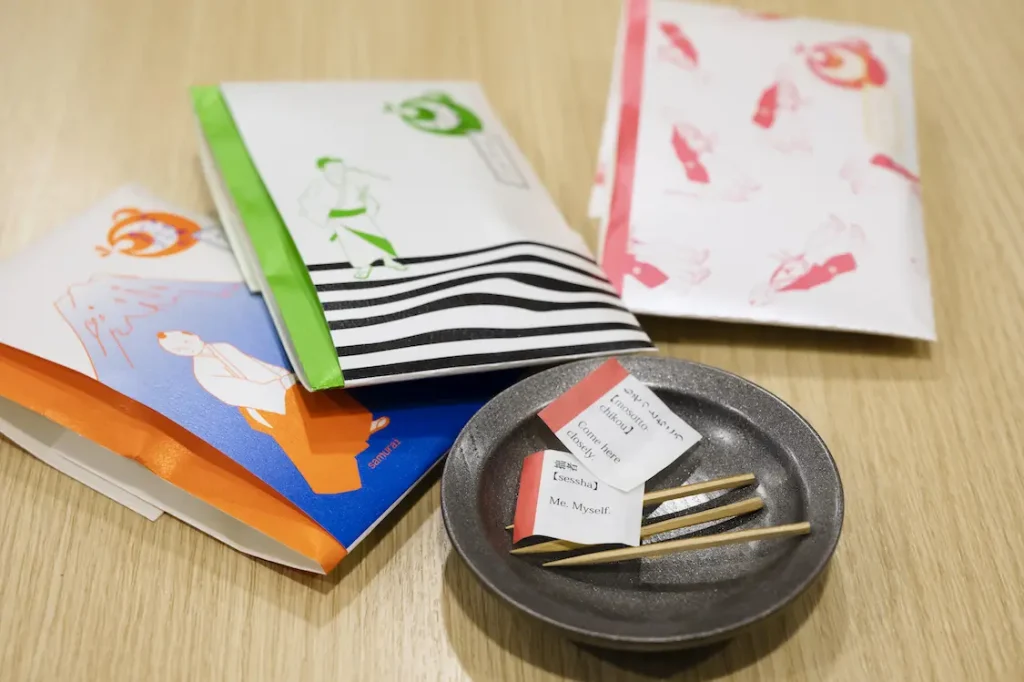
Samurai Toothpicks
40 pieces — 1,100 yen
Each kuromoji toothpick is wrapped with a small modern paper slip featuring a “samurai phrase.”The paper shows samurai lines with English translations, such as “Korenite gomen – Goodbye now” and “Tanomou – Hello, may I come in?”, which makes them popular with international customers.They also include a small fortune slip, making after-meal time something to look forward to.Available in three types: “Kengō Orange,” “Chūkin Red,” and “Rōnin Green.”
Spot Overview
| address (e.g. of house) | |
|---|---|
| phone | |
| Business Hours | |
| regular closing day | |
| Payment Method | |
| External Links |