

Parks & GardensShinjuku, Nakano
Otomeyama Park (Takadanobaba, Tokyo)(Otomeyama Park)
(public) park57 famous springs in Tokyofalconry range
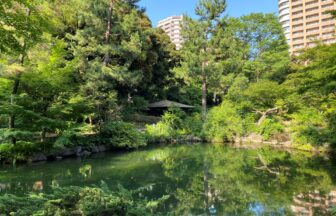
Otomeyama Park is located on a slope formed by the Kanda River, called the Ochiai Cliff Line, where a green space with spring water has been spreading since ancient times. In the Edo period (1603-1867), the area was used as a falconry ground for the shoguns, and was called Otomeyama (御留山・御禁山) because commoners were not allowed to enter the area. During the Meiji and Taisho periods, many mansions were built in this green area, and the Soma family built a garden and a mansion on this land. The land was later sold, but encouraged by citizens’ voices, Shinjuku City opened this land as a park in 1969 (Showa 44). The spring water in the park has also been selected as one of the “57 Famous Springs of Tokyo.
Spot OutlineOutline
| address (e.g. of house) | 2-10 Shimo-Ochiai, Shinjuku-ku, Tokyo |
|---|---|
| Access | 10 minutes from JR and subway Takadanobaba Station |
| phone | 03-5273-3914 |
| Business Hours | 7:00-19:00 (April-September), 7:00-17:00 (October-March) |
| External Links | |
| Founding and opening of business | 1969 (Showa 44) |