

historic ruins (remains, relics)Shibuya, Daikanyama
Sarugakuzuka Tomb (Daikanyama, Tokyo)(Sarugakuzuka Burial Mound)
round burial moundancient (mound) tombdesignated cultural propertywalktomb of a sarugaku dancerSarugaku Shrine
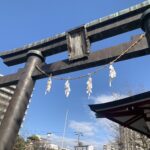
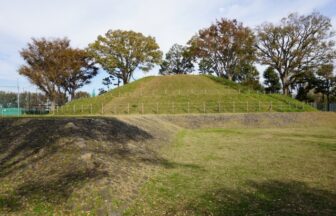
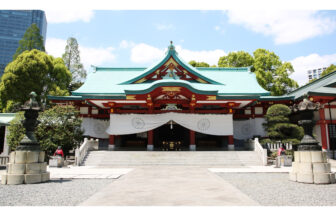
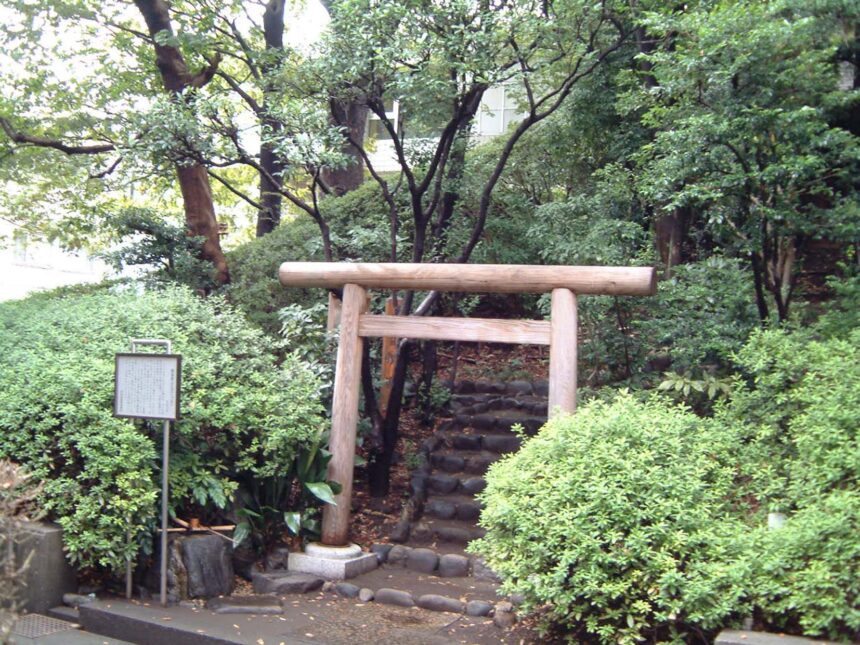
It is the only existing Takatsuka tumulus in the ward and is designated as a cultural asset by Shibuya Ward. There are two round mounds created in the late Kofun period (6th to 7th century), and the larger of the two, about 5 m high and 20 m in diameter, is called “Sarugaku-zuka,” which is the origin of the name of the area. It is also a well-known place of interest from long ago, as it is described in “Edo Meisho Zue” (Edo Meisho Zue) as “Koga Kuzuka” (mound of bitter suffering). A shrine built in 1920 stands at the top of the mound, and in 2002 it was incorporated as a religious institution as “Sarugaku Shrine. The shrine was incorporated as a religious corporation in 2002 and is well known to the local community. The shrine enshrines Amaterasu no Mikoto, Susanoo-no-Mikoto, Sarugaku-Daimyojin, the god of water, and Kasamori Inari.
Spot OutlineOutline
| address (e.g. of house) | Hillside Terrace, 29-9 Sarugaku-cho, Shibuya-ku, Tokyo |
|---|---|
| Access |
5 minutes from Daikanyama Station on the Tokyu Toyoko Line
|
| phone | 03-5489-3705 |
| External Links | |
| Founding and opening of business | 6th-7th century (estimated) |