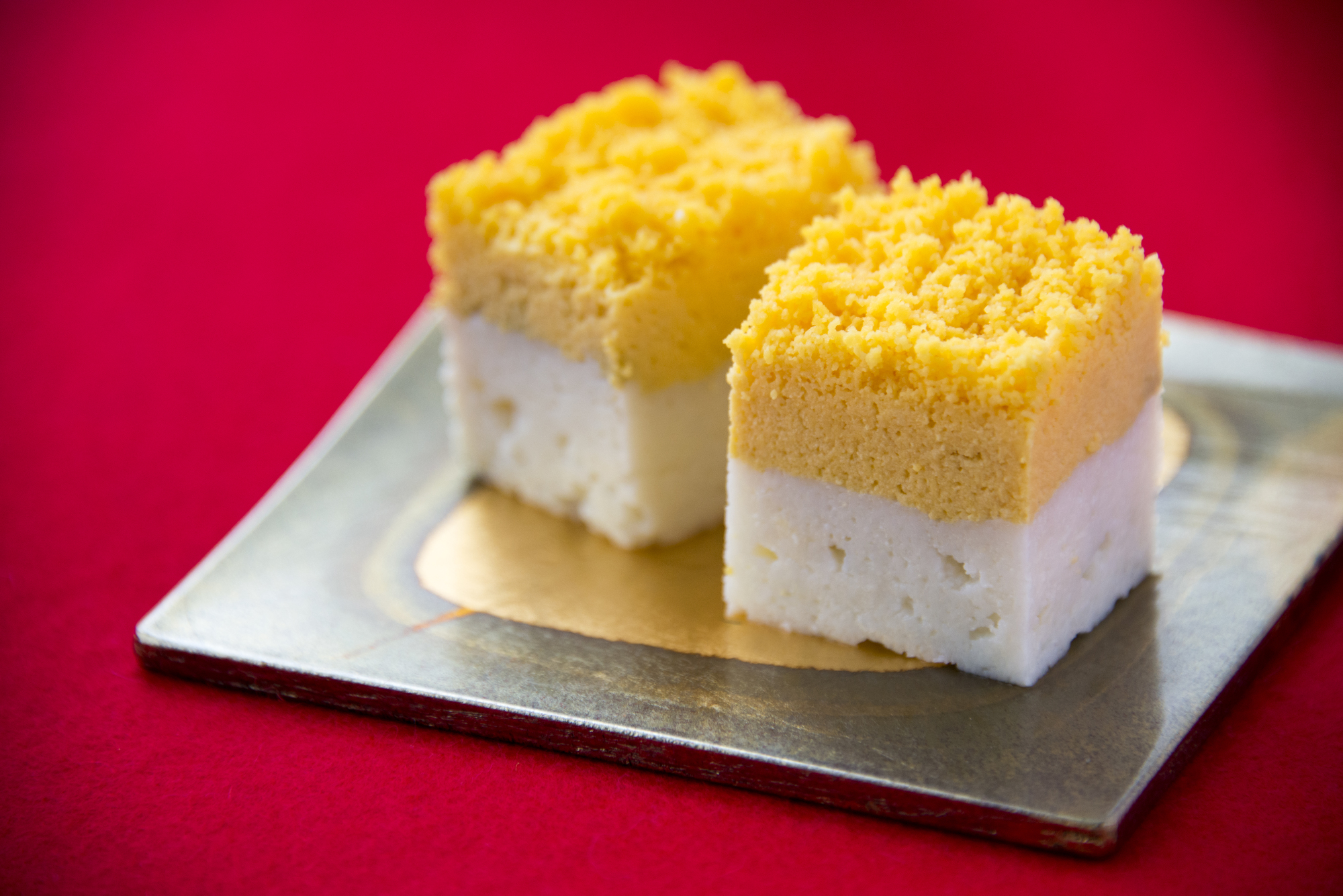
What is “Nishiki-Tamago”? What is the origin of its name?

Japanese-style meal

What is “Nishiki-Tamago”? What is the origin of its name?(Nishikitamago)

food served during the New Year’s HolidaysNew Year

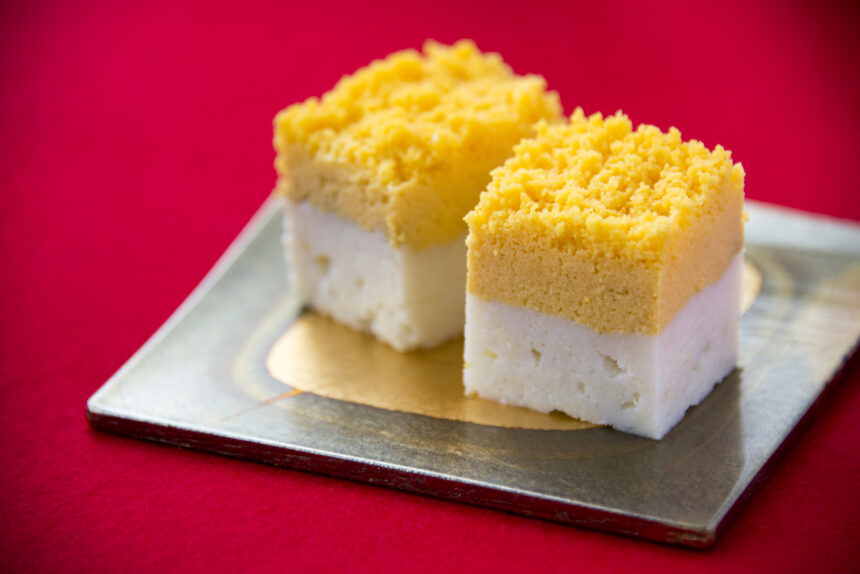
Boiled eggs are separated into yolk and white while still hot, seasoned with sugar, salt, potato starch, etc., and then steamed in two layers, the yolk and white on top and bottom. The yolk and white are separated and seasoned with sugar, salt, potato starch, etc., and the yolk and white are steamed in two layers. It is considered to be a food of good luck, and is known as a typical dish for Osechi and festive meals. The name “nishiki tamago” (broiled egg) was coined from the word “nishiki” (brocade), which refers to the elegant and festive textile fabrics, with the yellow yolk resembling gold and the white yolk resembling silver.

新着・おすすめ情報

  1. Suka Shrine (the outer shrine of Ise Shrine)

  2. someone who is unable to apply what they have read

  3. Anyone can do it by themselves! Basic yukata dressing – men’s version

  4. black formal kimono with designs along the bottom of the skirt worn by married women on ceremonial occasions

  5. Musashi Fuchu Kumano Shrine Tomb (Fuchu, Tokyo)

  6. eel and cucumber salad, finely sliced, dressed in sake, soy, and vinegar

  7. Before the Edo period, “Dedication confectionery” was a top-quality confectionery made with white sugar.

  8. The same manufacturing method since the establishment of the company. Interview with Satoru Nakamura, 7th generation owner of Shirokiya Nakamura Denbei Shoten, who weaves Edo brooms using craftsmanship passed down from generation to generation .

  9. fresh Western sweets (usu. containing cream or fruit, e.g. sponge cake, pie)

  10. 【第21回】古文書から紐解く江戸につながる「そば切り」の伝承

  11. revitalization

  12. Araiyakushi Umeshoin

  13. Ruins of Musashi Kokubunji Temple

  14. long-sleeved kimono

  15. Selecting the best materials for each application and finishing them with craftsmanship: the pride of the long-established “Edoya”, which has been in business for 300 years, in the creation of brushes and bristle brushes.