

Parks & GardensUeno, Yanaka, Nippori
Koishikawa Botanical Garden(Koishikawa Botanical Garden)
cherry blossom viewingpicnicwalkJapanese-style garden
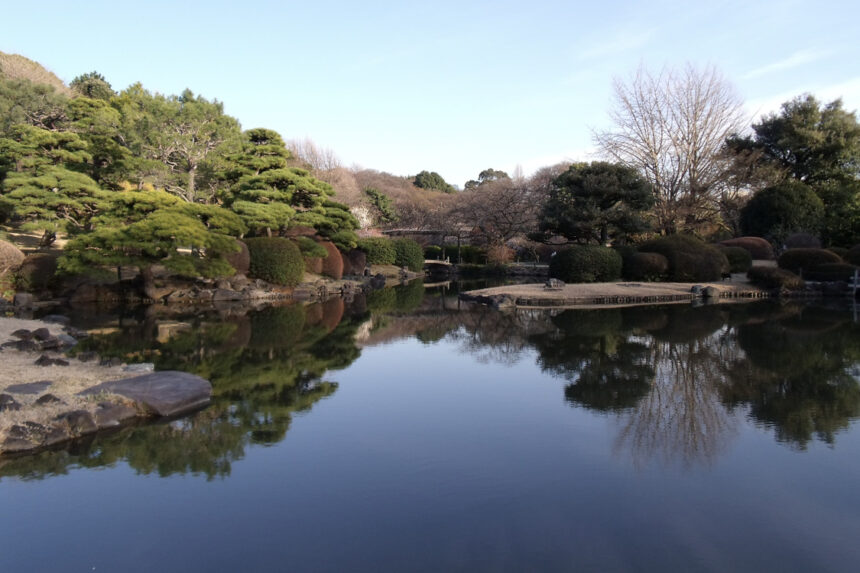
The oldest botanical garden in Japan and affiliated with the Graduate School of Science of the University of Tokyo, the Koishikawa Yakuen began in 1684 when the Shogunate’s medicine garden in Azabu was moved to the villa of Tsunayoshi Tokugawa, the fifth shogun. The approximately 160,000 m2 site includes exhibition buildings, greenhouses, a Japanese garden, and a variety of landscapes such as a plum grove, azalea garden, and camellia garden planted according to the topography of the area. Visitors can also see some of the world’s most famous memorial trees, such as “Newton’s apple,” which was grafted from the apple tree of physicist Newton’s birthplace, and “Mendel’s grape,” a branch of the grape used in experiments conducted by Mendel, the founder of genetics.
Spot OutlineOutline
| address (e.g. of house) | 3-7-1 Hakusan, Bunkyo-ku, Tokyo |
|---|---|
| Access | 10 minutes from Hakusan Subway Station, 15 minutes from Myogadani Station |
| phone | 03-3814-0138 |
| Business Hours | 9:00-16:30 (admission until 16:00) |
| regular closing day | Every Monday (if Monday is a national holiday, the following weekday), year-end and New Year holidays (December 29 – January 3) |
| External Links | |
| Founding and opening of business | 1877 (10th year of Meiji era) |