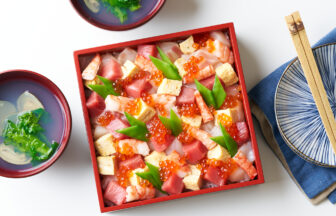
glutinous rice steamed with red beans or some other ingredient

Japanese-style mealbento

glutinous rice steamed with red beans or some other ingredient(Okowa)

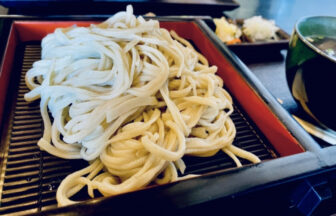
Rice made by steaming glutinous rice. Also called kowameshi or kowameshi. There are various types of kowameshi, such as akamame (red rice with azuki beans or kidney beans) for celebrations and happy occasions, and gomokuokokowa (rice with vegetables, wild vegetables, meat, and other ingredients). Okowa differs from takikomi-gohan in that it is made with glutinous rice instead of Uruchi rice, and steamed instead of cooked.
In the Heian period (794-1185), steamed rice was already called kowaii, and as cooked rice became common during the Edo period (1603-1868), it was called kowaii or kowameshi, mainly for steamed glutinous rice. The name “kowa” is said to have originated from a term used by a courtesan in the service of the imperial court.

新着・おすすめ情報

  1. What are “Ichimatsu Dolls”? It was made to resemble a certain Kabuki actor in the Edo period.

  2. Seppuku monaka” and “Keikyuu monaka” …… “Shinshodou” produces wagashi that are both humorous and delicious.

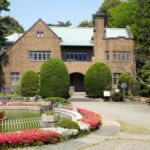
  3. Zoshigaya Old Mission Building (Zoshigaya, Tokyo)

  4. method of patterning traditional Japanese clothing (the tops of all of patterns being pointed downwards)

  5. Rinsenji Temple, Shibare Jizo (Myogadani, Tokyo)

  6. graupel

  7. noodles with duck meat and Welsh onions

  8. To make Japanese “tea culture” widely known. Flexibility of “Gyokuho-Do” to change with the times.

  9. double-woven obi

  10. 【老舗ご当主・識者と歩く】日本推しラトビア人アルトゥルさんと虎ノ門−新橋の老舗をめぐる

  11. The same manufacturing method since the establishment of the company. Interview with Satoru Nakamura, 7th generation owner of Shirokiya Nakamura Denbei Shoten, who weaves Edo brooms using craftsmanship passed down from generation to generation .

  12. Kaga Yuzen

  13. Hikarimono (sushi)

  14. manjuu

  15. You can do it by yourself! How to tie a yukata obi – Butterfly knot