What does “agari” mean? Its origin is also explained.

What does “agari” mean? Its origin is also explained.(Agari)

tea ceremonysushi

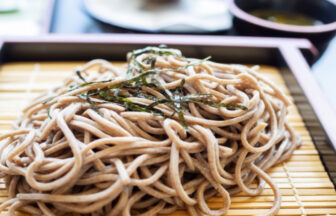
The tea served to customers at sushi restaurants is called “agari. This term derives from the phrase “agari bana,” which was used in the hanayanagi or geisha circles of the Edo period (1603-1868). In this industry, the word “tea” was avoided as a bad omen because it was used to describe a geiko who had no customers and was bored. On the other hand, geiko who went up to the tatami room with customers were called “oagari-san,” and tea was called “agaribana. It is said that the word “agari” came to be used to refer to the tea ceremony.
新着・おすすめ情報

  1. What innovations have been made at Nimben, a 321-year-old dried bonito flakes business?

  2. Kakurinji Temple (Shirokanedai, Tokyo)

  3. Asukayama Park

  4. Yamamoto Nori Store, a long-established business with 170 years of history. The birthplace of “seasoned laver” talks about its commitment to flavor.

  5. steamed fish-paste cake, sliced to decorate soup (type of kamaboko)

  6. very young fish (esp. a konoshiro gizzard shad)

  7. Selecting the best materials for each application and finishing them with craftsmanship: the pride of the long-established “Edoya”, which has been in business for 300 years, in the creation of brushes and bristle brushes.

  8. Suka Shrine (the outer shrine of Ise Shrine)

  9. Hamarikyu Gardens

  10. Bank of Japan

  11. What is Gunkanmaki? Origin of the name, store of origin

  12. 【第10回】なぜ蕎麦は「細くて長い」が定着したのか

  13. Honshiba Park (Tamachi, Tokyo)

  14. Takahata Fudo Kongoji Temple

  15. Ginza Matsuzaki Senmochi, a long-established shop, depicts tradition and innovation with its signature product “kawara senbei” (tile rice cracker).