man’s formal divided skirt

Japanese clothing

man’s formal divided skirt(hakama)

Japanese clothesclothing

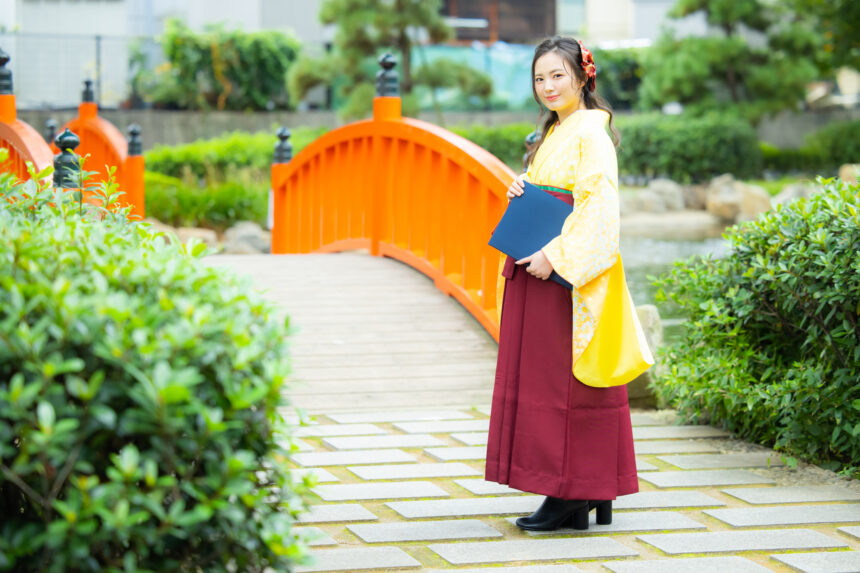
A type of kimono that covers the lower half of the body. It is similar to Western-style trousers, and is worn by putting both legs through the gusset, which is divided by a partition. From the Heian to the Muromachi period (1392-1573), it was used as a costume for court ladies (court ladies who served the imperial family or nobility), and in the Edo period (1603-1868), it became the formal dress of feudal lords and warriors. In the Meiji period (1868-1912), gakanai hakama (also known as gakanai hakama, a long skirt-like garment) were worn as school uniforms for girls, which were easier to wear. In the Meiji era (1868-1912), the gakanai hakama (also known as gakanai hakama, or long skirt-like hakama) came to be worn by girls as school uniform. Today, the gakayuri hakama is an essential part of formal wear for men. In recent years, an increasing number of female students are wearing gaketoshi hakama as formal attire for graduation ceremonies. Other traditional hakama are also used for kendo and kyudo wear, costumes for Noh and shimai dance, and for Shinto priests’ attire.


新着・おすすめ情報

  1. pure silk

  2. Four long-established restaurants specializing in nabe cuisine! 4 long-established restaurants specializing in hot pot dishes Let’s enjoy the taste of that famous restaurant by order!

  3. 【第11回】江戸時代に生まれた「かけそば」の起源

  4. Long-established Tabi Shoes supported by all generations. Ohnoya Fuso-Honten” continues to make Tabi Shoes with all our hearts.

  5. 【第21回】古文書から紐解く江戸につながる「そば切り」の伝承

  6. very young fish (esp. a konoshiro gizzard shad)

  7. Japanese Food Manners You Should Know. Sashimi, Sushi, Tempura, Yakimono…… explained by cuisine.

  8. 8220;Sake Samurai”s Tour of Tokyo’s Long-established Sake Breweries with Yuki Aoi

  9. What is the origin of the term “chilled sake”? Words related to sake

  10. What is the difference between “Ginjo-shu” and “Junmai Ginjo-shu”? Words related to sake

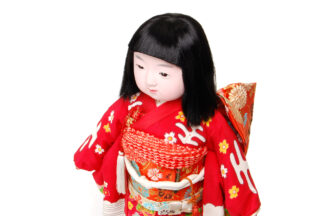
  11. What are “Ichimatsu Dolls”? It was made to resemble a certain Kabuki actor in the Edo period.

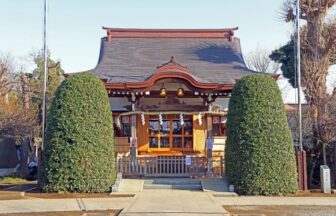
  12. 徳丸北野神社(東京・板橋)

  13. vinegared rice and sliced raw tuna wrapped in seaweed

  14. Customer information is written down in a notebook and shared with all staff. Ginza Mikawaya’s commitment to hospitality

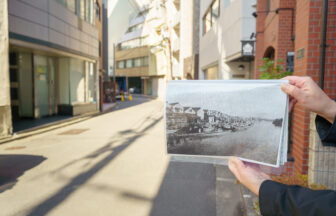
  15. A Walk in Edo with Old Maps] No.4: Was the Yoshiwara brothel located in Ningyocho? A play by day, a brothel by night. A Journey to the Ruins of a Former Pleasure Spot