

the home of Isethis morningWinter pots and pansSakura Nabe NakaeJapanese tofu and vegetable chowder
One of the essential foods for cold winters is warm nabe dishes.
In Tokyo, there are many long-established restaurants specializing in nabe cuisine, which are full of tradition and elegance, serving nabe dishes that you want to eat during the cold season.
Nabe dishes served at these restaurants are exceptional, and you will want to try them at least once.
However, for those who live far away and cannot easily go there, ordering by mail order is recommended.
The nabe dishes introduced here are made with carefully selected ingredients, so you can enjoy the same taste at home as you would at a restaurant.
We especially recommend the nabe set, which will warm your body and soul.
We recommend this set.Sukiyaki ingredient set this morningIsegen’s famous anko-nabe set
If you have one ready, you can have a large group of people around the dining table without any hassle when you have sudden visitors.
Why not order a nabe that will add a touch of elegance to your dining table for the year-end and New Year holidays, when you often invite people to your home?
Beef hot pot at “Imacho” in a superb hospitality space
Imacho is a 143-year-old sukiyaki restaurant founded in 1878 as a beef hot pot restaurant. The restaurant was named Imacho after the first owner, Jiro Imacho, who took the name Imacho from “Imahiro,” where he trained, and also from his own name.
This morning, we serve traditional Kanto style sukiyaki using warishita. Only the highest grade A5 Matsusaka beef and other Japanese black cattle are used for sukiyaki. The meat, which is artistically sliced by the chef with a knife, is served with Imacho’s secret soy sauce-based wariage, which has remained unchanged since the establishment of the restaurant. You can also enjoy carefully selected zaku (vegetables) such as white chiju leek, shiitake mushrooms, and grilled tofu.
The restaurant also offers a selection of sake that goes well with sukiyaki, and the fifth-generation owner of the restaurant has a deep knowledge of wine and can help you select a wine to suit your tastes.
For those who cannot visit the restaurant, you can also purchase a sukiyaki ingredient set by mail order. It comes in a black decorative box, making it an ideal gift for a loved one.
For more information about the store, please contacthere (place close to the speaker or where the speaker is)For more information, please visit
The mail order page is
Ankou-nabe at Isegen, the only restaurant in Tokyo specializing in ankou-nabe
Isegen was founded in 1830 during the reign of Ienari Tokugawa, the 11th shogun of the Edo Shogunate, as an ankou nabe specialty restaurant. At the time of its establishment, the restaurant offered a variety of hot pots, but due to the popularity of anko-nabe, it became an anko-nabe specialty restaurant when the fourth head of the family took over.
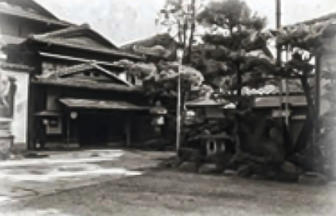
After being completely destroyed by fire during the Great Kanto Earthquake, the restaurant was rebuilt in 1930 and fortunately escaped the war. Visitors can enjoy ankou nabe (monkfish stew) prepared using traditional cooking methods handed down from generation to generation in the elegant tatami room.
The anglerfish used at Isegen is a brand of anglerfish landed off the coast of Kazamaura in the Tsugaru Straits on the Shimokita Peninsula in Aomori Prefecture. Once landed, anglerfish are left to rest overnight or longer to enhance their flavor, and are then live-fished at the time of shipment. The anglerfish is shipped directly to the restaurant within 24 hours of being live-fished, so you can enjoy the freshest anglerfish available.
The anglerfish, which is cut and hung in the restaurant, is served in a secret recipe of kombu (kelp) and bonito broth with soy sauce. The charm of this dish is that you can fully enjoy the rich flavor of anglerfish along with vegetables that go well with anglerfish such as udo and mitsuba.
The mail order page is
Sakura-nabe to be enjoyed at “Sakura-nabe Nakae” in the former entertainment district
Sakura-nabe Nakae is a restaurant specializing in sakura-nabe, which was established in its current location (Nihonzutsumi, Yoshiwara) in 1905, after the first owner came to Tokyo from Niigata and trained in Kuromon-cho. At that time, sakura nabe was known as a gourmet delicacy, and many people enjoyed it on their way home from the nearby brothels in the morning, in the evening to fill up before going out to the brothels, and late at night for an evening meal after returning from the brothels.
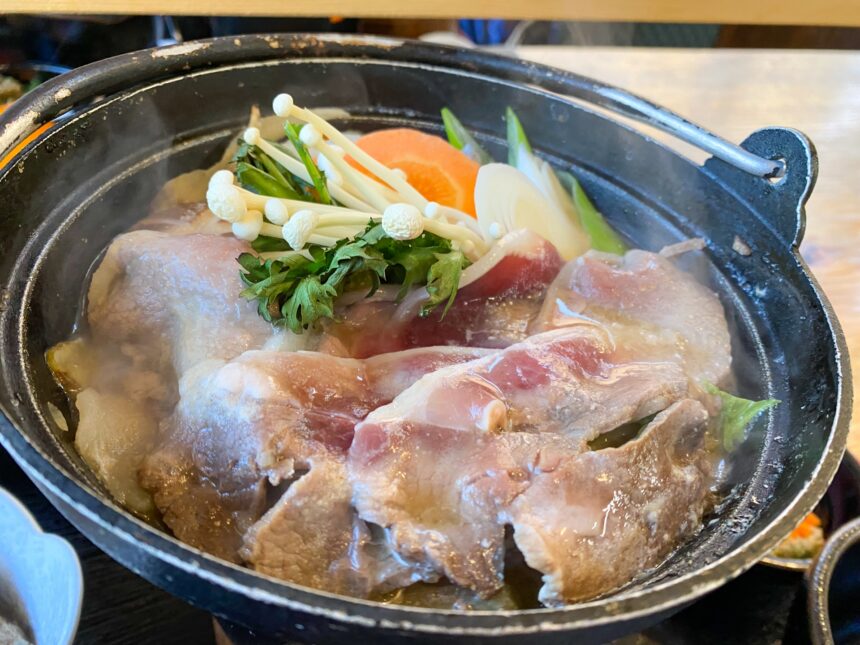
The sakura meat (= horse meat) used for sakura nabe Nakae’s sakura nabe is the finest pure domestic meat exclusively for the restaurant.(1) The meat must be from purely domestic horses born in Hokkaido and bred exclusively for Nakae at Konomi Ranch in Kurume, Kyushu.(2) The meat must be from fattened horses that have been raised for five to seven years on grain-based feed, more than twice the normal period, and have plenty of fat in their bodies.(iii) The meat must be shipped directly from the place of origin in chilled condition without being frozen.
Sakura meat that satisfies the above three conditions is a beautiful crimson meat with no odor at all. When eaten with our special miso sauce, the deep flavor and subtle sweetness of the meat can be appreciated even more. Sakura meat is low in calories, fat, and protein, and rich in collagen, making it a good choice for women who are concerned about their beauty and health.
There used to be more than 20 restaurants specializing in sakura-nabe in the Yoshiwara area, but today only Sakura-nabe Nakae remains.
Enjoy a chic moment while savoring traditional Edo hot pot in this Taisho architecture, designated as a Tangible Cultural Property of Japan.
Doze-nabe at “Komagata Doze” where you can also enjoy the atmosphere of Edo period
Komagata Dozeu is a restaurant specializing in Dozeu hot pot established in 1801. It is also a long-established restaurant popular for its common people’s taste that has remained unchanged since the Edo period. Since its establishment, Komagata Dozeu has been crowded with many people as a pilgrimage route to visit Sensoji Temple.
The loach used at Komagata Dozeu is limited to only the best quality, which we purchase by visiting producers throughout Japan. The strictly selected loach is fat and fatty, but not cloying, and the meat is so soft and fluffy that you can hardly feel its bones. Komagata Dozeu’s unique cooking method, which allows the loach to drink sake, a precious commodity in the Edo period, gives the loach a tenderness that cannot be found in other restaurants.
Doze-nabe is a labor-intensive dish in which dojos are cooked in a sweet miso broth, then scooped up and further simmered in warishita. The generous amount of green onions and the accompanying shichimi (seven spices) and sansho (Japanese pepper) make for a warming nabe.
All of the restaurants introduced here are long-established establishments that use only the freshest ingredients and offer exquisite nabe dishes with delicate flavors. Eating nabe in a relaxing space that evokes the Edo and Meiji periods will surely deepen your friendship with those closest to you. As the cold weather begins to set in, why not try nabe at one of these carefully crafted long-established restaurants? We hope you will spend a moment at the restaurant to blow away the cold this winter and warm your body and soul with a delicious nabe.