What are “Ichimatsu Dolls”? It was made to resemble a certain Kabuki actor in the Edo period.

puppet

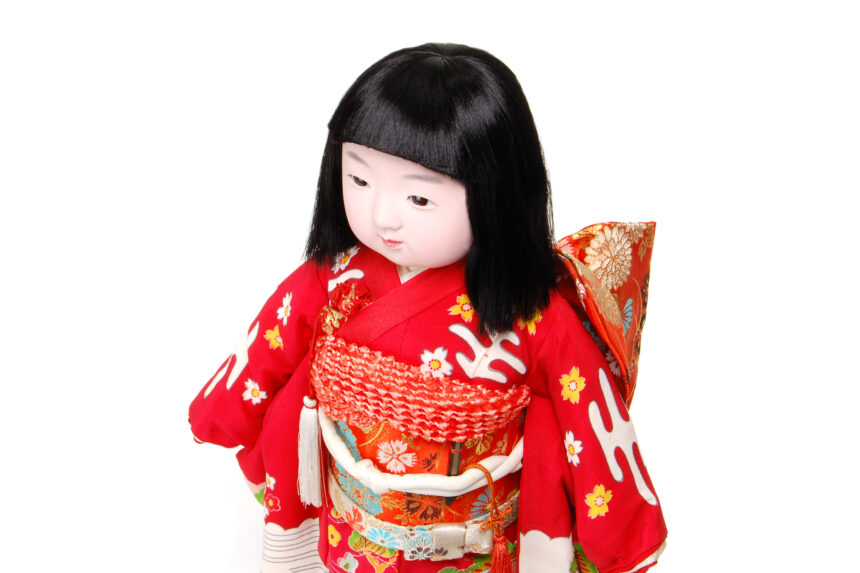
What are “Ichimatsu Dolls”? It was made to resemble a certain Kabuki actor in the Edo period.(Ichimatsu Ningyo/ichimatsuningyo)

traditional craft

A doll in the shape of a young child. It is said that the dolls were originally made to resemble the face of Ichimatsu Sanokawa, a kabuki actor of the mid-Edo period. In Edo, the dolls were simply called “ningyo,” while in Kyoto and Osaka they were called “Ichima ningyo. There are dolls for both men and women, with girls often dressed in wigwams and furisode (long-sleeved kimono) and boys in formal wear such as haori (Japanese traditional haori coat). They were carved out of wood or made of paulownia wood powder and glued together. The body is made of carved wood or paulownia wood powder mixed with glue (a type of clay), and hands and feet made of crepe are attached to the body so that the doll can move. In the old days, people used to buy a naked doll with only a torso and play with it by making a kimono at home and dressing it up. Nowadays, the dolls are dressed in kimono from the beginning and are popular as ornamental dolls. They are also called Yamato dolls.

新着・おすすめ情報

  1. long-sleeved kimono

  2. Kabuto decorations for Dragon Boat Festival. Models of military commanders from the Warring States period are popular.

  3. Tokyo Station Hotel (Marunouchi, Tokyo)

  4. 【第22回】お寺とお蕎麦の切っても切れぬ関係

  5. Ome Shinmachi Oido (Ome, Tokyo)

  6. Zoshigaya Kishimojin Hall

  7. What is the meaning behind the three colors of “Hishimochi”? Hina Doll Decorations

  8. The first “in-house work of a samurai”. Yoshinoya Shoten” has been lighting up the nights of Japan with Edo lanterns for 168 years.

  9. Why is “Koinobori” carp? The reason is said to be based on Chinese folklore.

  10. Shinjuku Gyoen

  11. Ningyocho Shinota Sushi Head Office, a long-established sushi restaurant serving inari sushi. What changes with the times, and what never changes.

  12. steamed fish-paste cake, sliced to decorate soup (type of kamaboko)

  13. The soul of the craftsman resides in the old-fashioned production method. The long-established comb shop “Juso Yakushi Ten” that produces the one and only boxwood comb.

  14. What is the definition of “Honjozo”? Words related to Sake

  15. Monument to Kunikida Doppo (Mitaka, Tokyo)