pure silk

Japanese clothing

pure silk(Shouken)

Japanese clothesclothing

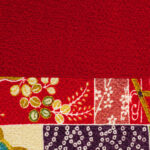
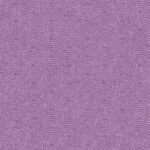
Cloth woven entirely from silk threads spun from cocoons made by silkworms. It is also called “hon-ken” or “jun-ken” (pure silk). It has a unique, elegant luster and is light and soft to the touch. It is said to be comfortable to the touch because its composition is close to that of the protein in human skin. It has excellent moisture retention and breathability, and can be worn warmly in winter. As the best material for kimono, it is widely used for furisode (long-sleeved kimono), tomesode (long-sleeved kimono), coats, long underwear, and men’s kimonos. Disadvantages include its high cost and its susceptibility to stains and yellowing due to its low resistance to water, sunlight, and friction.

新着・おすすめ情報

  1. The same manufacturing method since the establishment of the company. Interview with Satoru Nakamura, 7th generation owner of Shirokiya Nakamura Denbei Shoten, who weaves Edo brooms using craftsmanship passed down from generation to generation .

  2. Horikirishobuen (Horikiri Shobuen, Tokyo)

  3. mixture of boiled beans, jelly cubes, fruit pieces and molasses

  4. Shofukuji Temple (Higashimurayama, Tokyo)

  5. Interview with Kotaro Ishikawa of Ishikawa Tortoiseshell Works, a company that connects traditional Edo tortoiseshell techniques and further promotes the Edo Tokyo brand .

  6. 【第2回】美味しい蕎麦屋を見分けるコツは、お客様の「姿勢」を見ること

  7. What is the difference between kaiseki ryori and kaiseki cuisine? Explanation of the origin and manners you should know!

  8. Kanto style and Kansai style (broiled eel)

  9. Kiyosubashi Bridge (Kiyosumi-Shirakawa, Tokyo)

  10. What nutrients are contained in “buckwheat tea” that are good for the body?

  11. Taisyuji Temple (Shinjuku, Tokyo)

  12. Minamiya Temple (Komagome, Tokyo)

  13. Tokyo Literature Walk] No. 2: From Hongo to Sendagi via Slopes and Alleys, Touring the Former Residences of Modern Literary Greats

  14. What vegetables should not be used in “vegetarian cooking” without animal products?

  15. Can you guess what are the five colors of the “fukiage” that is attached to the top of the carp streamer?