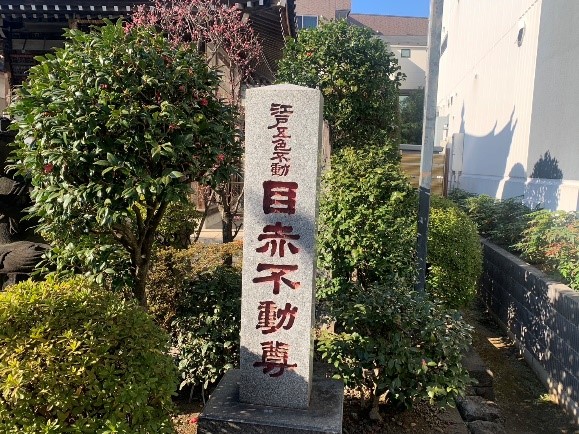
Minamiya Temple (Komagome, Tokyo)

temple (Buddhist)Ochanomizu, Yushima, Korakuen

Minamiya Temple (Komagome, Tokyo)(Nankokuji)

Āryācalanāthafive-colored steadfastness

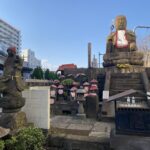
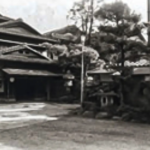
Mangyo, a monk who was given a statue of Fudo Myoo at Akameyama in Ise Province, opened a hermitage on Dousaka in Komagome Village and named the temple “Akame Fudo” and founded Nanya Temple. In the Kan’ei era, when Tokugawa Iemitsu stopped by the hermitage on Dobozaka, he ordered the temple to be called “Me-aka Fudo” in contrast to Meguro Fudo and Mejiro Fudo, which is why it has been called “Me-aka Fudo” ever since. It is one of the five colored fudo in Tokyo and the 13th of the 36 fudo in the Kanto region.

Spot OutlineOutline

address (e.g. of house) 1-20-20, Honkomagome, Bunkyo-ku, Tokyo
Access 2 minutes from Honkomagome Station

phone 03-3942-0706
Business Hours Around 9:00 – 16:30
Founding and opening of business Circa 1615 (Genna era)

新着・おすすめ情報

  1. What is the origin of the name “Kintsuba”? How is it written in kanji?

  2. Shofukuji Temple (Higashimurayama, Tokyo)

  3. Minori Kai] 7 souvenirs from long-established shops in Tokyo that you want to give with a story.

  4. Imado Shrine (Asakusa, Tokyo)

  5. pure silk

  6. The ninth generation of a long-established soba restaurant teaches how to boil and taste truly delicious soba noodles

  7. Honmyoji Temple (Sugamo, Tokyo)

  8. Edo Bekko-ya” continues to deal with rare materials. Craftsmanship and another thing we cherish

  9. 【第3回】蕎麦の香りを楽しめる蕎麦メニューとは

  10. What is the story behind the “Edo fast food” that has been loved for 200 years? Komagata Dozeyu

  11. Tips for enjoying “summer kimonos” in a cool and fashionable way.

  12. Gosho Ningyo” was a gift to the Imperial Palace. Also known as “Hai Hai” and “White Meat Dolls.

  13. mochi containing red bean paste

  14. Bon Festival gifts

  15. Manju, Monaka, Daifuku, etc.: Manners for Eating Wagashi without Worrying about Public Appearances Anymore